


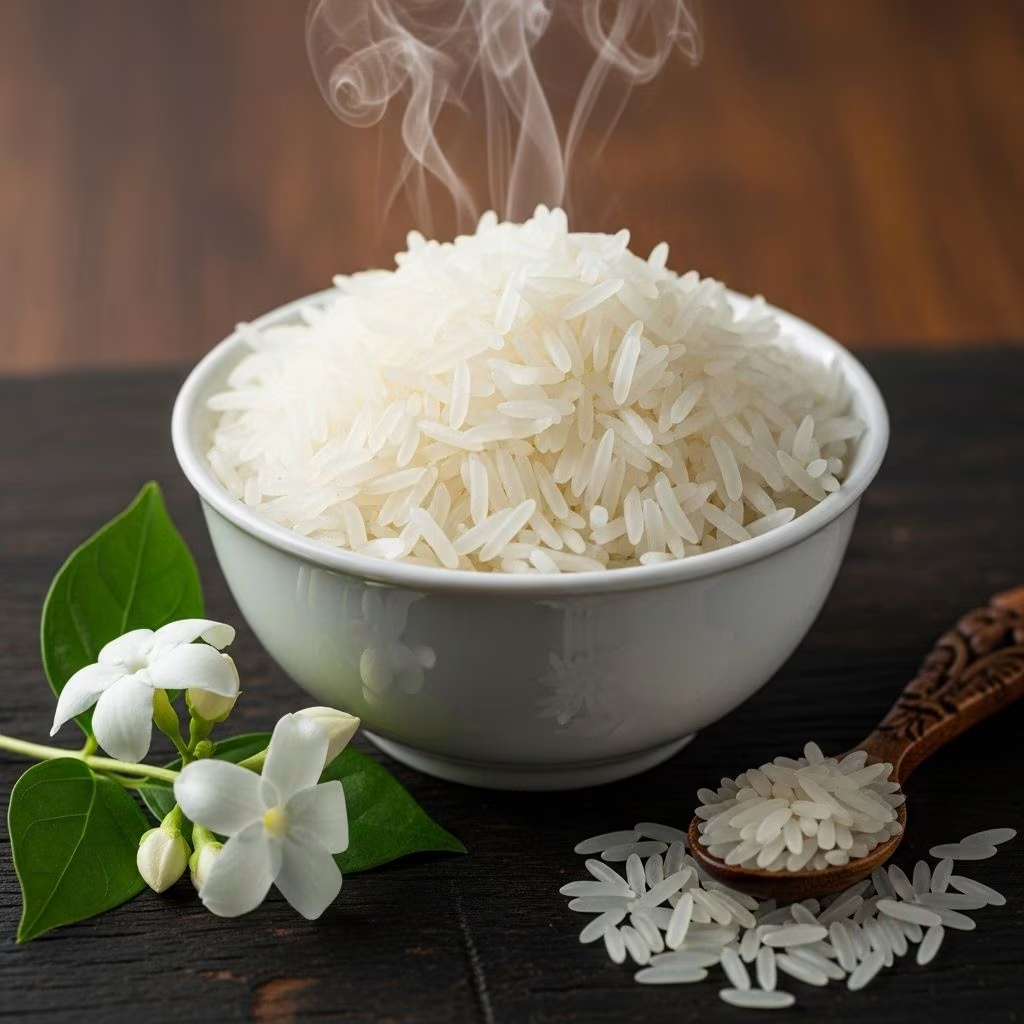
Jasmine rice is prized globally for its beautiful aroma, soft texture, and subtle sweetness that set it apart from many other varieties of rice. Originating in the heart of Southeast Asia, it has become an essential ingredient for countless households and master chefs alike. This guide offers an in-depth look at what jasmine rice is, its nutritional benefits, how it differs from other types of rice, culinary uses, and why its taste and aroma make it so beloved around the world.
What Is Jasmine Rice?
Jasmine rice is a type of long-grain, fragrant rice (Oryza sativa) known for its floral aroma, soft texture, and slightly sweet taste. Sometimes called “Thai fragrant rice” or “Thai Hom Mali rice,” jasmine rice is celebrated for its natural fragrance, which is reminiscent of pandan leaves and freshly popped popcorn. The distinctive scent comes from the compound 2-acetyl-1-pyrroline, which forms naturally during the rice plant’s growth process and intensifies when cooked.
Jasmine rice is not related to the jasmine flower, despite sharing a similar name; instead, its name refers to the rice’s bright white color and floral aroma.
Origin and Cultivation
Jasmine rice is primarily grown in Southeast Asian countries, with Thailand being its leading producer. Other cultivation centers include Cambodia, Laos, and Vietnam. Thailand’s “Hom Mali” jasmine rice holds international acclaim for its quality and fragrance. The unique climate and soil of the region contribute to the rice’s aromatic properties.
Harvest typically involves cutting long rice stalks, and the grains are processed in several ways:
- Paddy rice: Rice left in its hulled form.
- Brown jasmine rice: De-hulled but retains the bran layer.
- White jasmine rice: Milled, with germ and bran removed.
Varieties of Jasmine Rice
- White Jasmine Rice: The most common form, milled to remove the outer bran and germ, resulting in a smooth, polished grain.
- Brown Jasmine Rice: Retains the bran layer, offering more fiber, vitamins, and minerals.
- Red, Black, and Purple Jasmine Rice: Less common whole-grain varieties rich in antioxidants and unique health benefits.
| Type | Grain Color | Fiber Content | Nutritional Highlight |
|---|---|---|---|
| White Jasmine Rice | Bright White | Low (~1g/serving) | High in carbs, lower in nutrients |
| Brown Jasmine Rice | Brown/Beige | Higher (~2g/serving) | Rich in fiber, B vitamins, minerals |
| Red/Black/Purple Jasmine Rice | Red, Black, or Purple hues | Moderate | Antioxidants, unique phytochemicals |
Nutritional Benefits of Jasmine Rice
Jasmine rice provides a rich source of carbohydrates, offering quick energy and playing a foundational role in many diets. While both brown and white jasmine rice are high in calories and carbs, only the whole-grain versions (brown, red, black, purple) retain significant amounts of fiber and nutrients.
- Carbohydrates: About 40–45 grams per cup cooked (depending on variety).
- Calories: White jasmine rice yields approximately 180–205 kcal per cooked cup; brown jasmine rice is similar, with slightly higher fiber.
- Protein: Roughly 4 grams per cooked cup.
- Fiber: Brown jasmine rice supplies 2 grams per serving; white jasmine rice has less (~1g/serving).
- Vitamins & Minerals: Brown jasmine rice offers B vitamins (B1, B3, B9), iron, potassium, calcium, and antioxidant compounds; white jasmine rice is often enriched post-processing with iron and B vitamins.
Antioxidants: Colored jasmine rice varieties (red, black, purple) contain phytonutrients and antioxidants that help scavenge free radicals and may support overall cell health.
Digestive Benefits
The fiber in whole-grain jasmine rice (especially brown) promotes healthy digestion and regularity, making it a suitable choice for gut health.
Gluten-Free Advantage
Jasmine rice is naturally gluten-free, making it an essential grain option for those with celiac disease or gluten sensitivities.
Glycemic Index (GI)
- The GI of white jasmine rice is fairly high, ranging from 68 to 80, which denotes a fast increase in blood sugar after eating.
- Brown jasmine rice has a lower GI due to its fiber content.
This high GI value suggests moderation is important for those with diabetes or metabolic health concerns.
Aroma, Texture, and Taste
Jasmine rice is renowned for three key sensory attributes:
- Aroma: Its trademark fragrance—often described as floral, sweet, or resembling pandan and popcorn—results from 2-acetyl-1-pyrroline. This unique aroma intensifies during cooking but can diminish if the rice is stored for extended periods.
- Texture: When cooked, jasmine rice is soft and moist, with a slight cling often referred to as “stickiness.” However, it remains less sticky than glutinous rice or sushi rice, offering a pleasant, fluffy mouthfeel.
- Taste: Subtly sweet and exceptionally gentle on the palate, making it an ideal base for rich, flavorful dishes.
The unique combination of fragrance, texture, and taste positions jasmine rice as a preferred choice for Southeast Asian cuisine, especially Thai and Vietnamese food.
Culinary Uses
Jasmine rice plays an integral role in the cooking traditions of Thailand and surrounding countries. Its versatility and aroma enhance both savory and sweet dishes.
Popular Culinary Applications
- Steamed Rice: Served alongside curries, grilled meats, and spicy sauces; a staple side.
- Stir-Fries: Blends well with vegetables and proteins due to its soft yet separate grains.
- Rice Salads & Bowls: Foundation for fresh, layered salads, often with lemongrass and herbs.
- Sweet Dishes: Jasmine rice occasionally appears in desserts, such as rice puddings flavored with coconut milk.
- Southeast Asian Specialties: Key component in dishes like Thai green curry, Vietnamese Com Tam (broken rice salad), Cambodian Amok, and more.
Its ability to absorb flavors and sauces while retaining a distinct fragrance makes jasmine rice particularly suitable for pairing with bold or spicy ingredients.
Pairing Suggestions
- Curries: Thai green, red, or Massaman curries.
- Grilled Proteins: Chicken satay, barbecue pork, roasted duck.
- Vegetarian Dishes: Stir-fried vegetables, tofu, or eggplant in aromatic sauces.
- Salads & Wraps: Serve cold in fresh rice salads or wrapped in leaves for a light meal.
How to Cook Jasmine Rice
Cooking jasmine rice is straightforward, but attention to water ratio and technique yields the best results.
- Rinse the rice: Wash jasmine rice until the water runs clear to remove excess starch.
- Use the right water ratio: Typically, 1 to 1.25 cups of water per cup of jasmine rice.
- Cooking method: Bring water and rinsed rice to a boil; cover and simmer on low for 15 minutes, then let it rest (covered) for 10 minutes before fluffing with a fork.
- Flavor enhancements: Cook with pandan leaf, coconut milk, or stock for additional aroma.
Jasmine rice can be cooked on the stovetop, in a rice cooker, or pressure cooker, with minimal differences in texture.
Tips for Perfect Jasmine Rice
- Do not over-rinse, as some surface starch is necessary for signature stickiness.
- Avoid stirring during cooking to preserve grain integrity.
- Let rice rest after cooking for optimal fluffiness.
Jasmine Rice vs. Other Rice Types
| Attribute | Jasmine Rice | Basmati Rice |
|---|---|---|
| Origin | Thailand, Cambodia, Vietnam, Laos | India, Pakistan |
| Grain Length | Long | Extra Long |
| Aroma | Floral, pandan-like, popcorn | Nutty, herbal |
| Texture | Moist, soft, slightly sticky | Dry, fluffy, separate grains |
| Taste | Subtly sweet, delicate | Nutty, robust |
| Glycemic Index | Moderate-High (68-80) | Moderate (50-58) |
Jasmine rice’s moistness and stickiness set it apart from dry, separated grains like those of basmati rice, making each better suited for different culinary traditions.
Potential Health Considerations
- High Glycemic Index: Can cause spikes in blood sugar; limiting portion size is recommended for people with diabetes or metabolic issues.
- Mainly Starch: While rich in carbs, jasmine rice offers limited protein and fat; pairing with vegetables and lean proteins is beneficial.
- Whole-Grain Options: Brown and colored jasmine rice provide more nutrients and fiber, supporting digestion and heart health.
For maximum health benefits, opt for whole-grain varieties and integrate jasmine rice into a balanced, diverse diet.
Frequently Asked Questions (FAQs)
Q: What gives jasmine rice its unique aroma?
A: The aroma comes from a compound called 2-acetyl-1-pyrroline, which develops naturally in the rice plant.
Q: Is jasmine rice gluten-free?
A: Yes, jasmine rice is naturally gluten-free and safe for those with celiac disease or gluten intolerance.
Q: Does jasmine rice need to be rinsed before cooking?
A: Rinsing removes excess starch, resulting in fluffier rice and preventing clumping. It is recommended to rinse jasmine rice until water runs clear.
Q: What is the difference between white and brown jasmine rice?
A: Brown jasmine rice retains its bran layer, supplying more fiber and nutrients; white jasmine rice has a smoother texture but less nutritional density due to milling.
Q: How does jasmine rice compare with basmati rice?
A: Both are aromatic, long-grain rice. Jasmine rice is softer and slightly sticky with a floral, pandan-like scent, whereas basmati is dry, fluffy, and nutty in aroma and taste.
Q: What dishes are best served with jasmine rice?
A: Jasmine rice pairs well with Thai curries, grilled meats, vegetable stir-fries, and can also be used in rice salads and desserts.
Q: Is jasmine rice suitable for people with diabetes?
A: The high glycemic index of white jasmine rice indicates moderation is important. Opting for brown or colored jasmine rice may lower the impact due to higher fiber content.
Final Thoughts
Jasmine rice’s mesmerizing fragrance, delicate flavor, and soft texture have made it a staple in Southeast Asian kitchens and increasingly appreciated worldwide. Whether you choose white, brown, or colored varieties, jasmine rice offers versatility, sensory delight, and nutrition—provided it’s enjoyed as part of a balanced diet. Understanding its unique properties allows you to select, cook, and savor jasmine rice in the most delicious ways possible.
References
- https://en.wikipedia.org/wiki/Jasmine_rice
- https://k-agriculture.com/jasmine-rice/
- https://www.theperfectrice.com/what-is-jasmine-rice/
- https://www.finedininglovers.com/explore/articles/jasmine-rice-everything-you-need-know
- https://www.healthline.com/nutrition/jasmine-rice-vs-white-rice
- https://sporked.com/article/what-is-jasmine-rice/
- https://riceselect.com/blog/a-foodies-guide-to-rice-varieties
- https://greedy-panda.com/2020/10/learn-about-thai-hom-mali-jasmine-rice-the-king-of-jasmine-rice/


