


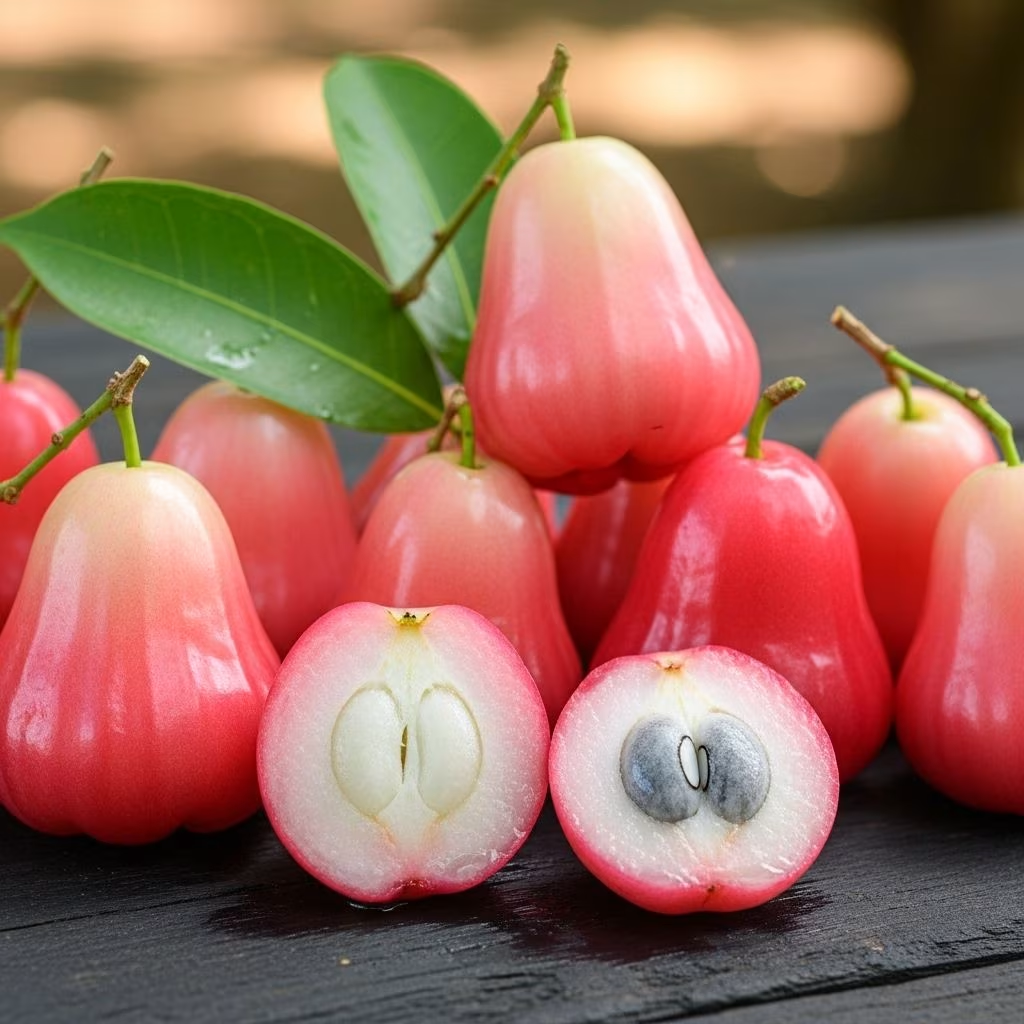
What is Java Apple?
The Java apple, commonly known as water apple, rose apple, or by its scientific name Syzygium aqueum, is a tropical fruit native to Southeast Asia and parts of South Asia. Despite its name, it is not a true apple but belongs to the same family as clove and guava. This fruit is cherished for its crisp, juicy texture, mild sweetness, and refreshing hydrating qualities, making it a popular snack in hot climates.
Botanical Details
The Java apple tree is a medium-sized evergreen, growing from 10 to 30 feet tall, with glossy, leathery leaves and fragrant flowers that attract pollinators like bees and butterflies. The tree produces fruit twice a year, typically in the summer, and is known for being relatively low-maintenance and drought-tolerant, making it a favorite in tropical orchards and home gardens.
Appearance and Taste
The fruit is small, usually about 1–2 inches in diameter, and shaped like a bell or pear. Its skin is thin, smooth, and glossy, ranging in color from green to pink or red as it ripens. The flesh is white or pink, extremely juicy, and crisp, with a flavor profile that is mildly sweet with subtle floral notes, often compared to watermelon or Asian pear. Some varieties are almost seedless, while others may contain a few small seeds.
Texture and Flavor Profile
- Texture: Crisp, crunchy, and exceptionally juicy—similar to watermelon
- Flavor: Mildly sweet, with hints of rose or floral notes
- Aroma: Light, fragrant, slightly reminiscent of rose or pear
- Seed: Usually seedless, though some fruits may have a few small seeds
Nutritional Profile
Java apple is celebrated for its high water content (over 90%), making it a low-calorie, hydrating snack. Despite being low in calories and fat, it provides fiber, vitamins (notably vitamin C), and minerals such as calcium, magnesium, potassium, copper, zinc, and manganese.
Nutrient Table (Per 100 grams)
| Nutrient | Approximate Value |
|---|---|
| Calories | Very low (estimates not specified, but high water content) |
| Water | 91.6% |
| Fiber | Moderate |
| Vitamin C | Present (exact amount varies) |
| Calcium, Magnesium, Potassium | Present |
| Protein, Fat | Very low |
This nutritional profile makes Java apple an excellent choice for those seeking a light, healthy snack that supports hydration and provides essential micronutrients.
Health Benefits
Hydration and Weight Management
Due to its extremely high water content, Java apple helps keep the body hydrated, especially in hot climates or after physical activity. Its low calorie and high fiber content also make it suitable for weight management and as a guilt-free snack for those watching their calorie intake.
Rich in Antioxidants and Vitamins
Java apple contains antioxidants and vitamin C, which help combat oxidative stress and support immune function. The presence of various minerals contributes to overall health, including bone strength and cardiovascular function.
Digestive Health
The dietary fiber in Java apple aids digestion, promotes gut health, and can help alleviate constipation. Its mild sweetness and juiciness make it a soothing fruit for those with sensitive stomachs.
Traditional Medicinal Uses
In traditional medicine, Java apple has been used to soothe fevers, reduce inflammation, and support recovery from illnesses. The leaves are also used in some cultures for their purported medicinal properties, including managing diabetes and boosting immunity.
Traditional and Medicinal Uses
Beyond its culinary appeal, Java apple has a long history in traditional remedies. In Southeast Asia and India, it is consumed to cool the body, relieve thirst, and treat mild ailments. The leaves, bark, and fruit are sometimes used in herbal preparations for their astringent and anti-inflammatory properties.
Common Traditional Applications
- Hydration: Used to quench thirst and prevent dehydration in tropical climates
- Fever Relief: Consumed to help reduce fever and cool the body
- Digestive Aid: Eaten to soothe the stomach and promote digestion
- Leaf Preparations: Leaves are brewed into teas or decoctions for diabetes and immune support in some traditional systems
Culinary Uses
Java apple is primarily eaten fresh, often served whole or sliced. Its crisp texture and mild sweetness make it a refreshing addition to fruit salads, desserts, and beverages. In some regions, it is pickled or used to make jams and jellies.
Popular Culinary Applications
- Fresh Consumption: Eaten out of hand as a snack
- Salads: Added to fruit or green salads for a juicy crunch
- Beverages: Juiced or blended into smoothies and drinks
- Desserts: Used in jellies, jams, and as a garnish for sweets
- Preserves: Occasionally pickled or candied
Its unique bell shape and vibrant color also make it an attractive garnish for culinary presentations.
Growing Java Apple
The Java apple tree thrives in warm, humid, tropical climates with well-drained soil. It is relatively easy to cultivate, requiring minimal maintenance once established. The tree begins to bear fruit within a few years and can produce abundant harvests, especially in fertile soil.
Growing Tips
- Climate: Prefers full sun and humid, tropical conditions
- Soil: Well-drained, fertile soil is ideal
- Watering: Regular watering is needed, especially during dry spells, but the tree is somewhat drought-tolerant once mature
- Propagation: Can be grown from seed, though air layering and grafting are common for consistent quality
- Pest Management: Generally resistant to pests, but fruit flies and birds can be a concern
Common Varieties and Relatives
Java apple (Syzygium aqueum) is often confused with other members of the Syzygium genus, such as the wax apple (Syzygium samarangense), which is also known as Java apple in some regions. Other relatives include the rose apple (Syzygium jambos) and Malay apple (Syzygium malaccense). Each has distinct characteristics, but all share a family resemblance in appearance and taste.
Comparison Table: Java Apple vs. Wax Apple
| Feature | Java Apple (Water Apple) | Wax Apple |
|---|---|---|
| Scientific Name | Syzygium aqueum | Syzygium samarangense |
| Shape | Bell or pear-shaped | Bell-shaped, often with a distinctive waxy skin |
| Color | Green to pink/red | Green, white, pink, red, or dark red (depends on cultivar) |
| Taste | Mildly sweet, floral, juicy | Sweet, mildly scented, crisp, and juicy |
| Seed | Usually seedless | Often seedless, but some may have seeds |
| Texture | Crisp and very juicy | Crisp, almost crunchy, and refreshing |
Where to Buy
Java apple can be found in tropical fruit markets, especially in Southeast Asia, South Asia, and some parts of the Americas with large Asian communities. It is less common in mainstream supermarkets outside these regions, but specialty produce stores and online exotic fruit vendors sometimes carry it, depending on the season.
Side Effects
Java apple is generally considered safe to eat for most people. There are no widely reported serious side effects. However, as with any fruit, individuals with specific allergies or sensitivities should exercise caution. Overconsumption may cause mild digestive discomfort due to its high water and fiber content.
Frequently Asked Questions (FAQs)
Q: Is Java apple the same as a regular apple?
A: No, Java apple (water apple) is not a true apple. It belongs to the Syzygium genus and is botanically distinct from the common apple (Malus domestica).
Q: What does Java apple taste like?
A: Java apple has a mildly sweet, floral flavor with a crisp, juicy texture reminiscent of watermelon or Asian pear.
Q: Is Java apple good for weight loss?
A: Yes, its low calorie and high water content make it an excellent snack for those managing their weight.
Q: How do you eat Java apple?
A: It can be eaten fresh, added to salads, juiced, or used in desserts. The core is typically removed before eating.
Q: Can Java apple be grown outside the tropics?
A: Java apple trees require a warm, humid, tropical climate and do not tolerate frost. They are best suited for tropical and subtropical regions.
Conclusion
Java apple, or water apple, is a delightful tropical fruit prized for its hydrating properties, mild sweetness, and crisp texture. Rich in water, fiber, vitamins, and minerals, it offers numerous health benefits, from supporting hydration and digestion to providing antioxidants. Its versatility in culinary applications and ease of cultivation make it a valuable addition to tropical diets and gardens. Whether enjoyed fresh, in salads, or as a juice, Java apple is a refreshing, healthy choice for fruit lovers seeking something beyond the ordinary.
References
- https://specialtyproduce.com/produce/Green_Water_Apples_12137.php
- https://growbilliontrees.com/blogs/tree-stories/water-apple-tree-tropical-delight-nutritional-value-and-orchard-favorite
- https://www.growables.org/information/TropicalFruit/waxjambu.htm
- https://redcliffelabs.com/myhealth/fruit/water-apple-benefits-uses-side-effects-and-more/
- https://crfg.org/homepage/library/fruitfacts/rose-apple/
- https://www.tropicalfruitandveg.com/showdetail.php?srcname=Java+Apple
- https://specialtyproduce.com/produce/Thai_Wax_Apple_7608.php


