


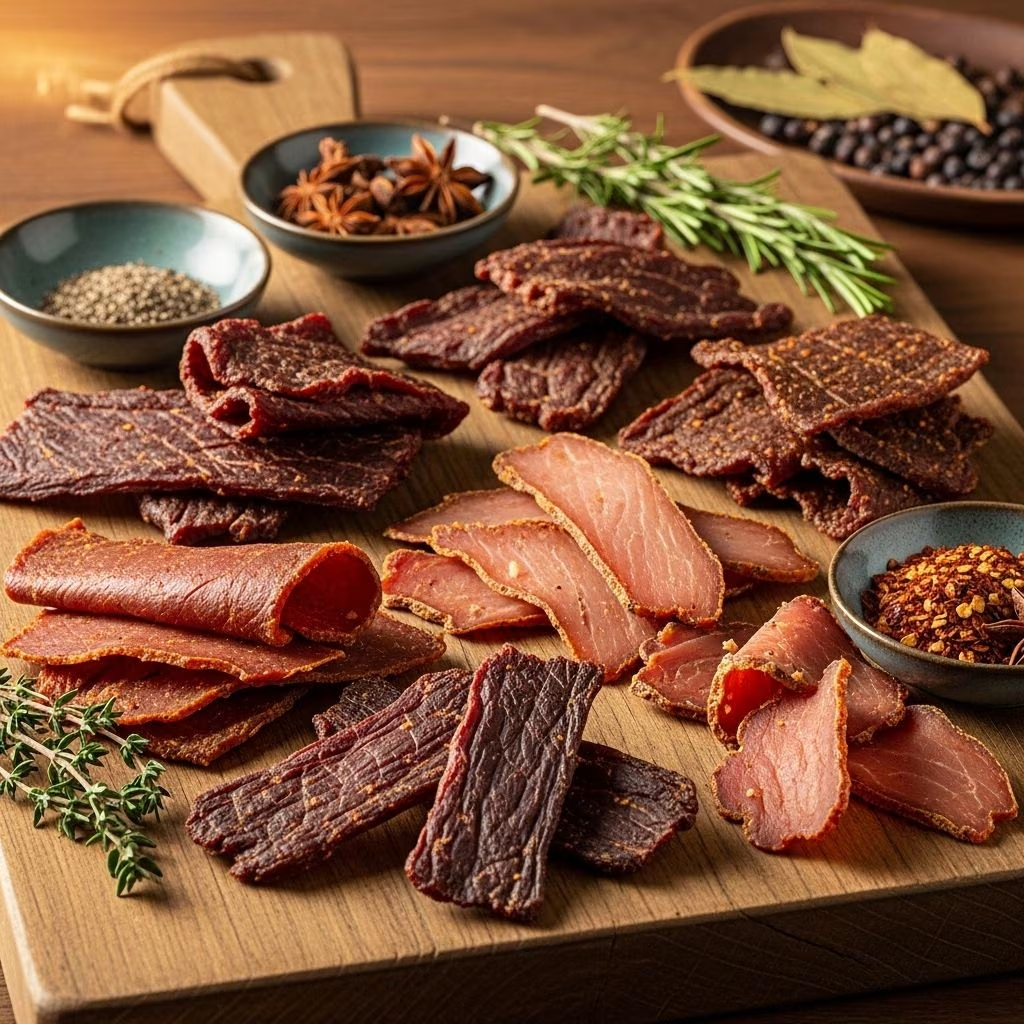
Jerky is a nutrient-dense, dried and seasoned meat snack that has evolved from ancient preservation techniques into a modern, protein-packed treat. Today, jerky comes in a wide array of flavors, textures, and even plant-based alternatives, making it a versatile snack suitable for countless diets and lifestyles. This guide explores what jerky is, its benefits, the many types and uses, as well as what makes its taste so distinct.
Definition of Jerky
Jerky is defined as meat that has been sliced into thin strips, marinated or seasoned, and then dried through a low-heat dehydration process. This preservation technique dramatically increases the shelf life of the meat and results in a chewy, flavorful snack that is high in protein and portable.
Traditionally, jerky is most commonly associated with beef, but there are numerous other varieties, including poultry, pork, fish, game meats, and plant-based options.
History and Origins of Jerky
Jerky traces its roots back thousands of years to indigenous cultures across the Americas and elsewhere. The earliest jerky was made by air-drying meat over a fire or in the sun, often after seasoning it with salt and spices. This effective preservation method enabled hunters, explorers, and travelers to carry meat with them on long journeys without refrigeration. Today, global popularity has led to both traditional and modern twists on recipes and preparation methods.
How Jerky Is Made
The process of making jerky has remained remarkably simple, with modern improvements for flavor and food safety:
- Meat Selection: Lean cuts are preferred to reduce spoilage and improve texture.
- Slicing: The meat is sliced into thin strips for consistent drying.
- Marination: Strips are soaked in a blend of spices, salt, and often sugar or other flavorings for several hours.
- Drying: Marinated meat is dehydrated using low heat over several hours. Techniques include air drying, oven drying, or use of commercial dehydrators.
- Packaging: Proper packaging is important to lock in freshness and prevent spoilage.
This method can be applied to various proteins—including meats and plant alternatives—to yield the familiar chewy texture and rich flavor of jerky.
Types of Jerky
Jerky comes in many forms, each with its own unique nutritional profile and flavor. Here are the primary types:
Animal-Based Jerky
- Beef Jerky: The classic and most widely available form, made from lean cuts of beef and rich in heme iron and protein. Supports immune health and muscle mass.
- Turkey Jerky: Leaner than beef, easy to digest, and equally high in protein. Popular for those seeking lower fat options.
- Chicken Jerky: Lean, high in protein, gluten-free, and often chosen for muscle repair and portion control.
- Pork Jerky: Contains vitamins and minerals that support metabolism, immunity, and daily energy.
- Fish Jerky: Includes salmon and tuna varieties, both rich in omega-3 fatty acids, protein, and heart-healthy nutrients.
- Game Jerky: Made from wild animals such as venison, bison, and elk. Game meats are generally leaner and can be higher in beneficial nutrients. They often have a distinctive, deep flavor profile.
Table: Comparison of Popular Jerky Types
| Type | Main Features | Key Nutrients | Unique Benefits |
|---|---|---|---|
| Beef Jerky | Most common; rich, meaty flavor | Iron, Protein | Muscle building, iron source |
| Turkey Jerky | Leaner, easy to digest | Protein | Lower fat, weight control |
| Chicken Jerky | Portion control, gluten-free | Protein | Weight loss, muscle repair |
| Pork Jerky | Savory, rich flavor | Vitamins, minerals | Metabolic support, immunity |
| Salmon Jerky | Fishy, slightly sweet | Omega-3s | Heart health, cholesterol management |
| Tuna Jerky | Mild, slightly salty | Antioxidants, Omega-3s | Eye health, blood pressure |
| Venison Jerky | Gamey, robust | B Vitamins, Omega-3s | Metabolism boost, hormone regulation |
| Bison Jerky | Leaner than beef | Selenium, Omega-3s | Inflammation reduction |
| Elk Jerky | Dense protein, chewy | Iron, Omega-3s | Heart health, mental wellness |
Plant-Based Jerky
- Mushroom Jerky: Made from various mushrooms, provides a chewy texture and umami flavor for vegetarians and vegans.
- Jackfruit Jerky: Crafted with young jackfruit, offers fiber, antioxidants, and appealing texture.
- Soy Jerky: Protein-rich, cholesterol-free, and often used as a meat alternative.
Plant-based jerky typically contains fewer calories and less cholesterol, making it a heart-healthy snack for those seeking alternatives to animal products.
Nutritional Benefits of Jerky
Jerky is a powerhouse of nutrition in a convenient snack-size package. Below are the main health benefits associated with regular, moderate jerky consumption:
- High Protein Content: Jerky is rich in protein, which helps build and repair muscle tissue, promote satiety, and support energy levels.
- Low in Fat (Certain Types): Leaner meats or plant-based jerky have lower fat, making them ideal for weight management.
- Rich in Micronutrients: Animal-based jerky provides essential minerals and vitamins such as iron, zinc, B vitamins, and in some varieties, omega-3 fatty acids.
- Portable and Convenient: Jerky is shelf-stable, easy to transport, and requires no preparation, making it perfect for hiking, travel, and busy lifestyles.
- Satiety and Weight Control: The high protein helps with appetite control, making jerky an effective snack for weight loss or maintenance goals.
For vegetarians or those lowering red meat intake, plant-based jerky delivers fiber and protein with lower cholesterol and saturated fat.
Culinary Uses of Jerky
Jerky’s versatility extends well beyond quick snacking. Consider these creative uses in the kitchen:
- Snacking: The primary use, offering energy between meals or while on the go.
- Trail Mix: Combine chopped jerky with nuts, seeds, and dried fruit for a custom, protein-forward trail mix.
- Soups and Stews: Rehydrate jerky by adding it to soups for enhanced flavor and a protein boost.
- Salad Topper: Crumble and sprinkle over salads instead of croutons for extra texture and nutrients.
- Sandwiches and Flatbreads: Add thin slices to sandwiches, wraps, or flatbreads for a savory twist.
- Emergency Food Supply: Its long shelf life makes jerky a staple for emergency kits and outdoor adventures.
Jerky Flavors and Taste Experience
The appeal of jerky lies in its robust, concentrated flavor and satisfying texture. Flavors are shaped by both the base ingredient and the seasonings used in the marination process:
- Original: Simple salt and pepper, emphasizing the natural meat flavor.
- Smoky: Infused with natural or artificial smoke, evoking campfires and classic barbecue.
- Sweet & Spicy: Balancing brown sugar, honey, or maple against hot peppers or savory spices.
- Teriyaki: A popular blend of soy sauce, ginger, and garlic, yielding a sweet-salty umami.
- Exotic: Flavors such as curry, chipotle, Cajun, or international herbs enhance variety.
The texture of jerky ranges from soft and tender (common in chopped & formed or sugar-cured types) to chewy, firm, or dry (traditional, whole-muscle styles). The taste is usually intensely savory (umami), with notes of smoke, salt, spice, or sweetness depending on the specific recipe.
Storing and Serving Jerky
Jerky’s appeal includes its impressive shelf stability. For best quality and safety:
- Store unopened packs in a cool, dry place.
- Refrigerate after opening to maintain texture and prevent spoilage.
- Avoid exposing to moisture once opened, which can lead to mold.
- Portion into resealable bags for easy snacking or meal prep.
Potential Considerations
While jerky offers many health and culinary benefits, certain factors should be considered:
- Sodium Content: Many traditional jerkies are high in salt for preservation and flavor. Individuals monitoring sodium intake should check nutrition labels or consider low-sodium options.
- Additives: Some commercial jerkies may contain artificial preservatives, MSG, or excessive sugars.
- Allergens: Flavored jerkies, especially teriyaki or plant-based, might contain common allergens like soy or gluten.
For the best health outcomes, choose natural jerky made from high-quality, minimally processed ingredients and enjoy as part of a balanced diet.
Frequently Asked Questions (FAQs)
Q: Is jerky a healthy snack option?
A: In moderation, jerky is a nutritious source of high-quality protein, iron, and various micronutrients. Opt for minimally processed varieties with lower salt and sugar for the best nutritional profile.
Q: What is the shelf life of jerky?
A: Commercially packaged jerky can last for several months unopened. Once opened, it should be consumed within a week or kept refrigerated to extend its shelf life.
Q: Can vegetarians and vegans eat jerky?
A: Yes, plant-based options such as mushroom, jackfruit, and soy jerky are widely available and offer similar textures and flavor experiences to traditional meat jerky.
Q: Is jerky gluten-free?
A: Many types, especially simple meat or poultry jerkies, are naturally gluten-free. Always check flavored varieties or plant-based jerkies for possible gluten-containing ingredients (like soy sauce).
Q: What is the difference between whole muscle and chopped & formed jerky?
A: Whole muscle jerky is made from sliced, intact pieces of meat, delivering an authentic, fibrous chew. Chopped & formed (or restructured) jerky forms strips from ground or chopped meat, yielding a softer, uniform texture.
Conclusion
Jerky remains a beloved staple for its unique flavor, high protein, and unmatched convenience. Whether from beef, poultry, fish, wild game, or even plants, there’s a jerky for every palate and diet. From ancient preservation method to gourmet snack aisle, its journey highlights jerky’s remarkable adaptability and ongoing popularity.
References
- https://jerzeyjerky.com/blogs/jerky/jerky
- https://peopleschoicebeefjerky.com/blogs/news/types-of-beef-jerky
- https://www.jacklinks.com/blog/types-of-jerky-the-ultimate-jerky-guide/
- https://www.twochicksjerky.com/blogs/learn/types-of-beef-jerky
- https://jerkygent.com/pages/glossary-of-jerky-terms
- https://beefjerky.com/blogs/news/best-types-of-jerky-beyond-beef
- https://crockettcreek.com/types-of-jerky-a-guide-to-your-favorite-meats/
- https://ragingbullsnacks.com/what-is-jerky-everything-you-need-to-know/
- https://www.masohere.com/dried-meat-types/


