


- Introduction
- What Is Jowar?
- Nutritional Value of Jowar
- Health Benefits of Jowar
- Culinary Uses of Jowar
- Industrial Uses of Jowar
- Taste Profile and Texture
- Jowar vs. Other Grains
- Frequently Asked Questions (FAQs)
- Conclusion
Introduction
Jowar, known globally as sorghum, is a robust cereal grain cherished for its resilience, nutritional density, and gluten-free properties. Originally cultivated in Africa over 8,000 years ago, it is now a staple food for millions and continues to play a growing role in contemporary healthy diets. This article comprehensively examines jowar’s health benefits, wide-ranging uses, and its distinctive taste.
What Is Jowar?
Jowar (Sorghum bicolor) is a member of the Poaceae (grass) family and is commonly referred to by various names, such as Indian millet, great millet, milo, Guinea corn, and broomcorn. It grows in tall clumps that can exceed 4 meters (13 feet) in height, producing compact clusters of tiny edible grains. Jowar is the world’s fifth-most important cereal crop, following rice, wheat, maize, and barley.
Jowar thrives in hot, dry climates, making it indispensable for regions with scarce water resources. It is typically an annual crop, but some cultivars may be perennial.
- Botanical Family: Poaceae (grass).
- Common Names: Sorghum, jowar, Indian millet, great millet, milo.
- Origin: Domesticated in Africa, now grown worldwide.
- Physical Appearance: Tall grass with bushy panicles, small grains (2–4 mm diameter).
- Production: Used for food, animal feed, biofuel, and more .
Nutritional Value of Jowar
Jowar is lauded for its rich nutrient profile and poverty of allergens, especially gluten.
| Component (per 1/4 cup whole grain) | Approximate Amount |
|---|---|
| Calories | 163 kcal |
| Protein | 5 grams |
| Fat | 2 grams |
| Carbohydrates | 36 grams |
| Fiber | 3 grams |
| Iron | ~12% RDA |
| Calcium | Varies |
| Potassium | Varies |
| Manganese | Varies |
| Magnesium | Varies |
| Phosphorus | Varies |
| Niacin, Thiamin, Vitamin B6 | Present |
Jowar is notably rich in phenolic compounds, antioxidants, and vital minerals, and serves as a good protein source for vegetarians and vegans . Its carbohydrate content is composed mainly of complex carbs, making it a slow-energy-releasing grain.
Health Benefits of Jowar
- Gluten-Free and Allergen-Friendly: Jowar contains no gluten, making it safe for individuals with celiac disease or gluten intolerance .
- Rich in Dietary Fiber: The high fiber content promotes digestive health, aids regular bowel movement, and provides prolonged satiety.
- Supports Heart Health: Antioxidants and phenolic compounds in jowar help lower cholesterol levels, reduce inflammation, and may improve vascular function .
- Diabetes Management: Complex carbohydrates and fiber help regulate blood sugars, making jowar suitable for diabetic diets .
- Iron-Rich: Contributing up to 12% of daily iron per serving, jowar is beneficial in preventing anemia, especially in plant-based diets .
- Essential Minerals: Provides magnesium, phosphorus, manganese, and potassium, supporting bone health, energy metabolism, and electrolyte balance.
- Anticancer Effects: Certain antioxidants may have anti-inflammatory and anticancer potential .
Nutritional Summary Table
| Nutrient | Health Benefit |
|---|---|
| Fiber | Supports digestion, helps regulate blood sugar |
| Antioxidants | Reduces inflammation, may lower cancer risk |
| Iron | Prevents anemia, boosts energy |
| Magnesium & Phosphorus | Supports bones, metabolism |
| Phenolic Compounds | Supports heart health, immune system |
Culinary Uses of Jowar
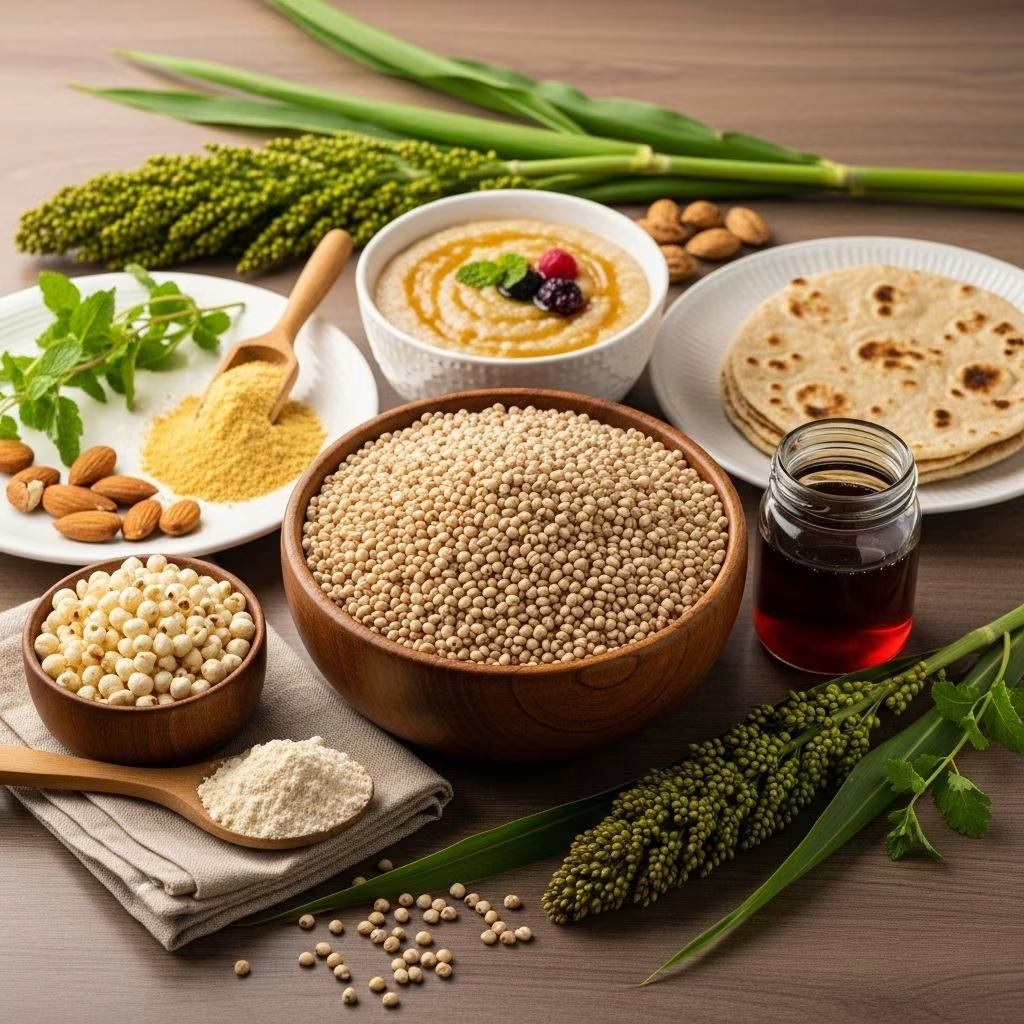
Jowar’s culinary versatility is extensive. While jowar is most commonly ground into flour for making flatbreads, porridge, or cakes, its whole grains, flakes, and syrup are also widely utilized. It offers a nourishing base for both traditional and modern recipes.
- Flatbreads & Rotis: In India, jowar flour forms the base of jowar roti, a staple enjoyed with vegetables, pulses, and curries.
- Porridge: Boiled whole grain jowar or flour can be cooked into hearty, satisfying porridge.
- Baked Goods: Jowar flour is popular in gluten-free baking, used in breads, cakes, muffins, and cookies, often combined with other gluten-free flours for better texture.
- Snack Foods: Jowar can be puffed or popped for crunchy snacks.
- Syrup: Stalks of sweet sorghum are crushed for their juice, boiled into edible syrup or processed as a sweetener .
- Beverages: Used in traditional alcoholic drinks and non-alcoholic health drinks.
- Savoury Dishes: Whole jowar grains can act as a rice substitute in salads, stir-fries, or soups.
Industrial Uses of Jowar
Beyond food, jowar finds roles in various industries, leveraging the plant’s robust structure and chemical composition:
- Animal Feed: The entire plant is valuable as livestock fodder due to its height, yield, and resilience.
- Biofuel: Sweet sorghum varieties are cultivated for ethanol production, contributing to renewable energy solutions .
- Building Materials: Stalks are used in the construction of furniture and shelter in regions where jowar is grown .
- Manufactured Products: Jowar provides raw material for edible oil, starch, dextrose, paste, and alcoholic beverages .
Taste Profile and Texture
Jowar has a subtle, earthy flavor with slight nutty and sweet undertones. The taste is generally mild but can present a robust character, especially in whole grain preparations or unrefined flour. Processing and cooking methods can reduce its strong flavor, making it versatile for blends and diverse recipes.
- Flavor: Mild, earthy, slightly nutty or sweet.
- Texture: Whole grains cooked to a chewy, hearty consistency; flour yields dense, coarse breads unless blended.
- Adaptability: Takes on flavors of accompanying ingredients; suitable for both savory and sweet preparations.
Like many other whole grains, jowar’s flavor profile becomes more pronounced with less processing, making jowar flour in flatbreads notably distinctive and hearty.
Jowar vs. Other Grains
| Grain | Gluten Content | Protein (%) | Notable Benefits | Common Uses |
|---|---|---|---|---|
| Jowar (Sorghum) | None | 10 | High fiber, antioxidants, iron-rich | Flatbreads, porridges, biofuel, animal feed |
| Wheat | High | 13 | Versatile, high protein | Breads, pasta, pastries |
| Rice | None | 7 | Low allergen, energy source | Pilaf, porridge, flour, flakes |
| Maize (Corn) | None | 10 | Beta-carotene, energy | Breads, tortillas, snacks, syrup |
| Barley | Yes | 10 | Soluble fiber (beta-glucans) | Porridge, soups, malt |
Frequently Asked Questions (FAQs)
Q: Is jowar suitable for gluten-free diets?
A: Yes. Jowar contains no gluten, making it ideal for celiac patients and anyone with gluten intolerance .
Q: What are the common ways to eat jowar?
A: Popular preparations include flatbreads (rotis), porridge, baked goods, snack foods, and as a whole grain substitute for rice or bulgur.
Q: How does jowar benefit diabetics?
A: Its high fiber and complex carbohydrate structure slow glucose absorption, supporting blood sugar management .
Q: Can jowar replace wheat in recipes?
A: Jowar flour can substitute wheat, especially in gluten-free baking, but may require blending with other flours for improved texture.
Q: Is jowar environmentally sustainable?
A: Yes. Jowar’s drought resistance and low water requirement make it an environmentally sustainable crop .
Conclusion
Jowar (sorghum) epitomizes the balance of tradition and modern nutrition—an ancient grain delivering robust health benefits, culinary versatility, and an inviting taste. Its incorporation in everyday meals offers not only essential nutrients but also sustainable agriculture. As interest in gluten-free, high-fiber options rises, jowar stands out as a crop for the health-conscious and environmentally aware.
References
- https://en.wikipedia.org/wiki/Sorghum
- https://www.sanat.io/eng/p/Health-benefits-of-sorghum-consumption-broom-seed
- https://www.ebsco.com/research-starters/nutrition-and-dietetics/sorghum
- https://www.britannica.com/plant/sorghum-grain
- https://www.webmd.com/diet/health-benefits-sorghum
- https://www.ecosuperbfoods.com/jowar-sorghum/
- https://evolution.earthathome.org/grasses/andropogoneae/sorghum-morphology/
- https://www.icrisat.org/crops/sorghum/overview


