


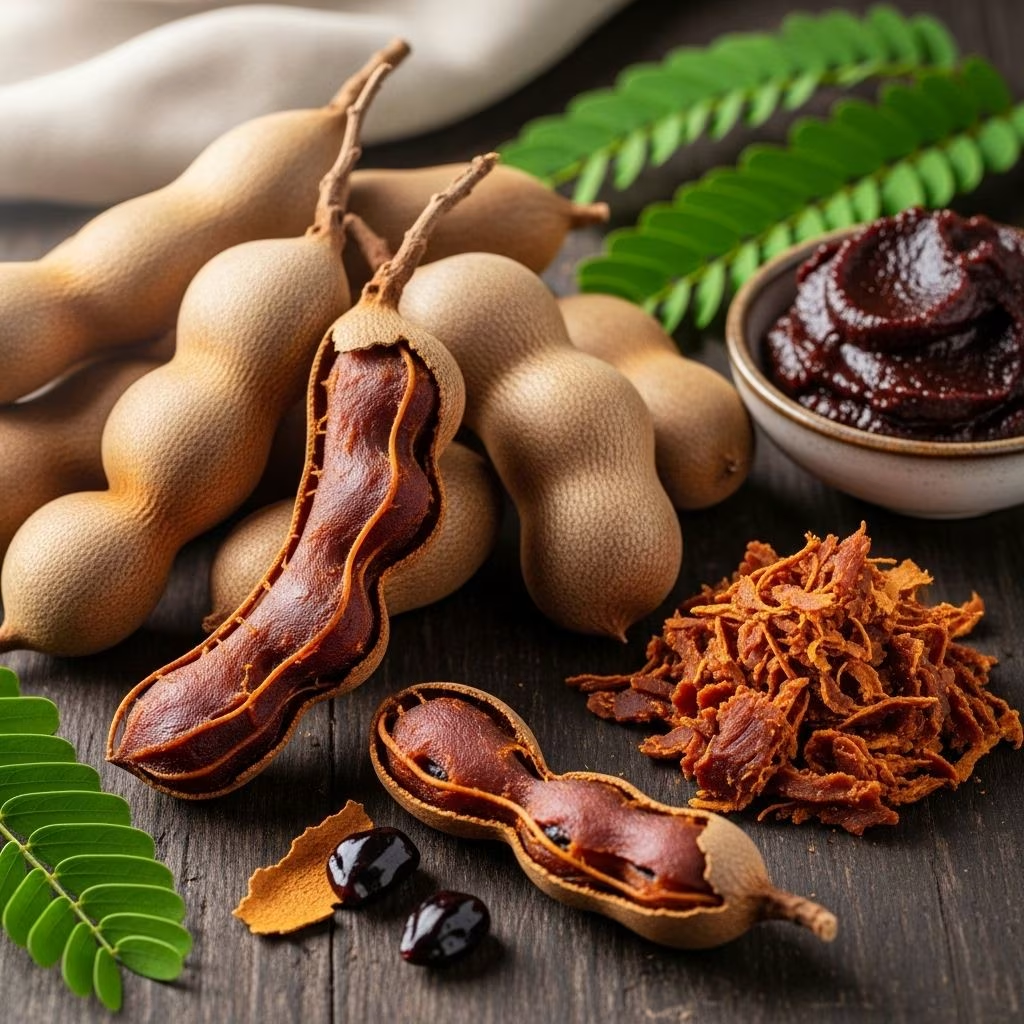
What Is Tamarind?
Tamarind (Tamarindus indica) is a tropical fruit-bearing tree native to Africa but now widely cultivated in Asia, Latin America, and the Caribbean region. The fruit grows in brown, pod-like shells, which contain a sticky, fibrous pulp surrounding hard seeds. Tamarind is prized for its unique sweet-sour flavor and has been a staple ingredient in cuisines and traditional medicines for centuries.
Origin and Distribution
Tamarind is indigenous to tropical Africa but has been naturalized in Asia, the Indian subcontinent, and parts of Latin America. Today, it is grown commercially and in home gardens in many tropical and subtropical countries, including India, Thailand, Mexico, and the Caribbean islands. Tamarind trees are drought-resistant and salt-tolerant, making them well-suited for cultivation in challenging environments.
Botanical Description
The tamarind is a medium to large evergreen tree, reaching heights of 25–30 meters (82–98 feet), with a broad, dense crown up to 12 meters (39 feet) wide. Its trunk can grow to a circumference of 7.5 meters (25 feet). The tree is characterized by its pinnate leaves and small, inconspicuous red and yellow flowers that bloom in clusters.
Fruit Pod
The fruit is a leguminous pod, typically 2 to 9 inches (5 to 23 cm) long, with a hard, brittle shell that turns from green to brown as it ripens. Inside, the pod contains a sticky, fibrous, brown to reddish-brown pulp surrounding several glossy, brown seeds. The pulp is the edible part, known for its sweet-sour taste.
Tamarind Nutrition Facts
Tamarind pulp is a concentrated source of essential nutrients. Below is a general nutritional profile per 100 grams of tamarind pulp (raw):
| Nutrient | Amount (approx.) |
|---|---|
| Calories | 239 kcal |
| Carbohydrates | 63 g |
| Sugars | 57 g |
| Protein | 2.8 g |
| Dietary Fiber | 5.1 g |
| Vitamin B1 (Thiamine) | 0.43 mg |
| Vitamin B2 (Riboflavin) | 0.14 mg |
| Vitamin B3 (Niacin) | 1.9 mg |
| Vitamin C | 3.5 mg |
| Calcium | 74 mg |
| Iron | 2.8 mg |
| Magnesium | 92 mg |
| Phosphorus | 113 mg |
| Potassium | 628 mg |
| Zinc | 0.1 mg |
Tamarind is also rich in antioxidants, particularly polyphenols and flavonoids, which contribute to its health-promoting properties.
Health Benefits of Tamarind
Tamarind offers a range of health benefits, supported by both traditional use and emerging scientific research.
Antioxidant Power
The pulp is a potent source of antioxidants, which help combat free radicals and reduce oxidative stress in the body.
Anti-Inflammatory Properties
Tamarind has been used in folk medicine for its anti-inflammatory effects, which can help in wound healing and may reduce inflammation-related diseases.
Heart Health
Studies suggest that tamarind may help lower blood pressure and triglycerides, contributing to cardiovascular health. Its rich potassium content is also beneficial for heart function.
Digestive Health
The high fiber content supports healthy digestion, relieves constipation, and promotes gut microbiome diversity.
Antimicrobial Effects
Tamarind contains compounds that exhibit antibacterial and antiviral properties, which may help protect against certain infections.
Blood Sugar Control
Preliminary research indicates that tamarind may have a modulating effect on blood sugar levels, though more human studies are needed.
Other Benefits
Tamarind leaves, seeds, and bark have also been used in traditional remedies for their medicinal properties, including fever reduction and as a natural laxative.
Potential Risks and Considerations
While tamarind is generally safe for most people, there are a few considerations:
- Its high sugar content means it should be consumed in moderation by individuals with diabetes.
- Tamarind can interact with certain medications, including blood thinners and antidiabetic drugs.
- Although rare, allergies to tamarind have been reported.
- Excessive consumption may lead to gastrointestinal discomfort due to its high fiber content.
Always consult a healthcare provider before adding tamarind to your diet if you have underlying health conditions or take medications.
Culinary and Other Uses
Tamarind is a versatile ingredient with applications in food, medicine, and industry.
In Cooking
- Its pulp is used to add a tangy flavor to sauces, curries, soups, chutneys, and drinks such as the popular tamarind-based beverages of Southeast Asia and the Caribbean.
- In Indian cuisine, tamarind is a key ingredient in sambar, rasam, and various chutneys.
- In Thai cuisine, it is used in pad Thai, soups, and dipping sauces.
- Latin American cuisines use tamarind in sweets, candies, and refreshing drinks like agua de tamarindo.
- It is also found in jams, jellies, and pickles.
As a Traditional Medicine
- Tamarind has a long history in Ayurvedic, Unani, and African traditional medicine for treating fever, digestive issues, and skin conditions.
- The leaves, bark, and seeds are sometimes used in poultices and decoctions.
Industrial Uses
Tamarind seeds are a source of a polysaccharide (tamarind gum) used as a stabilizer in the food, textile, and pharmaceutical industries. The wood is valued for carpentry and furniture-making due to its hardness and attractive grain.
Tamarind Taste Profile
The tamarind pulp offers a unique sweet-sour flavor, sometimes described as a cross between citrus, apricot, and caramel. Its taste intensifies as the fruit ripens, shifting from very sour in green pods to a more balanced sweet-sour profile in ripe brown pods. This versatile taste makes it suitable for both sweet and savory dishes, as well as beverages and snacks.
Tamarind Varieties
There are several tamarind varieties, generally categorized by their sweetness and acidity:
- Sweet Tamarind: Higher sugar content, less sour, often eaten fresh or used in desserts.
- Sour Tamarind: More acidic, commonly used in cooking and flavoring.
Asian varieties often have longer pods with more seeds, while African and Caribbean varieties may have shorter pods with fewer seeds.
Selecting and Storing Tamarind
When selecting tamarind, look for pods with intact, unbroken shells and a deep brown color. Press gently—ripe pods are brittle and dry on the outside, with a sticky pulp inside. Tamarind comes in several forms:
- Whole pods: Store in a cool, dry place for up to several months.
- Pulp blocks: Keep in an airtight container in the refrigerator or freezer.
- Paste, concentrate, or powder: Store according to package instructions.
How to Eat Tamarind
There are many ways to enjoy tamarind:
- Fresh: Peel the pod, remove the fibers, and suck the pulp off the seeds.
- Cooked: Add pulp to curries, soups, and sauces for a tangy twist.
- Beverages: Blend tamarind pulp with water, sugar, and spices for a refreshing drink.
- Sweets: Use tamarind pulp in candies, jams, and desserts.
Summary
Tamarind is a nutrient-rich tropical fruit beloved for its distinctive sweet-sour taste and versatility in global cuisines. It offers a range of health benefits, from antioxidant and anti-inflammatory effects to supporting heart and digestive health. Tamarind is used in cooking, traditional medicine, and industry, and is available in many forms—fresh, dried, as paste, or powder. With its long history and wide cultivation, tamarind continues to be a valuable ingredient and remedy worldwide.
Frequently Asked Questions (FAQs)
Q: What does tamarind taste like?
A: Tamarind has a unique sweet-sour flavor, similar to a mix of citrus and caramel, balanced by a tangy acidity.
Q: Is tamarind good for digestion?
A: Yes, tamarind’s high fiber content helps promote digestion and relieve constipation.
Q: Are there any side effects of tamarind?
A: Tamarind is generally safe, but its high sugar and fiber content mean it should be consumed in moderation—especially by people with diabetes or digestive sensitivities.
Q: How do I store tamarind paste?
A: Tamarind paste should be kept in an airtight container in the refrigerator or freezer to maintain freshness.
Q: Can tamarind be eaten raw?
A: Yes, tamarind pulp can be eaten raw straight from the pod, though it is also commonly cooked or processed into other forms.
Q: Where is tamarind native to?
A: Tamarind is native to tropical Africa but is now grown in many tropical and subtropical regions worldwide.
References
- https://guyanesegirlhaitiansoul.com/2020/08/31/10-amazing-facts-about-tamarind/
- https://en.wikipedia.org/wiki/Tamarind
- https://www.healthline.com/nutrition/tamarind
- https://www.medicalnewstoday.com/articles/tamarind-benefits
- http://www.missouribotanicalgarden.org/plantfinder/PlantFinderDetails.aspx?taxonid=280489
- https://pmc.ncbi.nlm.nih.gov/articles/PMC3210002/
- https://edis.ifas.ufl.edu/publication/ST618


