


Table of Contents
What is Kaffir Lime Leaf?
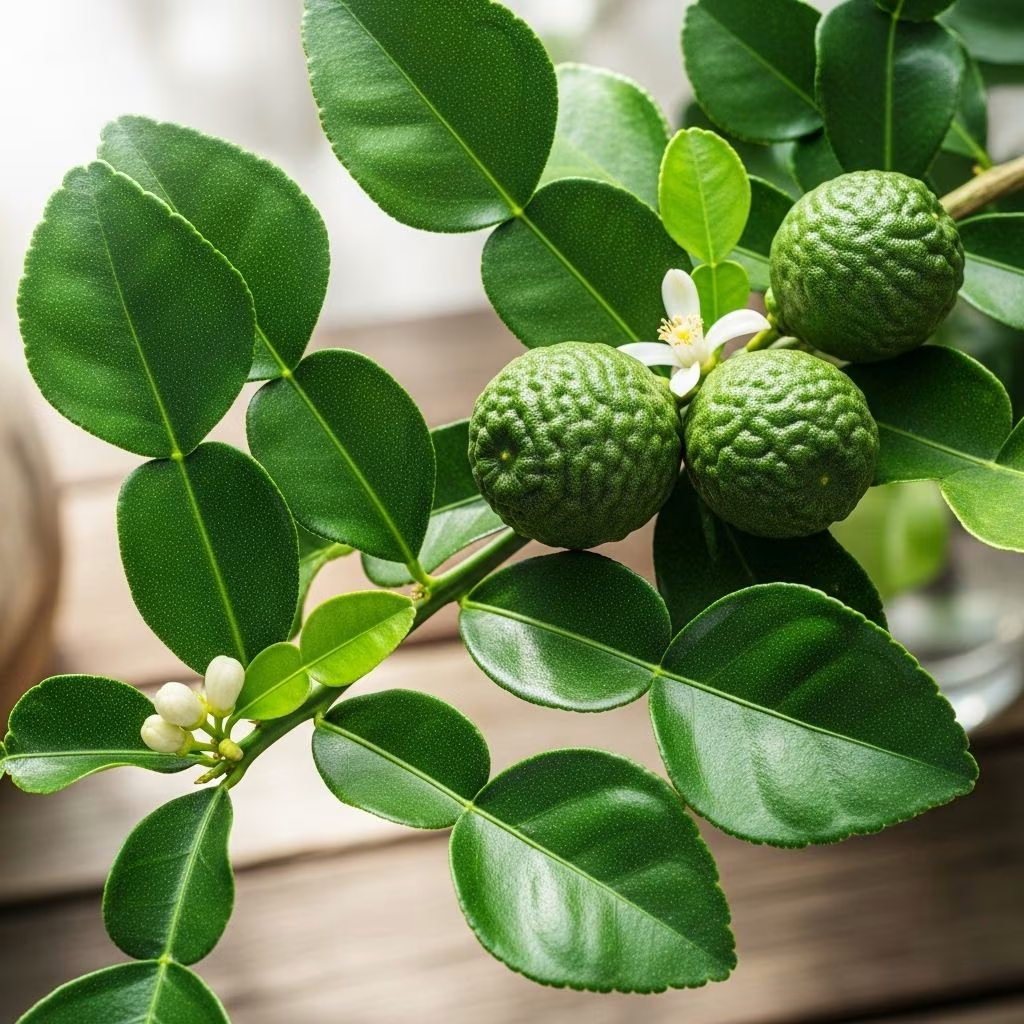
Kaffir lime leaves, scientifically known as Citrus hystrix, are a highly aromatic and distinctive ingredient common in traditional Asian cooking. They originate from the kaffir lime tree, native to Southeast Asia, particularly in countries like Laos, Myanmar, Thailand, and other parts of South Asia.
The leaves are distinguished by their dark green, glossy appearance and a double-lobed shape, resembling an hourglass or two leaves fused together. This unique appearance makes them easily recognizable among other herbs.
Taste and Flavor of Kaffir Lime Leaves
Kaffir lime leaves are renowned for their intense, citrusy aroma and flavor, which is often described as refreshing and zesty, with a hint of floral notes. The flavor profile is vibrant and citrus-forward, with a slight earthy undertone, making it distinct from common lime flavors.
The leaves are much less bitter than other citrus leaves like bay leaves, contributing to their versatility in both savory and sweet dishes. Their unique flavor profile is difficult to substitute with other spices, making them an indispensable ingredient in Southeast Asian cuisine.
Uses of Kaffir Lime Leaves in Cooking
Kaffir lime leaves are primarily used as a flavor and aromatic enhancer in various dishes. They can be used whole, sliced thinly, or torn into pieces to release their essential oils. The leaves are commonly bruised and added to soups, curries, or sauces to infuse their flavor. Because they can be tough and chewy, the leaves are usually removed before serving.
Their use extends beyond cooking; they can also add a unique twist to desserts, marinades, and beverages.
Benefits of Kaffir Lime Leaves
Beyond their culinary use, kaffir lime leaves offer several benefits. They are not only a flavorful addition to dishes but also have medicinal properties. The essential oils in kaffir lime have been used in traditional wellness practices for their potential health benefits.
Culinary Uses and Traditional Dishes
Kaffir lime leaves are a staple ingredient in Thai, Indonesian, Malaysian, and Cambodian cuisines. Here are some of the traditional dishes where kaffir lime leaves play a key role:
- Tom Yum Soup: A classic Thai spicy and sour soup where kaffir lime leaves add a citrusy depth.
- Green Curry: A Thai curry dish where the leaves enhance the flavor of coconut milk and spices.
- Rendang: A popular Malaysian dish made with meat cooked in coconut milk and spices, where kaffir lime leaves add a unique flavor.
- Soto Ayam: An Indonesian chicken soup where kaffir lime leaves contribute to the aromatic broth.
- Kroeung: A Cambodian spice/herb paste used in various dishes, including amok and kroeung-based curries.
Cultural Significance
Kaffir limes and their leaves hold deep cultural significance, particularly in Thai culture. They are used in spiritual cleansings and rituals to purify spaces and protect against negative energies. The citrus scent is believed to promote peace and well-being, making them a key element in Buddhist ceremonies and house blessings.
Frequently Asked Questions
Q: What does the term “Kaffir lime” refer to?
A: Kaffir lime refers to the fruit of the Citrus hystrix tree, and its leaves are used as an aromatic in cooking. The term “kaffir” is a historical term used in Southeast Asia and is not related to the term “kaffir” used derogatorily in other contexts.
Q: How do I store kaffir lime leaves?
A: Kaffir lime leaves can be stored in an airtight container in the refrigerator for up to a week. They can also be frozen for longer storage.
Q: Can I substitute kaffir lime leaves with other herbs?
A: Kaffir lime leaves have a unique flavor that is difficult to substitute with other herbs. However, in a pinch, you might use other citrus leaves or lemongrass as a partial substitute.
Q: Are kaffir lime leaves safe to eat?
A: Kaffir lime leaves are generally safe to use in cooking, but they are typically removed before serving because they can be tough and fibrous. They should be used in moderation and as part of a balanced diet.
Q: Can I grow my own kaffir lime tree?
A: Yes, you can grow a kaffir lime tree if you live in a warm, humid climate. The tree is sensitive to cold and frost, so it may require protection in colder regions.
References
- https://www.thechefandthedish.com/post/what-are-kaffir-lime-leaves
- https://specialtyproduce.com/produce/Kaffir_Limes_6499.php
- https://chefin.com.au/dictionary/kaffir-lime-leaves/
- https://maejum.com/blogs/herbs-spices/get-to-know-thai-kaffir-lime
- https://en.wikipedia.org/wiki/Kaffir_lime
- https://citrusvariety.ucr.edu/crc2454
- https://hot-thai-kitchen.com/kaffir-lime-leaves-101/
- https://www.cambridgebee.com/blogs/news/kaffir-lime-leaves-unveiled-the-citrus-hystrix-trees-flavorful-and-fragrant-gifts-to-the-culinary-world
- http://gernot-katzers-spice-pages.com/engl/Citr_hys.html


