


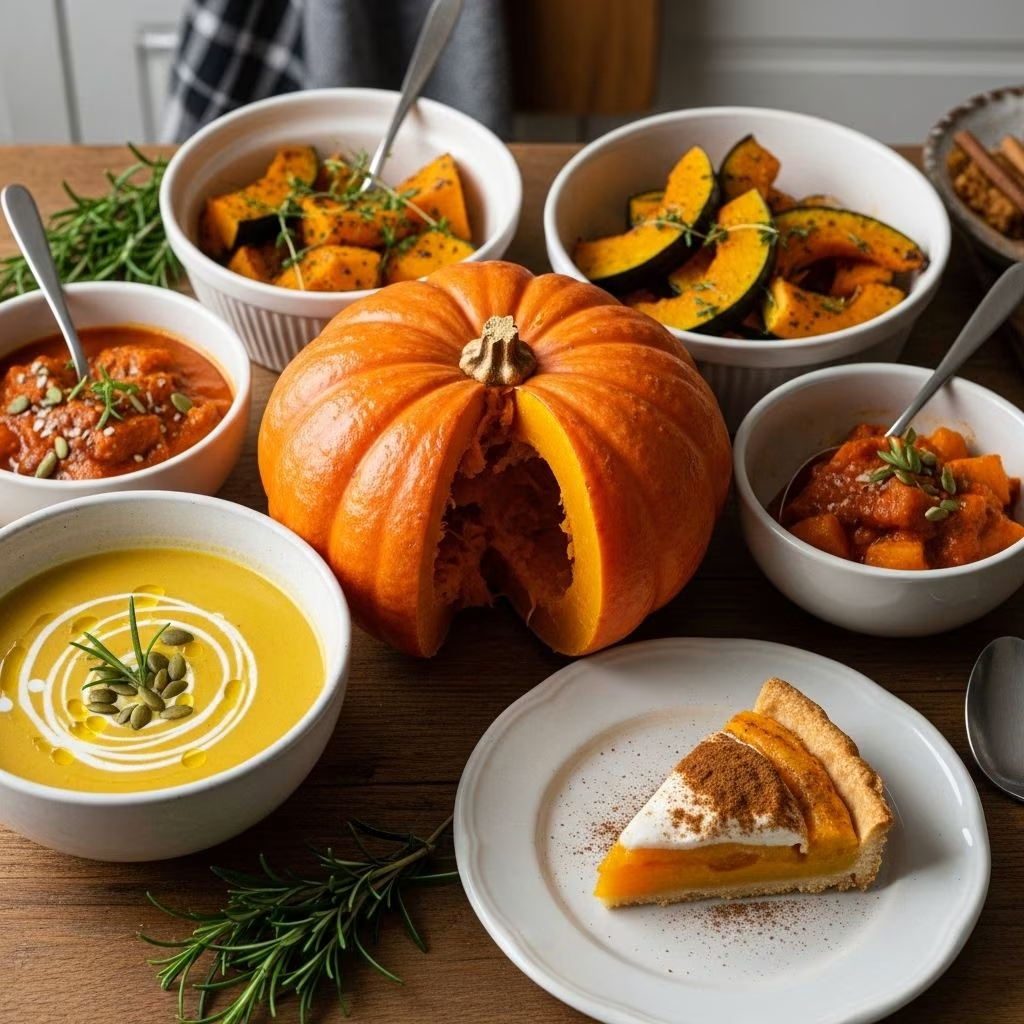
Kabocha squash, often called Japanese pumpkin, is celebrated for its sweet, nutty flavor and creamy texture. This versatile winter squash is beloved in Asian, American, and fusion cuisines, providing rich nutrition and culinary flexibility. Whether you want a simple roasted side, creamy soups, or crave something globally inspired, mastering Kabocha squash preparation opens a world of delicious possibilities. In this comprehensive guide, you’ll learn the secrets of buying, prepping, cooking, and serving Kabocha squash—plus discover the best recipes and expert tips for perfect results every time.
What Is Kabocha Squash?
Kabocha squash, also known as Japanese pumpkin, is a round winter squash with a dull, deep green skin and vibrant orange flesh. It is prized for its natural sweetness and dry, smooth, chestnut-like flavor profile. Unlike some squashes, the thin skin becomes tender during cooking and can often be eaten. Kabocha squash is widely used in Japanese cuisine, but its popularity is spreading globally due to its unique taste and texture.
Nutrition and Health Benefits
- Low in calories: One cup of cooked Kabocha squash contains about 49 calories.
- Fiber-rich: Supports digestive health.
- High in vitamin A: Contains beta-carotene, essential for eye and immune health.
- Source of vitamin C: Boosts immunity and collagen formation.
- Good potassium content: Supports heart health and fluid balance.
This nutrient profile, along with antioxidants, makes Kabocha squash both a healthy and delicious ingredient in seasonal cooking.
How to Select and Store Kabocha Squash
- Choose a heavy squash: A ripe Kabocha feels heavy for its size—indicating dense, moist flesh.
- Check the skin: Look for dull, deep green skin with few blemishes. Small bumps and roughness are normal.
- Stem matters: A dry, corky stem means freshness. Avoid squashes with mold or soft spots.
- Storage: Store whole Kabocha in a cool, dark place for up to a month. Once cut, wrap tightly and refrigerate for up to 5 days.
How to Prep Kabocha Squash: Cutting, Peeling, and More
Cutting Kabocha squash can be intimidating due to its firm skin, but proper technique ensures safety and ease:
- Wash thoroughly: Scrub the skin well, as it is often eaten.
- Stabilize for safety: Place the squash on a cutting board, cut a small sliver from the bottom to stabilize, if needed.
- Cut in half: Use a sharp, heavy chef’s knife; insert the knife at the top and rock gently downward.
- Scoop out seeds: Use a spoon or grapefruit spoon to remove seeds and stringy membranes.
- Peeling (optional): Kabocha skin becomes tender when cooked. Peel only if a recipe requires it, using a vegetable peeler or sharp knife.
Pro tip: To make cutting easier and reduce the risk of the knife slipping, microwave the whole squash for 2-3 minutes or bake at 350°F for 10 minutes to soften the skin slightly before slicing. Let it cool a bit before handling. This especially helps if you have limited hand strength or a small knife.
How to Cook Kabocha Squash (3 Best Methods)
Kabocha squash is exceptionally versatile and can be cooked using various methods that highlight its sweet flavor and creamy texture. Here are three popular and effective cooking techniques:
| Method | Instructions | Pros | Ideal For |
|---|---|---|---|
| Oven Roasting | Cut squash into wedges or cubes, toss with oil, salt, and pepper; bake at 400°F for 20–45 minutes depending on size/cut, flipping halfway. | Caramelized edges, holds shape, deep flavor. | Simple side dishes, salads, grain bowls |
| Slow Cooker | Wash squash, place whole (uncut) in slow cooker, set to low for 5–6 hours until tender. Cool, halve, scoop seeds, peel if desired. | Hands-off, no need to cut beforehand, no oil needed. | Soups, purees, meal prep |
| Instant Pot / Pressure Cooker | Pierce skin, place whole squash on steamer basket with 1 cup water, cook on high pressure for 20 minutes. Quick release, then halve and scoop. | Fast, retains nutrients, easy cleanup. | Soups, mashed squash, quick prep |
Step-by-Step: Roasted Kabocha Squash
- Preheat oven to 400°F and line a baking sheet with parchment paper;
- Slice washed Kabocha into 1-inch half-moons or cubes;
- Toss with olive oil, salt, and pepper. Add maple syrup or tamari for variation;
- Arrange in a single layer and roast 20 minutes for cubes, 40 minutes for half-moons, flipping halfway;
- Squash is ready when fork-tender and caramelized at edges. Optionally, roast seeds tossed with oil and seasoning beside the squash for the last 10–15 minutes.
Best Kabocha Squash Recipes
These standout Kabocha squash recipes show off its sweetness and adaptability across cuisines:
1. Simple Roasted Kabocha Squash
- Ingredients: 1 Kabocha squash, olive oil, salt, pepper.
- Optional Additions: Maple syrup, tamari, cinnamon, chili garlic sauce.
- Instructions: Cut into cubes or wedges, toss with oil and seasoning, roast at 400°F. For a hint of sweetness, brush with maple syrup and sprinkle with cinnamon during roasting; for a savory kick, blend tamari and chili garlic sauce into a glaze.
2. Maple Sugar Roasted Kabocha Squash
- Ingredients: Kabocha squash, olive oil, maple sugar, salt, pepper.
- Instructions: Toss cubed squash with oil, maple sugar, salt, and pepper. Roast 30 minutes at 400°F, flipping halfway, until caramelized and sweet.
3. Kabocha Squash Coconut Curry
- Ingredients: Roasted Kabocha squash, coconut milk, curry paste, garlic, onion, ginger, broth, vegetables as desired.
- Instructions: Sauté aromatics, add coconut milk, curry paste, and vegetables; simmer until tender. Add roasted Kabocha squash at the end and melt into the sauce for creamy curry flavor.
4. Kabocha Squash Soup
- Ingredients: Roasted or steamed Kabocha squash, onion, garlic, ginger, vegetable broth, coconut milk or cream, spices (e.g., cumin, coriander, cinnamon).
- Instructions: Sauté aromatics, add cooked squash and broth, blend until smooth, finish with coconut milk and adjust seasoning.
5. Kabocha Squash Mash
- Instructions: Scoop roasted flesh from skin, mash with fork or potato masher. Season with butter or olive oil, salt, and optional herbs or nutmeg.
6. Roasted Kabocha Seeds
- Instructions: Clean and dry seeds, toss with oil, salt, and pepper, roast at 400°F for 10–15 minutes, stirring once. For flavored seeds, add tamari or a pinch of smoked paprika.
7. Japanese Simmered Kabocha
- Instructions: Simmer Kabocha cubes in dashi (or vegetable stock), soy sauce, mirin, and sugar until tender. Serve warm as a classic Japanese side.
Seasoning and Serving Tips
- Sweet & Savory Options: For sweetness, try maple syrup, brown sugar, or cinnamon. For savory, use chili, curry spices, smoked paprika, rosemary, or sage.
- Asian Flair: Tamari/soy sauce, sesame oil, ginger, miso, or shichimi togarashi elevate Kabocha’s flavor.
- Creative Uses: Add roasted cubes to salads, grain bowls, tacos, or blend into pasta sauces for a healthier, creamy texture.
- Garnishes: Top with toasted seeds, yogurt, chopped herbs, or a drizzle of citrus for extra flavor and texture.
Storing and Reheating Leftovers
- Refrigeration: Store cooked Kabocha squash in an airtight container up to 5 days.
- Freezing: Roasted or pureed squash freezes well for up to 3 months.
- Reheating: Gently reheat in the oven, toaster oven, or microwave until warmed through.
Frequently Asked Questions (FAQs)
Q: Can you eat Kabocha squash skin?
A: Yes—Kabocha skin becomes tender when cooked and provides extra nutrition. Simply scrub before cooking.
Q: What does Kabocha squash taste like?
A: Its flavor is sweet, nutty, and reminiscent of chestnuts or sweet potato, with a creamy, non-stringy texture.
Q: How do you make Kabocha squash easier to cut?
A: Microwave the whole squash for 2–3 minutes or pre-bake at 350°F for 10 minutes to soften the skin before slicing.
Q: What’s the best method for meal prep?
A: Use the slow cooker or pressure cooker for hands-off and large-batch preparation; roasted Kabocha also works well for meal prepped salads and bowls.
Q: Are Kabocha squash seeds edible?
A: Yes! Clean, season, and roast them like pumpkin seeds for a crispy, nutritious snack.
Cooking Kabocha Squash Like a Pro
- Always select ripe, heavy squashes with deep green skin.
- Try oven roasting for bold flavor or instant pot for speedy prep.
- Experiment with both classic and global seasonings to find your favorites.
Kabocha squash turns simple dishes into memorable meals. Now that you know the best cooking methods and recipes, bring this sweet, healthy ingredient into your warm seasonal dishes—and enjoy the perfect bite every time!
References
- https://www.rachelcooks.com/how-to-cook-kabocha-squash/
- https://tastythriftytimely.com/simple-roasted-kabocha-squash/
- https://www.loveandlemons.com/roasted-kabocha-squash/
- https://www.youtube.com/watch?v=V1Nho2DTHvs
- https://www.eatingbyelaine.com/maple-sugar-roasted-kabocha-squash-recipe/
- https://www.justonecookbook.com/deliciously-easy-kabocha-squash-recipes/
- https://cookingforpeanuts.com/roasted-kabocha-squash-recipe/


