


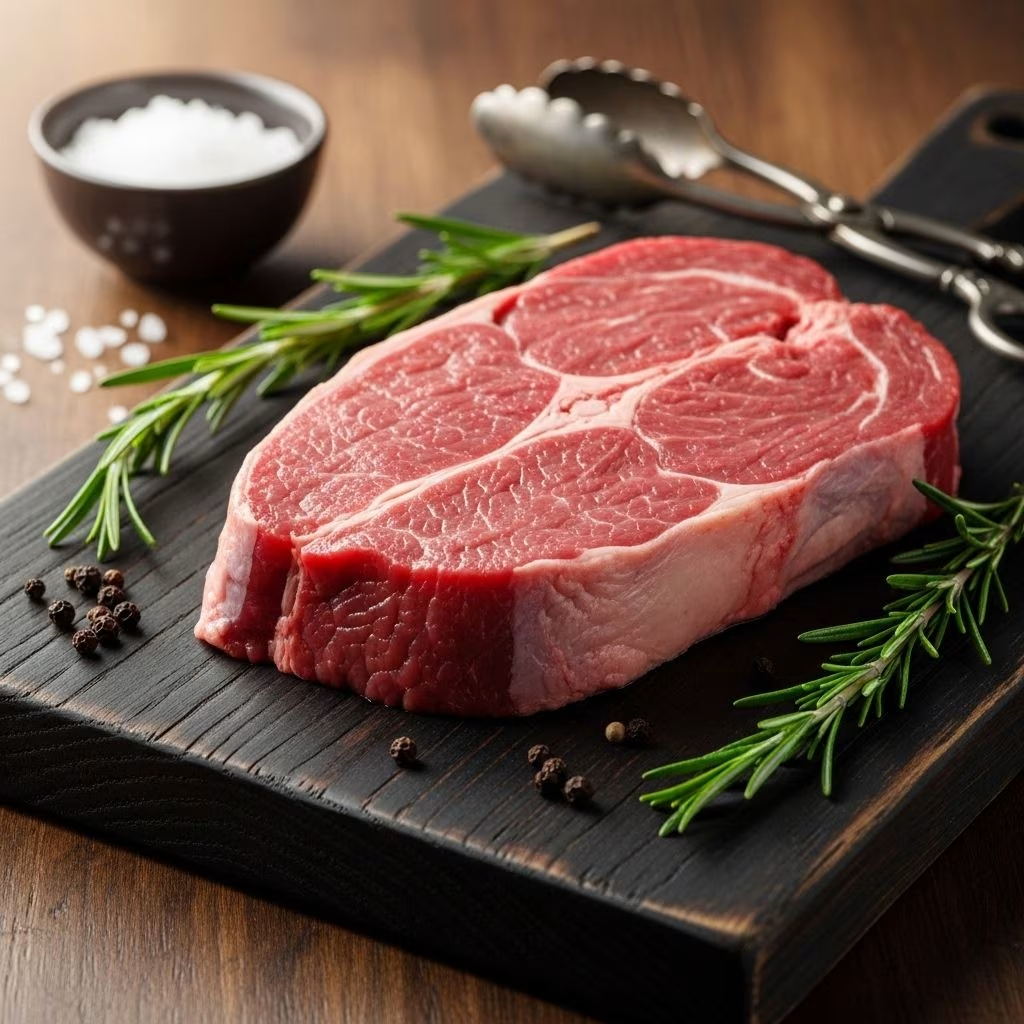
Kangaroo meat is a lean, nutrient-dense red meat sourced from wild kangaroos native to Australia. Prized for its health attributes and unique flavor, kangaroo meat has transitioned from historic Indigenous use to a modern, sustainable food choice that is gaining recognition worldwide.
Overview and History
Kangaroo meat is derived from several species of wild kangaroo in Australia. Traditionally a staple in the diet of Indigenous Australians for over 40,000 years, the meat was prized for its nutritional value and abundance in the wild. Commercial harvest for human consumption began in earnest in the late 20th century, and today it is legal and increasingly available across Australia and select international markets. The grazing and harvesting of wild kangaroos also differentiates this meat from farm-raised alternatives, offering distinct ecological and quality advantages.
Nutritional Profile of Kangaroo Meat
Kangaroo meat stands out for its exceptional nutrition. It can be considered a true “superfood” due to the dense concentration of high-quality nutrients, low-fat content, and essential bioactive compounds. Below is a comprehensive overview of its main nutritional attributes:
- High in Protein: Contains about 23.2% protein per 100g—significantly higher than beef (19%).
- Low in Fat: Approximately 2.6% fat, much lower than beef or lamb.
- Low Calories: Around 116 kilocalories per 100g, suitable for calorie-conscious diets.
- Rich in Essential Nutrients:
- Iron: Highly bioavailable heme iron for oxygen transport and energy.
- Zinc: Important for immune, cellular, and reproductive health.
- B Vitamins: Especially B12 for nerve and blood health; also provides thiamine and riboflavin.
- Selenium: Antioxidant support for cell protection and thyroid function.
- Packed with phosphorus and potassium.
- Rich in Omega-3 Fatty Acids: Contains more omega-3s than most red meats, supporting cardiovascular health.
- Conjugated Linoleic Acid (CLA): High levels of CLA—a type of fat associated with anti-obesity, anti-cancer, and anti-diabetes properties.
- All Essential Amino Acids: Kangaroo meat delivers a complete amino acid profile, so it supports muscle repair and metabolic wellness.
Nutritional Comparison Table
| Meat | Protein (per 100g) | Fat (per 100g) | Calories (per 100g) | Key Nutrients |
|---|---|---|---|---|
| Kangaroo | 23.2g | 2.6g | 116 | Iron, Zinc, B12, Omega-3, CLA |
| Beef | 19.0g | 15.8g | 218 | Iron, Zinc, B12 |
| Lamb | ~18.0g | 21.0g | ~294 | Iron, B vitamins |
| Chicken | 22.0g | 3.0g | 120 | B vitamins |
Major Health Benefits
Kangaroo meat promises a range of health advantages, making it an appealing choice for many dietary goals and lifestyles.
- Supports Muscle Growth: High biological value proteins and all essential amino acids make it ideal for athletes and those seeking muscle repair or maintenance.
- Heart Healthy: Extremely low in saturated fats, high in unsaturated fats (mainly omega-3s), and low cholesterol support cardiovascular well-being.
- Weight Management: With a very low calorie and fat profile, kangaroo meat is suitable for those looking to lose or manage weight.
- Aids Energy and Stamina: Iron and B12 content enhance red blood cell formation, oxygen delivery, and endurance.
- Antioxidant and Immune Boost: Selenium and zinc help protect cells and strengthen the immune system.
- Potential Anti-cancer and Metabolic Benefits: CLA content is associated with lower risks of certain cancers and metabolic disorders.
Environmental Advantages
Unlike many conventionally farmed meats, kangaroo meat offers significant sustainability credentials:
- Wild Harvested: Kangaroos graze native grasses on the wild Australian landscape, requiring no deforestation, intensive farming, or supplementary feeding.
- Low Ecological Impact: Their soft feet are less damaging to fragile soils than livestock like sheep and cattle.
- Reduced Methane Emissions: Kangaroos naturally produce much less methane—a potent greenhouse gas—compared to ruminants.
- Biodiversity and Land Health: Native grazers are better adapted to the harsh Australian environment and help maintain ecosystem balance.
- Ethical Harvest: Government-regulated culling ensures populations remain stable without artificial industrial breeding, minimizing animal welfare concerns.
For eco-conscious consumers, choosing kangaroo meat is a small way to help minimize the carbon footprint of a meat-based diet while enjoying excellent nutrition.
Culinary Uses and Preparation
Kangaroo meat’s leanness and rich flavor profile open up diverse culinary possibilities. It is available in various cuts including:
- Fillets and steaks
- Mince (ground meat)
- Sausages (“kanga bangas”)
- Stew cuts and kebab pieces
Cooks prize it for grilling, barbecuing, roasting, or quick searing. Due to its low fat content, special care is needed to avoid overcooking, which can lead to toughness.
Tips for Cooking Kangaroo Meat
- Do not overcook: Medium-rare is ideal for most cuts; overcooked kangaroo becomes dry.
- Marinate: Marinating before cooking can enhance tenderness and flavor complexity.
- Rest after cooking: Let steaks and fillets rest before slicing to keep juices locked in.
- Pairing: Kangaroo’s robust flavor goes well with native Australian spices, berry sauces, and bold red wines.
Global chefs are increasingly incorporating kangaroo into fusion dishes, burgers, stir-fries, and creative charcuterie boards.
Taste and Texture
Kangaroo meat possesses a distinctive red meat flavor that is often described as:
- Robust and gamey, but not overpowering
- Rich, earthy, with subtle sweetness
- Tender and juicy when cooked correctly, though can be somewhat chewier than fatty cuts of beef
The mildness varies depending on the cut and preparation. The flavor profile appeals to adventurous eaters who enjoy wild game, but it remains accessible for most palates—especially in marinated, spiced, or blended dishes.
Consumer Acceptance and Challenges
While the benefits are clear, a few factors have impacted widespread acceptance of kangaroo meat:
- Cultural stigma: Some Australians and diners abroad may have emotional or cultural hesitations about eating native wildlife.
- Historical restrictions: Until the 1980s–1990s, most states limited kangaroo meat for human consumption, further delaying mainstream adoption.
- Limited awareness: Education is required regarding its nutrition, safety, and sustainable harvesting.
Increasing availability in supermarkets, restaurants, and specialty butchers is gradually changing perceptions. Awareness initiatives highlight both the health and ecological merits of consuming this unique meat source.
Kangaroo Meat vs. Other Meats
| Feature | Kangaroo | Beef | Lamb | Pork |
|---|---|---|---|---|
| Fat Content | Very Low | High | High | Moderate |
| Calories | Low | High | Very High | High |
| Omega-3 | High | Low | Low | Low |
| Sustainability | Excellent (Wild, low emissions) | Poor | Poor | Poor |
Frequently Asked Questions (FAQs)
Q: Is kangaroo meat safe to eat?
A: Yes, kangaroo meat is safe when harvested and handled under strict Australian government regulations. Proper cooking ensures food safety, just like with any meat.
Q: How do you cook kangaroo meat to prevent it from being tough?
A: Cook kangaroo meat quickly over high heat and serve medium-rare. Allow it to rest before slicing to maintain tenderness. Avoid overcooking to prevent dryness.
Q: Does kangaroo meat taste like beef?
A: While both are red meats, kangaroo is leaner, with a slightly gamey and earthy flavor. It is less fatty but still rich and savory, making it suitable for recipes that use beef, with minor adjustments.
Q: Is kangaroo meat good for weight loss diets?
A: Absolutely. Its low fat and calorie content, high protein, and full nutrient profile make it an excellent option for those seeking to lose or manage weight while maintaining muscle mass.
Q: What are the environmental benefits of choosing kangaroo meat?
A: Kangaroos are wild, produce less methane, and require no land clearing or intensive farming, making kangaroo meat one of the most environmentally friendly red meat options available.
Q: Is kangaroo meat suitable for people with specific dietary restrictions?
A: Kangaroo meat is well tolerated by most people, is gluten-free, paleo- and keto-friendly, and is a particularly good choice for low-fat and high-protein diets.
References
- https://www.northforkbison.com/kangaroo-meat-benefits/
- https://vitatree.com.au/blogs/vitatree-healthy-hub/kangaroo-essence-the-superfood-powerhouse-for-mens-health
- https://en.wikipedia.org/wiki/Kangaroo_meat
- https://au.kakaduaustralia.com/blogs/blogs/discover-the-benefits-of-eating-kangaroo-a-true-australian-delight
- https://www.daleynutrition.com/beef-vs-kangaroo-meat/
- https://www.menshealth.com/nutrition/a19534609/apparently-you-should-be-eating-kangaroo-meat/
- https://www.sustainabletable.org.au/journal/kangaroo
- https://farmers.org.au/blog/3-reasons-why-kangaroo-is-australias-most-underrated-meat/


