


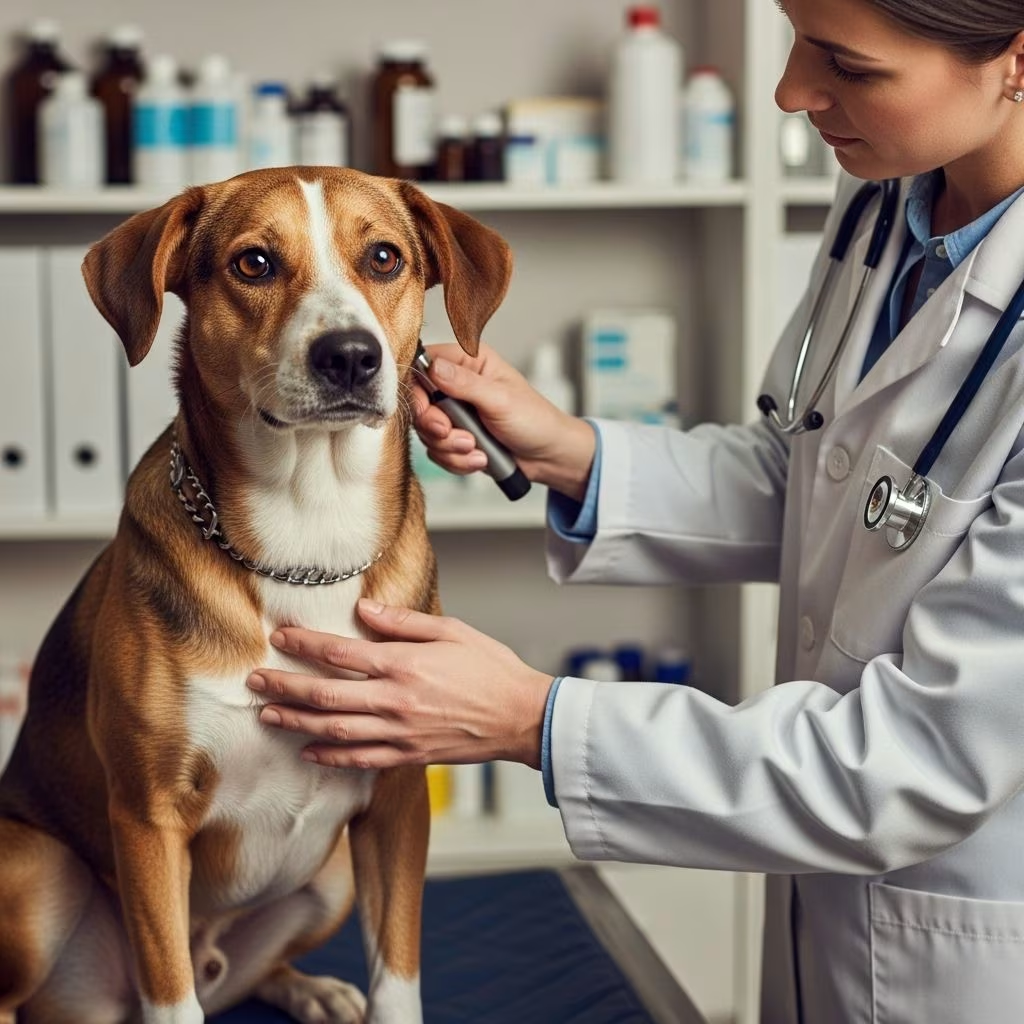
Kennel Cough Treatment: Comprehensive Care and Prevention for Your Dog
Kennel cough, also known as canine infectious tracheobronchitis, is a common and highly contagious respiratory disease in dogs. This detailed guide examines kennel cough’s causes, symptoms, transmission, conventional and holistic treatments, supportive home care, and effective prevention strategies to help keep your dog happy and healthy.
What is Kennel Cough?
Kennel cough is an upper respiratory infection. Its medical term, infectious tracheobronchitis, stems from inflammation of the trachea and bronchi caused by a range of viral and bacterial pathogens. The disease spreads rapidly in areas where multiple dogs congregate—such as dog parks, boarding facilities, training classes, and shelters.
What Causes Kennel Cough?
Kennel cough is usually caused by a combination of bacteria and viruses. The most notable culprit is the bacterium Bordetella bronchiseptica. However, in many cases, other viruses are also involved:
- Bordetella bronchiseptica (primary bacterium)
- Canine parainfluenza virus
- Canine adenovirus type 2
- Mycoplasma species
- Canine respiratory coronavirus
These pathogens damage the lining of the respiratory tract, making it easier for secondary infections to take hold and intensify symptoms.
Recognizing Kennel Cough Symptoms
Identifying kennel cough early allows for better management and helps prevent spreading it to other dogs. Classic symptoms include:
- Persistent, dry, hacking cough that sometimes sounds like honking
- Gagging or retching (as if trying to clear the throat)
- Watery nasal discharge
- Mild fever
- Occasionally, lethargy and loss of appetite
The cough may worsen with excitement, physical activity, or pressure on the trachea (such as pulling on the collar). In most cases, infected dogs remain alert and active with a normal appetite.
How Kennel Cough Spreads
Kennel cough is primarily airborne, transmitting swiftly via respiratory droplets when an infected dog coughs or sneezes. Possible transmission routes include:
- Direct contact—nose to nose, sniffing, or licking
- Indirect contact—shared food/water bowls, toys, bedding
- Aerosolized droplets in confined or poorly ventilated spaces
The incubation period is typically 2–14 days after exposure. Dogs are most contagious in the early stages and can continue shedding pathogens for weeks after symptoms resolve.
Risk Factors for Kennel Cough
While any dog can contract kennel cough, certain situations increase risk:
- Boarding kennels, doggy day cares, grooming facilities
- Dog shows or competitions
- Training groups or crowded dog parks
- Youth (puppies and young dogs) or old age (senior dogs)
- Weakened immune systems
Maintaining strong immune health and up-to-date vaccinations reduces risk.
Kennel Cough Treatment Options
The appropriate treatment approach depends on the severity of the disease and your dog’s overall health. Severity can range from mild, self-limiting illness to complicated respiratory infections requiring veterinary intervention.
Mild Kennel Cough: At-Home Supportive Care
Most cases of kennel cough are mild and resolve without complicated intervention. Key supportive strategies at home include:
- Plenty of rest: Minimize activity to help healing and avoid triggering coughing fits.
- Hydration: Ensure fresh water is always available. Wet or moistened food may be more appealing if the throat is sore.
- Humidified air: Use a humidifier or take your dog into a steamy bathroom for 10–15 minutes to soothe irritated airways.
- Honey (if approved by your vet): Raw, unpasteurized honey can coat the throat and offer relief for some dogs (avoid in puppies under 12 months or diabetic dogs).
- Avoid neck strain: Switch to a harness if you need to walk your dog; collars can irritate the trachea and worsen cough.
- Isolation: Keep your dog at home and away from other dogs to prevent spreading the infection.
Monitor closely for any signs of complications, especially in puppies, seniors, or immune-compromised dogs.
Veterinary Intervention for Moderate to Severe Cases
If your dog exhibits more severe symptoms, such as high fever, notable lethargy, decreased appetite, labored breathing, or a cough that persists beyond 7–10 days, veterinary care is essential. Common interventions may include:
- Antibiotics: Prescribed if a bacterial component is present or to prevent secondary infections.
- Cough suppressants: May be prescribed if coughing is so severe it affects eating, drinking, or sleeping. Never give human medications unless specifically instructed by your vet.
- Bronchodilators: Used to help open airways and ease breathing if severe inflammation occurs.
- Nebulization or vapor therapy: Inhaled medications delivered via nebulizer, sometimes combined with antibiotics, can support recovery.
- IV fluids and oxygen therapy: In rare, severe cases, hospitalization for supportive care may be warranted (e.g., for dogs with pneumonia).
Table: Kennel Cough Treatment Approaches by Severity
| Severity | Typical Symptoms | Recommended Treatment |
|---|---|---|
| Mild | Hacking cough, no fever, normal appetite | Rest, fluids, humidifier, optional honey, isolation |
| Moderate | Cough with mild fever, slight lethargy, nasal discharge | Vet visit, cough suppressants, possible antibiotics |
| Severe | Persistent cough, high fever, lethargy, loss of appetite | Veterinary care, aggressive antibiotics, hospitalization, oxygen/IV fluids |
Holistic and Home Remedies
Some pet owners choose to complement conventional treatment with natural remedies. Always consult your veterinarian before introducing any new supplements, especially if your dog has underlying conditions. Options may include:
- Probiotics: Support immune function and gut health, especially if antibiotics are prescribed.
- Herbs and botanicals: Some herbs, such as licorice root and marshmallow root, are traditionally used to soothe the throat (consult with a holistic vet for guidance).
- Immune system boosters: Products targeting overall health may aid in faster recovery.
Recovery Timeline and Management
Kennel cough is usually self-limiting. Most dogs improve within 10–14 days. During recovery:
- Encourage adequate rest and limit excitement.
- Feed easily digestible, moist foods if appetite diminishes.
- Monitor for complications, including signs of pneumonia (increased cough, difficulty breathing, persistent fever).
- Keep newly-recovered dogs away from others for at least two weeks after symptoms stop, as they may still be contagious.
When to Contact Your Veterinarian
Contact your veterinarian if you notice:
- Persistent or worsening cough for more than a few days
- Labored or noisy breathing
- Fever not resolving
- Loss of appetite or lethargy
- Green/yellow nasal discharge
Prompt care can prevent complications, especially in puppies, senior dogs, or those with chronic respiratory conditions.
Prevention of Kennel Cough
While not all cases of kennel cough can be prevented, several strategies can dramatically reduce your dog’s risk:
- Vaccination: Vaccines are available for Bordetella bronchiseptica, parainfluenza, and adenovirus type 2. Discuss options with your vet, especially if your dog is frequently around other dogs.
- Good hygiene practices: Regularly clean and disinfect your dog’s food/water bowls, bedding, and toys.
- Facility standards: Choose boarding, grooming, and training facilities with robust cleaning protocols and good ventilation.
- Limit exposure during outbreaks: Avoid high-traffic dog environments when kennel cough is prevalent in your community.
Vaccination does not provide complete immunity, as multiple pathogens can cause kennel cough, but it can significantly reduce the severity and likelihood of infection.
Special Considerations: Puppies and Senior Dogs
Puppies and senior dogs are more vulnerable to complications. Their immature or compromised immune systems can allow kennel cough to progress to pneumonia. Any coughing in these age groups warrants a prompt veterinary evaluation.
Frequently Asked Questions (FAQs) about Kennel Cough
Q: How long does kennel cough last?
A: Most mild cases resolve within 10–14 days, although some coughs may linger for up to three weeks. Severe or complicated cases can take longer and may require veterinary intervention.
Q: Can kennel cough be transmitted to humans?
A: Kennel cough rarely affects humans. However, people with severely weakened immune systems may theoretically be at risk from Bordetella bronchiseptica exposure. This is extremely uncommon.
Q: Should a dog with kennel cough be walked?
A: Limit exercise and use a harness rather than a collar to avoid tracheal irritation. Avoid interaction with other dogs to prevent spreading the infection.
Q: Can cats catch kennel cough?
A: Bordetella bronchiseptica can occasionally infect cats, although symptoms are typically mild. Separate affected dogs from cats as an added precaution.
Q: Is kennel cough dangerous?
A: While most cases are mild, kennel cough can become serious if complications such as pneumonia develop, especially in puppies, seniors, or immunocompromised dogs. Rapid veterinary care is critical if your dog’s symptoms worsen.
Q: Should antibiotics always be given for kennel cough?
A: No, antibiotics are not necessary in every case. Kennel cough often has a viral component, and antibiotics only target bacteria. Vets may prescribe them to prevent or treat secondary bacterial infections.
Key Takeaways for Dog Owners
- Kennel cough is a common but usually mild respiratory disease in dogs, especially where dogs gather in groups.
- Most cases resolve with supportive care—rest, fluids, humidified air, and home management.
- Veterinary intervention is needed for severe, persistent, or complicated cases, or for vulnerable populations (puppies and seniors).
- Prevention through hygiene, limiting exposure, and vaccination is the best defense.
- Contact your veterinarian with any concerns or if symptoms escalate.
References
- https://www.guilfordjamestownvet.com/site/blog-greensboro-vet/2024/02/15/dog-kennel-cough-symptoms
- https://www.merckvetmanual.com/respiratory-system/respiratory-diseases-of-small-animals/kennel-cough
- https://peterdobias.com/blogs/blog/kennel-cough-treatment-in-dogs
- https://www.pierzvetclinic.com/services/blog/what-dog-owners-should-expect-when-it-comes-kennel-cough-treatment
- https://www.dogsnaturallymagazine.com/kennel-cough-treatment/
- https://allkindsvet.com/blog/kennel-cough/
- https://www.petmd.com/dog/conditions/respiratory/kennel-cough-dogs-what-are-symptoms-and-how-kennel-cough-treated
- https://www.akc.org/expert-advice/health/kennel-cough-in-dogs/


