


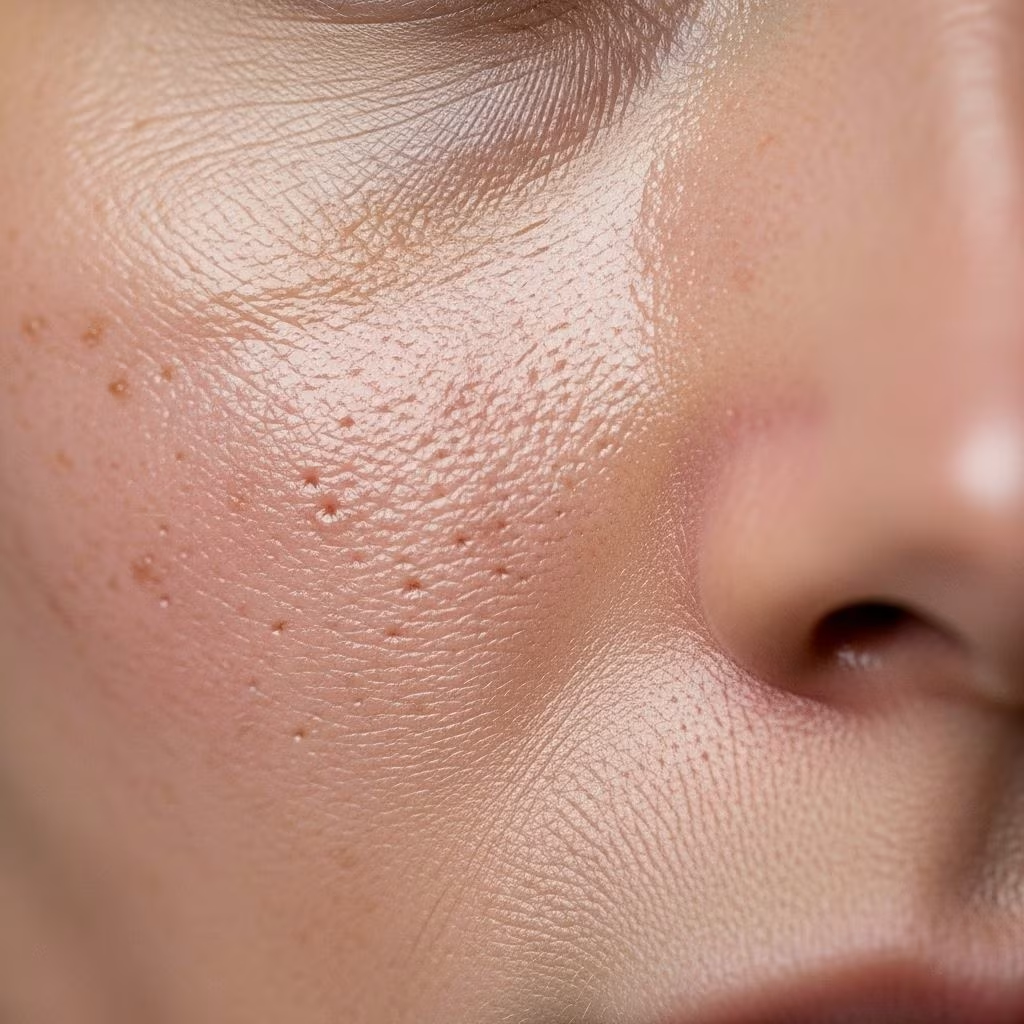
How to Get Rid of Small Holes on Face: Effective Solutions for Smoother Skin
Small holes, pits, or indentations on the facial skin—commonly called pockmarks—are a major cosmetic concern for many people. These noticeable imperfections result from various causes, ranging from acne to infections, and can impact self-esteem and skin health. Fortunately, advances in dermatology offer a range of effective treatments and prevention strategies to help minimize or eliminate these small holes, restoring a smoother complexion.
What Are Small Holes on the Face?
Small holes, or pockmarks, refer to visible indentations, pits, or craters in the skin’s surface. Dermatologically, these scars often have a sunken or concave shape and vary in size from a few millimeters to several centimeters. They occur most commonly on the face, where they are particularly noticeable due to the skin’s exposure and sensitivity.
Understanding Facial Pockmarks
- Pockmarks are depressed scars resulting from loss of tissue after skin damage
- They differ in depth and size depending on the severity and type of skin injury
- The most frequent locations include the cheeks, forehead, and around the mouth
Common Causes of Small Holes (Pockmarks) on the Face
There are several underlying causes responsible for the development of small holes or pockmarks on facial skin:
| Cause | Description |
|---|---|
| Acne | The most prevalent cause, especially severe or cystic acne. When deep pimples or cysts heal, they may leave behind pitted marks as collagen repair is disrupted. |
| Chickenpox and Infectious Diseases | Viral infections like chickenpox (and formerly smallpox) can cause scarring and small holes where blisters healed with tissue loss. |
| Bacterial Infections | Bacteria such as Staphylococcus or Streptococcus can form boils or infected follicles, which may result in scars if the deeper layers are affected. |
| Physical Trauma | Injuries, picking at lesions, or improper wound healing increases the risk of permanent depressions forming in the skin. |
| Other Medical Conditions | Conditions like syphilis or recurrent skin inflammation may also contribute to pockmark formation. |
Regardless of the cause, most pockmarks form because damage extends into the dermal layer, where repair involves collagen remodeling, sometimes resulting in disorganized, sunken scar tissue that contrasts with the surrounding healthy skin.
Treatment Options for Small Holes on Face
Several professional treatments are available to address pockmarks and help restore a smoother skin surface. The ideal option depends on the individual’s skin type, the severity of the scars, and underlying health factors. Consulting a dermatologist is essential to determine the best approach.
Chemical Peels
A solution containing acids (like glycolic acid or trichloroacetic acid) is applied to exfoliate the upper layers of skin. This process stimulates new, healthier skin growth.
- Best for mild to moderate surface scars
- Helps improve overall tone and texture
- Multiple sessions might be needed for optimal results
- Deeper peels require professional supervision due to higher risk of irritation and downtime
Microdermabrasion
Uses a machine with abrasive crystals or a diamond tip to mechanically exfoliate superficial skin layers.
- Minimally invasive with limited downtime
- Works well for shallow pockmarks and textural irregularities
- Often combined with other treatments for enhanced results
Dermabrasion
An intensive technique where the skin is resurfaced using a rapidly rotating instrument (wire brush or diamond wheel) to remove deeper skin layers. More effective than microdermabrasion for pronounced scars, but requires local or general anesthesia.
- Can lead to significant improvement but involves greater recovery time
- Suitable for medium to deep acne scars
- Risks include infection, altered pigmentation, and potential for new scarring
Laser Resurfacing
Lasers (including ablative and non-ablative types) are used to vaporize the skin’s top layers and stimulate collagen production in the underlying skin.
- Fractional lasers are less invasive with shorter recovery compared to ablative lasers
- Suitable for boxcar scars, not always effective on very deep or narrow (ice pick) scars
- Results in improved skin texture and reduced scar depth after a series of treatments
- Ablative lasers involve longer downtime and higher risks, but dramatic results
Microneedling (Collagen Induction Therapy)
Microneedling involves the use of fine needles to create micro-injuries in the scarred skin, stimulating the body’s natural collagen production to fill in pockmarks.
- Effective for various types of acne scars, especially rolling and boxcar types
- Minimal downtime; often repeated every 4–6 weeks
- Noticeable improvement after several sessions
Dermal Fillers
Injectable materials (such as hyaluronic acid or calcium hydroxylapatite) fill in deep pockmarks, making the skin surface appear smoother and more even.
- Immediate improvement, though most fillers are temporary (lasting months to a year)
- Some products (like Bellafill) offer effects lasting up to five years
- Most suitable for atrophic (depressed) scars
- Should be performed by a trained medical professional
Subcision
A minor surgical technique where a needle is inserted beneath the scar to break fibrous strands pulling the skin down, allowing the area to lift and smooth over time. Often combined with other treatments.
- Safe and effective for rolling scars and depressed areas
Additional Professional Treatments
- Punch excision/grafting: Tiny punch tools remove deep scars, followed by skin closure or grafting
- Prescription retinoids: Topical retinoids encourage skin renewal and may refine the appearance of mild scars over time
- Other resurfacing options: Radiofrequency, ultrasound, or plasma pen therapies may also be considered based on individual needs
Home Remedies and Lifestyle Tips
While home care cannot fully erase established pockmarks, consistent skin care helps minimize their visibility and prevent worsening. Some over-the-counter remedies and good habits to consider:
- OTC scar gels and creams: Products containing silicone, vitamin E, or centella asiatica may support healing and improve texture
- Proper cleansing: Cleanse skin gently, twice a day, with non-comedogenic (non-pore-clogging) products
- Daily sun protection: Always apply broad-spectrum sunscreen to prevent scars from darkening and help support healing
- Facial massage: Some evidence suggests gentle massage with oils or moisturizers can help improve skin pliability and texture over time
- Healthy diet: Focus on skin-supportive nutrients (vitamin C, zinc, protein) and adequate hydration for better overall healing
Natural Ingredients Often Recommended
- Aloe vera: Soothes skin and may aid minor wound healing
- Honey: Has natural antimicrobial effects and supports tissue repair
- Lemon juice: Mild astringent, but should be used cautiously to avoid irritation and phototoxicity
Note: Always patch-test new products and consult with a dermatologist if you are prone to allergies or have sensitive skin.
Prevention Strategies: How to Avoid Small Holes on the Face
Although some causes of pockmarks (like infections) are unavoidable, certain habits can reduce your risk of developing small holes and support smoother skin health long term:
- Avoid picking or popping pimples: This increases infection risk and worsens scarring
- Treat acne early: Seek medical help for persistent or severe acne to minimize inflammation and scar formation
- Prompt care for bacterial or viral infections: Early intervention and proper wound management reduce lasting skin damage
- Maintain a consistent skincare routine: Include gentle cleansing, regular exfoliation, and appropriate moisturizers for your skin type
- Use sun protection: UV exposure worsens scarring and slows skin healing
- Healthy lifestyle: Stay hydrated, eat a balanced diet, get enough sleep, and manage stress to promote natural skin repair
Frequently Asked Questions (FAQs)
Q: Can small holes on the face heal naturally over time?
Deep pockmarks rarely resolve fully on their own. Minor textural irregularities may improve somewhat with time, but most require targeted treatment for significant improvement.
Q: Which professional treatment gives the fastest results?
Fillers offer almost immediate improvement for depressed scars, but their effect is temporary. Laser resurfacing and microneedling provide longer-lasting results but require a series of sessions and recovery time.
Q: Is it safe to try chemical peels at home for pockmarks?
Mild, over-the-counter peels can be safe for surface improvements, but deeper or stronger chemical peels should always be performed by qualified medical professionals to prevent further skin damage.
Q: Are natural remedies effective for removing small holes?
Natural remedies may help with minor scar visibility and promote overall skin health but are unlikely to fully remove established pockmarks. They can complement, not replace, clinical treatments.
Q: How can I prevent pockmarks after acne?
Treat acne promptly with appropriate medications, avoid picking or squeezing lesions, and follow a routine that supports skin healing. Consult a dermatologist for persistent or severe breakouts.
Key Takeaways
- Small holes, or pockmarks, result from various causes and often require combined approaches for optimal improvement.
- Professional interventions like chemical peels, microneedling, laser resurfacing, dermal fillers, and subcision offer the best results for most types of scarring.
- Consistent daily skincare, sun protection, and healthy habits can prevent new scars and support skin healing.
- Expert assessment is critical to selecting the most effective, safe treatment strategy for your unique skin needs.
References
- https://www.medicalnewstoday.com/articles/320556
- https://teamdermatologymd.com/blog/what-are-pockmarks-causes-treatment-prevention-tips/
- https://skincancer-specialists.com/blog/causes-and-treatments-of-pockmarks/
- https://www.kolorshealthcare.com/blog/pockmarks-on-face-meaning-causes-best-treatments/
- https://my.clevelandclinic.org/health/diseases/21222-acne-scars
- https://www.healthline.com/health/beauty-skin-care/pockmarks
- https://my.clevelandclinic.org/health/diseases/22773-clogged-pores
- https://www.medicinenet.com/how_do_you_fix_holes_in_your_skin/article.htm
- https://www.webmd.com/skin-problems-and-treatments/acne/what-to-know-about-ice-pick-scars


