


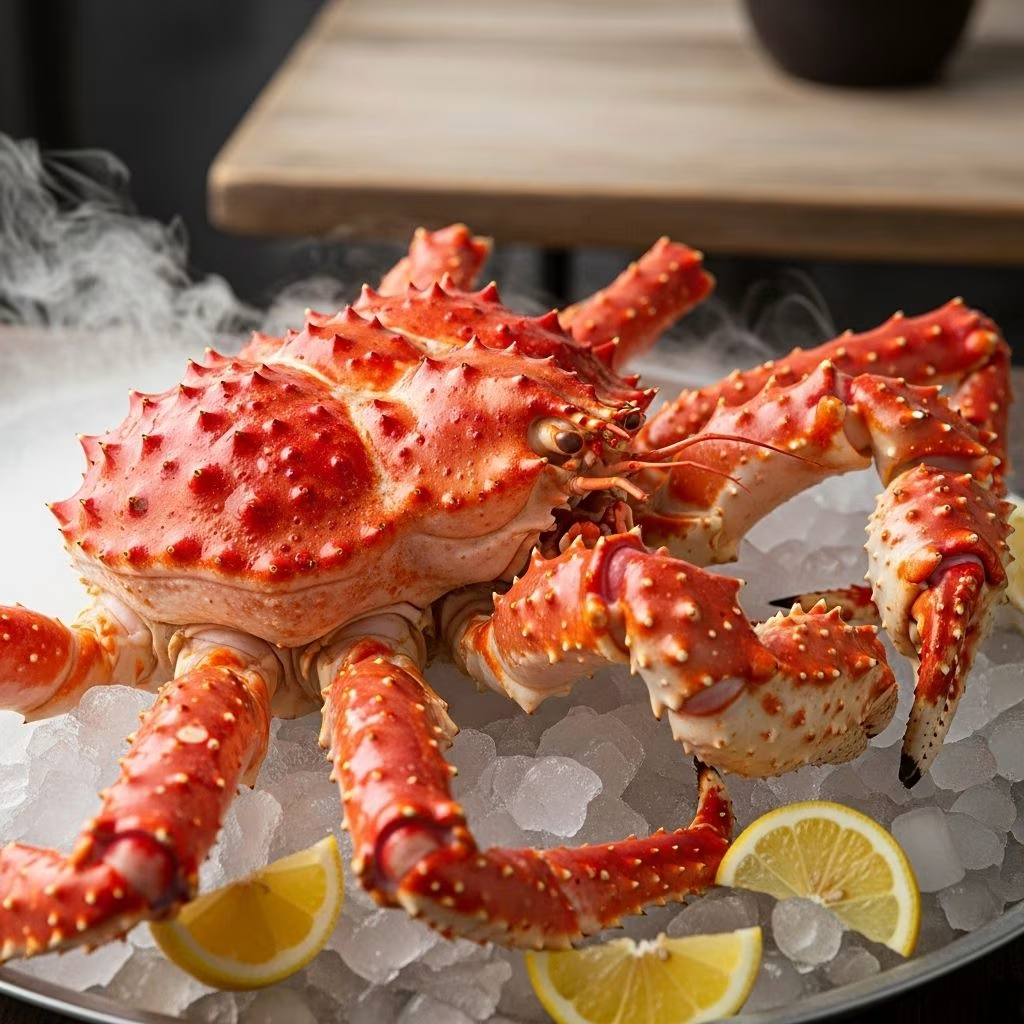
King crab is more than a seafood delicacy—it is a fascinating creature with a rich biological background, impressive nutritional benefits, and a highly valued place in the world’s culinary traditions. Whether you’re curious about where king crabs live, how they are caught, what makes their meat special, or how best to enjoy them, this in-depth guide provides a comprehensive look at everything you need to know about king crab.
Overview of King Crab
King crabs are among the world’s largest and most impressive crustaceans, celebrated for their sweet, succulent meat and remarkable appearance. Most commonly associated with cold, northern waters, king crabs are found in regions such as the Bering Sea, North Pacific, and coastal Alaska. Their imposing size and unique physiology, combined with their culinary reputation, have earned them the title of “king” among crabs.
- King crabs are characterized by large, spiny exoskeletons, long legs, and formidable claws.
- They are highly sought after in seafood markets due to their size and luxurious flavor.
- The term “king crab” typically refers to several species—in particular, the red king crab (Paralithodes camtschaticus), blue king crab, and golden king crab.
Biology and Species of King Crab
Physical Characteristics
King crabs have distinctive features that set them apart from other crab species:
- Largest commercially harvested crabs, with some individuals weighing over 24 pounds (10.9 kg) and spanning up to 5 feet (1.5 m) across the legs.
- Their coloration varies, ranging from brownish-blue to burgundy-red when alive, and turning bright red when cooked.
- Their shells are covered with sharp spines for protection.
- Possess five pairs of legs: four pairs for walking, and one specialized pair of claws for capturing and crushing prey. The right claw is usually larger and used for crushing, while the left is more slender and used for cutting.
- Females and males can be distinguished by the shape of their abdominal flaps: triangular in males and rounded or fan-shaped in females.
Main Species
| Species | Scientific Name | Typical Range | Size |
|---|---|---|---|
| Red King Crab | Paralithodes camtschaticus | Bering Sea, North Pacific, Gulf of Alaska | Up to 24 lbs; Leg span 5 ft |
| Blue King Crab | Paralithodes platypus | St. Matthew and Pribilof Islands, Alaska | Slightly smaller than red |
| Golden King Crab | Lithodes aequispinus | Aleutian Islands, Alaska | Smaller, golden shell, deep water |
Habitat and Life Cycle
Distribution and Preferred Environments
King crabs inhabit cold coastal waters, predominantly in the northern hemisphere:
- Native to the Bering Sea, Norton Sound, Aleutian Islands, Gulf of Alaska, and even parts of the North Pacific along Russia.
- They favor soft, muddy, sandy, or gravelly ocean floors up to 250 meters (820 ft) deep, but can sometimes be found as deep as 600 meters (1,900 ft).
- Throughout their lifecycle, king crabs migrate seasonally from shallower coastal waters to deeper offshore regions and back, mainly for reproduction and feeding.
Life Cycle and Reproduction
- Mating & Spawning: Occurs in shallow waters after females molt. Males fertilize the eggs, which are then carried by the female under her abdomen for up to a year.
- Larval Stage: Eggs hatch in spring, and the larvae float freely, feeding on phytoplankton and zooplankton for 2–3 months, passing through several molts.
- Settlement: After the final larval stage (glaucothoe), the young crabs settle to the seafloor, continue to molt, and gradually migrate to deeper and colder waters.
- Lifespan: While some king crabs can live up to 25–30 years, most do not survive this long due to predation and fishing.
Nutritional Benefits of King Crab
King crab is prized by nutritionists and health professionals for being a lean, protein-rich seafood with a range of vitamins and minerals. Its composition makes it an excellent choice for those seeking a nutritious, low-fat diet:
- High in quality protein: Essential for muscle growth and tissue repair.
- Low in fat and calories: Lean meat makes it a desirable option for heart-healthy diets.
- Rich in omega-3 fatty acids: Supports brain, heart, and joint health.
- Packed with vitamins and minerals: Including vitamin B12, zinc, copper, phosphorus, selenium, and magnesium.
- Low in mercury: Compared to some other seafood, making it safer for regular consumption.
| Nutrient | Per 100g Cooked King Crab |
|---|---|
| Calories | 97 |
| Protein | 19 g |
| Total Fat | 1.5 g |
| Omega-3 | ~200 mg |
| Vitamin B12 | ~10 mcg (over 400% RDA) |
| Zinc | ~7 mg (almost daily requirement) |
Uses of King Crab in Culinary Traditions
King crab’s high quality and distinctive meat have made it a luxurious centerpiece in global cuisines. Key characteristics of king crab in the kitchen include:
- Leg meat is the most prized, sought for its large, succulent pieces and ease of extraction.
- Claw meat is firmer and richer in flavor, ideal for specialty dishes.
- Body meat is also edible, though it requires more effort to extract.
Popular Dishes
- Steamed or boiled king crab legs, served with melted butter and lemon.
- Creamy king crab bisque or chowder.
- King crab sushi rolls and sashimi.
- Crab cakes and seafood salads.
- Asian dishes with garlic, ginger, chilies, and aromatic herbs, highlighting the sweet flavor of the crab.
- King crab added to pasta, risotto, or baked with cheese or breadcrumbs.
Beyond its use as a stand-alone dish, king crab meat can be incorporated into eggs benedict, tacos, soufflés, or as a garnish for steaks and luxury foods.
Taste and Texture of King Crab
One of king crab’s most distinguishing features is its texture and taste, second to none among its crustacean relatives.
- Taste: King crab meat is exceptionally sweet, delicate, and mildly briny. It lacks the fishy flavor found in some other seafood, making it appealing even to those new to shellfish.
- Texture: The meat is moist, tender, and has large flakes that set it apart from other crabs and lobsters. Leg meat is especially juicy and stringy, while claw meat is denser and richer.
- Cooking: When cooked properly, king crab flesh is soft, succulent, and easy to extract, especially from the legs, which are filled with long strips of meat.
Comparison Table: King Crab vs. Other Crustaceans
| Crustacean | Taste | Texture | Best Uses |
|---|---|---|---|
| King Crab | Sweet, mild, delicate | Moist, large flakes | Grilled, steamed, cold salads, sushi |
| Dungeness Crab | Slightly sweet, briny | Medium flakes | Salads, soups, crab cakes |
| Lobster | Sweet, clean | Firm, dense | Boiled, grilled, bisque |
Buying, Storing, and Preparing King Crab
How to Choose King Crab
- Most king crab is sold already cooked and frozen, as this helps preserve flavor and quality.
- Choose crab legs with thick shells and no visible freezer burn for the best meat texture.
- Fresh king crab is ideal but more difficult to find outside coastal regions.
Storing King Crab
- Refrigerate cooked king crab for up to 3 days.
- If not used within a few days, keep king crab in the freezer for up to 6 months for best flavor.
Preparation Tips
- King crab meat is already cooked when purchased frozen—focus on reheating gently to retain moisture.
- Steam, boil, bake, or grill as preferred. Avoid overcooking as it can dry out the meat.
- To extract meat, use kitchen shears to cut open the shells lengthwise.
- Discard the shell, cartilage, and gills—only the pure white to light pinkish meat is edible.
Sustainability and Fishing Practices
Because of their popularity and high value, king crabs are subject to strict management and conservation practices:
- Most king crab fisheries, especially in the US, are regulated to prevent overfishing, protect juveniles, and support long-term population health.
- Fishing seasons are tightly controlled, and minimum size and sex restrictions are enforced to allow juveniles and females with eggs to remain in the population.
- Some species, like red king crab from Alaska, are among the most sustainable seafood choices due to effective fisheries management.
- Responsible sourcing supports both local communities and marine environmental health.
Frequently Asked Questions (FAQs)
What makes king crab different from other crabs?
King crabs are generally much larger, with longer legs, thicker shells, and sweeter, more succulent meat than other common crab species such as Dungeness or snow crab.
Is king crab healthy to eat?
Yes, king crab is low in calories and fat, high in protein, and provides essential nutrients like vitamin B12, zinc, and omega-3 fatty acids.
What is the best way to cook king crab?
The most popular way is to steam or gently boil pre-cooked king crab legs and serve with melted butter and lemon, though they can also be grilled or baked for added flavor.
Where does most king crab come from?
Most commercial king crab comes from the cold northern Pacific Ocean, especially the Bering Sea and waters off Alaska and Russia.
Are king crabs endangered?
No, but some populations have been overfished in the past. Today, most king crab fisheries are tightly regulated and considered sustainable. Always check for certifications or fishery information when buying.
Why is king crab so expensive?
The high price reflects the difficulty of harvesting king crab in harsh Arctic and subarctic environments, the strict management of fisheries, and high global demand for their meat.
Can people with shellfish allergies eat king crab?
No. King crab, like other crustaceans, can trigger shellfish allergies and should be strictly avoided by those affected.
How long does king crab live?
In the wild, king crabs can live up to 25–30 years, though many do not reach this age due to fishing and predation.
Conclusion
King crab is truly the “king” of seafood, treasured for its impressive appearance, nutritious meat, and exquisite flavor. Understanding its biology, harvesting, benefits, and culinary applications can enhance your appreciation and enjoyment of this remarkable seafood. Whether served simply with butter or as the centerpiece of an elaborate dish, king crab remains a symbol of luxury and a testament to the wonders of the world’s oceans.
References
- https://www.fisheries.noaa.gov/species/red-king-crab
- https://www.aquariumofpacific.org/onlinelearningcenter/species/alaskan_king_crab
- https://www.alaskasealife.org/aslc_resident_species/46
- https://a-z-animals.com/animals/king-crab/
- https://en.wikipedia.org/wiki/King_crab
- https://fishex.com/crab/alaskan/king/king-crab-101
- https://www.alaskankingcrab.com/blogs/resources/king-crab-quick-facts
- https://crabs.com/blogs/news/everything-to-learn-about-alaskan-king-crab
- https://www.alaskankingcrab.com/blogs/resources/10-random-facts-about-alaskan-king-crab


