


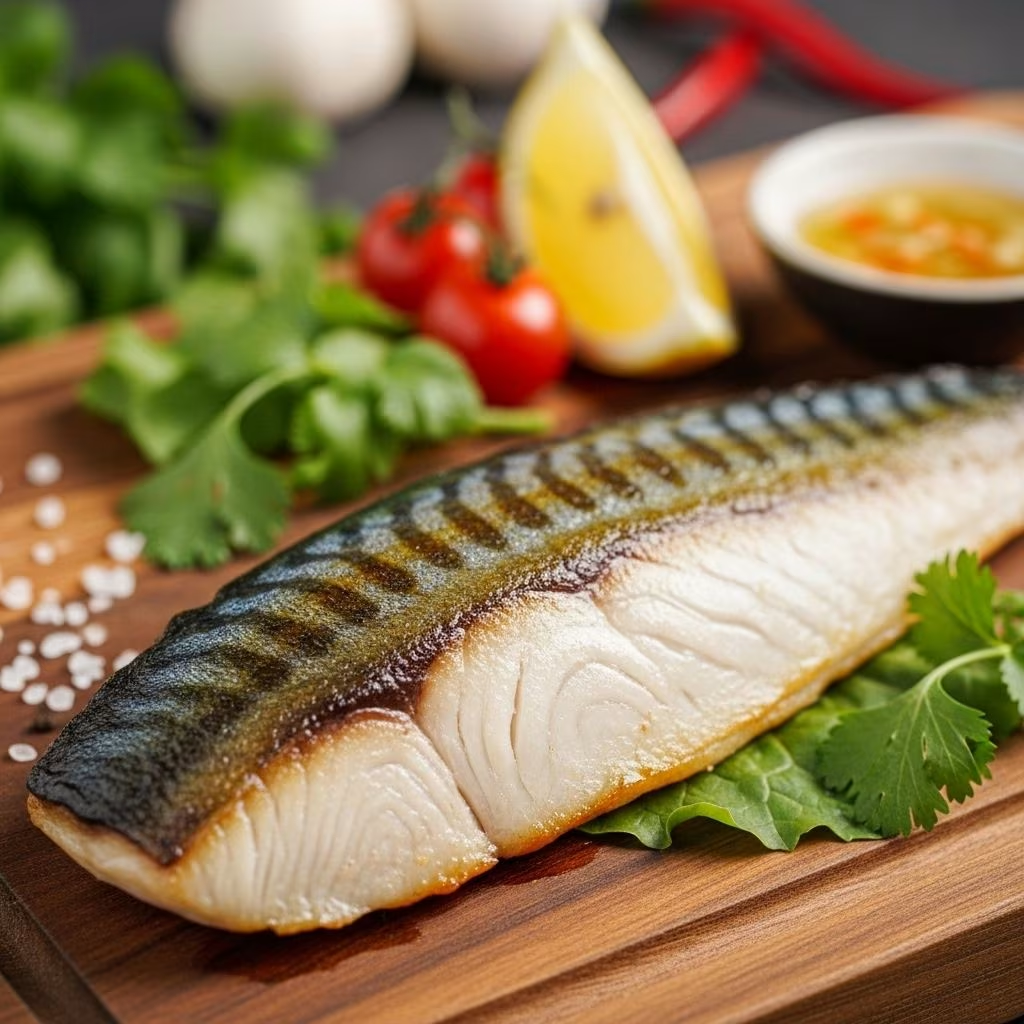
King mackerel (Scomberomorus cavalla), also called kingfish or surmayi, is a highly recognized fish species among seafood enthusiasts, commercial fishers, and culinary experts. Its reputation for swift swimming, sizeable catches, and rich flavor places it among the top choices for recreational fishing and ocean-to-table cuisine. This article explores king mackerel’s biology, health benefits, culinary applications, taste profile, and frequently asked questions for a comprehensive understanding of this iconic fish.
King Mackerel Overview
King mackerel is a migratory marine species belonging to the family Scombridae. Found along the western Atlantic Ocean and the Gulf of Mexico, it holds significant value in commercial and recreational fishing industries. The species has evolved remarkable agility and speed, hunting a variety of prey and offering challenging catches for anglers.
- Scientific Name: Scomberomorus cavalla
- Common Names: King mackerel, kingfish, surmayi
- Family: Scombridae
- Maximum Size: Up to 72 inches (6 feet), often 5–30 kg (11–66 lbs), but can exceed 40 kg (90 lbs)
- Lifespan: Up to 20 years
Physical Characteristics and Identification
King mackerel can be recognized by their streamlined torpedo-shaped bodies, forked tails, and a sharply dipping lateral line near the second dorsal fin. Their coloration serves as camouflage and as a means to distinguish them from similar species.
- Color: Olive or bluish-green on the back, silvery belly and sides with rosy iridescence.
- Scales: Small, scarcely visible, loosely attached scales covering the entire body except pectoral fins.
- Dorsal Fin: The first dorsal fin is colorless and typically folded into a groove; lacks the dark blotch found in Spanish mackerel.
- Lateral Line: Starts high, dips sharply mid-body before running straight to the tail.
- Teeth: Large, uniform, cutting-edged teeth reminiscent of bluefish.
| Feature | King Mackerel | Spanish Mackerel |
|---|---|---|
| Spots | None (adults); spots may appear in juveniles | Distinct yellow spots |
| Dorsal Fin | Colorless, low profile, no anterior blotch | Has a dark blotch |
| Lateral Line | Sharp dip below second dorsal fin | Smoother slope |
| Size | Up to 6 feet; over 90 lbs possible | Smaller; rarely exceeds 10 lbs |
Habitat and Distribution
King mackerel are found in subtropical and temperate coastal as well as offshore waters of the Western Atlantic, ranging from North Carolina down to Brazil, including the Gulf of Mexico.
- Habitats: Nearshore, offshore, reefs, wrecks, piers, outer continental shelf
- Migration: Seasonal, with northward movement in spring and southward migration in winter
- Spawning: Offshore, mainly from May to October; females release eggs into open water
- Schooling: King mackerel are highly social, often seen chasing prey in coordinated groups.
Nutritional Value and Health Benefits
King mackerel is highly nutritious, rich in protein, omega-3 fatty acids, essential vitamins, and minerals. However, its position as a large predator fish means mercury levels can be high—important for dietary considerations.
| Nutrient (per 100g) | Amount |
|---|---|
| Calories | ~167 kcal |
| Protein | ~19 g |
| Fat | ~9.8 g |
| Omega-3 | ~1 g |
| Vitamin D | Excellent Source |
| Vitamin B12 | High |
| Minerals | Selenium, Iron, Magnesium |
- High Quality Protein: Supports muscle growth and repair
- Omega-3 Fatty Acids: Beneficial for heart and brain health
- Vitamins D & B12: Important for bone and neurological health
- Selenium: Antioxidant that supports immune function
Key Health Benefits
- Promotes cardiovascular health by lowering triglycerides and blood pressure
- Supports cognitive function and reduces inflammation
- Helps maintain strong bones and a healthy immune system
- May lower risk of chronic diseases when part of a balanced diet
Culinary Uses and Cooking Methods
King mackerel is prized for its firm, flavorful flesh, which adapts well to a range of cooking methods. Its versatility makes it suitable for grilling, baking, frying, smoking, and even raw presentations like ceviche (with caution due to parasites).
- Popular Cooking Methods:
- Grilling: Brings out rich flavors; best with simple marinades or spice rubs
- Baking: Maintains moisture; often with citrus and herbs
- Pan-frying: Quick for fillets; pairs well with flavorful sauces
- Smoking: Traditional Southern preparation, produces a savory, smoky depth
- Broiling: Useful for steaks and thick fillets
- Ceviche: Finely diced king mackerel can be marinated in lime juice for a fresh appetizer (only when extremely fresh and safe)
Sample Recipe: Grilled King Mackerel Steaks
- Brush steaks with olive oil and lemon juice.
- Season with salt, pepper, garlic, and fresh herbs.
- Grill for 3–4 minutes per side, until flaky but moist inside.
- Serve with grilled vegetables or fresh salsa.
Popular Culinary Pairings
- Citrus fruits (lime, lemon, orange)
- Herbs (dill, parsley, cilantro)
- Piquant sauces (garlic butter, hot pepper relish)
- Starches (rice, potatoes, polenta)
Taste Profile and Texture
The unique taste of king mackerel is robust, rich, and somewhat oily, presenting a bold flavor that seafood lovers appreciate. Its texture is meaty and firm, which resists flaking and holds up well to grilling and broiling.
- Flavor: Distinctively savory with hints of brine, sometimes described as a cross between tuna and swordfish; oiliness adds mouthfeel
- Texture: Dense, firm, almost steak-like; not prone to crumbling
- Best for: Those who prefer bold seafood flavors rather than mild, subtle fish
King mackerel’s strong taste adapts well to spice blends, marinades, or smoking while still maintaining its signature richness.
Sustainability and Fisheries
King mackerel is managed in U.S. waters to maintain sustainable stocks. Regulated catch limits, size restrictions, and seasonal closures help protect populations from overfishing.
- Commercial Value: Important for regional fisheries
- Recreational Fishing: Popular target for sport fishing in the southeastern U.S.
- Conservation Measures: Managed by NOAA and local agencies; monitoring ensures ongoing stock health and ecological balance
- Best Practice: Choose mackerel sourced from well-managed fisheries; adhere to size and bag limits
Safety: Mercury Levels and Consumption Advice
Due to its predatory position and long lifespan, king mackerel accrues comparatively high levels of mercury. The FDA advises vulnerable populations (pregnant women, nursing mothers, young children) to avoid or limit consumption.
- Mercury Level: High (compared to smaller fish like sardines or salmon)
- Consumption Guideline:
- Pregnant/nursing women, young children: Avoid king mackerel
- Healthy adults: Limit intake (e.g., no more than a serving per month)
- Safe Preparation: Ensure proper cooking and freshness to avoid parasite and bacterial risks
If seeking lower-mercury alternatives yet similar taste, consider Atlantic mackerel or Spanish mackerel, both of which tend to have lower mercury concentrations due to their smaller size and shorter life spans.
Frequently Asked Questions (FAQs)
Q: Is king mackerel healthy to eat?
King mackerel is rich in protein, omega-3 fatty acids, and essential vitamins, providing valuable health benefits for most adults. However, it contains high levels of mercury, so intake should be limited for children and pregnant women.
Q: What does king mackerel taste like?
It has a bold, rich flavor that is savory and somewhat oily. Its meaty texture and distinctive taste make it popular for grilling, smoking, and baking, but it can be overwhelming for those who prefer mild-tasting fish.
Q: How do you cook king mackerel?
Popular methods include grilling, baking, broiling, frying, and smoking. Citrus-based marinades and strong spices complement its hearty taste.
Q: Is king mackerel sustainable?
Yes, king mackerel is sustainably managed in the United States by agencies such as NOAA, with catch and size limits that ensure population health.
Q: How can you identify king mackerel?
Look for a streamlined, silver-hued fish with a sharply dipped lateral line and colorless dorsal fin. Unlike its close relatives, it typically lacks obvious side spots in adulthood.
Q: Are there substitutes for king mackerel in recipes?
Atlantic mackerel, Spanish mackerel, and wahoo have similar flavors and textures, but some are lower in mercury.
Conclusion
King mackerel stands out as a flavorful, nutritious, and versatile seafood option, treasured for its meaty texture and bold taste. While it offers notable health benefits and culinary possibilities, responsible sourcing and moderation in consumption are essential due to potential mercury risks. By following safety guidelines and sustainable practices, seafood lovers can enjoy king mackerel as part of a wholesome and satisfying diet.
References
- https://guidesly.com/fishing/fish-species/king-mackerel
- https://myfwc.com/wildlifehabitats/profiles/saltwater/mackerel/king-mackerel/
- https://www.floridamuseum.ufl.edu/discover-fish/species-profiles/king-mackerel/
- https://en.wikipedia.org/wiki/King_mackerel
- https://fishfinderfishing.com/identifying-king-mackerel-a-comprehensive-guide/
- https://www.fisheries.noaa.gov/species/king-mackerel
- https://a-z-animals.com/animals/king-mackerel/
- https://fishspecies.dnrec.delaware.gov/FishSpecies.aspx?habitat=2&species=128


