


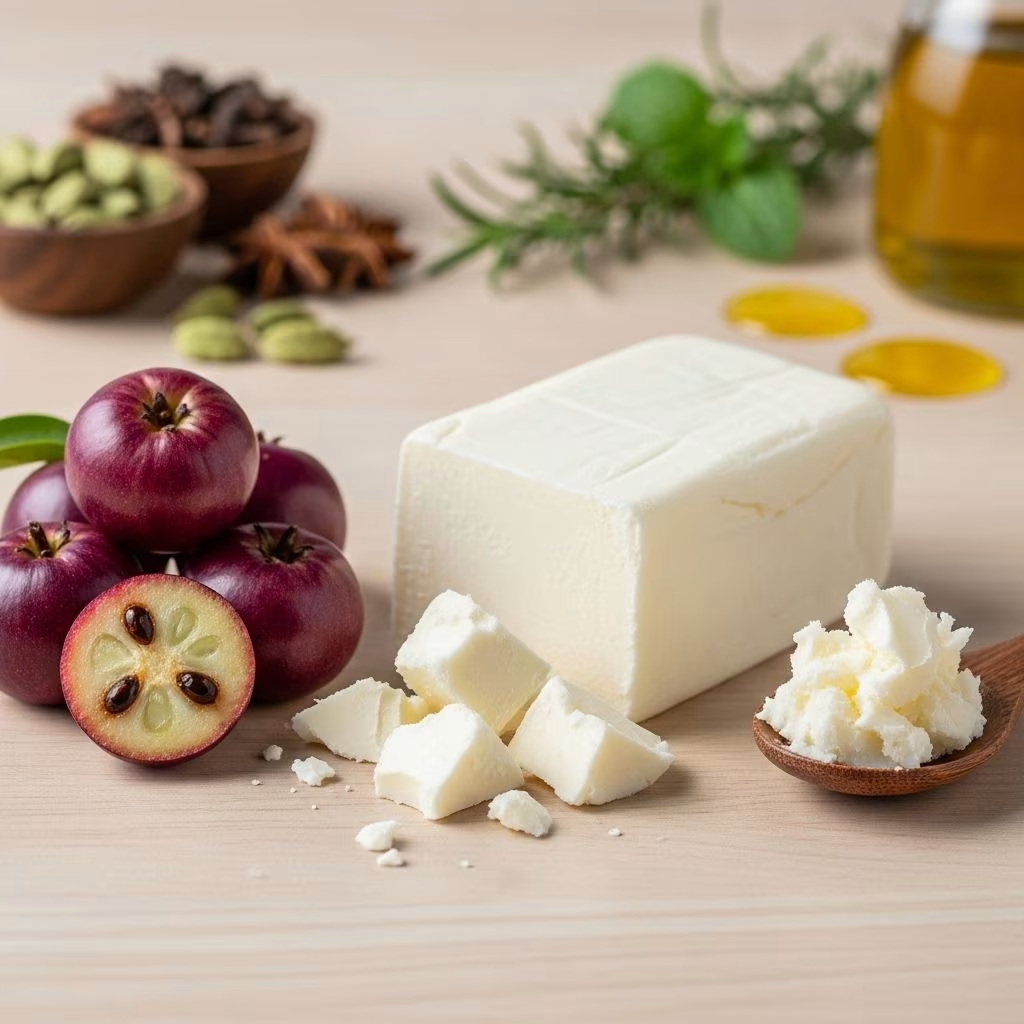
Kokum butter, extracted from seeds of the Garcinia indica tree, is prized for its light flavor and remarkable versatility. Originating chiefly from the Western Ghats of India, this plant-based butter is a staple in both culinary and cosmetic fields. This article provides an in-depth guide to kokum butter’s attributes, its vital uses across sectors, and practical substitutions for everyday needs.
About Kokum Butter
Kokum butter is a natural fat extracted from the seeds of the Garcinia indica tree, found mainly in tropical and subtropical regions of India and Africa. Known locally as wild mangosteen or red mangosteen, kokum’s fruit and rind have culinary uses, while its seed oil is highly valued in wellness and cosmetics. Kokum butter is solid at room temperature, pale ivory to yellowish in color, and melts upon skin contact, making it desirable for various applications.
- Origin: Western Ghats, India
- Main Ingredient: Seeds of Garcinia indica fruit
- Appearance: Solid, pale ivory/yellow, hard but melts when heated
- Texture: Non-greasy, lightweight
Flavor Profile & Composition
Kokum butter has a neutral, mildly tangy flavor, distinct from its fruit rind’s pronounced sourness. The butter itself offers very little taste, making it versatile in food applications that require a solid fat without imparting unwanted flavors. Its unique physical properties include:
- High melting point (~38–40°C)
- Smooth, non-oily finish
- Neutral taste—suitable for recipes needing blandness or subtlety
Chemical Composition
- Rich in Vitamin E and antioxidants
- High levels of essential fatty acids: stearic acid, oleic acid
- Non-comedogenic—does not clog pores
Nutritional Value
| Nutrient | Amount |
|---|---|
| Calories | 120 |
| Fat | 14g |
| Saturated Fat | 8g |
| Protein | 0g |
| Carbohydrates | 0g |
| Fiber | 0g |
| Vitamin E, B-complex, Potassium, Magnesium, Manganese | Not quantified, but present in significant amounts |
Similar to cocoa butter in composition, kokum butter is sometimes used interchangeably in food products for texture and structure.
Health Benefits
- Moisturizing: Locks in hydration, forming a barrier against water loss and dryness.
- Anti-inflammatory: Soothes irritated skin, ideal for conditions like eczema, psoriasis, and general inflammation.
- Antioxidant: Contains garcinol and Vitamin E, which help prevent cell damage and reduce the signs of aging.
- Healing: Used in folk medicine for wound care due to potential antibacterial properties.
- Elasticity & Texture: Regular use restores skin’s elasticity and natural texture.
- Safe for All Skin Types: Non-comedogenic, suitable even for sensitive skin, although patch testing is advised.
- Possible Digestive Aid: Kokum rind and butter have traditional uses against diarrhea, though scientific backing is limited.
Culinary Uses
Kokum butter serves as both a food ingredient and a traditional remedy in Indian cuisine and Ayurvedic practices.
- Alternative to Cocoa Butter: Used to replace cocoa butter in candies, chocolate, and baked goods due to similar texture.
- Curries and Chutneys: Dried kokum rind (solam) adds sourness, while the butter is used to thicken and enrich recipes.
- Kokum Juice: The fruit’s rind is steeped to produce a refreshing drink, especially popular in Western India.
- Vegetarian Dishes: Kokum is used in place of tamarind for a subtle tang without impeding color or texture.
- Sun-Dried Flavor Kick: Sun-dried kokum imparts a unique taste and can be finished with kokum butter for mouthfeel.
- Kokum Butter in Cooking: Because of its bland taste, it is best suited for recipes requiring a stable, yet neutral fat.
Skincare and Cosmetic Uses
Kokum butter’s reputation as a premium ingredient in cosmetics is growing rapidly, rivalling shea and cocoa butter in efficacy. Its cosmetic applications include:
- Moisturizers: Provides deep hydration for dry and mature skin.
- Soaps and Cleansers: Adds emollience, creating a firm yet gentle bar that doesn’t strip natural oils.
- Balms & Salves: Used in lip balms, hand salves, and healing ointments for its soothing properties.
- Shampoos & Conditioners: Restores hair’s softness and elasticity without greasiness.
- Anti-aging Creams: Combats fine lines and wrinkles through sustained antioxidant action.
Patch testing is strongly advised before wider use to rule out any allergic reactions. Kokum butter has a strong safety profile but occasional irritation (rash, redness) can occur for sensitive users.
Comparison: Kokum vs. Shea vs. Cocoa Butter
| Butter | Texture | Taste | Comedogenicity | Culinary Use | Cosmetic Use |
|---|---|---|---|---|---|
| Kokum | Firm, melts on skin, lightweight | Bland, very mild tang | Non-comedogenic | Candies, curries, drinks | Moisturizers, balms, lotions |
| Shea | Creamy, slightly oily | Nutty | Low | Limited | Body butters, soaps |
| Cocoa | Hard, melts at body temperature | Chocolate | Medium | Chocolate, confections | Rich creams, lotions |
Easy Substitutes for Kokum Butter
Kokum butter can be difficult to source outside India. Here are the most practical substitutes for culinary and skincare purposes:
- Cocoa Butter: Similar texture and melting properties; ideal for chocolates and candies.
- Mango Butter: Offers a neutral flavor and similar firmness, works in both cosmetics and some foods.
- Shea Butter: Slightly greasier texture, nutty aroma, best suited for moisture-intensive cosmetic products.
- Tamarind (Culinary): Use dried tamarind as a substitute for kokum’s sourness in curries and chutneys.
- Plant-Based Solid Oils: Blended coconut oil or palm oil can mimic kokum butter’s firmness in recipes.
When substituting in skin care:
- Mango, shea, and cocoa butter work well, keeping in mind their aroma and weight.
- For edible applications, cocoa butter is preferred for flavor, mango for neutrality.
Purchase and Storage Tips
- Availability: Kokum butter is rare outside South Asia, often requiring specialty import or online sources.
- Quality: Look for minimally processed, unrefined versions for both food and skin uses.
- Storage: Keep in a cool, dark place in an airtight container; avoid sunlight and heat to preserve stability.
- Shelf life: Properly stored kokum butter lasts 1–2 years—discard if rancid odor or discoloration develops.
Frequently Asked Questions (FAQs)
Q: Is kokum butter safe for sensitive skin?
A: Yes, kokum butter is non-comedogenic and hypoallergenic for most users, but a patch test is recommended to avoid rare reactions.
Q: Can kokum butter be heated for recipes?
A: Absolutely. It melts readily at about 38–40°C, making it suitable for mixing with oils and other fats in cooking and beauty products.
Q: What does kokum butter smell and taste like?
A: It is generally odorless and tasteless with a faint tang—ideal for neutral fat replacement in recipes.
Q: Is kokum butter edible?
A: Yes, kokum butter is edible in moderation and used in some confections and traditional Indian foods.
Q: What are its main health benefits?
A: Kokum butter hydrates, soothes, and may provide antioxidant and antibacterial benefits—useful for skin and general wellness.
Q: How does kokum butter differ from shea and cocoa butter?
A: Kokum butter is lighter, non-greasy and bland; shea is heavier and nutty; cocoa is aromatic and can clog pores more easily.
Conclusion
Kokum butter represents a naturally nourishing, eco-friendly alternative for both culinary and cosmetic purposes. Its mild flavor profile, high antioxidant content, and compatibility with sensitive skin set it apart from other plant-based butters. While it may be difficult to find outside its native regions, cocoa and mango butter serve as effective substitutes, allowing global access to kokum’s benefits in food and wellness applications. Whether enhancing a tangy curry or formulating a luxurious moisturizer, kokum butter delivers performance, purity, and sustainability.
References
- https://www.barakasheabutter.com/blogs/baraka-blogs/kokum-butter-vs-shea-butter-benefits-uses-compared
- https://www.webmd.com/diet/health-benefits-kokum-butter
- https://seekbamboo.com/blogs/sustainable-lifestyle/what-is-kokum-butter
- https://satthwa.com/blogs/skin-care/all-about-kokum-butter
- https://www.kamaayurveda.in/blog/kokum-butter
- https://www.healthline.com/nutrition/kokum-butter
- https://pmc.ncbi.nlm.nih.gov/articles/PMC8708457/
- https://naturalbulksupplies.com/blog/kokum-butter-explained-benefits-uses-and-the-science-behind-the-magic/
- https://en.wikipedia.org/wiki/Kokum_butter


