


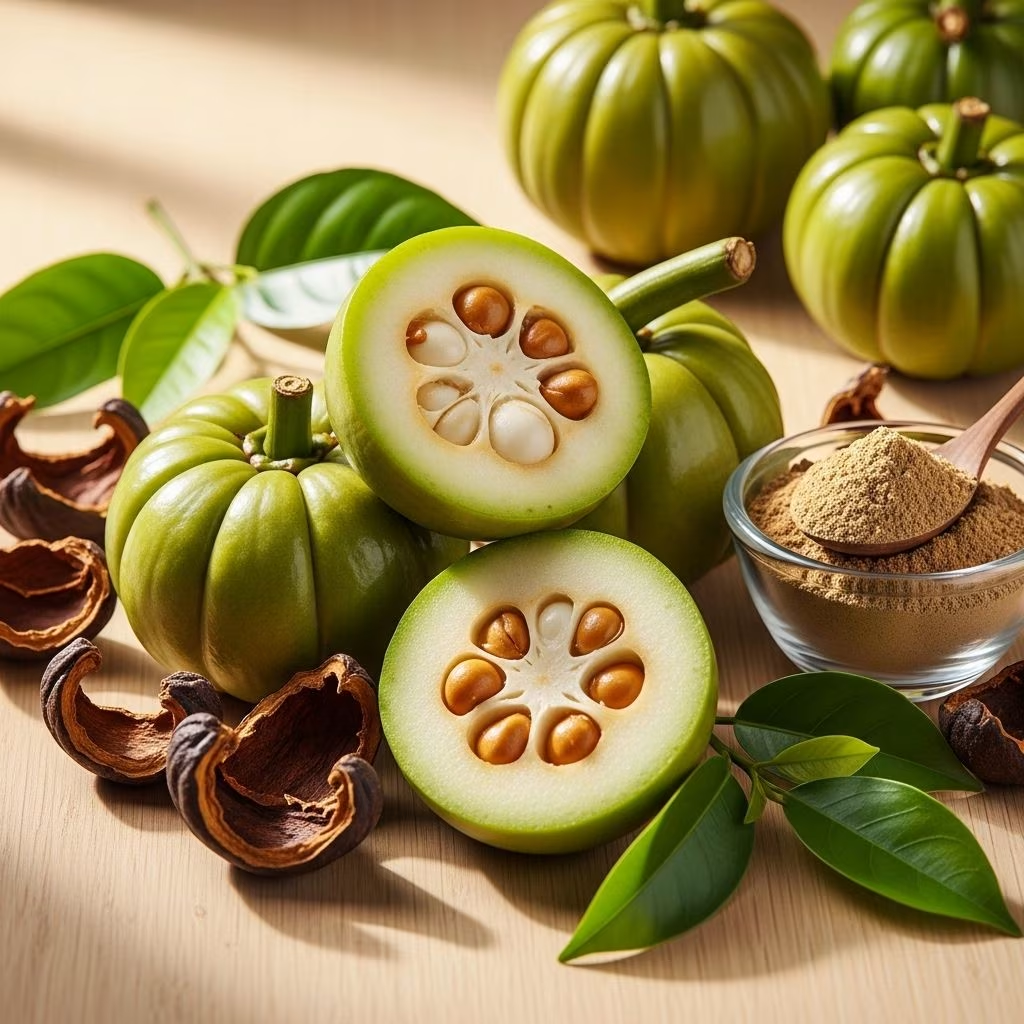
Garcinia cambogia, commonly known as the Malabar tamarind or brindle berry, is a tropical fruit revered in traditional and modern wellness circles. This unique fruit has been esteemed for centuries in Southeast Asian cuisine and herbal remedies and, in recent years, has gained global attention as a popular dietary supplement for weight management and metabolic health. But what exactly is Garcinia cambogia? Does it live up to the health claims, and what should you know about its taste and uses? This comprehensive guide explores the science, history, applications, and flavor profile of Garcinia cambogia for anyone interested in nutrition, health, and natural wellness.
Overview: What Is Garcinia Cambogia?
Garcinia cambogia is a small, pumpkin-shaped tropical fruit native to Southeast Asia, particularly Indonesia, India, and parts of Africa. It grows on medium-sized trees and is botanically classified in the family Clusiaceae. Regionally, it is called by several names, including Malabar tamarind, brindle berry, and kodampuli.
The fruit is green to pale yellow when unripe and turns yellow or red as it ripens. Its rind is notably thick and contains the main active compound hydroxycitric acid (HCA). Both the fruit and extract are used for culinary, medicinal, and supplemental purposes.
Plant Description
- Small, round, pumpkin-like fruit (about the size of an orange)
- Thick, fleshy rind, which is the main source of hydroxycitric acid (HCA)
- Grows in humid, tropical forests
- Yellow, green, or reddish hue when mature
Nutritional and Phytochemical Profile
The chemical profile of Garcinia cambogia is characterized by its exceptionally high content of hydroxycitric acid (HCA), a compound found mainly in the fruit’s peel and responsible for many of its purported benefits.
| Constituent | Description |
|---|---|
| Hydroxycitric Acid (HCA) | Main bioactive compound (20-60% in dried rind). Studied for weight management, effects on fat metabolism, and appetite regulation. |
| Polyphenols & Flavonoids | Antioxidants that may help protect cells from oxidative stress. |
| Other Nutrients | Some fiber, vitamin C, trace minerals. Seeds contain high fat content (up to 30%). |
Role of Hydroxycitric Acid (HCA)
- Blocks citrate lyase, an enzyme involved in converting carbohydrates into fat.
- May increase levels of serotonin, a neurotransmitter linked to appetite, mood, and satiety.
Traditional Uses of Garcinia Cambogia
In its native regions, Garcinia cambogia has been utilized for centuries in both culinary and medicinal contexts:
- As a souring agent in curries, chutneys, and fish dishes (kerala and coastal Indian cuisines)
- As a natural food preservative
- In Ayurveda and traditional medicine to treat:
- Digestive troubles (constipation, diarrhea)
- Joint pains (rheumatism)
- Ulcers
- Pickled or sun-dried to enhance flavor and prolong shelf life
Modern Uses and Supplement Forms
Interest in Garcinia cambogia outside Asia surged in the late 20th century when preliminary studies suggested efficacy for weight management. Today, the fruit’s extracts are widely available in many forms:
- Capsules and tablets containing concentrated Garcinia cambogia extract (standardized for HCA content)
- Powdered fruit extract (added to shakes and foods)
- Liquid tinctures or concentrates
- Mixed-ingredient weight loss formulations (often combined with other herbs or nutrients)
- Functional teas and beverages
Science-Backed Benefits and Potential Effects
Garcinia cambogia’s reputation as a supplement is primarily built on the research into HCA’s effects on metabolism and weight regulation. Let’s examine the scientific evidence:
Weight Loss and Appetite Regulation
- Mild weight loss: A meta-analysis in the Journal of Obesity found that participants taking Garcinia cambogia lost about 2 pounds more than those taking a placebo. However, the effect was small, and it wasn’t always clear whether the weight loss was due to the supplement or to the diet and exercise regimen that accompanied it.
- Appetite suppression: HCA may help suppress appetite by elevating brain serotonin levels, which can make you feel less hungry.
Fat Metabolism and Cholesterol
- Blocks fat production: HCA inhibits citrate lyase, an enzyme that catalyzes the formation of fat from carbohydrates. This mechanism is believed to reduce fat storage.
- Cholesterol management: Animal studies have indicated that Garcinia cambogia extract may lower total cholesterol and triglyceride levels, although robust data in humans is still limited.
Blood Sugar and Insulin Sensitivity
- Potential improvements in insulin sensitivity: Studies in mice have shown reduced weight gain, improved insulin response, and less fat accumulation in the liver during high-fat diets when supplemented with Garcinia cambogia extract.
- Possible benefits for type 2 diabetes and metabolic syndrome: Preliminary research points to possible advantages in blood sugar control, but large, well-controlled human trials are lacking.
Mood and Cognitive Effects
- Serotonin boost: Some trials suggest HCA may increase serotonin levels in the brain, potentially helping with mood regulation in individuals with mild serotonin deficiencies.
Other Claimed and Investigated Benefits
- Aid in digestive health (traditional use)
- Relief from rheumatism and joint pain (traditional use)
- Support for exercise endurance (anecdotal and theoretical)
Summary Table: Major Scientific Findings
| Claimed Benefit | Supporting Evidence | Limitations |
|---|---|---|
| Weight loss | Small but consistent effect in meta-analyses | Modest size, not always sustained; more high-quality studies needed |
| Appetite reduction | Increase in serotonin observed in some studies | Varied results, mechanisms not fully understood |
| Lipid and cholesterol reduction | Animal studies promising | Limited human data |
| Blood sugar control | Some animal data, anecdotal reports | Needs human trials |
Mechanism of Action: How Does It Work?
The biological activity of Garcinia cambogia is attributed to hydroxycitric acid (HCA). Here’s a step-by-step outline of what happens inside the body based on current research:
- HCA inhibits citrate lyase, an enzyme that helps your body turn unused carbohydrates into fat. This ultimately leads to less fat production and storage.
- HCA increases serotonin production in the brain, which can promote satiety and reduce appetite.
- HCA may help lower levels of blood cholesterol and triglycerides, supporting cardiovascular health.
- Animal studies suggest possible improvements in insulin function and less fat accumulation in the liver, but more human data is needed.
Culinary Uses and Taste Experience
The taste and culinary applications of Garcinia cambogia are as distinctive as its biochemical effects:
- Sour and tart: The raw fruit is extremely sour and can pucker the lips due to its high acid content.
- Pickled or dried: Often, the rind is dried in the sun and smoked, transforming into a blackened product called kodampoli, which imparts a sour, smoky flavor to curries, especially seafood dishes.
- Food preservation: Its acidity makes it an effective natural preservative.
- Seed oil: The seeds of the fruit are high in fats and are used as a ghee substitute in some Indian cuisines.
Typical Taste Notes
- Strongly sour (similar to tamarind or lemon, but more intense)
- Somewhat astringent and mouth-puckering
- Smoky undertones when dried or smoked (used in traditional curries)
Safety, Dosage, and Possible Side Effects
While Garcinia cambogia is generally considered safe for use as a food and in moderate amounts as a supplement, there are important considerations and potential side effects to note:
- Mild side effects: Headache, digestive upset, nausea, or dry mouth
- Possible interactions: May interact with medications for diabetes, cholesterol, and psychiatric conditions due to its effects on blood sugar and serotonin
Always consult a healthcare professional before starting supplementation. - Supplement quality: Not all supplements are created equal. Check for standardization to HCA content and third-party quality verification.
- Not recommended for: Pregnant or lactating women, children, and those with underlying chronic health conditions unless cleared by a physician.
The optimal dosage of Garcinia cambogia extract has not been firmly established. Many supplements provide 500 mg of extract (standardized to 50-60% HCA) two or three times daily, but evidence for perfect dosing is lacking.
Frequently Asked Questions (FAQs)
Q: Is Garcinia cambogia effective for weight loss?
Clinical studies show a modest and short-term benefit for weight loss. On average, users may lose about 2 pounds more than placebo, but the effect is not dramatic and may not be clinically significant for everyone.
Q: Can Garcinia cambogia help control appetite?
Yes, it may increase serotonin levels, which can make you feel less hungry. However, results vary between individuals, and not everyone experiences appetite suppression.
Q: Is Garcinia cambogia safe for long-term use?
For most healthy adults, short-term use of high-quality supplements appears safe. However, long-term safety data is lacking, and rare adverse effects have been reported. Use only with medical supervision for extended periods or in the presence of health conditions.
Q: What does Garcinia cambogia taste like?
The raw fruit has a strong, sour, and astringent taste, making it a popular seasoning in traditional cuisines, especially fish curries in southern India.
Q: Are there any groups who should avoid Garcinia cambogia?
Yes: pregnant and breastfeeding women, children, individuals with liver or kidney disease, and those on medications for diabetes, cholesterol, or mood disorders should not take Garcinia cambogia without medical guidance.
Summary
Garcinia cambogia is a tropical fruit with an ancient history in both food and natural medicine. Modern science recognizes the potential of its active compound, hydroxycitric acid (HCA), for mildly supporting weight loss, appetite control, and metabolic health. However, the supplement is not a miracle solution, and its effects in humans are modest compared to traditional approaches like diet and exercise. In culinary contexts, its sour and pungent flavor remains a beloved component of regional Asian cuisines. As with any supplement, consult with a healthcare provider before use, especially for those with health concerns or who are taking medications.
References
- https://www.webmd.com/diet/health-benefits-garcinia-cambogia
- https://www.webmd.com/vitamins-and-supplements/garcinia-cambogia-weight-loss
- https://pmc.ncbi.nlm.nih.gov/articles/PMC10084504/
- https://www.healthline.com/health/food-nutrition/things-you-didnt-know-about-garcinia-cambogia
- https://www.piedmont.org/living-real-change/how-safe-is-garcinia-cambogia-and-other-weight-loss-supplements
- https://www.healthdirect.gov.au/garcinia-cambogia


