


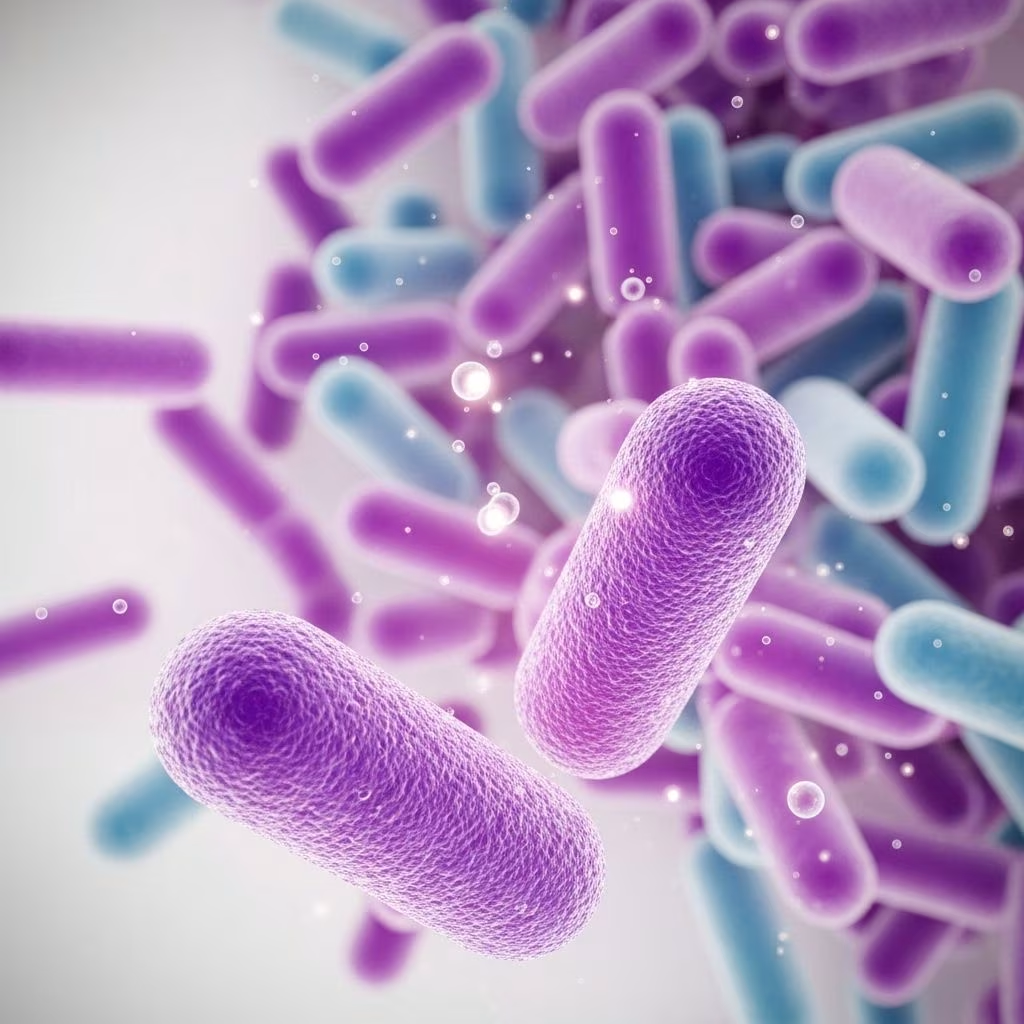
Lactobacillus is a remarkable genus of bacteria that has a profound impact on both our health and our culinary experiences. With its essential roles in gut health, probiotic therapy, food fermentation, and even taste development, understanding Lactobacillus provides insights crucial for modern nutrition, medicine, and gastronomy.
Introduction to Lactobacillus
Lactobacillus is a genus of bacteria known for its lactic acid production, crucial presence in the human microbiota, and historical use in fermented foods. These rod-shaped, gram-positive bacteria are considered one of the most important groups of probiotic organisms, owing to their health-promoting properties and essential roles in processing food and preserving gut harmony.
Key Facts About Lactobacillus
- Genus: Over 120 recognized species (reorganized into multiple genera in recent taxonomic revisions)
- Shape: Generally rod-shaped, non-spore-forming
- Environment: Survives in both aerobic and anaerobic conditions
- Function: Ferments sugars, producing lactic acid as the main metabolic byproduct
- Habitat: Naturally occurs in human and animal gastrointestinal, vaginal, and oral tracts, as well as in fermented foods
The Biology and Characteristics of Lactobacillus
Lactobacillus occupies a unique position among bacteria, both in their biological diversity and functions. Their adaptability and distinctive fermentative metabolism underpin their widespread presence in nature and industry.
Structural and Biological Features
- Cell Structure: Rod-shaped, gram-positive, non-motile, non-spore-forming
- Metabolism: Facultative anaerobes or microaerophilic
- Carbohydrate Fermentation: Ferments glucose, lactose, and other sugars into lactic acid or related compounds
- Fermentation Types:
- Homofermentative: Produces >85% lactic acid from glucose
- Heterofermentative: Produces lactic acid, ethanol, acetic acid, and carbon dioxide in similar quantities
- Colonization: Forms biofilms on mucosal surfaces to persist against environmental stress and pathogens
- Nutritional Requirements: Require carbohydrates, amino acids, vitamins, and some fatty acid esters
Where Is Lactobacillus Found?
- Human and animal gastrointestinal tracts
- Vaginal and oral microbiota (especially in women)
- Fermented foods (dairy, vegetables, meats, and sourdough)
- Plant materials and spoiled food
Health Benefits of Lactobacillus
The health-promoting effects of Lactobacillus are among the most researched and cited aspects of probiotics. Their roles span digestion, immune support, pathogen inhibition, and more.
Main Health Benefits
- Gut Health: Promotes healthy digestion, assists in fiber breakdown, converts complex carbohydrates into easily absorbable substances, and maintains intestinal flora balance.
- Probiotic Effects: Compete with harmful bacteria, preventing their colonization and infection. Particularly important in suppressing pathogens in the gut and the female genital tract.
- Immune System Modulation: Stimulates and regulates immune functions. Helps the body respond better to infections and modulates inflammation.
- Diarrhea Prevention and Treatment: Reduces the incidence and severity of antibiotic-associated and infectious diarrhea by restoring microbiota balance.
- Support for Vaginal Health: Maintains the acidic environment of the vagina, inhibits pathogenic yeast and bacteria, and supports overall reproductive health in women.
- Skin Health: Some evidence supports its use in addressing eczema and certain skin conditions, particularly in children.
Other Possible Benefits (Emerging Research)
- May help lower cholesterol levels
- Potential role in alleviating symptoms of irritable bowel syndrome (IBS)
- May support lactose digestion in lactose-intolerant individuals by breaking down lactose (milk sugar)
- Possible mood-regulating effects due to the gut-brain axis (connection between gut health and mental health)
Uses of Lactobacillus in Food and Industry
Lactobacillus has been used for centuries for food preservation and flavor, but its industrial roles go far beyond traditional fermentation.
Food Fermentation
The fermentative prowess of Lactobacillus enables it to transform raw ingredients into foods with extended shelf-life, enhanced nutrition, and distinctive flavors:
- Dairy products: Yogurt, kefir, cheese, and buttermilk production
- Fermented vegetables: Sauerkraut, pickles, kimchi, and olives
- Fermented meats: Salami and other cured sausages
- Sourdough bread: Starter cultures in baking
Industrial and Biotechnological Applications
- Probiotic supplements: Capsules, powders, and drinks designed to promote digestive and immune health
- Animal feed: Added to feed for livestock to improve digestion and reduce disease risk
- Silage production: Assists in the preservation of animal fodder
- Biopreservation: Natural means of suppressing spoilage and disease-causing microbes in food
Summary Table: Major Uses of Lactobacillus
| Application | Description |
|---|---|
| Dairy Fermentation | Yogurt, kefir, cheese; production of lactic acid and probiotic cultures |
| Vegetable Fermentation | Pickles, sauerkraut, kimchi; preservation and sour flavor development |
| Baked Goods | Sourdough bread; leavening and tangy flavors |
| Supplements | Capsules, powders for digestive and immune health support |
| Animal Nutrition | Improved feed efficiency and disease resistance in livestock |
Lactobacillus and Taste
The unique flavor profiles of many fermented foods are directly attributed to the metabolic activity of Lactobacillus. Its production of lactic acid and other organic acids affects both taste and preservation.
Flavor Characteristics
- Sourness: Lactic acid imparts a tangy, sour taste in yogurt, kefir, sourdough, sauerkraut, and pickles
- Aroma: Some strains produce volatile compounds resulting in buttery, cheesy, or slightly fruity aromas
- Bitterness or Sharpness: Longer fermentation can produce sharper or more pronounced acidic notes
- Texture Changes: Fermentation by Lactobacillus often leads to creamier textures (in dairy) or enhanced crispness (in vegetables)
Impact on Food Safety and Shelf Life
- Preservation: Lactic acid lowers pH and inhibits spoilage organisms, extending shelf-life
- Bacteriocins: Some Lactobacillus species produce bacteriocins—natural antimicrobial compounds enhancing food safety
Popular Species and Strains
Different Lactobacillus species have unique roles in health and industry. Here are some of the most widely researched and utilized:
| Species | Common Uses | Key Benefits |
|---|---|---|
| L. acidophilus | Yogurt, supplements | Digestive health, immune support |
| L. bulgaricus | Yogurt starter | Lactose breakdown, texture in yogurt |
| L. casei | Dairy, probiotics | Digestive and immune system support |
| L. plantarum | Vegetable fermentation (sauerkraut, kimchi) | Gut barrier enhancement, broad antimicrobial activity |
| L. rhamnosus | Probiotic supplements, dairy | Reduces diarrhea risk, supports vaginal health |
| L. reuteri | Infant formulas, supplements | Oral and dental health, infant colic management |
Safety Considerations and Precautions
For most healthy individuals, Lactobacillus species are safe and beneficial. However, certain groups should take precautions:
- Individuals with severe immunocompromise or major underlying illnesses should consult medical professionals before taking probiotics.
- Adverse effects are rare, with occasional mild gastrointestinal symptoms such as bloating or gas.
- Proper food handling and storage are essential when consuming homemade fermented foods to avoid contamination with harmful bacteria.
Frequently Asked Questions (FAQs)
Q: What is the main function of Lactobacillus in the digestive system?
A: Lactobacillus aids in the breakdown of fiber and complex carbohydrates, supports the beneficial microbiota, and helps fend off pathogenic organisms in the gut.
Q: In which foods is Lactobacillus most plentiful?
A: Lactobacillus is abundant in fermented dairy products like yogurt and kefir, as well as sauerkraut, kimchi, pickles, sourdough bread, fermented meats, and probiotic supplements.
Q: Does Lactobacillus have any role in women’s health?
A: Yes, Lactobacillus plays a vital role in maintaining vaginal health by producing lactic acid, ensuring a low pH environment that limits the growth of pathogens.
Q: What does Lactobacillus taste like?
A: On its own, Lactobacillus is not eaten directly, but its metabolic products (especially lactic acid) impart a characteristic tangy, sour taste to foods such as yogurt, cheese, sauerkraut, and pickles.
Q: Are supplements of Lactobacillus as effective as dietary sources?
A: Both sources can be beneficial; supplements provide specific, concentrated strains, whereas dietary sources contribute diverse species along with beneficial nutrients. The ideal approach can depend on individual health goals.
Conclusion
Lactobacillus stands as a cornerstone of health, food science, and flavor development. Its remarkable versatility in supporting gut health, preventing disease, transforming foods, and creating unique taste experiences makes it indispensable to human society. As research continues, so too will our appreciation for these tiny but mighty bacteria that help shape well-being and culture around the globe.
References
- https://www.optibacprobiotics.com/professionals/probiotics-database/lactobacillus
- https://www.vedantu.com/biology/lactobacillus
- https://en.wikipedia.org/wiki/Lactobacillus
- https://pmc.ncbi.nlm.nih.gov/articles/PMC427720/
- https://www.britannica.com/science/Lactobacillus
- https://www.cancer.gov/publications/dictionaries/cancer-terms/def/lactobacillus
- https://microbiologyjournal.org/lactobacillus-species-as-probiotics-isolation-sources-and-health-benefits/


