


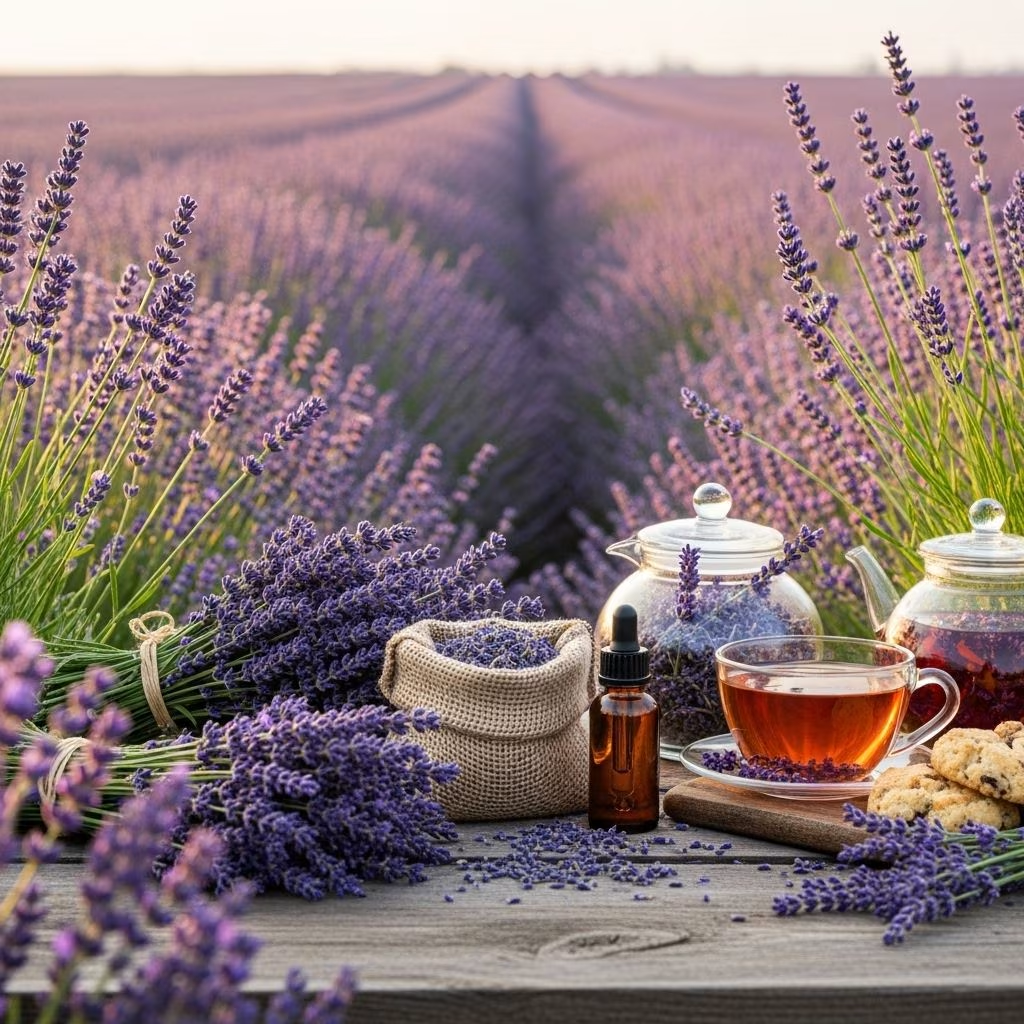
Lavender stands as one of the most iconic, cherished, and versatile plants in both botanical and medicinal history. Known for its vibrant purple blossoms, calming aroma, and diverse therapeutic properties, lavender has found its way into gardens, kitchens, medicine cabinets, and cosmetics worldwide. This article comprehensively explores the nature of lavender as both a flower and an herb, its impressive benefits, multifaceted uses, and its unique taste profile.
Introduction: The Allure of Lavender
Lavender (genus Lavandula) has for centuries charmed people with its spectacular color, signature scent, and widespread utility. The plant’s association with calm, cleanliness, and healing stretches from ancient civilizations to the present day. Its iconic fragrance has been valued in cultures as varied as Roman bathhouses and modern aromatherapy studios, while its decorative and insect-repelling qualities make it a favorite in gardens and homes.
Botanical Profile and Origins
Lavender is a small, woody perennial shrub belonging to the mint family (Lamiaceae), with over 45 known species and hundreds of cultivars. It is evergreen with narrow, gray-green leaves and produces tall spikes of purple, violet, or sometimes blue flowers, which bloom from late spring through summer.
- Latin Name: Lavandula angustifolia (English lavender), among other species
- Native Range: Mediterranean region, including France, Spain, Italy, and Andorra
- Plant Type: Perennial, evergreen shrub
- Height: Varies from 1 to 3 feet depending on variety
- Flowers: Colorful spikes of small, aromatic blossoms; primarily purple
- Leaves: Opposite pairs, simple, lanceolate, gray-green, with soft and velvety feel
The plant’s fragrance comes from oil glands found in tiny hairs covering its flowers, leaves, and stems. Traditionally, lavender is propagated by cuttings or root division, as cultivated plants rarely produce viable seeds.
Lavender’s Botanical Family
Lavender belongs to the same family as rosemary, sage, thyme, mint, and oregano, sharing many aromatic and culinary qualities. Like its cousins, lavender contains volatile compounds such as linalool, linalyl acetate, pinene, and limonene, which are responsible for its therapeutic effects and aromatic profile.
Major Varieties of Lavender
While over 45 species exist, three types dominate gardens, commerce, and medicine:
- English Lavender (Lavandula angustifolia): The most widely grown variety, prized for its delicate fragrance and culinary uses. Hardy, cold-tolerant, and often used in fine perfumes.
- French Lavender (Lavandula dentata and Lavandula stoechas): Less cold-hardy, often grown for ornamental or crafting purposes. Has a stronger and more resinous scent; flowers possess distinctive “rabbit ear” petals on top.
- Lavandin (Lavandula x intermedia): A hybrid of English and spike lavender, producing vigorous plants with large flower spikes and camphorous aroma. Commonly used in essential oil production and cosmetology industries.
Each variety offers slight differences in flower appearance, scent, and resilience to climate, shaping their suitability for specific purposes.
Key Benefits of Lavender
Lavender’s reputation as a medicinal herb is well-founded. Its main benefits can be divided into areas of mental, physical, and environmental well-being:
- Soothes Anxiety and Stress: Lavandula’s essential oils, particularly linalool, interact with the nervous system to provide gentle sedative and calming effects.
- Promotes Restful Sleep: Aromatherapy using lavender oil or dried flowers is popular for improving sleep quality and reducing insomnia symptoms.
- Supports Digestive Health: Taken as tea or tincture, lavender aids digestion, relieves bloating, and eases symptoms of irritable bowel syndrome by relaxing smooth muscle tissue.
- Alleviates Headaches and Migraines: Inhaling lavender vapor or applying diluted oil to temples can lessen discomfort associated with tension headaches and some migraines.
- Wound Healing and Skin Health: Lavender possesses anti-inflammatory and antimicrobial properties. Applied topically, it accelerates healing of minor burns, abrasions, insect bites, and acne.
- Antioxidant Activity: Compounds in lavender defend cells against oxidative damage, providing protective effects especially for the brain and nervous system.
- Mood Support: Preliminary studies suggest lavender may improve symptoms of mild depression, enhance overall mood, and provide emotional comfort.
Traditional and Modern Uses
Lavender’s uses range widely due to its unique aroma, pleasant taste, and health-promoting effects. Historical applications, such as including it in baths and household cleaning, have evolved alongside scientific understanding and culinary trends.
Historical Uses
- Lavender’s name stems from Latin “lavare”—to wash—reflecting its use in ancient Roman and Mediterranean bathing customs as a fragrance and cleanser.
- Medieval and Renaissance herbalists prescribed lavender for hysteria, nervous conditions, colic, and as a disinfectant for wounds.
- Dried lavender was strewn on floors or in linen closets to deter insects and impart freshness, a tradition continued today.
Modern Uses
- Aromatherapy: Lavandula essential oil is a staple in diffusers, massage oils, and stress-relief balms to calm nervous tension and inspire relaxation.
- Cosmetics and Skincare: Used in perfumes, soaps, creams, shampoos, and bath products for scent and skin-soothing effects.
- Detergents and Cleaning: Incorporated into natural cleaners for its refreshing scent and antibacterial power, echoing historic wash-day associations.
- Culinary: Infuses flavor into desserts, drinks, and savory dishes, both for its fragrance and subtle taste (see culinary section below).
- Gardening: Grown for pollinator support, attractive landscaping, wildlife deterrence (deer-resistant), and air-freshening effects.
Lavender in Medicine
Lavender’s medicinal prowess is ranked highly both in folk traditions and scientific investigation. Although much research is ongoing, key therapeutic domains include:
- Mental Health: Studies show that oral lavender oil supplements may reduce symptoms of anxiety, especially in mild to moderate cases. Inhalation (aromatherapy) and topical application are also popular, but more rigorous studies are needed to substantiate their effectiveness.
- Sleep Disorders: Inhaling lavender oil or sleeping with lavender sachets has been linked—anecdotally and in small studies—to improved sleep onset and continuity, particularly among insomniacs and older adults.
- Pain Relief and Spasms: Lavender oil demonstrates anti-spasmodic actions. Massaging diluted oil into the skin may ease muscular tension, cramps, and some types of headache pain.
- Skin Healing: Traditionally applied to burns, cuts, stings and minor wounds, lavender oil is valued for antibacterial activity and anti-inflammatory effects. Modern products often use it as an ingredient for these reasons.
- Neurological Support: Antioxidants in lavender may help protect the brain, with early research checking potential roles in dementia and neurodegenerative conditions.
Key Constituents of Lavender Essential Oil
| Compound | Primary Effects |
|---|---|
| Linalool | Sedative, anti-anxiety, anti-inflammatory |
| Linalyl acetate | Relaxing, contributes to aroma |
| Geraniol | Sweet aroma, mild antimicrobial |
| Cineole | Respiratory support, slight stimulant |
| Pinene & limonene | Antimicrobial, energizing |
Culinary Uses and Distinctive Taste
Lavender’s culinary tradition is less widely known than its fragrance, but it is highly respected in Mediterranean and French cuisines. All lavenders are edible, but English lavender (L. angustifolia) is preferred for cooking due to its mild flavor and low camphor content.
Lavender’s Taste: Flavor Profile
- Aroma: Earthy, sweet, floral, sometimes with a slightly herbaceous or pine-like note
- Taste: Mildly bitter, subtly sweet, faintly soapy due to natural saponins
- Aftertaste: Lingering floral and herbal note with a hint of mint or rosemary
How to Use Lavender in Food
- Sprinkled over desserts: e.g., cakes, cookies, ice creams
- Infused in syrups, honeys, lemonades, and teas
- Blended in herbal mixes: Herbes de Provence includes dried lavender
- Paired with other aromatic herbs: rosemary, thyme, or mint
- Added to savory sauces and spice rubs for lamb, chicken, or vegetables
It is crucial to use lavender sparingly in food, as excessive amounts can result in a medicinal or bitter flavor that overwhelms other ingredients. When correctly balanced, it brings a unique aroma and subtle floral taste that delights the palate.
Growing and Harvesting Lavender
Lavender is prized by gardeners for its drought resistance, pest deterrence, and beauty. Here is how to grow it successfully:
- Sunlight: Requires full sun—at least 6 hours daily
- Soil: Prefers well-drained, alkaline, or rocky soil; avoid rich, moist soils that retain water
- Watering: Needs only moderate watering once established; overwatering can cause root rot
- Climate: Varieties vary in cold tolerance; L. angustifolia endures cooler zones than French forms
- Pruning: Prune after spring bloom to promote dense growth and prevent woody stems
- Harvest: For dried lavender, cut stems just before flowers fully open in the morning, and hang upside-down in a dry, ventilated place out of direct sunlight
Potential Side Effects and Safety
Lavender is generally safe when used in moderation, but some precautions should be observed:
- Skin Sensitivity: Essential oil may cause irritation or allergic reaction in sensitive individuals. Always dilute before topical application and perform a patch test.
- Ingesting Oil: Lavender oil is not intended for ingestion unless formulated in capsules by reputable sources.
- Hormonal Effects: Some case reports suggest that lavender oil may impact hormone levels in children if used excessively; consult a healthcare provider when using for young children.
- Medication Interactions: May interact with sedatives or nervous system medications. Consult a professional before combining with prescription drugs.
Frequently Asked Questions (FAQs)
Q: What is the best type of lavender for cooking?
A: English lavender (Lavandula angustifolia) is preferred for culinary purposes due to its milder, less camphorous flavor.
Q: How should I store dried lavender flowers?
A: Store dried lavender in airtight containers away from sunlight and humidity to preserve flavor and aroma.
Q: Is lavender safe for pets?
A: While lavender is non-toxic to most pets in small amounts, concentrated oils can be harmful if ingested or applied to skin. Always use caution around pets.
Q: Can lavender help with anxiety and sleep?
A: Some studies support lavender for mild anxiety and improved sleep, especially as aromatherapy, but effects may vary by individual and more research is needed.
Q: When is the best time to harvest lavender?
A: Harvest stems just as the flowers begin to open—usually in the morning when essential oil content is highest.
Q: Can I use any lavender variety for tea?
A: All lavenders are technically edible, but English lavender is best for teas due to its sweet, non-bitter taste.
Lavender endures as the world’s favorite aromatic herb, offering beauty, fragrance, and wellness from garden to kitchen and beyond. Whether enjoyed for relaxation, healing, or culinary experimentation, its versatility and benefits continue to inspire new generations.
References
- https://www.britannica.com/plant/lavender
- https://www.herbalreality.com/herb/lavender/
- https://www.berkshirebotanical.org/herb-week-lavender
- https://www.nccih.nih.gov/health/lavender
- https://plants.ces.ncsu.edu/plants/lavandula-angustifolia/
- https://cherryvalleyorganics.com/blogs/cvo-blog/the-healing-properties-of-lavender
- https://www.groovyplantsranch.com/blogs/penny-flora-thoughts/all-about-lavender
- https://animals.sandiegozoo.org/plants/lavender
- https://www.missouribotanicalgarden.org/PlantFinder/PlantFinderDetails.aspx?taxonid=281393&isprofile=1&gen=Lavandula


