


Understanding Shingles: Causes, Symptoms, and Complications
Shingles, also known as herpes zoster, is a viral infection caused by the reactivation of the varicella-zoster virus—the same virus responsible for chickenpox. After a person recovers from chickenpox, the virus can remain dormant and reactivate years later as shingles, leading to a painful and often debilitating rash.
The onset of shingles is typically marked by nerve pain, followed by a blistering skin rash that can appear on any region of the body. The condition may also cause fever, sensitivity to light, and fatigue. Most cases resolve within 2–6 weeks, but some individuals suffer from persistent pain due to postherpetic neuralgia, lasting weeks to months after the rash disappears.
Common Symptoms of Shingles
- Pain, burning, or tingling in a localized area
- Red rash with blisters (fluid-filled)
- Itching or sensitivity in the affected region
- Fever and general malaise
- Fatigue and headache
- Possible nerve pain (postherpetic neuralgia)
Risk Factors for Developing Shingles
- Age over 50 years
- History of chickenpox
- Weakened immune system (due to illness, medications, or stress)
- Trauma or other illnesses
Why Consider Natural Remedies for Shingles?
While prescription antiviral medications are effective in reducing the duration and severity of shingles, many people seek natural remedies to alleviate discomfort, soothe symptoms, and support healing. Natural remedies can help manage pain, itchiness, and inflammation but should not replace medical treatment. Always consult a healthcare provider for any shingles outbreak.
Top Natural Remedies to Relieve Shingles Symptoms
1. Healing Baths and Topical Therapies
Given the irritation and sensitivity of shingles rashes, topical treatments can provide relief and calm inflamed skin:
- Cool Compresses: Apply cold, wet cloths to affected areas to reduce pain and inflammation. Pre-soak cloths and chill in the refrigerator for added relief.
- Colloidal Oatmeal Baths: Bundle 1–2 cups of finely ground oats in a cheesecloth or washcloth, steep in lukewarm bathwater, and soak the body for 10–15 minutes. This helps reduce itching and soothes irritation.
- Baking Soda Bath & Paste: Add 1 cup of baking soda to lukewarm bathwater, soak for 15–20 minutes. Alternatively, make a paste with 2 tablespoons of baking soda and 1 tablespoon of water; apply directly to blisters, leave for 10–15 minutes, and rinse with cool water.
- Calamine Lotion: Gently apply calamine lotion to blisters to soothe and dry out the rash.
- Honey: Therapeutic honey, including manuka honey, has shown antiviral and wound healing benefits. Apply a thin layer to the rash, let sit for 10–15 minutes, and rinse off.
2. Herbal Remedies and Supplements
Herbs and botanicals can help boost immune function and fight viral activity:
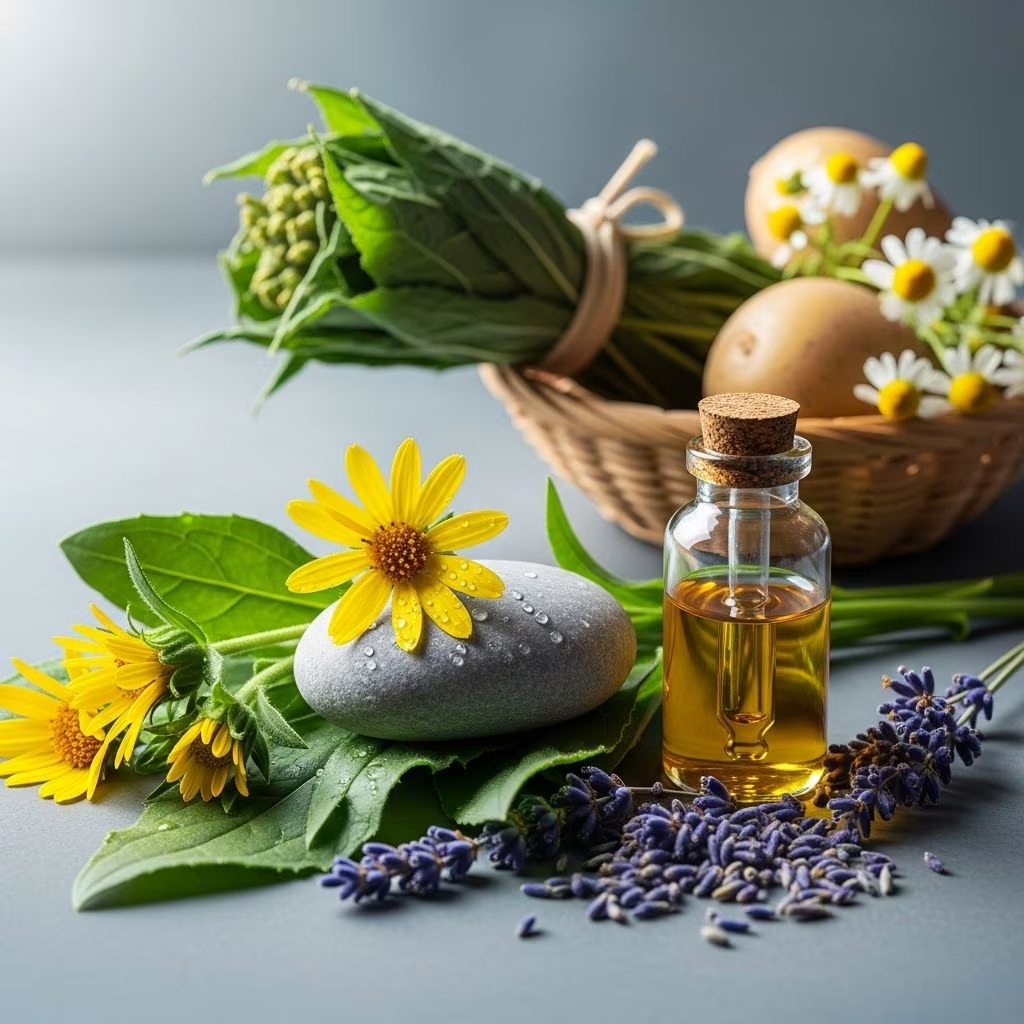
- Red Clover (Trifolium pratense): Contains antioxidant and immune-supportive compounds.
- Lemon Balm (Melissa officinalis): Offers antiviral and anti-inflammatory benefits that may help soothe shingles.
- Licorice Root (Glycyrrhiza glabra): Known for its antiviral effects, licorice can support the body’s ability to manage infections.
- Chamomile Oil: Used for its anti-inflammatory and antimicrobial properties; may help with skin healing.
- Valerian and Passionflower: Traditionally used to relieve pain and support nervous system health (use with caution and under guidance).
3. Essential Oils for Skin Soothing
Several essential oils are recognized for their pain-relieving and skin-calming effects. When using essential oils, always dilute with a carrier oil (like almond or jojoba oil) before applying to skin:
- Tea Tree Oil: Anti-inflammatory and antimicrobial, may help promote wound healing.
- Eucalyptus Oil: Can help reduce inflammation and support the healing of sores.
- Wintergreen Oil: When diluted, may soothe topical discomfort.
| Remedy | Benefit | Notes |
|---|---|---|
| Cool Compress | Reduces pain & swelling | Use clean cloth, avoid ice |
| Oatmeal Bath | Soothes itching | Use finely ground oats |
| Honey | Promotes healing | Use medical-grade honey |
| Baking Soda Paste | Relieves itch | Use briefly on skin |
| Calamine Lotion | Dries rash | Avoid broken skin |
Dietary Adjustments: Foods That Support Healing
Nutrition plays a key role in strengthening the immune system and speeding recovery from shingles. A balanced diet rich in vitamins and antioxidants helps manage symptoms:
- Carotenoid-rich foods: Carrots, watermelon, kale, spinach—all support immune function.
- Vitamin C foods: Citrus fruits, strawberries, bell peppers enhance skin healing.
- Whole grains and lean proteins: Support overall health and tissue repair.
- Healthy fats: Avocado, olive oil, nuts help reduce inflammation.
- Stay hydrated: Adequate water intake supports skin and immune health.
Limit intake of processed foods, excess sugar, and unhealthy fats, which can exacerbate inflammation and discomfort.
Habits and Lifestyle Changes for Faster Recovery
- Rest and Sleep: Ample sleep optimizes immune function and speeds healing.
- Stress Reduction: Elevated stress can worsen shingles symptoms and delay recovery. Techniques such as meditation, gentle exercise, and deep breathing foster resilience.
- Moderate Exercise: Gentle activities like walking, stretching, or yoga improve mood and circulation.
- Avoid Smoking: Smoking impairs immune response and prolongs recovery.
Medical Treatment: When to Seek Professional Help
Natural treatments can help manage symptoms but do not substitute for medical care. Antiviral medications prescribed by your doctor are essential, especially if shingles affects the eyes, face, or causes significant complications. Early medical intervention can minimize long-term nerve pain and severe complications.
Precautions With Natural Remedies
- Always perform a skin patch test for topical treatments.
- Do not use undiluted essential oils or remedies which can irritate skin.
- Avoid apple cider vinegar directly on shingles rash; it may worsen irritation.
- Consult with a healthcare provider before starting new herbs or supplements—especially if immunocompromised or taking medications.
Frequently Asked Questions (FAQs) About Shingles
Q: What is the fastest way to relieve shingles pain naturally?
A: Cool compresses, oat baths, and calamine lotion provide quick topical relief. Rest, hydration, and immune-supporting foods also help speed recovery.
Q: Can honey or oatmeal baths cure shingles?
A: These remedies help soothe irritation and speed healing but do not cure shingles. Antiviral medications remain essential.
Q: Are there any remedies to avoid?
A: Avoid apple cider vinegar and harsh chemicals. Pure essential oils should always be diluted; seek advice before using unfamiliar herbs.
Q: How long does a shingles outbreak last?
A: Most outbreaks resolve in 2–6 weeks, but residual pain can persist for months in some cases.
Q: Can shingles be prevented?
A: Vaccines such as Shingrix reduce the risk of developing shingles and complications. Healthy lifestyle habits also support immune defense.
Summary Table: Natural Remedies for Shingles at a Glance
| Remedy | Purpose | Precautions |
|---|---|---|
| Cool Compress | Pain relief | Keep cloth clean |
| Oatmeal Bath | Itching, soothing | Lukewarm water only |
| Baking Soda Paste | Itching, rash drying | Avoid broken skin |
| Honey Topical | Healing, antiviral | Medical-grade honey |
| Herbal Tea (Lemon Balm) | Antiviral support | Consult provider if conditions exist |
| Essential Oils (Diluted) | Soothing, healing | Patch test before use |
Conclusion: Empowering Self-Care for Shingles Relief
Effective shingles management involves a combination of professional medical treatment and evidence-based natural remedies. Topical therapies, immune-supporting herbs, and lifestyle changes can significantly alleviate discomfort, promote skin healing, and foster a faster recovery. Always consult with healthcare professionals before beginning new treatments for shingles, and take proactive steps to support your body’s natural resilience.
References
- https://naturemed.org/effective-natural-remedies-for-shingles/
- https://www.healthline.com/health/shingles-natural-treatment
- https://www.medicalnewstoday.com/articles/322131
- https://www.nature.com/articles/s41586-025-08800-x
- https://www.rupahealth.com/post/shingles
- https://pmc.ncbi.nlm.nih.gov/articles/PMC10501527/
- https://www.ncoa.org/article/can-you-get-shingles-if-you-have-already-had-it/
- https://www.cdc.gov/shingles/hcp/clinical-overview/index.html


