


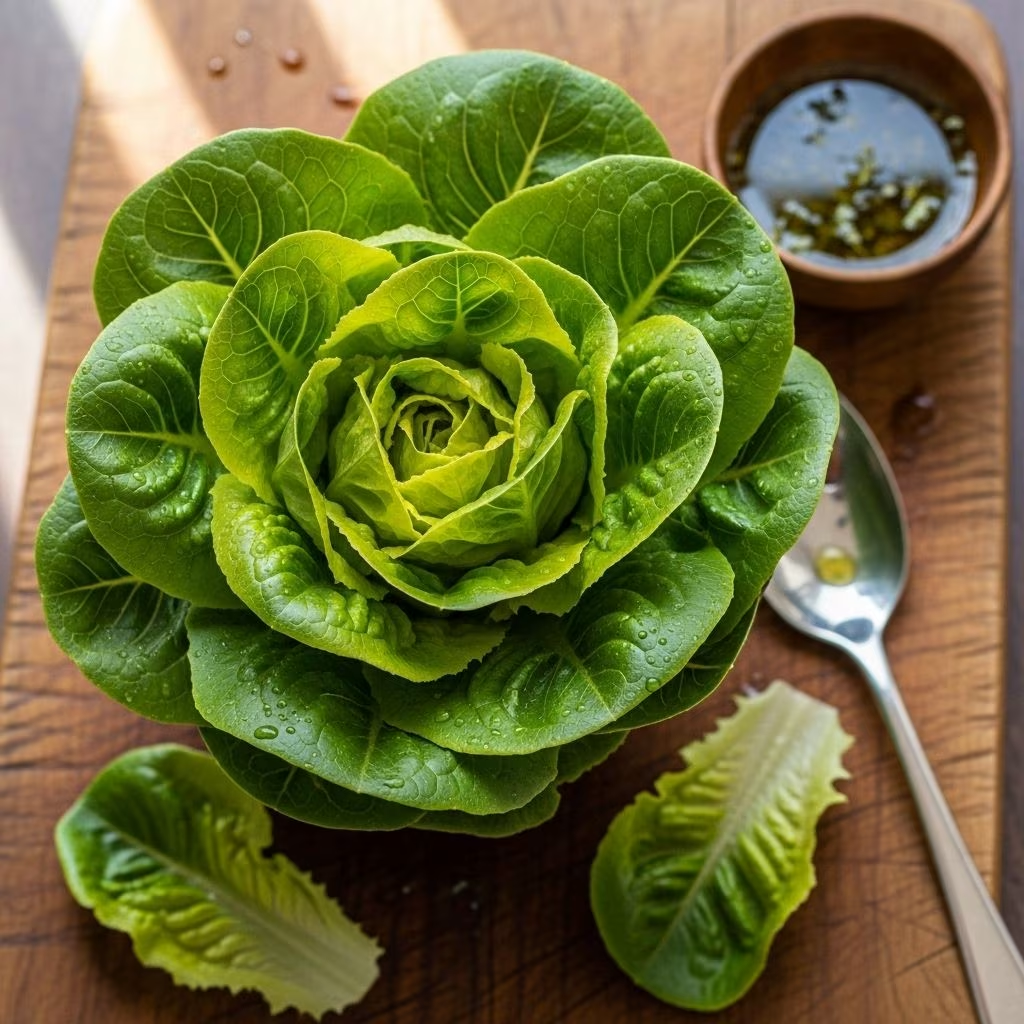
Introduction to Lettuce
Lettuce is one of the most commonly consumed leafy greens worldwide, known for its versatility in salads, sandwiches, and wraps. It belongs to the Lactuca sativa family and is grown in various forms and colors. Lettuce offers a range of health benefits, including high vitamin and mineral content, and is a key ingredient in many cuisines due to its mild, crunchy texture.
Types of Lettuce
Lettuce is categorized into seven main types: Leaf, Romaine, Iceberg, Butterhead, Summercrisp, Celtuce (Stem lettuce), and Oilseed lettuce. Each type has its unique characteristics, uses, and nutritional profile.
- Leaf Lettuce: Known as looseleaf or cutting lettuce, this type includes varieties like Green Leaf and Red Leaf. It is the most widely planted and is used mainly for salads.
- Romaine/Cos Lettuce: Characterized by its long, upright heads, romaine lettuce is a staple in Caesar salads and is high in vitamins C and K.
- Iceberg/Crisphead Lettuce: The most popular in the U.S., iceberg lettuce is crunchy but low in nutrients.
- Butterhead Lettuce: Known for its buttery flavor and soft texture, varieties include Boston and Bibb lettuce.
- Summercrisp/Batavian Lettuce: A mix between crisphead and leaf types, offering a bolting resistance and rich flavor.
- Celtuce/Stem Lettuce: Used in Asian cooking for its stem.
- Oilseed Lettuce: Grown for its seeds which are used as cooking oil.
Benefits of Lettuce
Lettuce is rich in vitamins A, C, and K, along with minerals like calcium and iron. It is also low in calories and high in fiber, making it a nutritious addition to a balanced diet.
Culinary Uses of Lettuce
Lettuce is versatile and can be used in salads, sandwiches, wraps, and as a garnish. Different types of lettuce offer unique textures and flavors that enhance various dishes.
Taste and Texture of Lettuce
The taste and texture of lettuce can vary significantly depending on the type. Leaf lettuce can range from sweet to bitter, while butterhead lettuce is known for its buttery flavor. Romaine lettuce has a crunchy texture, making it ideal for salads.
Frequently Asked Questions (FAQs)
Q: What are the health benefits of lettuce?
A: Lettuce is rich in vitamins and minerals, low in calories, and high in fiber, making it beneficial for heart health and digestion.
Q: How do I grow lettuce at home?
A: Lettuce can be grown easily at home by ensuring it receives adequate sunlight and water. It can thrive in cooler climates and can be planted in early spring or late summer for a fall harvest.
Q: What is the best type of lettuce for salads?
A: Romaine lettuce is popular for salads due to its crunchy texture and mild flavor, but other types like leaf lettuce and butterhead can also be used based on personal preference.
References
- https://fruitgrowers.com/the-fgs-guide-to-lettuce-varieties/
- https://en.wikipedia.org/wiki/Lettuce
- https://www.liveeatlearn.com/types-of-lettuce/
- https://sowtrueseed.com/blogs/gardening/10-types-of-lettuce
- https://thatsaladlady.com/blog/meal-prep-planning/lettuce-reimagine-our-salads-a-journey-through-the-leaves/


