


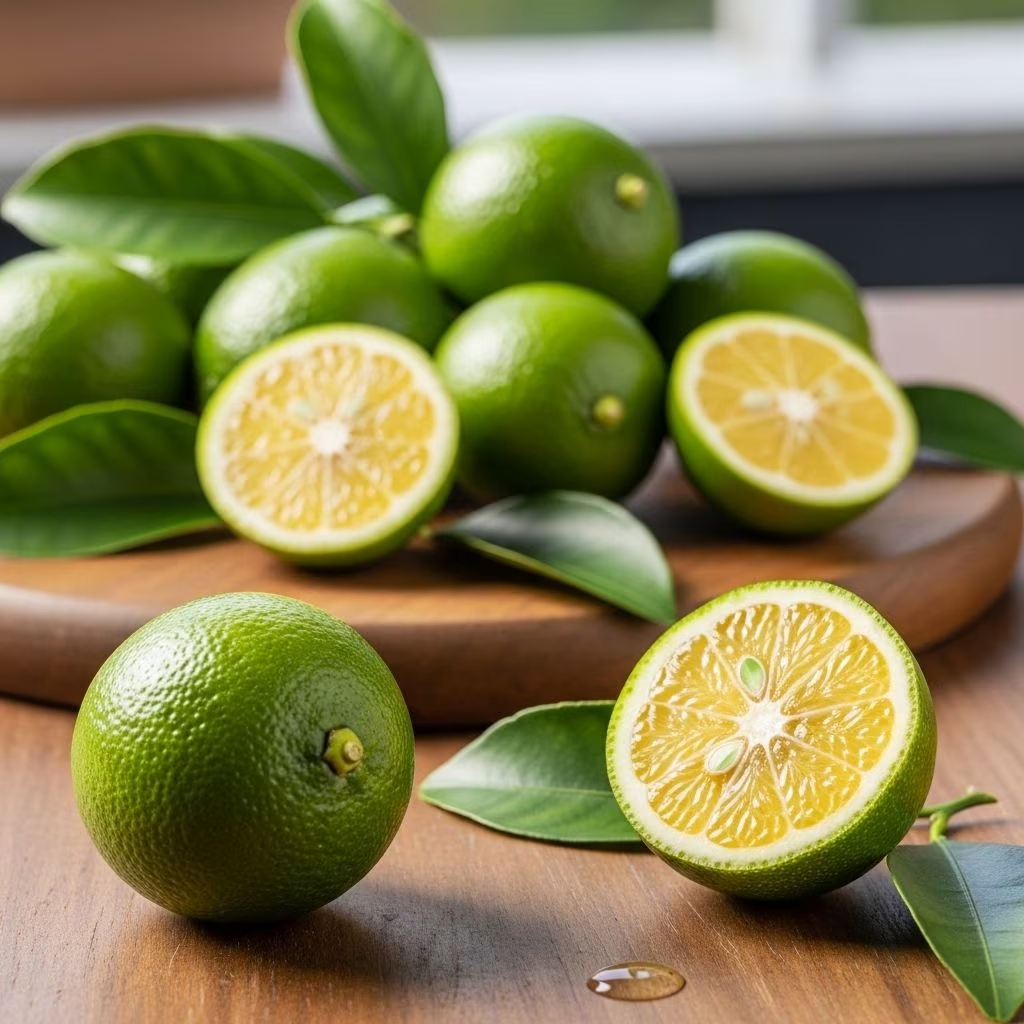
Limequats bring together the best of the citrus world, combining the refreshing tartness of limes with the edible sweet-tart peel of kumquats. This hybrid fruit has a distinctive character, offering culinary possibilities, practical health benefits, and a fascinating history. In this comprehensive guide, you will discover what limequats are, delve into their origins, gain insights into their nutritional profile, learn about their uses, and find out how you can enjoy their bold flavor in a wide range of recipes.
What Are Limequats?
Limequat (Citrus × floridana) is a hybrid citrus fruit, produced by crossing a Key lime (Citrus x aurantiifolia) and a kumquat (Fortunella margarita). This combination yields a small, oval fruit that is mostly yellow to greenish-yellow when ripe, characterized by a thin, edible skin and juicy, tart flesh.
- Hybrid Origin: Combination of Key lime and kumquat genetics.
- Botanical Name: Citrus × floridana.
- Edible Skin: Unlike pure limes, the peel of the limequat is sweet and can be eaten.
- Uses: Eaten raw, in drinks, desserts, jams, savory dishes, and more.
Limequats retain the highly aromatic quality of limes, but are more cold-hardy, thanks to infusions from the kumquat parent. Commonly used in cocktails, salads, marmalades, and baking, limequats offer a delightful addition to any citrus lover’s palate.
Origins and History
Limequat fruit has its origins in early 20th-century Florida. The first successful hybridization is credited to Walter Tennyson Swingle, a renowned botanist and plant explorer, who crossed Key lime with kumquat in 1909. Swingle introduced three main limequat varieties—‘Eustis’, ‘Lakeland’, and ‘Tavares’—named after Florida towns.
- Developed: Florida, USA, 1909.
- Botanist: Walter Tennyson Swingle, working with the US Department of Agriculture.
- Purpose: To develop a citrus hybrid with the flavor of lime and cold tolerance of kumquat.
Today, limequats are cultivated in warm and subtropical climates worldwide, including the United States (Florida, California, Arizona, Texas), Japan, Israel, Spain, South Africa, Malaysia, and the UK. Their resilience and ornamental appeal make them a popular choice not only for citrus orchards but also for home gardens and containers.
Appearance and Characteristics
Limequat trees are small, attractive plants, often grown as shrubs or compact trees in both indoor and outdoor settings. Here are the key features of limequat plants and their fruits:
- Height: Mature plants reach approximately 1.5 to 2.5 meters tall.
- Leaves: Glossy green, leathery, and typically citrus-like with pointed tips.
- Thorns: Some varieties produce small, pointed thorns at the base of the leaves.
- Flowers: Small, white, and highly fragrant, often appearing in clusters.
- Fruit:
- Shape: Oval or slightly elongated.
- Size: 3-5 cm long, smaller than traditional limes.
- Color: Yellow to greenish-yellow when ripe.
- Peel: Thin, edible, and slightly sweet.
- Pulp: Tart, juicy, segmented, with small seeds present.
- Productivity: Trees produce large quantities of fruit, often even when young.
- Cold-Hardiness: More tolerant of cool temperatures than most lime varieties, but less than kumquats.
Nutritional Value and Health Benefits
Limequats are packed with nutrients, featuring all the healthy attributes of both limes and kumquats. They are particularly noted for their high vitamin C content and antioxidant properties.
| Nutrient | Value per 100g (Approximate) | Benefit |
|---|---|---|
| Vitamin C | ~45 mg | Boosts immune system; antioxidant |
| Dietary fiber | 2-3 g | Supports digestion, gut health |
| Potassium | ~150 mg | Helps maintain blood pressure |
| Carbohydrates | 9-12 g | Source of energy |
| Calories | 30-50 kcal | Low-calorie fruit option |
Key Health Benefits:
- Supports Immunity: High in vitamin C, which strengthens the immune system and helps combat colds and infections.
- Antioxidant Properties: Rich in ascorbic acid and other plant compounds that fight cell damage.
- Promotes Digestive Health: Fiber content aids regularity and gut health.
- Hydration and Electrolytes: Contains potassium and water, supporting hydration and cellular function.
- Weight Management: Low calorie and naturally low in fats and sugars, making it suitable for balanced diets.
- Versatile for Special Diets: Suitable for vegan, vegetarian, gluten-free, and paleo diets.
How Do Limequats Taste?
Limequats offer a complex flavor profile that is both tart and sweet, with elements inherited from their lime and kumquat lineage.
- Pulp: Intensely tart, similar to limes but often described as slightly milder and more aromatic.
- Peel: Edible, thin, sweet-tart, and less bitter than lime peel, adding a pleasant sweetness when eaten whole or candied.
- Overall Taste: Eating a whole limequat (flesh plus peel) produces a harmonious blend of sweet, sour, and slightly bitter notes.
Some people enjoy the full citrus experience by consuming the entire fruit—skin and all—whereas others may prefer using the juice or zest in recipes. The taste is best described as a “mini lime with a bonus of edible sweetness from the peel.”
Culinary Uses of Limequat
Limequats are prized for their culinary versatility. Chefs and home cooks use them in a range of applications, from simple snacks to gourmet recipes.
Popular Ways to Use Limequats:
- Raw: Eat whole, slice, or add to fruit salads for a tart-sweet kick.
- Juicing: Their juice can substitute for lime or lemon in drinks and dishes.
- Marmalades and Jams: The edible rind makes them ideal for preserves and marmalade.
- Baking: Add zest or pulp to cakes, tarts, muffins, and scones for a citrus note.
- Confectionery: Candy whole limequats as a sweet-tart treat or garnish.
- Savory Cooking: Use juice or slices in marinades, salad dressings, or as a flavor boost for seafood, poultry, and vegetables.
- Drinks: Add to cocktails, mocktails, or infuse in water or tea for a refreshing citrus burst.
Tip: When cooking or making preserves, it is advisable to remove the seeds, as they can impart a bitter taste.
How to Grow Limequat Trees
Limequats are popular in home gardens and as potted patio plants. They are easier to care for than many citrus species, thanks to their compact size and greater cold tolerance.
Growing Conditions:
- Temperature: Ideal range is 10–30°C (50–86°F). Short frost periods possible but should be protected from prolonged freezes.
- Light: Full sun is essential for optimal fruit yield and healthy growth.
- Soil: Well-drained, fertile soil is preferred—use potting mixes in containers for drainage and nutrients.
- Watering: Regular watering; avoid waterlogging but do not let the soil dry out completely.
- Fertilizer: Use balanced citrus fertilizer during growing season for best flowering and fruiting results.
- Container Growth: Limequat trees adapt well to container cultivation, making them suitable for balconies and patios.
Limequat trees flower and bear fruit for about 5–7 months per year, then rest for a similar period before restarting the cycle. They are mostly self-pollinating and rarely require cross-pollination from other plants.
Varieties of Limequat
Swingle introduced three main limequat cultivars in the early 20th century, each with distinct characteristics:
- ‘Eustis’: Most widely grown, closely resembles Key lime in flavor, prolific fruiting, popular for home and commercial use.
- ‘Lakeland’: Slightly larger fruit, robust flavor, highly productive.
- ‘Tavares’: Noted for a larger, more elongated fruit and less acidic flavor profile.
All three are available commercially, though ‘Eustis’ is most commonly found in markets and nurseries.
Limequat in Comparison to Other Citrus Fruits
| Fruit | Key Features | Flavor | Best Uses |
|---|---|---|---|
| Limequat | Hybrid; edible rind; small, oval; yellow-green | Tart-sweet, aromatic | Whole fruit, juice, marmalade, candied, drinks |
| Key Lime | Pure lime species; very tart; thin skin, not edible | Intense tartness, aromatic | Juice, pies, drinks, marinades |
| Kumquat | Small, oval; edible sweet skin; tart flesh | Sweet skin, tart pulp | Eaten whole, preserves, salads |
| Lemon | Larger; thick rind; strong acidity | Sharp acidity | Juice, zest, desserts, drinks |
Frequently Asked Questions (FAQs)
Q: Can you eat limequat raw?
A: Yes, limequats can be eaten raw, including their edible skin, which is sweet-tart and less bitter than lime peel.
Q: Are limequats good for you?
A: Limequats are nutritious, providing significant vitamin C, dietary fiber, and beneficial antioxidants to support immunity and overall health.
Q: How do you use limequats in cooking?
A: Limequats can be used in their entirety for marmalade, candied, in desserts, as a tangy addition to salads, or juiced for drinks and marinades.
Q: Is the limequat tree suitable for container gardening?
A: Absolutely. Limequat trees adapt well to pots and containers, making them ideal for patios, balconies, or even sunny indoor spots.
Q: What is the main difference between limequat and kumquat?
A: While both have edible skin, limequats are much tarter (due to the lime parent) and are most similar to limes in flavor, whereas kumquats are sweeter overall.
Key Takeaways
- Limequats are a small, tangy citrus hybrid with edible skin and a unique flavor.
- Rich in vitamin C and fiber, offering notable health benefits.
- Culinarily flexible—used in sweet, savory, and beverage applications.
- Easy to grow in containers and suited for both home gardens and culinary adventures.
Limequats remain a hidden gem in the citrus family, bringing together the best qualities of both limes and kumquats in a beautifully versatile fruit.
References
- https://en.wikipedia.org/wiki/Limequat
- https://www.freshfruitportal.com/news/2021/12/15/how-to-grow-limequat-the-ideal-combination-between-lime-and-kumquat/
- https://floridafruitgeek.com/2017/12/07/limequat-a-delicious-type-of-citrus-and-the-fruit-geek-who-created-it/
- https://plantura.garden/uk/fruits/limequat/limequat-overview
- https://www.pearsonranch.com/collections/limequats
- https://www.vanzyverden.com/garden-guides/spring-planting/edible-plants-trees/berries-fruit/limequat/
- https://www.gardenia.net/plant/citrus-x-floridana-limequat
- https://www.friscovista.com/news/fruit/limequat-a-new-addition-to-the-citrus-collection/


