


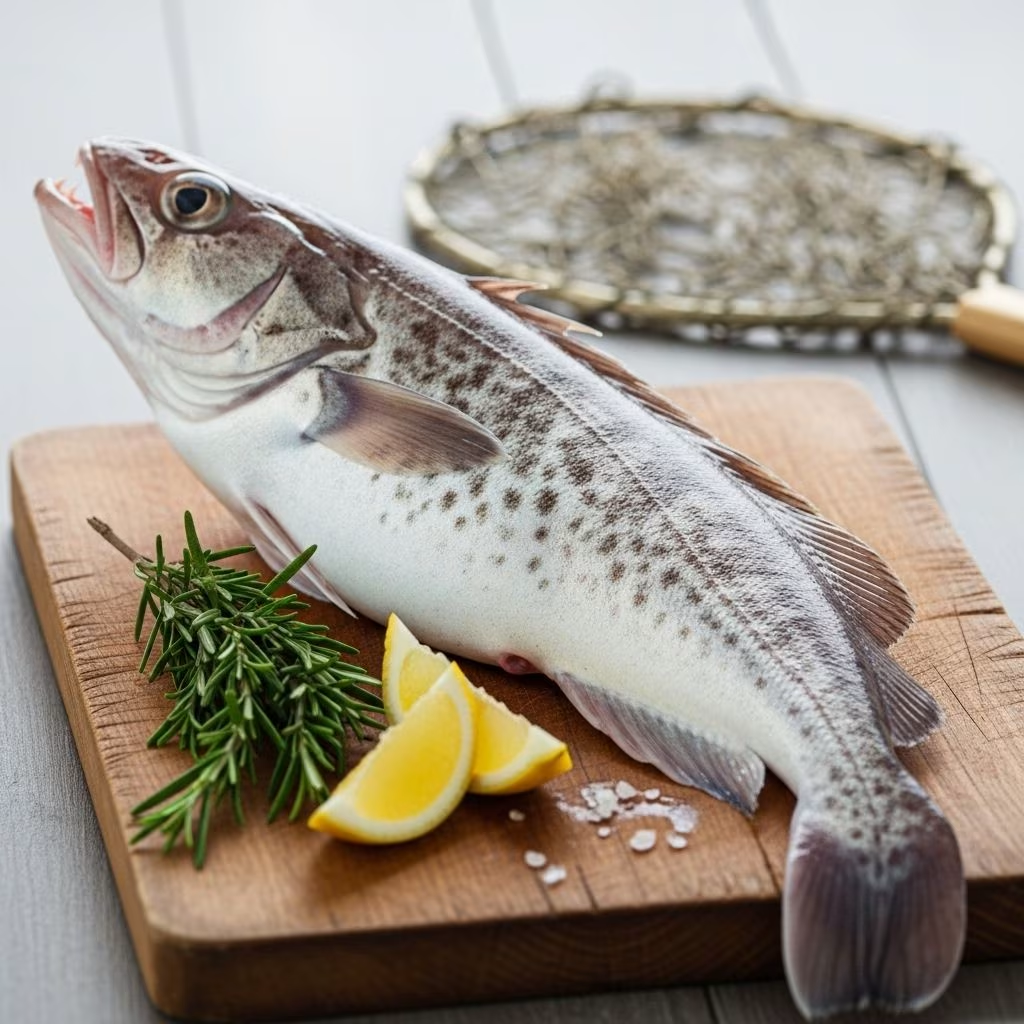
Lingcod is a fascinating fish both in its ancient origins and the spectrum of roles it plays in marine biology, cuisine, and nutrition. Revered by anglers and prized by chefs for its unique color, delicious flesh, and firm texture, lingcod is one of the great culinary treasures of the Pacific coast. In this comprehensive guide, we’ll detail what lingcod is, explore its nutritional and ecological benefits, showcase its diverse culinary uses, and explain what sets its taste apart from other seafood.
Lingcod Overview: Origins and Habitat
Despite its name, lingcod (Ophiodon elongatus) is neither a true ling nor a cod. It is a member of the greenling family and is the only living member of its genus, making it an evolutionary standout. Lingcod has inhabited the coastal waters of North America for millennia and has become integral to both the marine ecosystem and coastal cultures.
- Geographic Range: Native to the Pacific coastline from the Shumagin Islands in the Gulf of Alaska to Baja California, Mexico. The densest populations are found off British Columbia and Washington State .
- Habitat: Prefers rocky reefs, kelp forests, eelgrass beds, and areas with strong underwater currents. Lingcod avoid muddy or sandy bottoms and are typically found at depths ranging from 10–100 meters, but have been recorded as deep as 475 meters .
- Lifestyle: Lingcod is considered a nonmigratory, bottom-dwelling species and is highly territorial. Adults take refuge in crevices or among rocks, hunting crustaceans, squid, and smaller fish .
Ecological Role
Lingcod plays a vital role in its ecosystem as an apex ambush predator. It keeps populations of smaller fish and invertebrates in balance and is a key food source for larger marine predators. Lingcod eggs and larvae, in particular, are a food source for a variety of marine life.
Physical Description and Life Cycle
Lingcod is instantly recognizable to those familiar with Pacific waters due to its prehistoric appearance and striking coloration:
- Body Shape: Elongated, muscular body featuring a large, broad head and an expansive mouth filled with approximately 18 sharp, canine-like teeth .
- Coloration: The back is typically mottled with gray, brown, blue, or green, and copper spots may appear. The belly is lighter. Some lingcod exhibit vivid blue-green flesh, earning them nicknames like “smurf cod” . The coloration disappears during cooking, with the flesh turning opaque white.
- Size: Can grow up to 152 cm (about 5 feet) and weigh up to 39 kg (86 lbs), although most caught are between 10 and 20 lbs .
- Sexual Dimorphism: Females generally grow larger than males.
- Lifespan: Capable of living for over 20 years, with maturity reached in males at two years old (20 inches) and females at three years old (30 inches) .
Life Cycle and Behavior
- Larval and juvenile lingcod reside in shallow sandy areas, progressing to kelp forests as they mature.
- Adults stay in deeper, rocky substrates.
- Seasonal movement is minimal; most individuals are notably faithful to their home range.
- Spawning occurs in shallow, rocky areas. Females may migrate for spawning, but males remain territorial throughout their lives .
- Eggs are guarded by males, increasing the chances of survival in rocky crevices.
Nutritional Benefits of Lingcod
Lingcod is highly esteemed as a lean source of protein and valuable nutrients, making it a staple of healthy diets and recommended by nutritionists. Some core health benefits include:
- Low Fat, Low Calories: Lingcod is a lean fish, making it well-suited for low-fat and low-calorie food plans.
- High Protein: Typically provides 20–22 grams of high-quality protein per 100-gram serving, supporting muscle growth and overall health.
- Omega-3 Fatty Acids: Contains moderate levels of omega-3s (EPA and DHA), which are essential for heart and brain health.
- Rich in Vitamins and Minerals:
- Vitamin B12
- Niacin (B3)
- Phosphorus
- Selenium
- Pantothenic acid (B5)
- Potassium
- Low Mercury Levels: Compared to many larger predatory fish, lingcod generally has lower mercury content, making it safe for regular consumption.
Lingcod Nutritional Table (Per 100g, cooked)
| Nutrient | Amount |
|---|---|
| Calories | 85–95 kcal |
| Protein | 20–22 g |
| Total Fat | 0.8–1.2 g |
| Omega-3s (EPA+DHA) | ~400 mg |
| Vitamin B12 | approx. 2.5 mcg |
| Selenium | ~31 mcg |
| Potassium | 325 mg |
Culinary Uses of Lingcod
Lingcod is treasured in culinary circles for its versatility and the quality of its flesh. Its snow-white, firm, and flaky meat lends itself to a wide range of preparations, from high-end restaurant plates to home-cooked meals.
- Fillets: Most commonly marketed in fillet form—boneless, easy to work with, and fast-cooking.
- Steaks: Cross-sections including some of the backbone are well suited for grilling or broiling.
- Whole Fish: Ideal for baking, roasting, or preparing in traditional styles (such as Pacific Northwest “whole-baked lingcod”).
- Fish and Chips: Lingcod’s firm texture holds up exceptionally well for deep frying, making it a favorite for classic fish and chips.
- Soups and Stews: The robust flesh does not disintegrate, perfect for chowders and seafood stews.
- Sashimi/Ceviche: Sushi-grade lingcod is sometimes presented raw or cured in ceviche, though this is less common than more established white fish.
Popular Cooking Methods
- Grilling (marinated or brushed with oil)
- Pan-searing in butter or olive oil
- Oven-baking with herbs, garlic, and citrus
- Broiling for a smoky finish
- Deep frying for hearty preparations
- Poaching in broth or wine for more delicate dishes
Taste Profile: What Does Lingcod Taste Like?
Lingcod is celebrated for a mild, succulent taste and appealing texture that appeals to both adventurous eaters and those who typically shy away from strong-flavored seafood.
- Mild Flavor: Lingcod is less oily and fishy-tasting compared to salmon or mackerel, but slightly richer than sole or rockfish.
- Delicate Sweetness: The flesh often has a subtle sweet note—enhanced by simple seasonings such as lemon or herbs.
- Firm, Flaky Texture: Supports a range of cooking techniques without falling apart, similar to grouper or Pacific cod.
- Color Transformations: Raw fillets can display a blue or greenish hue, which cooks out to a pristine white—making for an eye-catching presentation .
- Versatility: The mild taste makes it a “chef’s blank canvas,” absorbing flavors from sauces, marinades, spices, and smoke exceptionally well.
Comparison Table: Lingcod vs. Other White Fish
| Fish Species | Taste | Texture | Best Uses |
|---|---|---|---|
| Lingcod | Mild, slightly sweet | Firm, large flakes | Grilling, frying, baking |
| Pacific Cod | Very mild | Firm, flaky | Frying, soups, stews |
| Halibut | Mild, slightly buttery | Dense, flaky | Grilling, roasting |
| Rockfish | Mild | Tender, medium flakes | Baking, steaming |
Buying and Storing Lingcod
Sourcing fresh, high-quality lingcod enhances the cooking experience and maximizes health benefits. Keep the following guidelines in mind:
- Appearance: Look for moist, translucent fillets without a strong fish odor. Blue or green-hued flesh is safe and natural.
- Fresh vs. Frozen: Both fresh and properly frozen lingcod maintain their quality well.
- Storage: Store fresh fillets or steaks on ice and consume within two days. For freezing, tightly wrap portions to avoid freezer burn and use within 3-4 months for best quality.
- Sourcing: Whenever possible, choose lingcod from sustainable fisheries in the Pacific Northwest to ensure environmental responsibility.
Sustainable Harvesting and Fisheries
Lingcod populations are monitored by NOAA Fisheries and state agencies to prevent overfishing. Two main stocks exist in the North Pacific: the Northern and Southern Pacific stocks. Thanks to effective management regulations, including seasonal restrictions, size limits, and gear controls, lingcod is not considered an endangered or threatened species .
- Sustainable Status: Lingcod fisheries off the U.S. and Canadian west coasts are among the better-managed fisheries, offering a sustainable seafood choice.
- Fishing Methods: Wild-caught with hook-and-line, bottom trawling, and by recreational anglers.
- Ecological Importance: Harvesting regulations help maintain the species’ crucial role in marine ecosystems and reduce the risk of population decline.
Frequently Asked Questions (FAQs)
Q: Is lingcod safe to eat raw?
A: Lingcod can be eaten raw if sushi-grade and properly handled, but always consult your fishmonger and observe food safety practices due to the risk of parasites.
Q: Why is some lingcod meat blue or green?
A: The striking blue or green tint is caused by biliverdin, a bile pigment, often linked to the diet of the fish or genetic variation. It is perfectly safe to eat, and the color fades after cooking.
Q: How does lingcod compare to halibut?
A: Although lingcod and halibut are both white, flaky fish with mild flavors, lingcod tends to be firmer with a larger flake texture and can be slightly sweeter. Halibut is denser and more buttery in taste.
Q: What is the best way to cook lingcod?
A: Lingcod’s firmness makes it suitable for grilling, frying, and baking. For a classic preparation, coat in breadcrumbs and pan fry, or grill with garlic and lemon for a simple, bright flavor.
Q: Is lingcod a sustainable seafood choice?
A: Yes, when sourced from regulated Pacific Northwest fisheries, lingcod is considered a sustainable and responsible choice thanks to robust fishery management practices.
Q: Does lingcod have a lot of bones?
A: Like all fish, lingcod has bones, but its large, firm fillets are easily deboned, making it a favorite in kitchens for hassle-free preparation.
Conclusion
Lingcod represents one of the Pacific’s greatest natural and culinary resources. With its unique color, mild and subtly sweet flavor, impressive nutritional value, and sustainability, lingcod is as versatile in the kitchen as it is vital in the wild. Whether you’re new to seafood or an aficionado, it’s worth trying lingcod for its taste, health benefits, and the story it brings from the depths to your plate.
References
- https://en.wikipedia.org/wiki/Lingcod
- https://animaldiversity.org/accounts/Ophiodon_elongatus/
- https://www.vitalchoice.com/articles/food-facts/what-is-lingcod
- https://myodfw.com/fishing/species/lingcod
- https://www.fisheries.noaa.gov/species/lingcod
- https://www.adfg.alaska.gov/index.cfm?adfg=lingcod.printerfriendly
- https://www.montereybayaquarium.org/animals/animals-a-to-z/lingcod
- https://caseagrant.ucsd.edu/seafood-profiles/lingcod
- https://wildalaskancompany.com/blog/everything-you-need-to-know-about-lingcod
- https://www.seafoodwatch.org/recommendation/lingcod/lingcod-57184


