


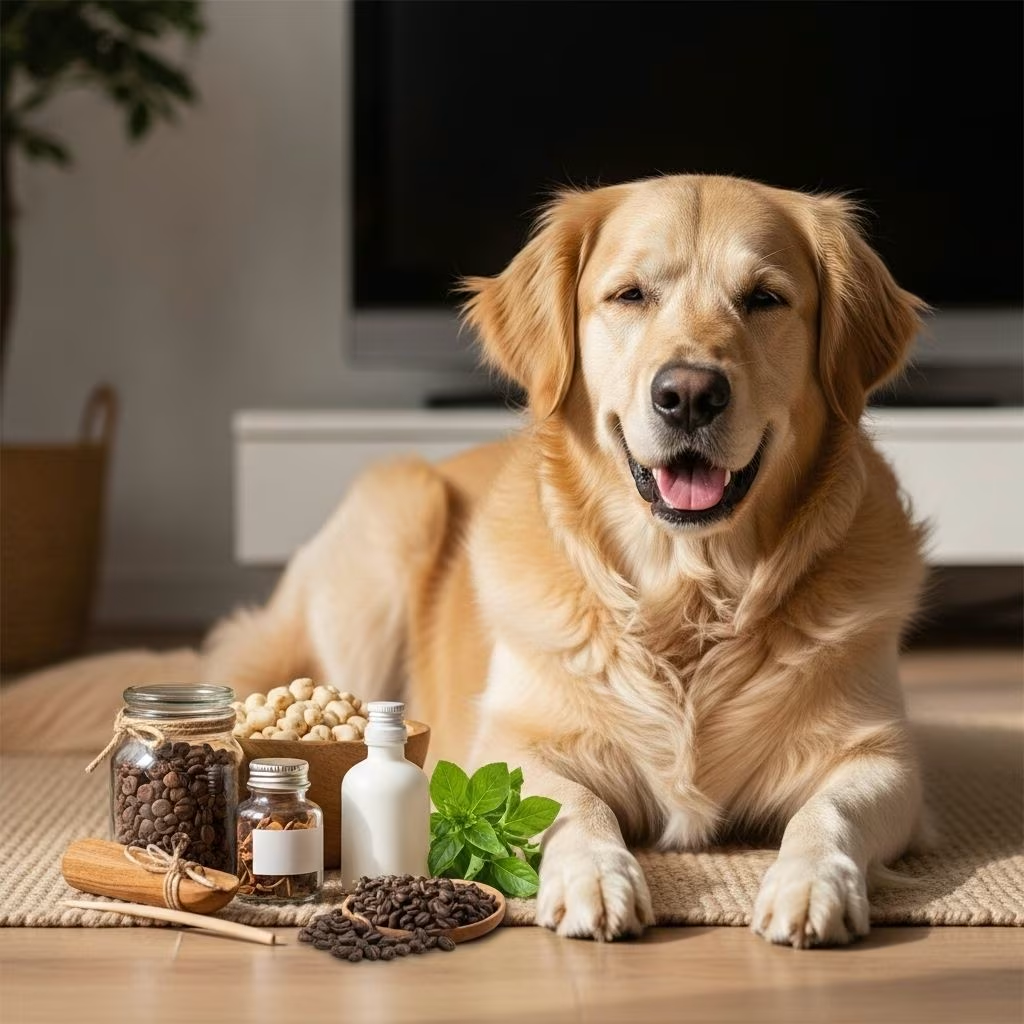
Home Remedies for Your Dog: A Complete Guide to Safe, Natural Solutions
Your dog’s wellness matters, and when common minor ailments strike, knowing home remedies offers comfort, convenience, and effective care. While veterinary advice is always recommended for serious or persistent issues, many mild dog problems can be relieved at home using simple, safe treatments. Below, explore tried-and-tested solutions for digestive upset, skin itching, ear discomfort, minor wounds, and more—most using ingredients you already have.
The Importance of Veterinary Guidance
Always check with your veterinarian before starting any remedy, especially if symptoms are moderate, worsen over time, or do not respond quickly to home treatment. Remedies are best suited for mild issues, and a vet’s advice ensures safety and effectiveness.
Common Dog Health Problems and Trusted Home Remedies
Mild Diarrhea, Upset Stomach, or Mucus in Stool
Mild digestive upsets—from sudden changes in routine or indiscriminate eating—can often be managed at home if your dog otherwise acts normal.
- Bland Diet: Boiled skinless chicken or turkey (no seasoning or fat) mixed with plain white rice is gentle and nourishing. Use a 2:1 ratio—two parts rice to one part meat—and feed small portions throughout the day.
- Plain Yogurt: Unsweetened, low-fat plain yogurt supports gut flora and aids digestion. Add 1-2 teaspoons to meals for dog-friendly probiotics.
- Canned Pumpkin: Not pumpkin pie filling—just pure, plain, canned pumpkin offers both soluble and insoluble fiber, normalizing stool and soothing the digestive tract. Start with 1-2 teaspoons daily for small dogs, up to 1-2 tablespoons for larger breeds.
- Strategic Fasting: For adult dogs, fasting for 12-24 hours (water always available) can reset the gastrointestinal tract. This should not be used for puppies, seniors, or dogs with health risks.
- Probiotics: If available, adding probiotic supplements may further support healthy stool formation.
Seek veterinary care for blood in stool, vomiting, severe lethargy, or if diarrhea persists beyond 48 hours[10].
Constipation
If your dog strains but produces dry or hard stool, gentle dietary remedies can ease blockages and improve regularity.
- Canned Pumpkin provides soluble fiber for mild constipation.
- Plain Yogurt can help balance gut bacteria.
- Ensure Hydration: Make sure your dog has access to fresh water at all times.
- Olive or Coconut Oil: A teaspoon added to food, once daily, may lubricate the digestive tract—use sparingly.
If constipation persists, or your dog is straining unsuccessfully, see your vet promptly.
Minor Skin Irritations, Itchy Skin, and Hot Spots
Dogs commonly experience itching, redness, or minor skin lesions due to allergies, insect bites, or contact irritants.
- Oatmeal Baths: Grind plain oatmeal into a fine powder, add to warm bath water, and allow your dog to soak for 5-10 minutes. Oatmeal’s anti-inflammatory properties soothe discomfort and itch.
- Coconut Oil: Apply a thin layer of organic coconut oil to small, dry patches or mild rashes. Its natural antifungal and antibacterial action helps heal skin.
- Chamomile Tea Spray: Prepare weak chamomile tea, let cool, and spritz irritated areas, or gently dab with a cloth soaked in tea. This relieves itching and minor inflammation.
- Apple Cider Vinegar (Diluted): For hot spots, mix equal parts apple cider vinegar and water. Dab lightly with a cotton ball to soothe itching (never use on broken or raw skin).
Do not use essential oils or undiluted vinegar on open wounds. If itching or redness persists, a veterinary examination is needed.
Wound Care and Minor Scrapes
Treat small cuts, abrasions, or paw injuries with gentle cleaning and natural remedies:
- Epsom Salt Soaks: Dissolve Epsom salts in warm water and soak affected paws to reduce swelling, support healing, and clean wounds.
- Hydrogen Peroxide (Diluted): For superficial cleaning, use a diluted hydrogen peroxide solution (never concentrated), followed by gentle drying. Use this sparingly, as hydrogen peroxide can irritate healthy tissue if overused.
For bleeding, deep wounds, or signs of infection (pus, swelling, heat), consult your veterinarian.
Ear Cleaning and Discomfort
Ear irritation can arise from wax buildup, dirt, or mild infections.
- Coconut Oil: Warm a small amount and apply with a clean cotton ball inside the ear flap to soothe and nourish mild irritations.
- Chamomile Tea: Dropping a few cool, filtered chamomile tea drops may relieve mild redness.
Avoid placing any liquid deep into the ear canal and never use home remedies for suspected ear infections, severe pain, or discharge—these require a vet’s care.
Relieving Allergies or Sensitivities
Dogs commonly develop seasonal allergies or sensitivities, often visible as excessive licking or scratching.
- Oatmeal Baths and Chamomile Sprays relieve allergic skin reactions.
- Bland Diet and Yogurt may reduce gastrointestinal symptoms from food sensitivities.
- Pumpkin supports digestive health during allergy flare-ups.
Identify and eliminate environmental triggers (dust, pollen, certain foods) when possible.
Deodorizing After Skunk Spray
If your dog is sprayed by a skunk, neutralizing odors can be achieved with a homemade solution:
- Mix 4 cups hydrogen peroxide with 1 cup baking soda and a dash of gentle dish soap.
- Apply generously to coat; leave for five minutes before rinsing thoroughly. Repeat as needed.
Avoid contact with eyes or open wounds; try to keep your dog calm while washing.
Natural Remedies for Motion Sickness and Mild Anxiety
Some dogs experience anxiety or mild nausea during travel.
- Ginger: Small pieces of raw ginger (about 1/4 teaspoon per 10 pounds) can be offered before travel, but confirm dosage with your vet.
- Chamomile Tea: A teaspoon added to food or water may calm mild nerves.
Most anxiety issues require professional behavioral guidance.
Vitamins, Supplements, and Food Additions
- Probiotics: Consider adding a vet-approved probiotic supplement, especially after antibiotics or digestive upset.
- Fiber: Pumpkin, sweet potatoes (cooked, plain), and brown rice add healthy fiber for digestive regulation.
- Omega-3 Fatty Acids: Fish oil, when approved by your vet, supports skin, coat, and joint health.
- Calcium: Plain yogurt adds calcium, but avoid dairy if your dog is sensitive.
Always discuss long-term supplement use with your veterinarian, as overdosing or inappropriate choices may harm your pet.
Best Practices for Safe Home Care
- Start with Small Amounts: Introduce remedies gradually and watch your dog’s reaction.
- NEVER Use Remedies Intended for Humans: Many over-the-counter human preparations, such as pain relievers, can be toxic to dogs.
- Do Not Use Essential Oils Without Veterinary Guidance: Some can irritate skin or cause serious reactions.
- Monitor for Persistent Symptoms: If no improvement is seen in 24-48 hours, seek veterinary help.
In-Depth Home Remedy Table for Common Dog Issues
| Dog Issue | Home Remedy | Usage | When to See a Vet |
|---|---|---|---|
| Mild Diarrhea | Bland Diet (Chicken & Rice) | Small frequent servings (2:1 ratio rice to chicken) | Persistent >48 hrs, blood in stool, vomiting |
| Constipation | Canned Pumpkin | 1-2 tsp per meal (small dog); 1-2 tbsp (large dog) | Straining without result, >48 hrs, pain |
| Itchy Skin/Hot Spots | Oatmeal Bath | 5-10 min soak in ground oatmeal & warm water | Spreading redness, raw or open sores |
| Minor Cuts/Wounds | Epsom Salt Soak | Soak paw for 5 min in solution daily | Bleeding, swelling, pus, fever |
| Ear Discomfort | Coconut Oil, Chamomile Tea | Cotton ball dab on ear flap (never deep in canal) | Severe pain, swelling, discharge, odor |
| Skunk Spray | Hydrogen Peroxide + Baking Soda + Dish Soap | Apply mixture, wait 5 min, rinse thoroughly | Contact with eyes or persistent odor |
Frequently Asked Questions (FAQs)
Q: Are these home remedies safe for all dogs?
A: Most listed remedies are safe for healthy adult dogs. However, puppies, elderly dogs, pregnant dogs, or dogs with chronic illnesses should only be treated at home after consulting a veterinarian.
Q: How quickly should I expect results from a home remedy?
A: Mild issues such as upset stomach or minor skin irritation may resolve within 24-48 hours. If symptoms worsen or persist, seek veterinary advice.
Q: Can I use over-the-counter human medicines for my dog?
A: No. Many human medications are toxic to dogs. Always consult your vet before considering any medication, even topical substances, for your pet.
Q: Is canned pumpkin safe for my dog?
A: Yes—plain canned pumpkin (not spiced pie filling) is a well-established remedy for digestive issues. Introduce gradually and monitor for improved stool quality.
Q: What if my dog’s symptoms don’t improve?
A: If your dog’s condition doesn’t improve or seems to worsen after 24-48 hours of home remedy use, schedule a visit with your veterinarian. Serious symptoms such as vomiting, blood in stool, lethargy, or severe pain need prompt professional care.
Summary: Supporting Your Dog’s Health Naturally
While home remedies are not substitutes for professional veterinary care, having safe, natural solutions on hand can provide comfort and relief for mild, common issues. Always monitor your dog closely and review any approach with your veterinarian. Your dog’s health deserves both smart home care and expert support—together fostering a happy, healthy life.
References
- https://www.petmd.com/dog/general-health/home-remedies-for-dogs
- https://www.truecareveterinaryhospital.com/blog/exploring-natural-solutions-holistic-remedies-for-common-pet-ailments/
- https://www.akc.org/expert-advice/health/home-remedies-for-your-dog/
- https://petpace.com/common-dog-health-problems-and-solutions/
- https://www.bluffspetclinic.com/blog/natural-pet-remedies-that-really-work/
- https://www.greenlinpetresorts.com/blog/natural-remedies-for-common-dog-ailments/
- https://www.petcarerx.com/article/safe-and-simple-home-remedies-for-dogs/205
- https://petwell.com.au/blogs/posts/common-dog-health-issues-natural-remedies
- https://www.webmd.com/pets/ss/slideshow-pets-natural-remedies
- https://sunshinepethospital.com/how-to-ease-dog-digestive-issues-with-simple-remedies/


