


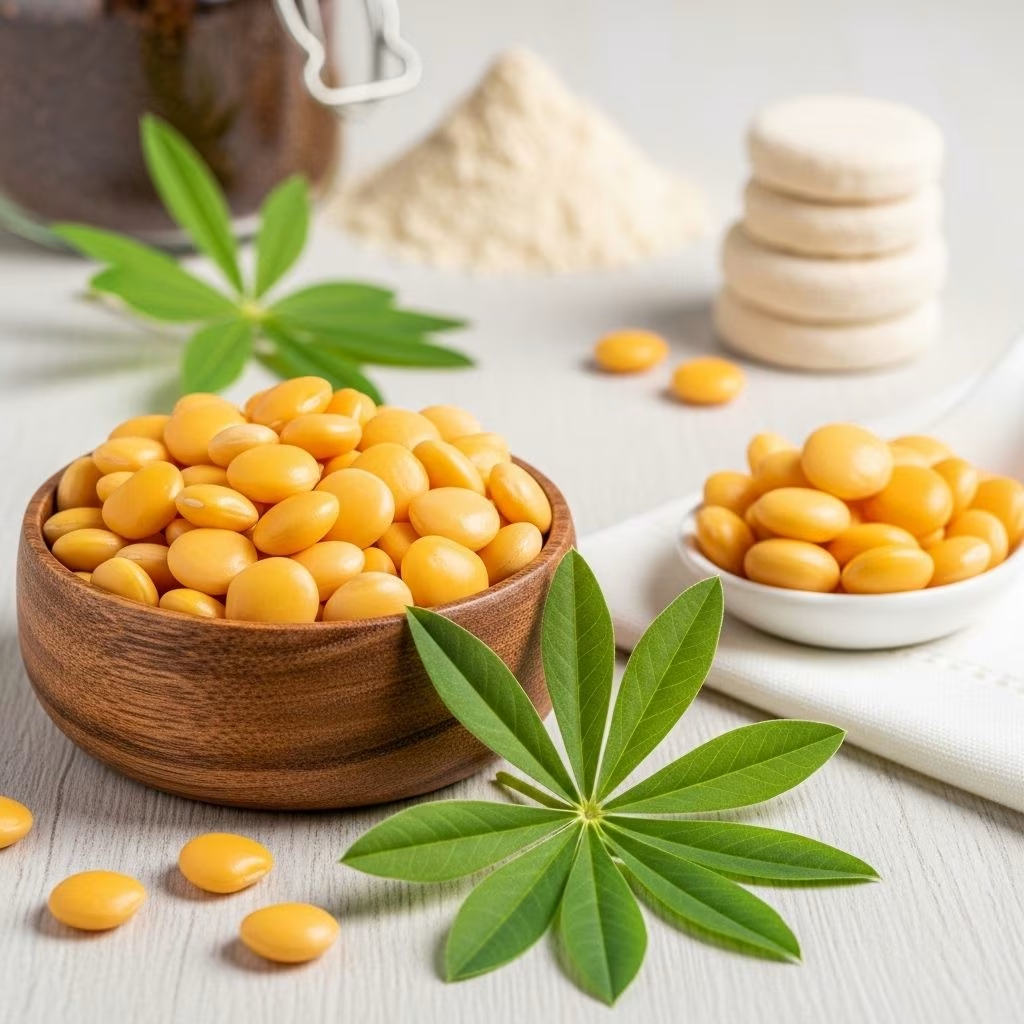
Lupin beans, also known as lupini or lupin, are rapidly becoming recognized worldwide as a powerhouse of plant nutrition, a sustainable crop, and a versatile ingredient that has been valued for millennia in Mediterranean, Latin American, and Middle Eastern cuisines. This article delves deep into all aspects of lupin beans, from history and cultivation to health benefits, uses, safety, and flavor profile, equipping you with comprehensive knowledge to appreciate and enjoy this remarkable legume.
Introduction to Lupin Beans
Lupin beans, or lupini beans, belong to the genus Lupinus in the legume family Fabaceae. These beans are widely grown in Mediterranean regions, Latin America, and also Australia, thanks to their adaptability and remarkable resilience to varying soil conditions. While relatively new to some parts of the world, they have been consumed for thousands of years, with archaeological evidence pointing to their use in ancient Egyptian, Greek, and Roman societies.
Depending on the region, lupin beans are a staple in traditional dishes, enjoyed as snacks, incorporated into salads and stews, and increasingly valued for their nutritional and health-promoting properties.
Botanical Background and Cultivation
Lupin beans are the seeds of various species in the Lupinus genus, part of the pea family. There are over 199 species of lupin plants with centers of diversity in both North and South America, as well as the Mediterranean. The most commonly consumed types are white lupin (Lupinus albus), blue lupin (Lupinus angustifolius), and yellow lupin (Lupinus luteus).
- Plant description: Most lupin plants are herbaceous perennials or annuals ranging 0.3–1.5 meters tall; some can be shrubs or even small trees in certain regions.
- Leaves and flowers: The leaves are palmately divided, and the plants produce dense or open spikes of flowers, varying from white and purple to yellow, depending on the species.
- Seed characteristics: Seeds are typically round and flat, with a hard outer skin; when raw, they contain natural alkaloids imparting notable bitterness.
The lupin plant is renowned for its ability to fix atmospheric nitrogen into the soil, greatly benefiting companion crops and supporting sustainable agricultural practices.
Major Varieties of Lupin Beans
- White lupin (Lupinus albus): Commonly grown in the Mediterranean, it yields large, creamy seeds with a mild flavor, especially after debittering.
- Blue lupin (Lupinus angustifolius): Popular in Australia and northern Europe; smaller seeds and a slightly earthier taste.
- Yellow lupin (Lupinus luteus): Found in southern Europe and North Africa, mainly used as animal feed or for green manure, but also eaten by humans after extensive processing.
All edible lupin varieties must undergo specific processing, traditionally soaking and cooking, to remove naturally occurring alkaloids responsible for bitterness and potential toxicity.
Nutritional Profile
Lupin beans are highly regarded for their dense nutritional content, surpassing many other legumes in important dietary markers. Their unique profile makes them particularly attractive for plant-based, low-carb, and high-protein diets.
| Nutrient (per 100g cooked) | Approximate Amount | Benefits |
|---|---|---|
| Calories | 120–130 kcal | Low energy density for satiety |
| Protein | ~16–18g | Supports muscle growth, repair, satiety |
| Fiber | ~15–17g | Excellent for gut health, glycemic control |
| Net Carbs | 0–2g | Suitable for low-carb and keto diets |
| Fat | 2–3g | Heart-healthy unsaturated fats |
| Minerals & Vitamins | Phosphorus, calcium, iron, magnesium, manganese, B vitamins | Bone health, red blood cell formation, energy metabolism |
- Key features: Lupin beans are virtually starch-free, contain no net carbs, and are composed of slow-digesting oligosaccharides and polysaccharides, plus a significant amount of insoluble dietary fiber.
- Micronutrients: Excellent sources of minerals, especially magnesium, calcium, and iron, plus B-group vitamins essential for energy production and nervous system function.
- Antioxidants: Presence of polyphenols and other anti-inflammatory compounds contribute to broader health benefits.
Comparison: Lupin Beans vs. Other Legumes (Per 100g Cooked)
| Legume | Protein (g) | Fiber (g) | Carbohydrates (g) |
|---|---|---|---|
| Lupin beans | 16–18 | 15–17 | 0–2 (net carbs) |
| Chickpeas | 8–9 | 7–8 | 27–29 |
| Lentils | 9 | 8 | 20 |
| Black beans | 8 | 8 | 23 |
Key Health Benefits
Lupin beans provide many benefits, both as a nutrient-dense food and as a functional component of healthy diets.
- Rich protein content: Supports muscle maintenance and growth, especially important in plant-based and vegetarian diets.
- High fiber: With up to 40% of the seed’s kernel being fiber, lupin helps promote gut health, regular digestion, reduced cholesterol absorption, and improved blood sugar management.
- Low glycemic index: Thanks to negligible starch and slow-release carbohydrates, lupin beans are ideal for glycemic control in individuals with diabetes or pre-diabetes.
- Cardiovascular health: Regular lupin consumption is associated with improved cholesterol ratios and reduced cardiovascular disease risk.
- Anti-inflammatory and antioxidant effects: The naturally-occurring polyphenols and micronutrients provide defense against oxidative stress and inflammation, supporting overall cellular health.
- Prebiotic properties: The fibers and oligosaccharides in lupin beans act as prebiotics, nourishing beneficial gut bacteria and supporting long-term digestive and immune health.
Clinical Evidence and Population Studies
- Research shows that a diet rich in lupin bean protein and fiber can reduce cardiovascular and metabolic risk markers, including improved insulin sensitivity and lower blood pressure.
- Frequent lupin consumption is linked to improved satiety and better weight management, aiding in obesity prevention.
Culinary Uses and Preparation
Lupin beans are uniquely versatile in the kitchen. Their ability to hold shape and absorb flavors makes them a prized ingredient for snacks, salads, spreads, and more.
Traditional and Popular Uses
- Snack foods: In Mediterranean and South American cultures, lupini beans are commonly eaten whole as a snack after thorough soaking and cooking, sometimes brined or marinated with herbs and spices.
- Salads and appetizers: Their pleasant firmness and distinctive flavor make them a preferred addition to salads.
- Soups and stews: Added for protein and texture in various traditional recipes.
- Flour and pasta alternatives: Lupin flour is used in gluten-free baking, pastas, crackers, and protein-rich pancakes.
- Vegan cheese: Thanks to their creamy texture when blended, lupin beans serve as the base for vegan spreads and dairy alternatives.
Preparation and Processing
Because wild and some cultivated lupin beans contain naturally occurring bitter alkaloids, they require soaking (debittering) prior to consumption. This process typically includes:
- Soaking raw beans in multiple changes of cold water for several days to leach out bitterness.
- Cooking the beans vigorously for 1–2 hours.
- Optionally, brining or marinating the cooked beans for flavor.
Commercially available lupin beans are typically pre-processed and safe to eat straight from the packaging after a brief rinse.
Flavor and Taste Characteristics
Lupin beans have a unique flavor profile that sets them apart from other legumes:
- Texture: Firm, almost crunchy in the center, encased in a slightly chewy skin.
- Taste: Mildly nutty, earthy, and subtly bitter if not fully debittered; well-prepared lupin beans are less starchy and more savory compared to chickpeas or fava beans.
- Culinary adaptability: Their neutral yet slightly savory taste allows them to pair well in both sweet and savory dishes and absorb the flavors of marinades, herbs, and spices.
Some people describe lupin’s taste as closer to fava beans, but with less earthy undertone, making them a refreshing snack or textural component in salads and dishes.
Sustainability and Environmental Benefits
- Nitrogen fixation: Lupin plants naturally improve soil fertility by fixing atmospheric nitrogen, reducing the need for chemical fertilizers and supporting sustainable agriculture.
- Adaptability: Thrive in poor, acidic, or sandy soils where other crops fail, enabling crop diversification and enhancing food security.
- Low water requirement: Require significantly less water compared to many other protein crops (such as soybeans).
- High yield potential: Useful as a rotational crop, helping prevent soil depletion and erosion.
Lupin’s eco-friendly farming profile, coupled with its nutritional benefits, positions it as a crop of the future for sustainable food systems.
Considerations and Safety
- Alkaloids and debittering: Raw and unprocessed lupin beans contain natural alkaloids, which are bitter and potentially toxic. Always ensure commercially supplied beans are prepared or follow thorough soaking and cooking methods if handling dried raw beans.
- Allergenicity: Lupin is related to peanuts and some people with peanut allergies may also react to lupin; always check labels if allergic to legumes.
- Dietary integration: Though highly nutritious, it is best to introduce lupin into the diet gradually, especially for those unaccustomed to high-fiber foods, to allow digestive adaptation.
Frequently Asked Questions (FAQs)
What makes lupin beans a superfood?
Lupin beans are called superfoods due to their exceptionally high protein, fiber content, density of vitamins and minerals, low net carbohydrates, and array of antioxidants—all contributing to multiple health benefits beyond simple nutrition.
How do lupin beans compare to other beans for low-carb or keto diets?
Unlike chickpeas or lentils, lupin beans are virtually starch-free and have almost zero net carbohydrates, making them among the best legume choices for low-carb and ketogenic eating.
Can you eat lupin beans raw?
No. Due to the potential for bitterness and toxicity from alkaloids, lupin beans must always be thoroughly soaked and cooked, or purchased pre-prepared from reputable sources for safe consumption.
Are lupin beans gluten-free?
Yes, lupin beans themselves are naturally gluten-free and are often used in gluten-free flours, pastas, and baking products, but individuals with legume allergies should check for cross-reactivity.
Can they cause allergies?
Lupin beans can cause allergic reactions in individuals with peanut or legume allergies. Symptoms can include rash, swelling, or even anaphylaxis. Individuals with known legume allergies should consult a healthcare provider before consuming lupin-based foods.
Summary
Lupin beans are an ancient legume now recognized as a modern nutritional powerhouse, rich in protein and fiber, low in carbohydrates, and bursting with health-promoting vitamins and antioxidants. Their robust sustainability profile further enhances their appeal, making them an environmentally friendly protein choice for the future. With the right preparation, these beans deliver a unique flavor and substantial texture that can transform both everyday meals and health-focused diets. As with all legumes, awareness of allergens and proper processing is key for safe and delicious enjoyment of lupin beans.
References
- https://pmc.ncbi.nlm.nih.gov/articles/PMC9737668/
- https://en.wikipedia.org/wiki/Lupinus
- https://kaizenfoodcompany.com/blogs/learn-more/lupini-beans-the-ultimate-superfood
- https://www.mindbodygreen.com/articles/what-are-lupini-beans-and-should-you-be-eating-more-of-them
- https://en.wikipedia.org/wiki/Lupin_bean
- https://www.greenqueen.com.hk/what-are-lupin-beans/
- https://pmc.ncbi.nlm.nih.gov/articles/PMC8777979/
- https://www.ift.org/news-and-publications/food-technology-magazine/issues/2024/july/columns/ift-first-lupin
- https://www.fda.gov/food/food-additives-petitions/lupin-and-allergenicity-frequently-asked-questions


