


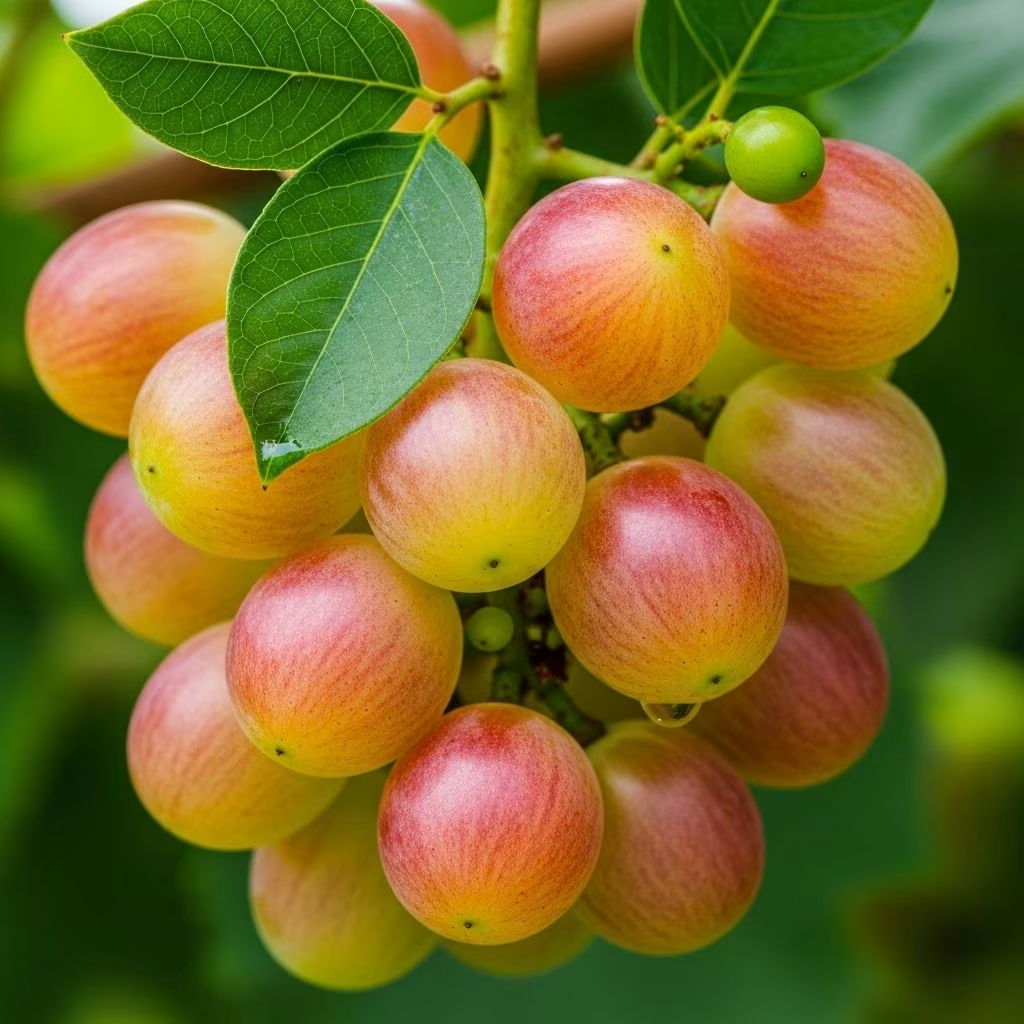
Mafai, also known as Burmese Grape, is a distinctive tropical fruit treasured for its unique taste, vibrant color, and impressive nutritional profile. Revered in South and Southeast Asia, this fruit not only delights the palate but also offers notable health benefits. This comprehensive article explores everything about Mafai—from its botanical origins and culinary uses to its taste, nutrition, and medicinal value.
Introduction to Mafai (Burmese Grape)
The Burmese Grape, commonly called Mafai in Thailand and Latkan or Lotkon in Bangladesh, is a fruiting evergreen tree known for its juicy, round to oval fruits. Scientifically identified as Baccaurea ramiflora (and sometimes Baccaurea sapida in certain regions), it is native to South and Southeast Asia. The fruit is consumed both fresh and in various processed forms, gaining popularity for its nutritious content and sweet-tangy flavor.
Botanical Information and Distribution
Scientific Name: Baccaurea ramiflora
Common Names:
- Mafai (Thailand)
- Burmese Grape (English)
- Latkan/Latkon (Bangladesh)
- Giau gia dat (Vietnamese)
- Kanazo (Burmese)
- Phnhiew (Cambodian)
Native Range: The tree is believed to originate in tropical Asia, with natural populations found in India, Bangladesh, Malaysia, Thailand, Vietnam, and Myanmar.
Botanical Features:
- Medium to tall evergreen tree, reaching up to 20–25 meters in height
- Dense, rounded crown that provides ample shade
- Thin but tough bark
- Slow growing, with poor natural regeneration
- Dioecious (separate male and female trees)
Mafai/Latkon is often grown in home gardens and plantations, particularly in well-drained, moist environments under partial shade, such as beneath larger fruit trees like mango and jackfruit.
Physical Characteristics and Varieties
Fruit:
- Shape: Oval to spherical; slightly egg-shaped
- Size: 2.5–3.5 cm in diameter
- Color: Varies from yellow to pinkish, bright red, or deep purple when ripe
- Pulp: White, juicy aril surrounding 2–4 large seeds
- Cluster: Fruits often hang in impressive clumps from the trunk and thick branches (cauliflorous habit)
Seeds: Large, oblong, embedded in the fleshy pulp
Varieties:
- Bari Burmese Grape-1 (Bangladesh): Large fruit, popular for commercial cultivation
- Bau Lotcon-1
Table: Basic Botanical Features
| Feature | Details |
|---|---|
| Scientific Name | Baccaurea ramiflora |
| Family | Phyllanthaceae |
| Tree Height | 20–25 meters |
| Fruit Shape | Oval/Spherical |
| Fruit Color | Yellow/Red/Purple |
| Pulp | White, juicy, aril |
| Seeds | 2–4, large, edible |
Nutritional Profile
Burmese grape is valued for its rich nutritional composition. It is low in fat and sugar, making it a healthy option for all age groups. Here is an overview of its nutrient content per 100g of edible portion:
- Energy: 91 kilocalories
- Protein: Trace amounts (mainly from the aril)
- Fat: 1.42 grams
- Minerals: 0.9 grams (includes potassium, magnesium, chromium)
- Iron: 0.3–5.34 mg (helps combat anemia)
- Vitamin C: Significant content (ascorbic acid)
- Vitamin B1 (Thiamine): 0.03 mg
- Vitamin B2 (Riboflavin): 0.19 mg
- Other nutrients: Bioflavonoids, enzymes, amino acids
These nutrients help support various bodily functions, particularly immune defense, blood health, and metabolic activity.
Health Benefits of Mafai
Burmese grape offers a host of traditional and modern health benefits, owing to its rich nutrient density and unique phytochemicals. Some of the major health benefits include:
- Boosts Immunity: High vitamin C and bioflavonoid content supports immune function and helps fight infections.
- Improves Blood Health: Its iron content aids in increasing hemoglobin levels and preventing anemia, especially in children and women.
- Digestive Health: The fiber and bioactive compounds enhance digestion and may relieve nausea and constipation.
- Antioxidant Properties: Contains antioxidants and bioflavonoids that help neutralize free radicals, potentially reducing cell damage.
- Skin Benefits: Traditionally used to manage skin diseases. Decoctions of bark, roots, and wood have medicinal applications in treating rashes and other skin conditions.
- Stress Relief: Tradition holds that dried and powdered leaves help reduce mental stress.
- Anti-Diarrheal: Leaves and powder form are believed to help in diarrhea management.
- Quenching Thirst and Refreshment: Consuming the fruit provides instant relief from thirst and is considered a refreshing snack in hot climates.
- Mild Detoxification: Some traditional sources suggest Mafai may support gentle detoxification of the body.
Culinary Uses of Mafai
Mafai is extremely versatile in the kitchen due to its bright flavor and juicy consistency. Common culinary and household uses include:
- Eaten Fresh: Most popular way—simply peel and eat the pulp, seeds are edible too.
- Poached or Stewed: The fruit is sometimes stewed with sugar for desserts or used as a topping over confections.
- Jam and Preserves: Processed into jams, jellies, and chutneys in many regions.
- Beverages: Used to make refreshing drinks and exotic fruit juices.
- Fermentation: Especially in Cambodia and Thailand, the fruit is used to make wine and other alcoholic beverages.
- Tinned Product: Sold commercially as canned or sweetened fruit topping for desserts and bakery items.
- Ethnic Dishes: Incorporated in regional salads, curries, or condiments in some Asian cuisines.
Seeds can be consumed, though some people choose to discard them due to their fibrous nature.
Taste and Eating Experience
The Mafai fruit is praised for its unique balance of flavor and mouthfeel.
- Taste Profile: The primary flavor is a vibrant mix of sweetness and tanginess, ranging from mildly sour to predominantly sweet-sour depending on the variety and ripeness.
- Texture: The pulp is juicy, succulent, and lightly fibrous—providing a refreshing burst of flavor when bitten into.
- Aroma: Subtle, fruity scent with a faint floral note when fully ripe.
- Mouthfeel: Melts in the mouth with a pleasant juiciness, sometimes leading to a slight puckering similar to rambutan or lychee.
Burmese grapes are a favored snack, especially during the harvest season, and their vivid colors make them visually appealing at fruit markets.
Cultivation and Harvesting
Burmese grape trees are traditionally planted in tropical and subtropical climates:
- Preferred Climate: Warm, humid with moderate rainfall
- Soil: Sandy-loam, fertile, well-drained soils; intolerant of prolonged waterlogging
- Planting Time: Optimal in spring or at the end of the rainy season for better establishment
- Growth: Slow-growing; some commercial cultivars introduced for higher yield and better fruit quality
- Harvesting: Hand-picked from the trunk and branches when colored and ripe; care needed due to dense fruit clusters
Post-Harvest: The fruit keeps fresh for 4–5 days post-harvest at room temperature. For longer preservation, it can be boiled with salt and stored in airtight containers.
Possible Side Effects and Precautions
Mafai is considered safe for regular consumption for most people. However, a few precautions are recommended:
- Digestive Distress: Overconsumption can occasionally upset the stomach due to the high fiber and acid content.
- Allergic Reactions: Though rare, some sensitive individuals may exhibit mild allergic reactions.
- Pesticide Residue: Always wash the fruit thoroughly to minimize exposure.
Comparison: Mafai vs Similar Tropical Fruits
| Feature | Mafai (Burmese Grape) | Rambutan | Lychee |
|---|---|---|---|
| Scientific Name | Baccaurea ramiflora | Nephelium lappaceum | Litchi chinensis |
| Shape | Oval/Spherical | Round with spines | Round |
| Color | Yellow/Red/Purple | Red, hairy | Red/pink |
| Flavor | Sweet-sour | Sweet | Sweet floral |
| Pulp Texture | Juicy, slightly fibrous | Juicy, firm | Juicy, soft |
| Seed Edibility | Edible | Not eaten | Not eaten |
Frequently Asked Questions (FAQs)
Q: What is the best way to eat Mafai (Burmese Grape)?
A: The most popular way is to peel the skin and eat the fresh pulp directly. Both the pulp and seeds are edible, though preferences differ.
Q: Is Mafai good for children and the elderly?
A: Yes, due to its high vitamin C, iron, and low-fat content, it’s suitable for all age groups as a healthy snack.
Q: Can Mafai be used in cooking?
A: Absolutely. It is used in preserves, sauces, jams, desserts, juices, and even as an ingredient in salads and regional dishes.
Q: How long does Mafai fruit stay fresh?
A: When stored at room temperature, it keeps for 4–5 days. For longer storage, boil with salt and store in sealed containers.
Q: Does Mafai have any known medicinal uses?
A: Ayurvedic and traditional medicine utilize its bark, root, and leaves for treating skin conditions, digestive issues, and stress.
Q: Can Mafai be grown outside of Asia?
A: With similar tropical/subtropical climates, it can potentially be grown in other regions, but it’s sensitive to waterlogging and requires careful care.
Conclusion
Mafai (Burmese Grape) stands out as a tropical fruit powerhouse—delivering a synergy of bright flavors, significant health benefits, and culinary versatility. Its unique place in traditional diets across Asia, paired with its dynamic taste and nutrition, make it an exceptional choice for adventurous eaters and those seeking natural, functional foods. Whether enjoyed fresh or incorporated into creative recipes, the Burmese grape deserves its growing global recognition.
References
- https://www.fruitsinfo.com/burmese-grapes-tropical-fruit.php
- https://world-crops.com/burmese-grape/
- https://www.agricplanet.net/product/burmese-grape/
- https://en.wikipedia.org/wiki/Baccaurea_ramiflora
- https://tropicalfruitforum.com/index.php?topic=20227.0
- https://www.raimondoceramiche.it/burmese-grape-baccaurea-ramiflora-mafai-latkon-tropical-fruit-potted-tree-plant-REdCFkpSWlpYXFNW
- https://www.nparks.gov.sg/florafaunaweb/flora/3/5/3595


