


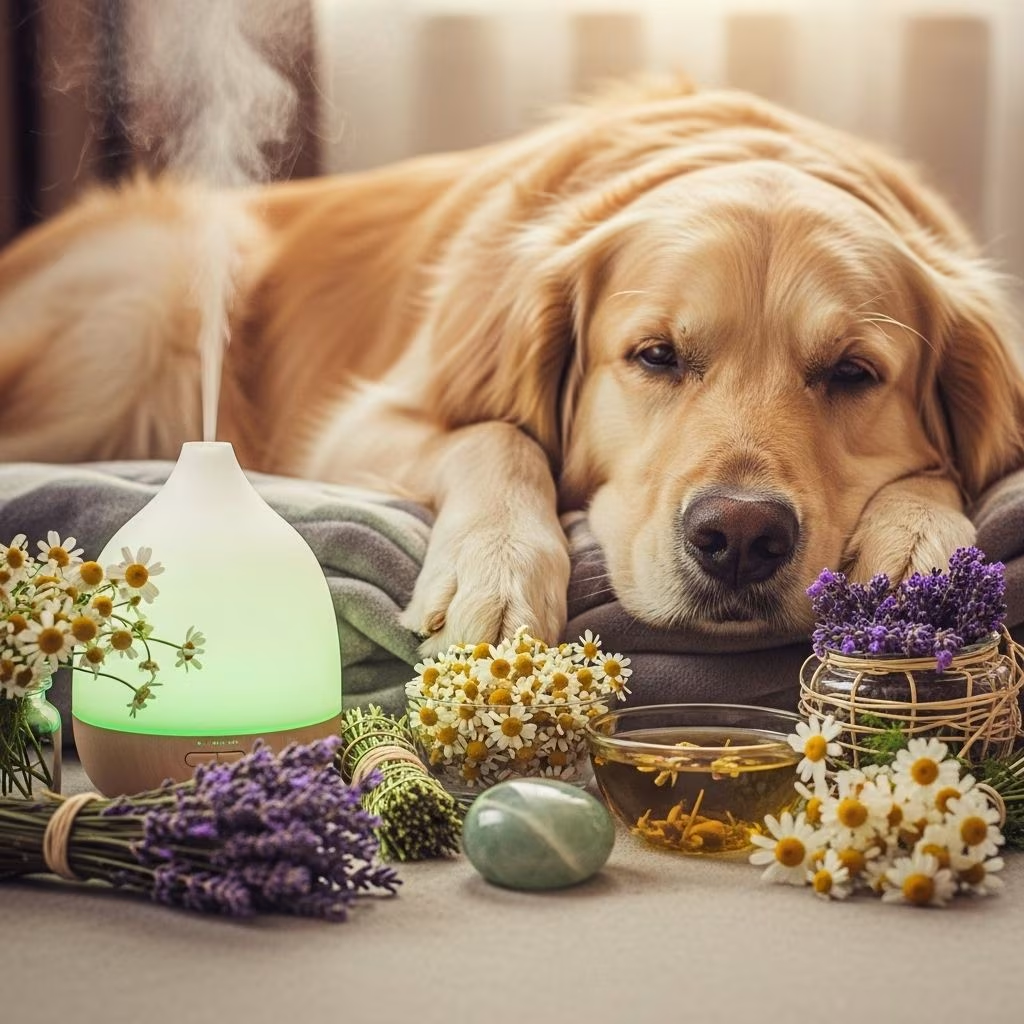
Natural Remedies to Soothe Your Anxious Dog
Does your dog tremble during thunderstorms, bark incessantly when left alone, or seem overly tense in new situations? Anxious behavior is common in dogs, but it can be distressing for both pets and owners. Thankfully, a range of natural remedies and holistic practices can help promote calm and confidence in your canine companion. This guide explores proven natural approaches, from herbs and supplements to behavior adjustments and environmental strategies, tailored to support anxious dogs gently and effectively.
Understanding Anxiety in Dogs
Recognizing the signs of anxiety in dogs is essential for selecting the right calming strategies. Common symptoms include:
- Pacing, whining, or excessive barking
- Destructive chewing or digging
- Trembling, panting, or drooling
- Urinating or defecating indoors
- Hiding or clinging to owners
Triggers can range from loud noises and separation to unfamiliar people or changes in the home. Understanding what causes your dog’s anxiety is the first step toward relief.
Natural Calming Remedies: Herbs and Supplements
Mother Nature offers a variety of gentle, plant-based solutions to help calm your dog’s nerves. Always consult your veterinarian before beginning any new supplement, especially if your pet is on medication or has a medical condition.
Chamomile
Chamomile is well-known for its soothing properties in humans and pets. This daisy-like flower can relax the nervous system, reduce cortisol (the stress hormone), and ease minor aches or digestive upsets. Chamomile is available as tea, tincture, or in supplement form. While it’s typically safe, some dogs may be allergic, so monitor carefully for reactions like scratching or swelling after initial use.
Passionflower
Passionflower is valued for its gentle sedative effects. It works by boosting levels of gamma-aminobutyric acid (GABA), a neurotransmitter that dampens brain activity and promotes relaxation. Passionflower can be provided to dogs as a tea, tincture, or canine-formulated supplement. Dosage depends on your dog’s weight; always seek dosing guidance from your vet. As with many herbs, digestive upset or drowsiness can occur at high doses, so start slow.
Kava
Kava has been used in the Pacific Islands for centuries to promote calm and reduce anxiety. In dogs, it may alleviate restlessness and help with loud noise phobias. Forms include capsules, extracts, and teas. While effective, kava should be used sparingly and under veterinary supervision, as high doses can cause sedation, liver issues, or interact with other medications.
Certain Lignans and Other Herbs
Lignans (plant compounds found in flaxseed and other sources) may help regulate hormones often involved in stress responses. Other gentle herbs sometimes used include valerian, lemon balm, and oat. Hemp-derived CBD oil is also under study for dog anxiety, though results and safety vary by product. Seek out high-quality, canine-specific formulas and get your veterinarian’s advice before starting any herbal supplement.
| Herb/Supplement | Main Benefit | Common Form | Cautions |
|---|---|---|---|
| Chamomile | Relaxes, eases tension | Tea, capsule, tincture | May cause allergies, interacts with some meds |
| Passionflower | Reduces nervousness, aids sleep | Tea, extract, supplement | Potential drowsiness, avoid in pregnancy |
| Kava | Calms acute anxiety | Capsule, extract | Liver caution, interacts with meds |
| CBD Oil | Potential anti-anxiety effect | Oil, chews | Quality and regulation vary |
Holistic Approaches & Lifestyle Strategies for Canine Calm
Consistent Routines
Dogs thrive on predictability. Maintaining a regular schedule for feeding, exercise, play, and sleep helps reassure your dog and reduces stress. Try to minimize abrupt changes in routine, as these can trigger anxiety.
Exercise & Mental Stimulation
Both physical and mental exercise are crucial for managing canine anxiety. Daily walks, engaging play, and food puzzles help burn off nervous energy and provide essential enrichment. Regular activity can also bolster your dog’s confidence and overall resilience to stress.
White Noise & Music Therapy
Playing calming music or white noise can transform your dog’s environment, masking scary noises like thunderstorms or fireworks and promoting a soothing ambiance. Special playlists designed for dogs are available on streaming platforms, or you can use fans, white noise machines, or gentle classical music.
Comforting Garments
Compression garments, such as the Thundershirt, offer gentle, constant pressure—similar to a comforting hug—and can help reduce anxiety during storms, car rides, or stressful visits. Many owners find these vests effective for noise anxiety or during separation.
Massage & Grooming
Gentle massage and regular grooming can be deeply calming, helping release stress-relieving endorphins. Brushing your dog’s coat is not only healthy, it’s also a great bonding ritual that can assure your dog of your presence and care.
Safe Spaces & Crate Training
Every anxious dog needs a safe retreat—a quiet, cozy place to escape stressors. Crate-trained dogs often benefit from their own den, while others prefer a specific room or corner equipped with their bed, blankets, and favorite toys.
Aromatherapy
While caution should be used around essential oils, some dog-safe formulas—such as those containing lavender—may help create a calming atmosphere. Always use only products specifically made for pets, and never apply oils directly to your dog without professional guidance.
Natural Supplements
Natural calming supplements for dogs may include commercial blends with ingredients like L-theanine, tryptophan, or melatonin—compounds shown to support calm behavior in some dogs. Speak to your veterinarian to determine the best and safest supplement for your individual pet.
Behavioral Techniques
Desensitization and Counter-conditioning
Gradually and safely exposing your dog to the source of their anxiety can help desensitize and build positive associations. For example, if your dog is afraid of loud noises, begin by playing the sound at a low volume during pleasant activities, and very slowly increase volume over time as your dog adjusts. Pair this with treats, play, or petting to reinforce calm behavior. Professional trainers or behaviorists can help guide this process, often in combination with other techniques.
Training & Mental Games
Routine training strengthens your bond and provides structure and confidence for anxious dogs. Teach calm behaviors like \”settle\” or \”place\”, and reward your dog for relaxing. Puzzle toys, scent work, and new obedience commands also keep your dog’s mind busy and boost self-assurance.
When Should You Consult a Veterinarian?
While natural approaches can significantly benefit many dogs, seek help from your veterinarian if:
- Your dog’s anxiety is severe or worsening
- Signs include self-injury, aggression, or destructive behavior
- Natural methods alone have been ineffective
- Your pet is on medications or has a chronic medical condition
A veterinarian can identify any underlying causes, help create a comprehensive plan, and may refer you to a certified behaviorist. In some cases, prescription medications may be appropriate, especially if natural remedies alone do not provide sufficient relief.
Frequently Asked Questions (FAQs)
Q: Are natural remedies safe for all dogs?
A: Most natural herbs and calming supplements are safe when used correctly, but always consult your veterinarian before introducing any new regimen, especially if your dog takes medication, has a medical condition, or is pregnant.
Q: How quickly do natural remedies work?
A: Results vary. Some dogs respond to calming herbs or supplements within hours, while behavioral changes and routine adjustments may take days or weeks. Consistency is key for best results.
Q: Can I use human calming products for my dog?
A: Do not use human supplements or essential oils for your dog without veterinary guidance. Many human products are unsafe or toxic for pets.
Q: My dog’s anxiety has become unmanageable. What should I do?
A: For moderate to severe anxiety, or if behavioral or health problems arise, see your veterinarian. They can rule out underlying medical issues and help you build a multi-modal solution.
Quick Tips for Soothing Anxious Dogs—At a Glance
- Keep routines consistent to reduce unpredictability
- Use daily exercise and mental games to relieve stress
- Try natural calming aids like chamomile, passionflower, or safe supplements
- Offer safe spaces, crate or cozy corners for retreat
- Employ gentle training and desensitization for triggers
- Play soothing music or white noise to create a peaceful environment
- Consult with your vet to tailor solutions for your dog’s needs
Every dog is unique. Patience, observation, and a willingness to try a combination of strategies will help you discover what brings lasting comfort to your anxious companion.
References
- https://us.streamz-global.com/blogs/articles/holistic-approaches-to-relieving-stress-and-anxiety-in-dogs-herbs-and-natural-supplements
- https://www.petmd.com/dog/general-health/how-to-calm-your-dog-naturally
- https://vcahospitals.com/shop/home/holiday/july-4th-pet-tips/make-the-4th-of-july-naturally-relaxing-with-supplements
- https://www.onlynaturalpet.com/collections/stress-anxiety-support-for-dogs
- https://www.wedgewood.com/blog/7-home-remedies-for-separation-anxiety-in-dogs/
- https://www.vet.cornell.edu/departments-centers-and-institutes/riney-canine-health-center/canine-health-information/anxious-behavior-how-help-your-dog-cope-unsettling-situations
- https://www.petmd.com/dog/care/natural-ways-calm-nervous-dog
- https://www.youtube.com/watch?v=ark8anP3i5k


