


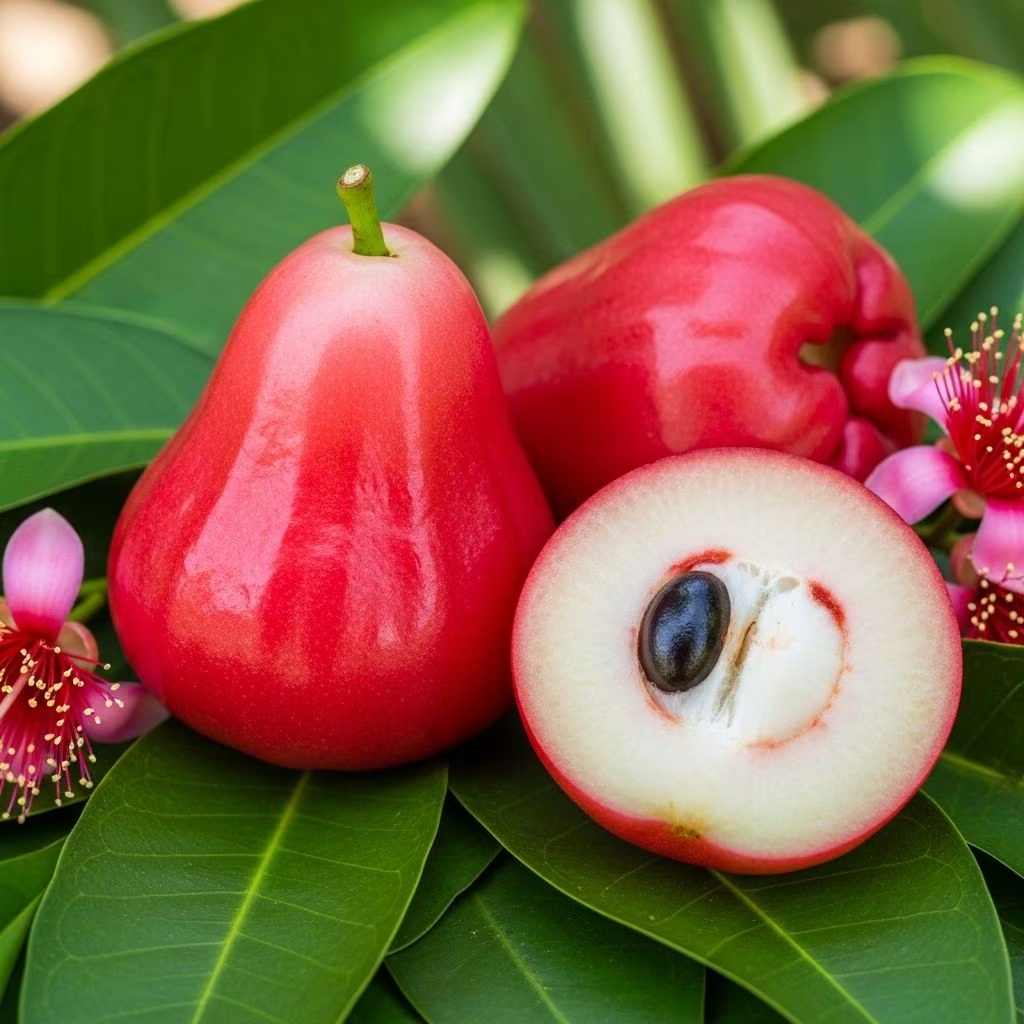
The Malay apple (Syzygium malaccense), also known as mountain apple, Otaheite apple, pommerac, or rose apple, stands out as a visually stunning and nutritionally rich tropical fruit from Southeast Asia. Grown in diverse tropical regions, from Malaysia and Indonesia to the Caribbean and West Africa, this fruit is prized for its beauty, versatility, health benefits, and refreshing taste . This guide explores everything you need to know about Malay apple: its origins, appearance, nutritional value, health benefits, culinary and traditional uses, flavor profile, and frequently asked questions.
About Malay Apple: Origins and Botanical Overview
The Malay apple (Syzygium malaccense) is a medium to large evergreen tree native to the Indo-Malay region of Southeast Asia and parts of northern Australia . It is cultivated widely across the tropics, including the Caribbean, South America, and Africa, owing to its adaptability and high-value fruit. The tree is renowned for its striking appearance—spectacular blossoms, lustrous foliage, and bountiful harvests.
- Scientific name: Syzygium malaccense
- Common names: Malay apple, mountain apple, Otaheite apple, pommerac (Caribbean), rose apple, French cashew (Guyana)
- Family: Myrtaceae (the myrtle family)
Distribution: Native to Southeast Asia but now found in tropical regions worldwide. Traditional crops exist in India, Malaysia, the Philippines, the Caribbean, Hawaii, and parts of West and Central Africa .
Appearance and Varieties
The Malay apple tree is admired for both its stately structure and the captivating beauty of its flowers and fruit .
- Tree: Reaches heights between 5 and 18 meters (16 to 60 feet), with a pyramidal or cylindrical crown, dense foliage, and thick, glossy, elliptic leaves.
- Flowers: Grow in clusters at the ends of branches; vivid pink or red stamens set against white petals, creating a feathery, almost firework-like effect.
- Fruit: Oblong (like a bell or ovoid), ranging from 5 to 10 centimeters (2 to 4 inches) long; colors include deep red (most common), pink, glossy green, or white with red streaks, depending on the variety.
- Flesh: Crisp, white, succulent, sometimes slightly pinkish, incredibly juicy, and surrounds a single large brown seed.
This fruit is notable for its dazzling appearance, which contrasts the deep or bright skin with the bright white, glistening interior. The red variety is the most widely grown globally, though green and white forms are less common but found in local varieties.
Nutritional Content of Malay Apple
The Malay apple is a hydrating fruit with exceptionally high water content—between 90% and 92%—making it refreshing and low in calories . Its nutrient profile is impressive for such a light fruit:
- High water content (90–92%) for natural hydration
- Dietary fiber: supports digestion and bowel health
- Vitamin C: antioxidant, immune support, skin health
- Vitamin A: eye health, immune support, skin
- Calcium, iron, and phosphorus: vital for bone and metabolic health
- Plant polyphenols (including epicatechin): potent antioxidants with cardio-protective effects
Its nutritional value and antioxidant capacity rival or exceed some other tropical fruits, especially in hydration, fiber, and certain vitamins .
Health Benefits of Malay Apple
Malay apple fruit, leaves, seeds, and bark are recognized for a host of health-promoting properties :
- Blood Pressure Regulation: The fruit contains flavonoids like epicatechin, which can help lower high blood pressure and promote heart health.
- Antioxidant Protection: High in vitamin C and plant polyphenols, which neutralize free radicals to help prevent cell damage and slow aging.
- Digestive Support: Rich in dietary fiber, promoting gut health and improving bowel function, thereby helping to alleviate constipation.
- Hydration: With its exceptional water content, Malay apple is a natural thirst-quencher that helps keep the body hydrated, especially in hot climates.
- Detoxification: The fruit is considered cleansing due to a combination of water, fiber, and detoxifying phytochemicals.
- Vision and Skin Health: Vitamin A content supports clear vision and healthy skin; vitamin C further protects against skin damage and may decrease cancer risk.
- Immune System Boost: The combination of vitamins and minerals strengthens immune response and improves overall resilience.
Traditional and modern studies highlight that the health-promoting effects extend beyond the fruit to include medicinal uses of the leaves, seeds, bark, and roots .
Traditional and Medicinal Uses of Malay Apple
Across the tropics, various parts of the Malay apple tree are used for medicinal and healing purposes :
- Cracked Tongue Treatment: In Malaysia, dried leaf powder is applied topically for sore or cracked tongue.
- Anti-Itching and Anti-Inflammatory: Root preparations are used in Southeast Asia to relieve itching and reduce swelling.
- Fever Treatment: In Cambodia and the Caribbean, roots, leaves, and seeds are traditionally used to lower fever.
- Digestive Support: Brazilian folk medicine uses the bark and fruit for constipation relief and soothing stomach ailments.
- Respiratory Relief: Decoctions are employed traditionally for treating coughs, catarrh, and headache.
- Diabetes and Other Ailments: Various parts of the Malay apple have been used historically for diabetes management, based on local medicinal knowledge.
While these uses are well documented in ethnobotanical records, scientific research has begun validating some effects (such as antioxidant, anti-inflammatory, and anti-diabetic potentials), but more controlled human studies are desirable for mainstream recommendation .
Culinary Uses and Preparation Methods
The Malay apple is popular for fresh eating but is also widely used in culinary creations, especially in regions where it is plentiful:
- Raw Fruit: Eaten fresh, typically chilled or sliced, sometimes sprinkled with salt or lime juice.
- Jams and Jellies: Slightly under-ripe fruit is cooked down with sugar to make sweet jams and tangy jellies.
- Pickles: Young or barely ripe fruit is often pickled in vinegar and spices for a savory treat.
- Wine and Beverages: In some cultures, crushed fruit is fermented into crisp, fruit-forward wines or refreshing juices.
- Salads and Salsas: Diced Malay apple can add a delicate crunch and mild hint of rose or apple flavor to fruit salads and salsas. It pairs well with mango, pineapple, cucumber, or mild chilies.
- Cooked and Stewed: Sometimes prepared with sugar and spices into a dessert stew, especially where the fruit is considered less flavorful raw .
- Leafy Greens: Young leaves and shoots are consumed as greens in salads or cooked dishes in parts of Southeast Asia.
Its versatility in sweet and savory preparations has made it a staple at local markets, family kitchens, and even innovative bistros experimenting with tropical flavors.
Taste Profile and Eating Experience
The taste of Malay apple is mild, refreshing, and distinct, though not overpowering .
- Flavor: Mildly sweet, sometimes slightly sour or astringent, with a delicate aromatic note resembling rose petals or a hint of apple.
- Texture: Crisp and juicy, similar to a fine apple or pear, but with a lighter, more porous structure that releases a burst of water with each bite.
- Aroma: Subtle floral notes; sometimes compared to rosewater, especially in the red varieties.
The fruit is best enjoyed when fully ripe for sweeter flavor and maximum juiciness. Some varieties (especially white or green) can be more insipid or bland, and they are often enhanced with condiments or cooked preparations .
Growing and Caring for Malay Apple Trees
The Malay apple tree is suited to hot, humid, strictly tropical climates. Here is a guide on ideal conditions and care :
- Climate: Requires year-round warmth and high humidity; intolerant of any frost.
- Rainfall: Prefers 150 cm (60 inches) of annual rainfall but tolerates a short seasonal dry period if irrigated.
- Soil: Grows on sand to heavy clay; best in well-draining, neutral-to-moderately-acidic soils; avoid alkaline soils.
- Tree Growth: Fast-growing, can reach 40–60 ft (12–18 m); produces up to 2,000 fruits per harvest when mature, with multiple harvests per year in ideal conditions.
- Flowers and Fruit: Flowering occurs early summer, with fruit ready in about three months. Fruits often fall quickly after ripening, requiring timely collection.
These trees are favored for landscaping as well as fruit production, prized for their ornamental beauty as much as for their edible bounty. Cultivation is expanding in parts of Africa and the Caribbean due to high demand and adaptability.
Malay Apple vs. Other Tropical Fruits
| Fruit | Botanical Name | Color | Taste | Water Content | Main Nutrients |
|---|---|---|---|---|---|
| Malay Apple | Syzygium malaccense | Red, pink, white, green | Mildly sweet, crisp, floral | Very high (90-92%) | Vitamin C, fiber, antioxidants |
| Guava | Psidium guajava | Green, yellow, pink | Sweet-tart, aromatic | High | Vitamin C, A, folate |
| Rose Apple | Syzygium jambos | Pale yellow, pink | Delicate, rose-floral | Very high | Vitamin C |
| Cashew Apple | Anacardium occidentale | Yellow, red, orange | Sweet, astringent | High | Vitamin C, beta-carotene |
Frequently Asked Questions (FAQs)
Q: What is the difference between Malay apple and rose apple?
A: While both belong to the genus Syzygium and are often confused, Malay apple (Syzygium malaccense) is generally larger, with deeper red skin and more oblong, bell-shaped fruit. Rose apple (Syzygium jambos) is usually smaller, has pale yellow or pinkish skin, and a more pronounced rose-like fragrance .
Q: How do you eat Malay apple?
A: Simply wash the fruit, slice in half, remove the seed, and enjoy the crisp white flesh as is. It can also be diced into salads, made into jam or jelly, or stewed with sugar and spices.
Q: When is Malay apple in season?
A: In tropical climates, Malay apple trees may fruit up to two or three times per year, typically after the rainy season or during the spring and fall .
Q: Is Malay apple good for diabetics?
A: Traditional medicine suggests benefits for blood sugar management due to its fiber and phytochemicals, but scientific evidence is limited. Always consult a healthcare provider before using any fruit for managing diabetes.
Q: Can you grow Malay apple in non-tropical climates?
A: No, Malay apple is strictly tropical and cannot tolerate cold or frost. It is best suited to consistently warm, humid environments .
Q: Is the seed of the Malay apple edible?
A: The seed is not edible and should be discarded.
Q: Are the leaves or flowers edible?
A: Yes, young leaves and shoots can be eaten raw or cooked, especially in Southeast Asian cuisines. Flowers are beautiful but not commonly eaten.
Q: What are some popular recipes using Malay apple?
A: Popular recipes include Malay apple jam, tropical fruit salsa, spiced pickles, and homemade Malay apple wines. The fruit can also be used in tarts, smoothies, or as a crispy addition to green salads.
If you have the chance to encounter Malay apple in markets or gardens, take the opportunity to savor its rare beauty and healthful potential, whether fresh, cooked, or transformed into vibrant preserves.
References
- https://www.proagrimedia.com/crops/malay-apple-distinctive-tropical-apple/
- https://fruitscapesllc.com/malay-apple/
- https://en.wikipedia.org/wiki/Syzygium_malaccense
- https://naturesproduce.com/encyclopedia/malay-apple/
- https://www.missouribotanicalgarden.org/PlantFinder/PlantFinderDetails.aspx?taxonid=282869&isprofile=0&pt=7
- https://realliferecess.com/know-you-tropical-fruit-malay-apple/
- https://www.thenaruvi.com/products/malay-apple/
- https://www.cabidigitallibrary.org/doi/full/10.1079/cabicompendium.52448


