


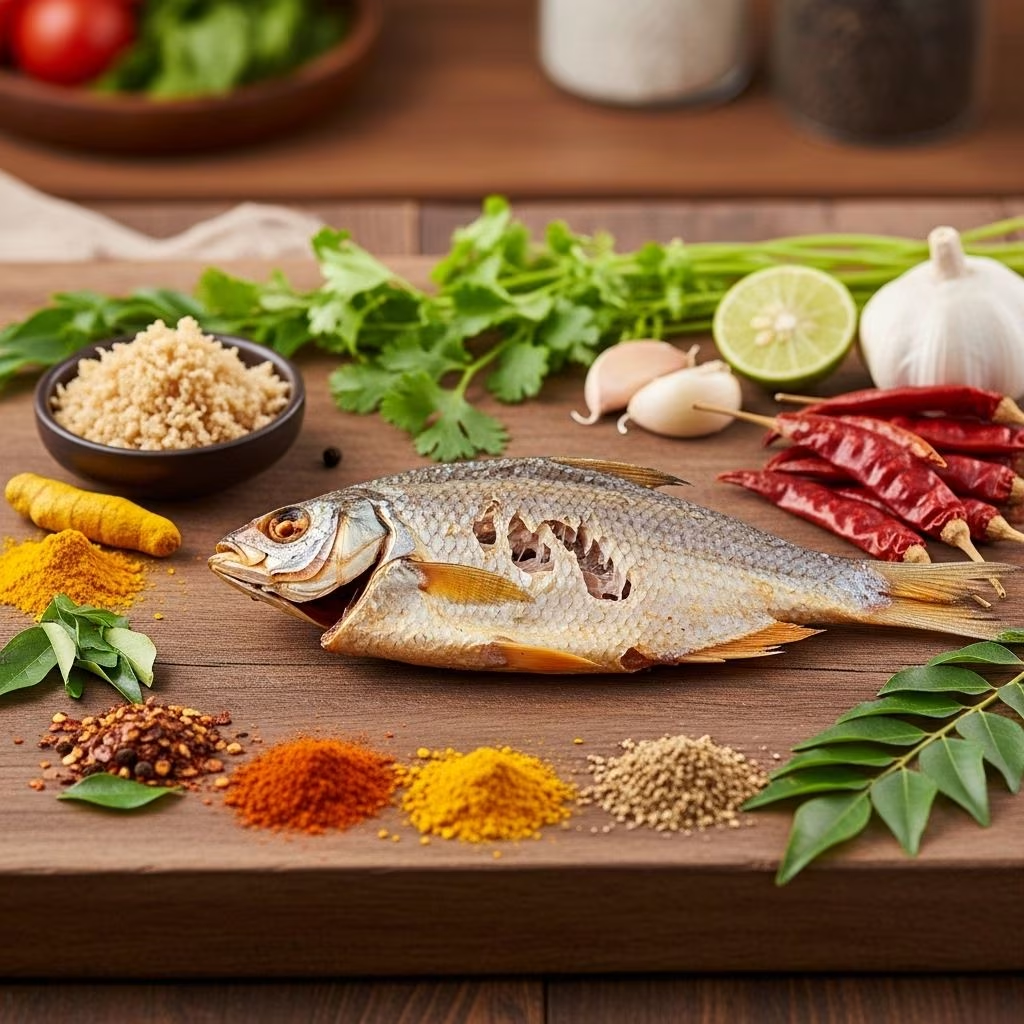
Maldive Fish, a staple ingredient in Maldivian and Sri Lankan cuisine, is renowned for its intense umami flavor and substantial nutritional value. Typically made from dried and cured tuna, especially skipjack and yellowfin varieties, Maldive Fish plays a vital role in regional diets and culinary traditions, while also offering promising health benefits. This guide explores its nutritional composition, health benefits, recommended intake, culinary uses, and potential side effects, offering a balanced view for those incorporating Maldive Fish into their meals.
Overview of Maldive Fish
Maldive Fish refers to dried and cured tuna, a traditional ingredient originating from the Maldives and prominent in South Asian coastal cuisines, especially in Sri Lanka and South India. It is usually prepared from skipjack tuna (Katsuwonus pelamis) although yellowfin tuna may also be used.
Maldive Fish is available as large whole pieces or conveniently cut chips and is sometimes ground into a powder. It imparts a deep, concentrated umami flavor, resulting from the drying and curing process that preserves both taste and nutrient content.
Production and Ingredient Origins
- The process involves boiling fresh tuna, removing bones and skin, sun drying, and then curing the pieces over several days.
- This method preserves the fish naturally and concentrates its flavor and nutrients.
- The resulting product is shelf-stable, making it invaluable in tropical climates and traditional cuisine.
Nutritional Profile of Maldive Fish
Maldive Fish is highly regarded for its robust nutritional composition, offering a dense source of high-quality protein and essential omega-3 fatty acids. It also supplies vitamins, minerals, and other nutrients linked to improved health.
| Nutrient | Amount | Major Benefits |
|---|---|---|
| Protein | 56-59 g | Muscle maintenance, immune function |
| Omega-3 fatty acids | 1-2 g | Heart health, anti-inflammation |
| Energy | 13.8 kJ/g | Sustained energy |
| Sodium | 1.4-1.6 g | Electrolyte balance, but high amount |
| Potassium, Magnesium | Present | Heart and nerve function |
| Vitamins (B-complex) | Present | Energy metabolism |
Maldive Fish contains a low water activity (0.55–0.8), slightly acidic pH (5.62–6.18), and moderate salt content (1.4–1.6%).
Health Benefits
The following are the principal scientifically recognized and traditional health benefits of consuming Maldive Fish as part of a balanced diet:
- Excellent Protein Source: With 56–59% protein content, Maldive Fish helps build, repair, and maintain muscle tissue and supports overall metabolic health.
- Rich in Heart-Healthy Omega-3s: Omega-3 fatty acids (EPA and DHA) contribute to lower blood triglycerides, reduced risk of cardiovascular disease, and support for cognitive function.
- Natural Flavor Enhancer: Boosts the umami quality of dishes without artificial additives, encouraging reduced reliance on unhealthy flavor enhancers.
- Micronutrients: Provides significant potassium, magnesium, and B-vitamins, which support nervous system health, energy metabolism, and cardiovascular regulation.
- Convenient Source of Energy: The high energy value (approx. 13.8 kJ/g) is beneficial for active individuals and as a dietary protein source in regions with limited animal protein availability.
- Low Saturated Fat and Cholesterol: Compared to other animal protein sources, it has a generally healthier fat profile, reducing risks associated with saturated fat intake.
- Potential Antimicrobial Benefits: The traditional drying and salting process lowers water activity, which helps inhibit growth of spoilage bacteria and pathogens.
Culinary and Cultural Uses
Maldive Fish is not only revered for its unique nutritional profile but also for its distinctive impact on regional cuisines.
Main Culinary Applications
- Traditional Sambals: Maldive Fish forms an essential ingredient in Sri Lankan sambals such as Pol Sambal (coconut sambal) and Katta Sambal (spicy onion-chilli relish). It is pounded and mixed in small quantities to impart depth and savory flavor.
- Curry Flavor Base: Small quantities are sautéed with onions, spices, and vegetables to infuse gravy or stir-fry dishes with a characteristic oceanic richness.
- Thickening Agent: Its fibrous protein and collagen content are used to thicken certain sauces or curries.
- Soup Broths and Stews: Maldive Fish chips and powder enhance flavor similar to katsuobushi in Japanese cuisine.
- Key Ingredient in Maldivian ‘Rihaakuru’: ‘Rihaakuru’ is a traditional Maldivian tuna paste made by boiling down fish stock and scraping the resulting concentrate. It is consumed as a rich source of umami and protein.
Comparative Culinary Table
| Substitute | Similarity | Applications |
|---|---|---|
| Katsuobushi (Japanese dried bonito flakes) | Strong umami, similar drying process | Dashi, soups, broths |
| Dried Anchovies | Umami, fishiness, texture | Sambals, vegetable stir-fries |
| Dried Shrimp (less preferred) | Umami, sea flavor | Sambals (as a last resort) |
Recommended Dosage and Consumption Guidance
Although Maldive Fish is highly nutritious, the key to health benefits lies in moderation due to its sodium content and concentrated flavor.
Typical Usage Amounts
- Condiment or Flavor Additive: Traditional recipes typically use 5–10 grams per meal for a family-sized dish (serves 3–4), equating to about 1–2 grams per serving.
- Main Protein Substitute: Where used as a principal protein (e.g., in poor households), serving size may increase to 10–25 grams per person. However, excessive use is uncommon due to its intensity and cost.
Recommended Maximum Intake: For most healthy adults, keeping intake below 25–30 grams per day (about 2–3 tablespoons of crumbled Maldive Fish) ensures reaping nutritional benefits without overexposure to sodium or possible contaminants.
Best Practices
- Rehydrate only when needed: Maldive Fish is usually added directly to dishes, but may be briefly soaked in warm water before pounding for sambals or blending into pastes.
- Combine with low-sodium, high-fiber foods: Pair Maldive Fish with vegetables, legumes, or whole grains to balance out its salt content.
- Use as a seasoning, not the main dish: To enhance flavor and nutrition rather than dominate the meal.
Side Effects and Safety Considerations
While Maldive Fish is generally safe for the majority of the population, continual or excessive consumption may pose health risks, primarily related to sodium, and (rarely) environmental contaminants or allergens.
Potential Side Effects
- High Sodium Content: Due to its curing process, Maldive Fish is high in sodium, which can contribute to elevated blood pressure, heart disease, and kidney strain, especially in individuals with salt-sensitive conditions or hypertension.
- Risk of Heavy Metal Contamination: Tuna, as a large predatory fish, can bioaccumulate mercury and other heavy metals. However, studies focusing on Maldivian tuna indicate insignificant public health risk at typical intake levels. Long-term or very high intake may increase cumulative exposure.
- Allergic Reactions: Individuals allergic to fish or seafood should avoid Maldive Fish as it can provoke reactions ranging from mild to severe.
- Histamine Poisoning (Scombroid): Inadequately stored or processed fish products may lead to histamine buildup, causing symptoms like flushing, headaches, or gastrointestinal upset. Purchase from reputable sources and store properly.
- Cumulative Carcinogenic Risk: Assessment of radionuclides (e.g., from Indian Ocean coastal waters) in yellowfin and skipjack tuna showed that carcinogenic risk is well below acceptable limits, though cumulative risk may rise with prolonged high consumption of certain varieties.
Vulnerable Populations
- Pregnant Women and Young Children: Because of potential (though generally low) mercury content, moderate consumption is best advised.
- Individuals with Cardiovascular or Renal Disease: Should limit high-sodium foods, including Maldive Fish, and consult healthcare professionals regarding safe intake.
Frequently Asked Questions (FAQs)
Q: Can Maldive Fish be eaten raw?
A: No. Maldive Fish is a cured, dried product intended for use in cooked or prepared dishes. It should not be consumed as a raw snack.
Q: Is Maldive Fish gluten-free?
A: Yes. Pure Maldive Fish is naturally gluten-free, though always check for potential cross-contamination in processed products.
Q: Can vegetarians or vegans substitute Maldive Fish?
A: No. Maldive Fish is made from tuna and is therefore not suitable for vegetarians or vegans. For flavor mimicking, try nori seaweed flakes or katsuobushi (if not vegan).
Q: Does Maldive Fish spoil?
A: If kept dry and in a sealed container, Maldive Fish has a long shelf life. However, exposure to moisture or improper storage can cause spoilage. Discard if an off odor or mold develops.
Q: Is there a vegetarian or vegan alternative to its umami flavor?
A: Yes. Nori, dried shiitake mushrooms, or roasted yeast extract can provide umami flavor in vegetarian and vegan cooking.
Q: How do you use Maldive Fish in daily cooking?
A: Add a small amount (1–2 grams per serving) to curries, sambals, or vegetables for flavor. It can also be pulverized and sprinkled as a seasoning.
Conclusion
Maldive Fish is a versatile, protein-rich ingredient that enhances both nutrition and taste in traditional South Asian diets. Moderate consumption can deliver significant health benefits, especially regarding protein and omega-3 intake. Due to its curing process, high sodium content, and potential for bioaccumulated contaminants, recommended dosage should be respected. When used wisely, Maldive Fish remains a valuable addition to a balanced, flavorful, and nutrient-dense diet.
References
- https://pubmed.ncbi.nlm.nih.gov/31034553/
- https://caruvadu.com/products/dried-maldive-fish-whole
- https://www.linsfood.com/maldive-fish-sri-lankan-cooking/
- https://pubmed.ncbi.nlm.nih.gov/20883152/
- https://shop.spm.industries/2025/04/01/discover-the-rich-flavors-and-health-benefits-of-maldives-fish-sambol-from-sri-lanka/
- https://mro.massey.ac.nz/bitstream/10179/4657/1/02_whole.pdf


