


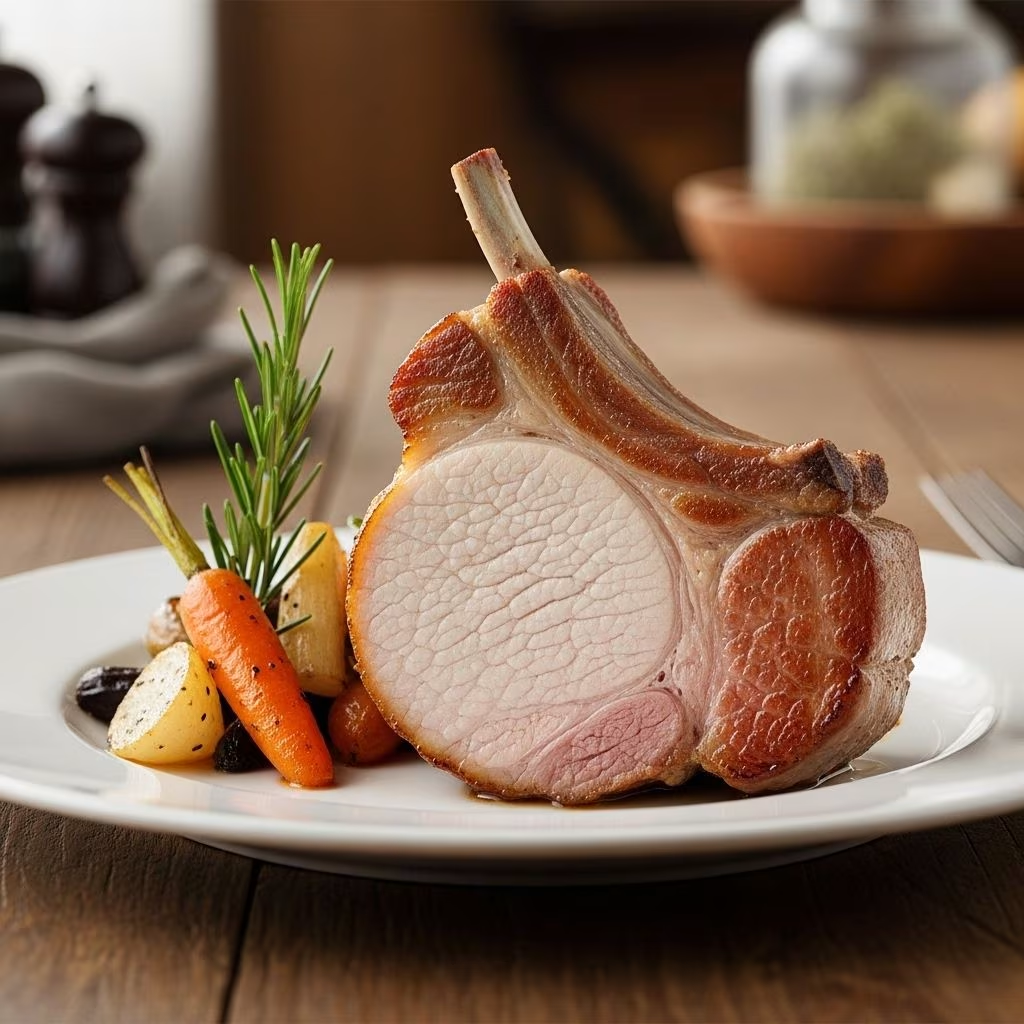
Mangalitsa pork is renowned among culinary enthusiasts and chefs for its exceptional marbling, rich flavor, and unique heritage. This article provides a comprehensive exploration of Mangalitsa pork—its origins, breed characteristics, nutritional benefits, culinary applications, and what sets its flavor and texture apart from conventional pork varieties.
Introduction to the Mangalitsa Breed
The Mangalitsa pig is an old and rare lard-type heritage pig breed, originating in Hungary in the early 19th century. Instantly recognizable by its distinctive thick and curly woolly coat, similar to a sheep, the Mangalitsa is as unique in appearance as it is in taste and culinary value.
- Comes in three primary color varieties: Blonde, Red, and Swallow-bellied (black with a white belly).
- Renowned for its high-fat content—especially unsaturated, flavorful fat.
- Famed for being the “Kobe beef of pork” due to its intensive marbling and prized eating qualities.
History and Heritage of the Mangalitsa Pig
The Mangalitsa breed was developed in Hungary starting around 1833. Crossbreeding native Hungarian pigs with European wild boar and breeds like the Serbian Sumadija created a pig suited for lard and harsh climates.
- 19th and Early 20th Century: Lard was essential in Central Europe for cooking and industrial use, making Mangalitsa pigs highly prized.
- Near Extinction: Demand for leaner pork and industrialization nearly caused the breed’s extinction in the late 20th century.
- Modern Revival: The breed was saved by breeders and chefs seeking heritage flavors and sustainable farming. Today, Mangalitsa pork is beloved by gourmet restaurants and home cooks alike.
Breed Characteristics: What Makes Mangalitsa Unique?
Mangalitsa pigs are medium-sized with robust bodies and a range of physical and behavioral features that set them apart from other breeds:
- Woolly coat: The signature thick, curly coat protects against extreme cold and gives a sheep-like appearance.*
- Strong skeleton: Sturdy yet refined bone structure.
- Distinct coloration: Blonde, Red, and Swallow Belly, each with unique patterns but always with black skin features—nose, nipples, and feet.
- Flat ham and deep torso: Built for lard production rather than standard meat yields.
- Docile temperament: Calm personality and strong maternal instincts, though they have smaller, more intensely cared-for litters.
- Adaptability: High cold tolerance and disease resistance due to their origins and coat.
Breed Standards and Measurements (Average Adult)
| Characteristic | Sows | Boars |
|---|---|---|
| Wither Height | 29-35 inches (74-90 cm) | 31-43 inches (80-110 cm) |
| Body Length | 45 inches (115 cm) | 47 inches (120 cm) |
| Weight | 310-400 lbs (140-180 kg) | 330-485 lbs (150-220 kg) |
| Fat Content (avg 330 lbs) | Up to 60% fat / 40% meat (more if heavier) | |
Careful selection is required to preserve pure Mangalitsa traits. Only purebred animals are entered in breeding registries, and crosses must be clearly labeled as such.
Health Benefits of Mangalitsa Pork
While Mangalitsa pork is richer and fattier than typical commercial pork, its fat profile offers noteworthy health and culinary advantages:
- Higher Monounsaturated Fat: Much of the fat is monounsaturated (like olive oil), which is considered heart-healthier than the saturated fats found in mass-produced pork.
- Better Omega Balance: Its Omega-3 to Omega-6 ratio is more favorable compared to many other animal fats, especially those from factory-farmed pigs.
- Rich Source of Fat-Soluble Vitamins: The lard contains Vitamin D and other fat-soluble nutrients thanks to their outdoor, pasture-raised lives.
- No Need for Hydrogenation: The lard’s composition makes it stable at room temperature. There is no need for industrial hydrogenation or additives.
- Wholesome, Natural Diet: Raised predominantly outdoors on pastures, Mangalitsa pigs often have access to acorns, forage, and roots, further improving the nutritional value of their pork and fat.
- Lower Risk of Additives: Heritage, pasture-raised Mangalitsa is less likely to contain antibiotics or growth hormones than industrial pork.
Culinary Uses of Mangalitsa Pork
Because of its unparalleled marbling and fat content, Mangalitsa pork is widely considered a delicacy, especially by chefs and charcutiers. It excels in applications where texture, flavor, and moisture retention are paramount:
- Fresh Cuts: Chops, steaks, roasts, and shoulders are exceptionally juicy and flavorful.
- Charcuterie: Ideal for dry-cured products like hams (especially in Europe), salamis, and pâtés due to the rich, stable fat.
- Rendered Lard: Highly sought after for baking, frying, sautéing, and confits due to its creamy texture and sweet, nutty taste.
- Sausages: Natural marbling delivers flavor and succulence unmatched by leaner pork.
- Rillettes and Terrines: The fat content keeps these traditional preparations moist and aromatic.
- Bacon and Lardo: Cured belly and fatback are prized for their silky mouthfeel and aroma.
Mangalitsa pork performs best when cooked with care to highlight its natural sweetness and delicate texture. Because the fat is soft and melts at a low temperature, overcooking can lead to loss of juiciness and texture.
Taste Profile: Flavor and Texture of Mangalitsa Pork
Compared to conventional pork, Mangalitsa pork is far richer and more complex in both flavor and texture:
- Rich Marbling: Intense streaks of fat within the muscle create juiciness and depth, similar in effect to the best Wagyu beef.
- Deep Red Color: The meat is darker than supermarket pork due to muscle development and natural diets.
- Nuttiness and Sweetness: The fat is unusually smooth and sweet, reflecting the animal’s forage, often containing notes of nuts, acorns, and herbs.
- Silky Texture: The high percentage and quality of fat leads to a buttery mouthfeel rarely found in standard pork.
- Lingering Umami: The flavor is robust, with a savory character that lingers, especially in cured products.
This combination has led top chefs to describe Mangalitsa as the world’s best pork for both fresh eating and cured meats.
How to Cook and Prepare Mangalitsa Pork
Owing to its marbling and fat content, Mangalitsa pork requires slightly different handling than leaner pork. Key tips include:
- Lower Cooking Temperatures: The delicate fat renders more easily, so use gentle heat to avoid drying out the meat.
- Minimal Seasoning Needed: Let the natural flavor shine—just salt and pepper suffice for steaks and chops.
- Don’t Overcook: Bring cuts like chops and loins to medium or a hint of pink for maximum moisture.
- Utilize the Lard: Reserve rendered lard for use in pastry, sautéing vegetables, or even spreading on fresh bread.
- Perfect for Curing: Mangalitsa is outstanding for home charcuterie and artisanal salumi projects.
Popular Mangalitsa Pork Recipes
- Sear-roasted pork loin with rosemary and garlic
- Pork belly braised in cider with apples
- Mangalitsa lardo on fresh baguette
- Homemade dry-cured Mangalitsa salami
- Lard-rendered biscuits or confit potatoes
Mangalitsa Pork vs. Conventional Pork
| Aspect | Mangalitsa Pork | Conventional Pork |
|---|---|---|
| Fat Content | High; mostly monounsaturated | Lower; more saturated |
| Flavor | Rich, nutty, complex | Mild, sometimes bland |
| Color | Deep red | Pale pink |
| Heritage Status | Rare, old world breed | Modern, widely available |
| Best Uses | Roasts, charcuterie, lardo | General cooking |
Buying and Storing Mangalitsa Pork
Mangalitsa pork is chiefly available through specialty butchers, trusted farm-direct suppliers, farmers markets, or select gourmet retailers. When purchasing:
- Look for well-marbled, deep red meat, and creamy white, firm fat.
- Check for farm certifications indicating pasture-raising and heritage purity.
- Be mindful that the higher fat percentage may appear unusual but is integral to quality.
Storage Tips:
- Store fresh cuts below 40°F (4°C) and use within 3–4 days, or freeze promptly for later use.
- Rendered lard should be kept in the refrigerator and can be frozen for extended storage.
- Cured products—like lardo and salami—should be stored in a cool, dry place and consumed by the best-before date.
Frequently Asked Questions (FAQs)
Q: What makes Mangalitsa pork different from typical supermarket pork?
A: Mangalitsa pork is far more marbled and flavorful, with a higher percentage of heart-healthy fat and a naturally robust, nutty taste, unlike the leaner and often bland commercial pork.
Q: Is Mangalitsa pork healthy to eat?
A: Despite being rich in fat, much of it is monounsaturated, and its Omega-3 to Omega-6 fatty acid ratio makes it a better choice compared to most conventional pork and seed oils.
Q: Can I cook Mangalitsa pork the same way as regular pork?
A: Cooks should use lower temperatures and shorter cooking times to preserve juiciness; the fat melts more easily than in standard breeds.
Q: Where can I buy Mangalitsa pork?
A: Specialty butchers, farm-direct suppliers, online gourmet retailers, and farmers markets are the best sources for genuine Mangalitsa pork. Always check for breed authenticity.
Q: Why is Mangalitsa sometimes called the ‘Kobe beef of pork’?
A: Its extensive marbling, tender meat, and luxurious mouthfeel echo the traits of Wagyu beef, making it highly valued for similar gourmet reasons.
References
- https://www.mboar.com/sample-page/
- https://breeds.okstate.edu/swine/mangalitza-swine.html
- https://www.royal-mangalitsa.com/mangalitsa-phenotype-breedstandarts
- https://www.dartagnan.com/mangalica-pig-heritage-pork.html
- https://www.mangalica.com/en/characteristics-of-the-mangalica-breed/
- https://en.wikipedia.org/wiki/Mangalica
- https://acreekrunsthroughit.com/mangalitsa-pigs/
- https://kobeclub.com/index.php?route=information%2Finformation&information_id=13


