


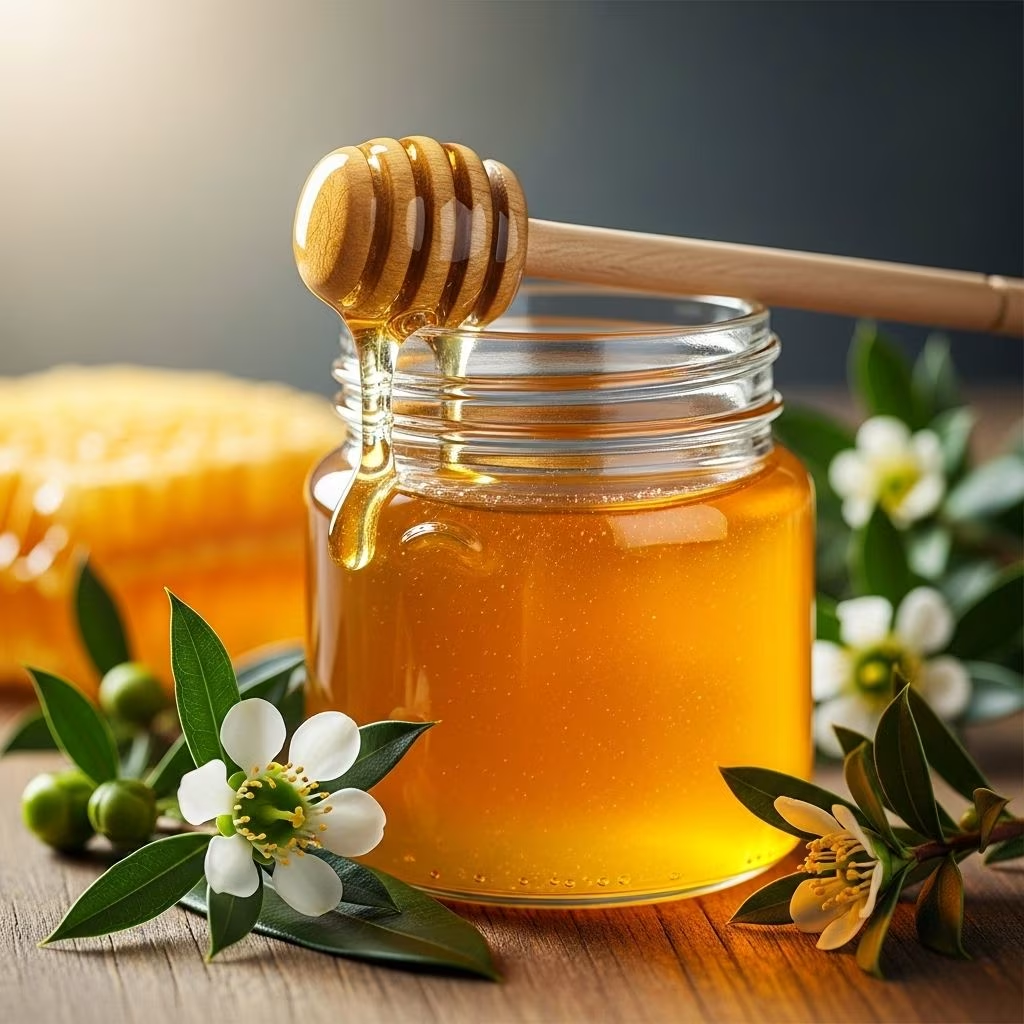
Manuka honey is not just another sweetener—it’s a globally prized superfood harvested only from the native Manuka tree of New Zealand, celebrated for unique health-promoting compounds, medicinal properties, and complex flavor. This comprehensive guide explores what makes Manuka honey special, the science-backed benefits, ways to use it, and how to authenticate real Manuka honey.
What Is Manuka Honey?
Manuka honey is a monofloral honey produced by bees (Apis mellifera) that gather nectar exclusively from the flowers of the native New Zealand Manuka tree (Leptospermum scoparium). This honey can only be made in the regions where this wild shrub grows, which is mainly New Zealand and, to a lesser extent, southeastern Australia.
- Origin: Native to New Zealand; also present in some parts of Australia.
- Production: Exclusively from Manuka blossoms, making it rare and seasonal.
- Significance: Valued in traditional Maori culture for centuries for its medicinal and health-giving properties.
The early Maori recognized the importance of the Manuka tree both as a healing plant and through its role in origin stories. Today, Manuka honey is recognized worldwide for its distinctive qualities.
Manuka Honey vs. Regular Honey
| Feature | Manuka Honey | Regular Honey |
|---|---|---|
| Source | Manuka tree (Leptospermum scoparium) | Various floral sources |
| Geographic Origin | New Zealand, rarely Australia | Worldwide |
| Key Compounds | MGO, Leptosperin, DHA, UMF | Low/none of these |
| Processing | Raw, unpasteurized | Often pasteurized |
| Taste | Complex, earthy, mineral, slightly bitter | Sweeter, lighter, floral |
| Texture | Thick, creamy, viscous | Runny to moderately thick |
| Authentication | Strict grading (UMF, MGO), QR traceability | Minimal or none |
| Ethical Harvesting | GMO-free, bees not fed sugar water | Can be mass-produced, conventional practices |
Manuka honey’s unique composition and processing standards set it apart not just nutritionally but also in taste, texture, and therapeutic properties.
Unique Compounds in Manuka Honey
Manuka honey owes its distinctive bioactivity and health benefits to several compounds not found in other honeys:
- Leptosperin: An antioxidant, exclusive to Manuka honey, used as a key marker of authenticity. It is linked to many of Manuka’s health benefits and is not present in other honey types.
- Methylglyoxal (MGO): The primary compound responsible for Manuka’s unique antibacterial action. Manuka honey is rated based on its measured MGO level.
- Dihydroxyacetone (DHA): Found in high concentrations in the Manuka flower’s nectar, it converts to MGO during honey maturation.
- UMF™ (Unique Manuka Factor): A grading index based on the concentration of signature bioactive markers—primarily MGO, leptosperin, and DHA. UMF-certified honeys are independently tested and traceable.
- Phenolic Compounds & Flavonoids: High concentrations support antioxidant and anti-inflammatory effects.
- Vitamins & Minerals: Rich in amino acids, B and C vitamins, and minerals like potassium, calcium, and magnesium.
This composition gives Manuka honey potent antibacterial, anti-inflammatory, and antioxidant properties.
Health Benefits of Manuka Honey
Manuka honey has garnered scientific and traditional acclaim for a wide range of health benefits. While research continues, current evidence highlights the following:
1. Antibacterial Properties
- High MGO levels give Manuka honey powerful antibacterial activity, effective even against antibiotic-resistant bacteria.
- Clinically used for wound healing, burns, ulcers, and skin infections, inhibiting the growth of various pathogens.
2. Anti-Inflammatory Effects
- Manuka honey can soothe inflammatory conditions, relieve sore throats, and ease digestive discomfort.
- Used traditionally and in modern application for calming inflamed skin and tissue.
3. Antioxidant Activity
- Rich in flavonoids and phenolic compounds, Manuka honey neutralizes free radicals, supporting cellular health.
- Contributes to overall disease prevention and health maintenance.
4. Immune Support
- Studies and anecdotal evidence suggest regular Manuka honey intake may support immune function, reducing risk and duration of infections.
5. Digestive Health
- Manuka honey is used to help balance gut bacteria, support digestive comfort, and may help with gastritis, reflux, and peptic ulcers in some individuals.
- Antimicrobial action targets Helicobacter pylori, the bacteria linked to ulcers.
6. Oral Health
- Its antibacterial property may help reduce dental plaque, gingivitis, and oral ulcers by fighting harmful oral bacteria.
7. Skin Care
- Widely used as a topical application for wounds, minor burns, acne, eczema, and psoriasis due to both its antibacterial and moisturizing qualities.
Note: While many applications of Manuka honey are well researched, some uses still need more large-scale human trials for definitive conclusions. Always consult medical professionals for serious health concerns.
Common and Traditional Uses
Manuka honey is used both as a food and as a medicinal agent. Its versatility is remarkable:
- Topical Wound Care: Apply directly to cuts, burns, abrasions, and ulcers. Often used under medical supervision for chronic wounds.
- Sore Throat Remedy: Taken by the spoonful or mixed with warm water/lemon to ease throat irritation.
- General Wellness: Added to smoothies, teas, or spread on toast for immune and antioxidant support.
- Digestive Aid: Consumed before meals to soothe indigestion and balance stomach bacteria.
- Oral Health: Used as a natural mouthwash or mixed into homemade toothpaste for antibacterial action.
- Skincare: Masks and spot treatments for acne, eczema, and dry skin; can be mixed with other natural ingredients.
In traditional Maori medicine (‘rongoā’), both the Manuka tree and its honey were used for a wide variety of ailments, underlining their importance well before modern science confirmed their properties.
Grading Systems and Authenticity
Due to its high value and limited supply, Manuka honey is susceptible to counterfeiting. Credible producers follow robust grading and certification systems to guarantee authenticity:
- UMF™ (Unique Manuka Factor): The leading, independent grading standard. The UMF™ number (e.g., 10+, 15+, 20+) represents the concentrations of MGO, DHA, and leptosperin, quantified by independent laboratories. Only products tested and licensed by the Unique Mānuka Factor Honey Association (UMFHA) can display the UMF™ trademark.
- MGO: Specifies the exact methylglyoxal content (mg/kg) — higher MGO signifies stronger antibacterial strength.
- MPI Certification: The New Zealand Ministry of Primary Industries (MPI) sets requirements for Manuka authenticity. Genuine products are batch-tested for key markers and can be traced via QR code labels.
- Manuka ID Project: An ongoing genetic and chemical profiling initiative to further secure Manuka honey supply and combat fraud.
Always verify the presence of these badges or QR-traceability to ensure you’re purchasing genuine Manuka honey.
Taste and Texture Profile
Manuka honey is easily recognized by its:
- Color: Deep cream to dark brown, often darker than other honeys.
- Texture: Exceptionally thick, creamy, and viscous—more so than regular honey.
- Flavor: Described as “earthy, oily, herbaceous,” and “florid, rich and complex”. Many note a “damp earth, heather, aromatic” aroma and a “mineral, slightly bitter” finish.
Overall, lovers of Manuka honey point to its robust, caramel-like sweetness balanced with earthy notes, unlike the floral or citrusy tones of common honeys.
Choosing and Storing Manuka Honey
When buying Manuka honey, keep the following tips in mind:
- Look for authentic grading (UMF™, MGO, MPI).
- Check for country of origin. Authentic Manuka honey is produced only in New Zealand (with rare exceptions in Australia).
- Scan for traceability. Many genuine brands allow you to track your honey’s journey from hive to jar.
- Avoid blends. Only buy “monofloral Manuka honey” if seeking purity; blends are mixed with other honeys and lack full benefits.
- Store properly: Keep at room temperature, away from direct sunlight. No need to refrigerate.
Ethical brands avoid feeding bees sugar water and use non-GMO, pesticide- and glyphosate-free methods.
Side Effects and Precautions
Manuka honey is generally safe for most people. However:
- Infants under 12 months: Never give honey (of any kind) due to risk of infant botulism.
- Allergy Risk: Rare, but those with bee or honey allergies should avoid.
- Diabetics: Contains high sugars—consume in moderation.
- Caloric content: Like all honeys, it’s rich in natural sugars and calories.
Consult your healthcare provider if you use Manuka honey for significant medical conditions.
Frequently Asked Questions (FAQs)
Q: How do I know if my Manuka honey is genuine?
A: Check for UMF™ or MGO certification, New Zealand origin, and look for batch traceability (like a QR code). Avoid brands that do not clarify grading systems or country of authentic origin.
Q: What does Manuka honey taste like?
A: It’s thick, creamy, caramel-like with earthy, aromatic, sometimes slightly bitter notes. It’s less floral and more robust than typical honey.
Q: Is Manuka honey better than regular honey?
A: For antibacterial and certain wellness uses, yes. Manuka honey’s unique compounds (MGO, leptosperin) and strict grading give it advantages in medicinal settings. However, both are rich in nutrients and offer benefits as natural sweeteners.
Q: Does heating Manuka honey destroy its beneficial properties?
A: Excessive heating can degrade some of the enzymes and phenolic compounds. Manuka honey is best consumed raw to preserve its properties.
Q: Can I use Manuka honey every day?
A: Yes, in moderate amounts, it’s excellent for daily wellness, so long as you are not allergic and mindful of sugar intake.
Q: Is Manuka honey vegan?
A: No, honey (including Manuka) is an animal product since bees are required for its production.
References
- References for this article are available upon request; key information is based on major scientific publications, certification authority resources, and medical research findings as of 2024.
References
- https://en.wikipedia.org/wiki/M%C4%81nuka_honey
- https://manukora.com/blogs/honey-guide/manuka-honey-what-is-it
- https://www.umf.org.nz/nz-manuka-honey/
- https://pmc.ncbi.nlm.nih.gov/articles/PMC6613335/
- https://www.webmd.com/a-to-z-guides/manuka-honey-medicinal-uses
- https://www.shoppri.com/pages/what-is-manuka-honey
- https://www.mpi.govt.nz/dmsdocument/17374-manuka-honey-science-definition-infographic/
- https://www.puriti.com/pages/what-is-manuka-honey


