


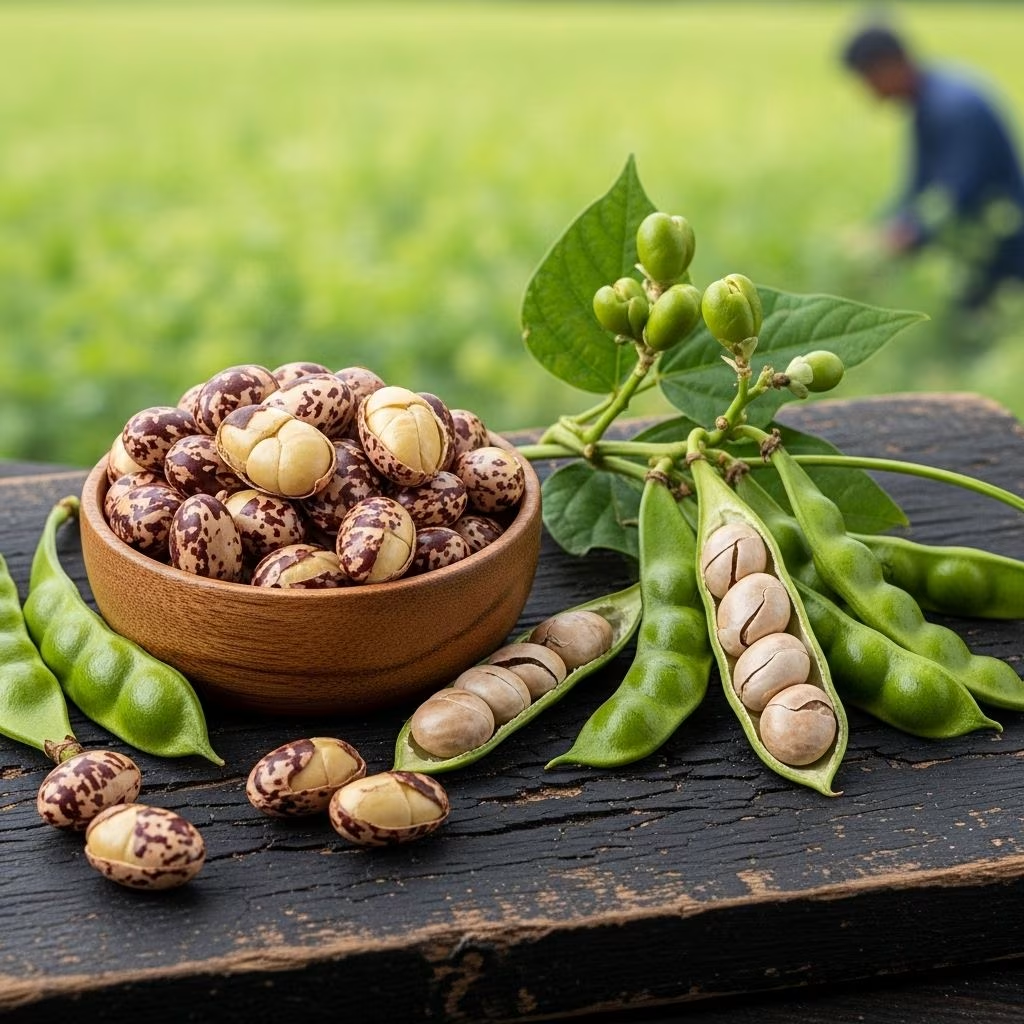
Introduction to Marama Bean
The marama bean (Tylosema esculentum), also known as Camel’s foot, Gemsbuck bean, or tamani berry, is an indigenous legume native to the arid regions of southern Africa, including Namibia, Botswana, and South Africa. It has long been valued by local communities for its remarkable ability to thrive in extremely dry conditions where few other crops can survive, making it a vital resource in areas prone to drought and unpredictable rainfall.
Despite its exceptional nutritional value and hardiness, the marama bean remains underutilized in global agriculture. However, increasing attention from researchers and agricultural experts highlights its potential as a sustainable, protein-rich food source for arid regions worldwide.
Botanical and Geographical Background
Marama bean is a perennial plant belonging to the genus Tylosema, which comprises just four species native to Africa. Tylosema esculentum is the most notable for its edible seeds and tubers, both of which are consumed by humans and animals. The plant is exceptionally resilient, tolerating extreme temperatures—summer highs of up to 50°C and freezing winters—and can survive with as little as eight weeks of surface water per year.
The marama plant forms large underground tubers that store water, helping it endure prolonged droughts. These tubers can reach impressive sizes; in Botswana, a single tuber has been recorded weighing 277 kg, demonstrating the plant’s remarkable drought-survival strategy. The plant produces large, flat pods containing one or two seeds each, which are harvested for food and oil.
Nutritional Profile
Marama bean stands out for its extraordinary nutritional composition, especially compared to more common commercial legumes:
Seeds
- Protein: Seeds contain 30–39% protein, rivaling or even surpassing soybean (23–40%) and peanut (25%). The protein is high-quality, with a good balance of essential amino acids, including significant lysine and methionine content.
- Oil Content: Seeds are approximately 40% oil by weight, similar to peanuts, and the oil resembles almond oil in taste and consistency.
- Carbohydrates and Fiber: The seeds are also a source of carbohydrates and dietary fiber, contributing to their energy content and digestive benefits.
- Other Nutrients: Marama seeds contain antioxidants, vitamins, and minerals, though detailed micronutrient profiles are still under research.
Tubers
- Protein: Tubers are about 9% protein—higher than potatoes (5%) and yams (7%)—making them a valuable protein source in arid regions.
- Water: Mature tubers are a critical emergency water source for people and livestock in the Kalahari Desert.
- Carbohydrates: Young tubers are sweet and starchy, resembling artichoke in texture, while older tubers become fibrous and are typically used for water storage rather than food.
| Component | Seeds | Tubers |
|---|---|---|
| Protein | 30–39% | 9% |
| Oil | ~40% | Negligible |
| Carbohydrates | Moderate | High (young tubers) |
| Water | Low | Very high (mature tubers) |
Health Benefits of Marama Bean
Marama bean offers several health benefits, particularly for populations in arid regions and for those seeking plant-based protein alternatives:
- High-Quality Protein Source: With a protein content comparable to soybeans, marama bean is an excellent option for vegetarians, vegans, and those looking to reduce their animal protein intake.
- Rich in Healthy Fats: The oil extracted from marama seeds is similar to almond oil, providing a source of unsaturated fats that may support heart health.
- Resilience to Climate Stress: As a drought-resistant crop, it offers food security in regions vulnerable to climate change and water scarcity.
- Emergency Nutrition and Hydration: The tuber can serve as both a food and water source during droughts, making it life-saving in harsh environments.
- Potential for Improved Nutrition: Research suggests that with genetic improvement, marama bean could rival or surpass soy as a global protein crop.
Culinary Uses and Preparation
Marama bean is a versatile food source, with both seeds and tubers consumed in various ways:
Seeds
- Roasting: Seeds are most commonly roasted, developing a flavor reminiscent of cashew nuts or coffee beans. Roasted seeds can be eaten as a snack or used as an almond substitute in recipes.
- Boiling: Boiled seeds are sometimes mixed with maize meal or ground into flour for porridge.
- Oil Extraction: The oil is edible, with a taste and consistency similar to almond oil, and can be used in cooking or as a salad dressing.
- Beverages: Ground seeds can be brewed into a coffee- or cocoa-like drink.
Tubers
- Young Tubers: Can be baked, boiled, or roasted, offering a sweet, pleasant taste and artichoke-like texture. These are typically harvested before two years of growth.
- Mature Tubers: Although fibrous and bitter, they are an important emergency water source and are usually not eaten unless no other options are available.
Other Uses
- Livestock Feed: The leaves provide good fodder for animals, contributing to the overall sustainability of the plant.
Taste and Flavor Profile
The taste of marama bean is one of its most celebrated qualities, especially after roasting:
- Roasted Seeds: Have a rich, nutty flavor that has been compared to roasted cashews, coffee beans, or even almonds. This makes them a desirable snack and a potential ingredient in gourmet dishes.
- Fresh or Boiled Seeds: Are less commonly eaten raw due to the presence of trypsin inhibitors, but after cooking, they are appreciated for their nutty taste.
- Tubers: Young tubers are sweet and pleasant, akin to artichoke hearts, while older tubers become fibrous and are less palatable.
Marama oil, with its golden-yellow color and nutty aroma, is also prized for its pleasant, slightly bitter flavor, resembling almond oil.
Agricultural Potential and Sustainability
Marama bean’s ability to grow in harsh, arid environments positions it as a key crop for sustainable agriculture and food security:
- Drought Resistance: The plant’s deep root system and large water-storing tubers allow it to survive with minimal rainfall, making it ideal for regions affected by climate change.
- Low-Input Farming: Marama bean requires little water and no chemical fertilizers, fitting well into low-impact, organic farming systems.
- Cultivation Challenges: Despite its potential, marama bean is not widely cultivated. Most production occurs on small plots in Namibia and Botswana, with some experimental cultivation in Australia and the USA. Propagation is challenging, as seeds require scarification and warmth to germinate, mimicking natural conditions where heavy rains trigger growth.
- Future Prospects: Increased research and domestication efforts could expand marama bean cultivation, offering a climate-resilient, nutritious crop for arid regions worldwide.
FAQs about Marama Bean
What is marama bean?
Marama bean (Tylosema esculentum) is a drought-resistant legume native to southern Africa, valued for its protein-rich seeds and edible tubers.
Where does marama bean grow?
It is native to Namibia, Botswana, and South Africa, thriving in extremely dry, low-rainfall environments.
Is marama bean edible?
Yes, both the seeds and young tubers are edible. Seeds must be cooked to remove trypsin inhibitors, while young tubers are sweet and can be baked, boiled, or roasted.
What does marama bean taste like?
Roasted seeds taste like cashews or almonds, and the oil resembles almond oil. Young tubers are sweet and similar to artichoke.
What are the nutritional benefits of marama bean?
Marama bean seeds are rich in protein (30–39%) and oil (~40%), comparable to soybeans and peanuts. The tubers provide protein, carbohydrates, and emergency water during droughts.
Can marama bean be grown outside Africa?
Yes, experimental cultivation is underway in Australia and the USA, but widespread commercial farming is not yet established.
Why isn’t marama bean more widely cultivated?
Propagation is difficult, and the plant requires specific conditions to thrive. More research and domestication are needed to realize its full agricultural potential.
How can marama bean be used in cooking?
Seeds can be roasted, boiled, ground into flour for porridge, or pressed for oil. Young tubers are cooked as vegetables, while mature tubers are a water source.
Conclusion
Marama bean is a remarkable African legume with the potential to address food security in drought-prone regions. Its high protein and oil content, combined with a unique, nutty flavor, make it a promising superfood worthy of greater attention. While cultivation challenges remain, increased research and investment could help unlock the full benefits of marama bean for both local communities and global agriculture.
References
- https://worldcrops.org/crops/marama-bean/index.html
- https://pfaf.org/user/Plant.aspx?LatinName=Tylosema+esculentum
- https://www.scirp.org/journal/paperinformation?paperid=131984
- https://en.wikipedia.org/wiki/Tylosema_esculentum
- https://pza.sanbi.org/tylosema-esculentum
- https://www.echocommunity.org/en/resources/9e6b7a74-93c9-428e-928a-00b6dcb65d63
- https://onlinelibrary.wiley.com/doi/full/10.1002/fes3.422


