


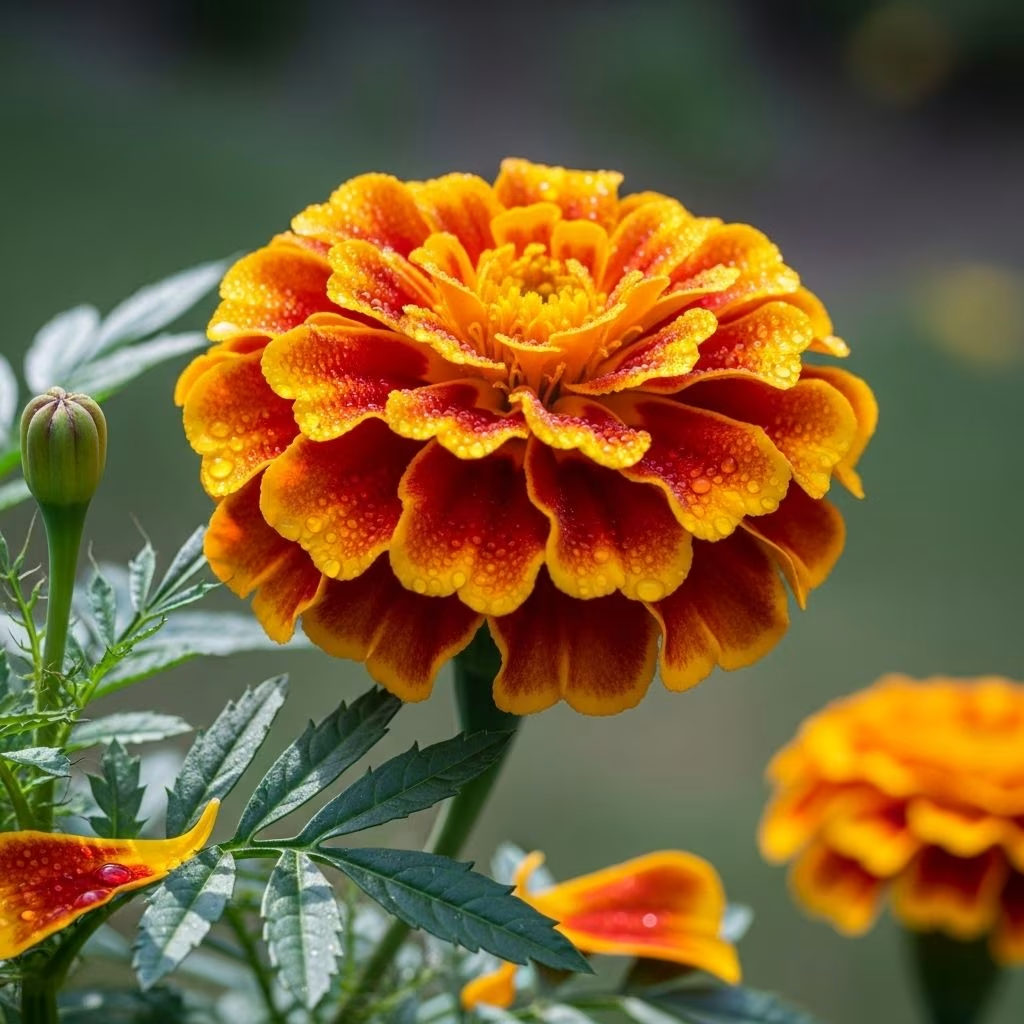
Marigolds are more than just vibrant blooms lighting up gardens and festivals. Revered globally for their hardiness, radiant color, medicinal value, and cultural significance, marigolds have earned their place not only as ornamental favorites but also as culinary, medicinal, and spiritual treasures. This extensive guide explores the story of marigolds—where they come from, their health benefits, diverse uses, and distinctive taste.
Introduction to Marigold
Marigold refers to several species within the Tagetes and Calendula genera, famed for their golden, orange, red, and yellow flowers. Known for their easy cultivation, pest resistance, and cheerful blooms, marigolds have been integral to cultures, traditional medicines, and landscapes from the Americas to Asia.
History and Origins
Marigolds are believed to be native to the Americas, especially Mexico and Central America. The Aztecs treasured marigolds for ceremonial, medicinal, and decorative uses, using them in religious rituals and as natural remedies. When Spanish explorers encountered marigolds in the 16th century, they carried their seeds to Europe, where the flowers were woven into religious symbolism, particularly as ‘Mary’s gold’ in honor of the Virgin Mary. Since then, marigolds have journeyed across continents, becoming October’s birth flower and synonymous with celebration and remembrance worldwide.
Common Marigold Varieties
Marigolds encompass several species, but the most popular include:
- African Marigolds (Tagetes erecta): Despite their name, these originate from Mexico and can reach 3–4 feet tall. They feature large, globe-like blooms in vibrant shades of gold, orange, and yellow.
- French Marigolds (Tagetes patula): More compact (6–18 inches tall), with smaller flowers in red, yellow, orange, and sometimes bicolored or mahogany hues. Their finely cut, fern-like leaves are fragrant and pest-resistant.
- Signet Marigolds (Tagetes tenuifolia): Dainty plants with small, edible, single-petaled blossoms and citrus-scented foliage. They are favored for their use in both gardens and salads.
- Calendula (Calendula officinalis): Also called ‘pot marigold,’ this species is especially noted for its edible flowers and medicinal extracts, although botanically distinct from Tagetes.
Marigolds can range in height from about 6 inches to 5 feet, depending on the variety and growing conditions.
Symbolism and Cultural Importance
Marigolds represent joy, resilience, creativity, and remembrance. Their sunny colors evoke warmth and cheer. Across cultures, marigolds symbolize:
- Joy and Happiness: Their bright colors link them with positivity and the energy of sunshine.
- Resilience: Their hardiness and ability to bloom even in adversity make them emblems of endurance.
- Passion: Especially red marigolds, which symbolize deep love and romance.
- Remembrance: Frequently used in rituals honoring departed loved ones (e.g., Día de los Muertos in Mexico).
- Religious Significance: Used as offerings and decorations in festivals such as the Indian Diwali and in Christian symbolism.
| Symbolism | Region/Culture | Implication |
|---|---|---|
| Resilience, endurance | Americas, Global gardening | Hardy, blooms in harsh conditions |
| Remembrance | Mexico (Día de los Muertos) | Honoring ancestors |
| Offerings, devotion | India (Diwali, puja) | Religious ceremonies |
| Passion, romance | Europe, bouquet symbolism | Gift of love |
How to Grow Marigold
Marigolds are prized for their ease of cultivation and robust nature. They thrive in various soil types, from nutrient-rich garden beds to rocky, well-drained patches, and even urban environments.
- Planting: Sow marigold seeds in sunny locations after the last frost, or start indoors for earlier blooms.
- Soil: While they prefer fertile, well-draining soil, marigolds tolerate poor and even saline soils.
- Watering: Water moderately, avoiding overwatering to prevent root rot.
- Maintenance: Regular deadheading promotes continuous blooms. Marigolds have a natural resistance to most pests and diseases, and their scent helps deter insects and nematodes from adjoining vegetable crops.
Health Benefits of Marigold
Both Tagetes and Calendula marigolds have featured in traditional medicine and modern herbal remedies. Health benefits attributed to marigolds include:
- Anti-inflammatory: Extracts and infusions are used to soothe skin irritation, minor burns, and rashes—especially with Calendula (pot marigold).
- Antiseptic and Wound Healing: Calendula ointments are renowned for accelerating wound healing and preventing infection.
- Digestive Health: Marigold teas have been used for indigestion and stomach cramps.
- Eye Health: Marigold petals contain high levels of lutein and zeaxanthin, carotenoids valuable for protecting eyesight and preventing age-related macular degeneration.
- Immune Support: The flower’s antioxidants contribute to overall immune strength and defense against illness.
It is crucial to distinguish between types: Calendula (C. officinalis) is preferred in internal remedies, while Tagetes varieties are more commonly used for topical and external therapies.
Uses of Marigold
Marigold’s practical uses span many domains, from horticulture to culinary arts and natural health:
- Ornamental: With their vivid hues, marigolds are indispensable garden plants, flower borders, and potted displays.
- Pest Control: Marigolds are interplanted in vegetable gardens to repel pests—especially nematodes and aphids—thanks to their distinctive scent.
- Ceremonial and Decorative: Used elaborately in garlands, festival altars, and offerings across Asia, the Americas, and Europe.
- Medicinal: Utilized in natural ointments, teas, salves, and infusions for their anti-inflammatory and antiseptic action.
- Culinary: Edible petals are used as colorful garnishes, herbal teas, and as a spice substitute (e.g., ‘poor man’s saffron’).
Marigold Taste Profile
Marigold’s flavor varies by species, but most edible varieties, particularly Signet marigolds (Tagetes tenuifolia) and pot marigold (Calendula officinalis), offer a pleasant and distinctive taste:
- Zesty, Citrus-Like Notes: Signet marigolds have a lemon or tangerine tang, adding a refreshing twist to salads and desserts.
- Subtle Bitterness: Some Tagetes species may impart a mildly bitter undertone, similar to arugula or endive.
- Spicy, Peppery Hints: Calendula petals can have a slightly spicy, peppery flavor, reminiscent of saffron but milder.
- Pungency: For ornamental African and French marigolds, the aroma can be pungent, sometimes described as earthy or musky, but this rarely translates to the edible parts.
Depending on harvest time and growing conditions, marigold flavor can range from softly floral to decidedly zesty and tangy.
Culinary Applications
Edible marigold flowers have enjoyed a long history as culinary enhancements. Here’s how marigolds flourish in kitchens worldwide:
- Garnishes: Sprinkle fresh petals on salads, desserts, cakes, or cocktails for color and a delicate citrus accent.
- Herbal Teas: Infuse dried petals or fresh flowers for a soothing and lightly floral tea. Calendula tea is especially popular for its gentle medicinal properties.
- Spice Substitute: Calendula petals have been called ‘poor man’s saffron,’ used to color and flavor soups, rice dishes, and stews.
- Salads and Cold Dishes: Add whole flowers or petals to green salads and grain dishes for both nutrition and brightness.
- Preserves and Butters: Marigold petals can be mixed into butters, soft cheeses, or used in edible flower jellies and syrups.
| Species | Culinary Use | Taste Description |
|---|---|---|
| Calendula (C. officinalis) | Teas, soups, garnish, spice | Mildly spicy, peppery, saffron-like |
| Signet Marigold (T. tenuifolia) | Salads, desserts, floral butter | Lemony, tangy, bright citrus |
| French/African Marigolds | Mainly ornamental, rare culinary use | Pungent, bitter (not suited for eating) |
Safety and Precautions
While marigolds offer many benefits, some important safety tips must be observed:
- Only consume clearly identified edible species (not all marigolds or related ornamentals are safe for eating).
- Grow your own or source organically-grown flowers, ensuring they are free from pesticides and chemical sprays.
- Allergies are rare, but some individuals may experience mild skin irritation or digestive discomfort—use in moderation when trying for the first time.
Frequently Asked Questions (FAQs)
Are all marigolds edible?
Not all marigold varieties are edible. Culinary use is generally restricted to Calendula (pot marigold) and Signet marigold (Tagetes tenuifolia). African and French marigolds (Tagetes erecta/patula) are not typically eaten, though not highly toxic. Always consult a reliable source before consuming any flowers.
What are the main medicinal uses of marigold?
Marigolds are used in herbal medicine for reducing inflammation, speeding wound healing (Calendar ointments and balms), soothing minor burns and rashes, and for gentle digestive support. Calendula is the key medicinal variety.
How do marigolds help in the garden?
Marigolds are natural pest deterrents. Planted alongside vegetables, they repel nematodes, aphids, and some beetles due to their strong scent. They also attract pollinators and beneficial insects, supporting overall garden health.
What is ‘poor man’s saffron’?
Pot marigold (Calendula officinalis) petals are sometimes referred to as ‘poor man’s saffron’ because they can impart a golden color and mildly peppery flavor to dishes, serving as a substitute for true saffron.
What does marigold tea taste like?
Marigold tea brewed from Calendula petals tastes mildly floral, faintly peppery, with soft bitter-sweet undertones. Signet marigold tea is more citrusy and tangy.
Can people with allergies safely use marigold?
Most people tolerate marigold well, but rare skin or mouth irritation is possible, particularly in those with allergies to the Asteraceae (daisy) family. Start with small amounts and discontinue if adverse reactions occur.
Conclusion
Marigolds embody more than ornamental beauty—they enrich gardens, mark cultural celebrations, promote health, and enhance culinary adventures with their unique flavor. By understanding the diverse benefits, uses, and qualities of marigold, home gardeners, cooks, and natural living enthusiasts can unlock the full power of these radiant flowers.
References
- https://bouqs.com/blog/marigold-meaning-symbolism/
- https://www.fnp.com/article/learn-more-about-marigold-the-october-flower
- https://hgic.clemson.edu/factsheet/marigold/
- https://www.floraqueen.com/blog/marigold-flower
- https://kids.britannica.com/kids/article/marigold/353429
- https://www.britannica.com/plant/marigold
- https://www.vedantu.com/evs/facts-about-marigold-flower
- https://en.wikipedia.org/wiki/Tagetes
- https://piedmontmastergardeners.org/article/marigold-more-than-a-pretty-face/


