


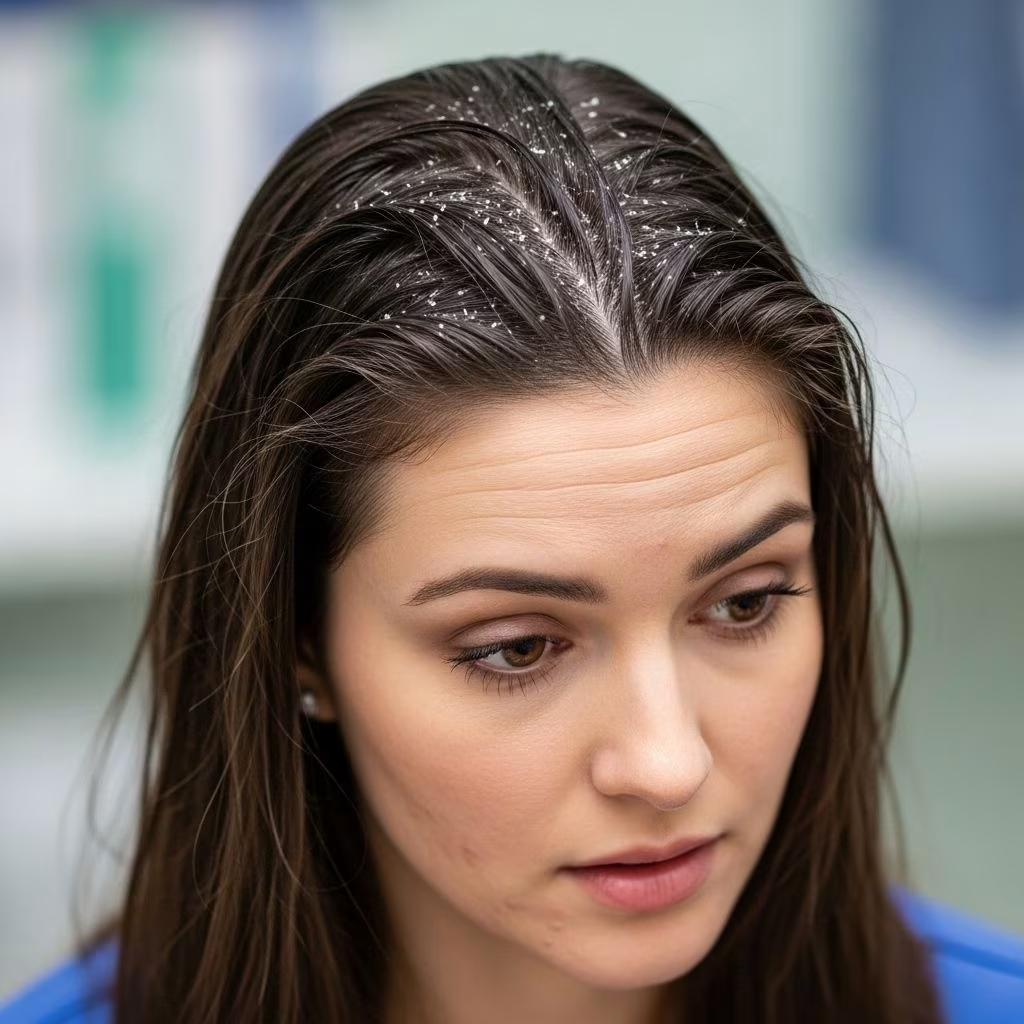
Introduction to PCOS and Dandruff
Polycystic Ovary Syndrome (PCOS) is a common hormonal disorder affecting women of reproductive age. It is characterized by an imbalance in reproductive hormones, particularly high levels of androgens, which can lead to various symptoms including acne, weight gain, and irregular menstrual cycles. One of the lesser-known effects of PCOS is its impact on scalp health, resulting in conditions like oily scalp and dandruff. This article delves into the connection between PCOS and dandruff, exploring the causes and offering natural remedies to relieve a flaky scalp.
Understanding PCOS
PCOS affects millions of women worldwide and is associated with hormonal imbalances that disrupt ovulation and cause cysts on the ovaries. Key symptoms include irregular periods, acne, and excessive hair growth in a masculine pattern, known as hirsutism. The hormonal imbalance, particularly the excess of androgens, plays a significant role in the development of scalp issues.
Causes of Dandruff in PCOS
Dandruff is a common scalp condition characterized by flaky, itchy skin. While it is not solely linked to PCOS, the hormonal imbalance can exacerbate it. Increased androgen levels can stimulate the sebaceous glands, leading to an oily scalp. This environment is conducive to the overgrowth of Malassezia yeast, which feeds on sebum and irritates the scalp, accelerating skin cell shedding and causing dandruff.
The Role of Seborrheic Dermatitis
Seborrheic dermatitis is a skin condition that affects oily areas like the scalp and face, causing itchy, scaly patches and flakes. It is a common cause of dandruff and can be triggered by hormonal imbalances, including those seen in PCOS. The exact cause of seborrheic dermatitis is not fully understood, but it is believed to involve a combination of hormonal factors, yeast overgrowth, and genetic predisposition.
Natural Remedies for Dandruff in PCOS
While dandruff can be challenging to manage, especially in the context of PCOS, there are several natural remedies that can help alleviate symptoms:
- Tea Tree Oil Shampoo: Known for its antifungal properties, tea tree oil can help control yeast overgrowth and reduce flaking.
- Coconut Oil: Applying coconut oil to the scalp can help moisturize and soothe irritation, reducing itchiness and flaking.
- Apple Cider Vinegar Rinse: This natural acid can help balance the scalp’s pH, reducing yeast growth and alleviating dandruff symptoms.
- Olive Oil and Lemon Juice Mask: Mixing olive oil with lemon juice creates a mask that can soothe and nourish the scalp, reducing inflammation.
Other Considerations
Managing dandruff in PCOS also involves addressing the underlying hormonal imbalance. This can include dietary changes, such as reducing sugar intake and increasing omega-3 fatty acid consumption, as well as engaging in regular physical activity to improve insulin sensitivity and reduce androgen levels.
Frequently Asked Questions (FAQs)
Q: Is dandruff solely caused by PCOS?
A: No, dandruff can be caused by various factors, including hormonal imbalances, yeast overgrowth, and dry skin. PCOS can exacerbate dandruff symptoms due to increased androgen levels.
Q: How common is dandruff in people with PCOS?
A: While there is no specific prevalence data, women with PCOS are more likely to experience scalp issues, including dandruff, due to hormonal imbalances.
Q: Can natural remedies completely eliminate dandruff in PCOS?
A: Natural remedies can help alleviate symptoms, but they may not completely eliminate dandruff. Combining these remedies with medical treatments and lifestyle changes is often most effective.
Q: Are there any dietary recommendations for managing PCOS-related dandruff?
A: Yes, maintaining a balanced diet low in sugar and refined carbohydrates, and high in omega-3 fatty acids, can help reduce inflammation and improve insulin sensitivity.
References
- https://thebasicswoman.com/en-us/blogs/blogs/its-linked-pcos-oily-scalp-dandruff
- https://healthmatch.io/pcos/pcos-hair-loss
- https://pcostowellness.com/blogs/post/dandruff-and-pcos-the-causes-and-natural-remedies-to-relieve-a-flaky-scalp
- https://drfionand.com/14-signs-might-pcos/
- https://www.webmd.com/skin-problems-and-treatments/understanding-dandruff-basics
- https://my.clevelandclinic.org/health/diseases/14403-seborrheic-dermatitis
- https://www.medicalnewstoday.com/articles/265309
- https://www.usdermatologypartners.com/blog/understanding-and-managing-pcos-related-skin-symptoms/


