


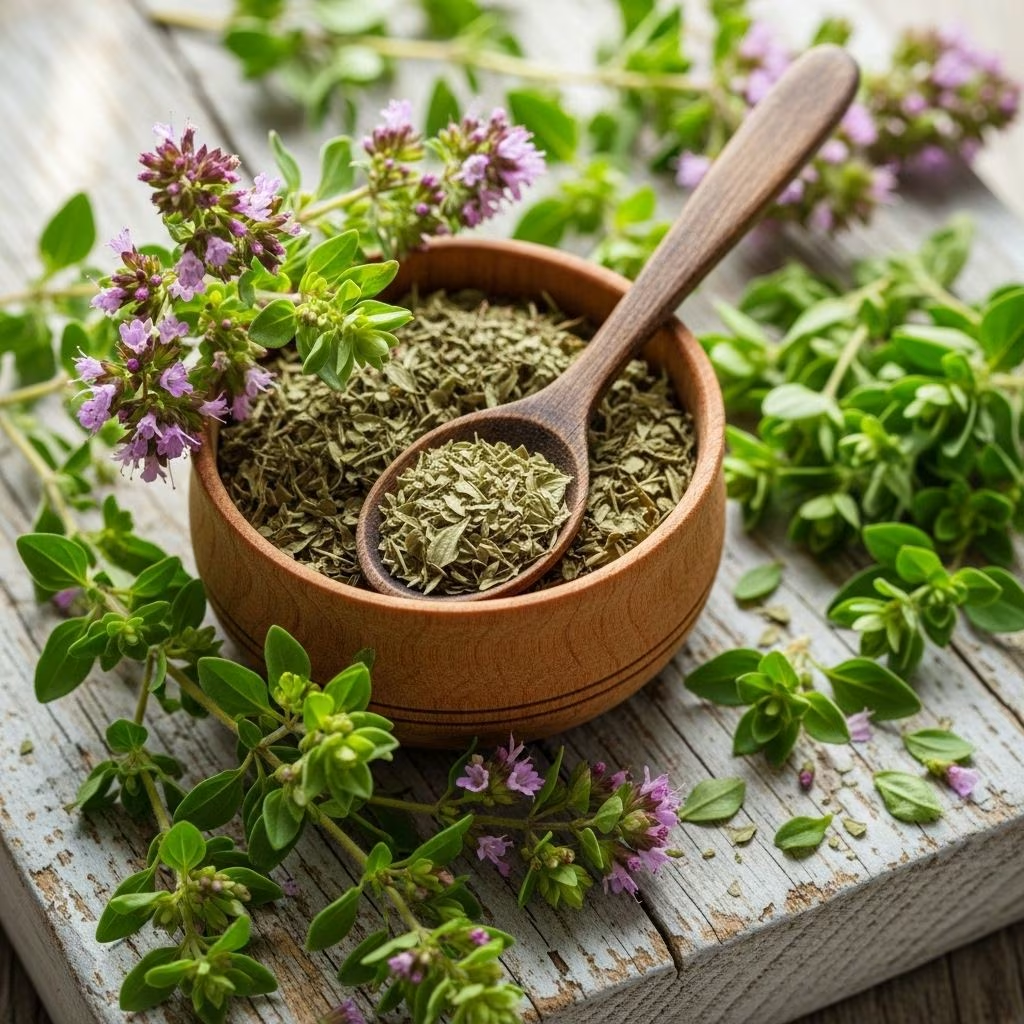
Marjoram is a classic Mediterranean herb long valued for its aromatic leaves, versatile uses in cooking, and an array of health benefits rooted in both traditional and modern herbal practice. Known botanically as Origanum majorana, marjoram is often mistaken for its close relative oregano, but distinguishes itself with a sweeter, milder flavor and an impressive medicinal profile. This guide provides an in-depth look at marjoram—from its ancient origins to modern culinary and therapeutic applications, to its distinctive taste and essential oil content.
Introduction to Marjoram
Marjoram (Origanum majorana) is a perennial herb or undershrub that thrives in temperate climates.
It belongs to the mint family (Lamiaceae) and is closely related to oregano, though it possesses a gentler, less peppery flavor profile. In some Mediterranean and Middle Eastern cultures, ‘marjoram’ and ‘oregano’ are used synonymously, making context and botanical names important when selecting the right herb .
- Common Names: Sweet Marjoram, Knotted Marjoram, Pot Marjoram
- Scientific Name: Origanum majorana
Historical and Cultural Significance
Marjoram has a rich legacy in both culinary arts and herbal medicine:
- Ancient origins: Indigenous to the Mediterranean, Cyprus, Turkey, Western Asia, and the Levant .
- Symbolism: Ancient Greeks hailed marjoram as a symbol of happiness and love, associating it with the goddess Aphrodite. It was woven into wedding wreaths and garlands in Greek and Roman times .
- Traditional medicine: Used since antiquity for ailments ranging from respiratory congestion to muscle aches, and mentioned in classic texts such as Dioscorides’ De Materia Medica .
- Folklore: Part of Celtic and Sephardic Jewish traditions for protection and health .
Botanical Description and Cultivation
Understanding the plant characteristics and cultivation needs of marjoram ensures optimal growth and flavor development.
- Plant type: Tender perennial (grows year-round in mild climates; may behave as an annual in cooler regions)
- Leaves: Small, smooth, ovate to oblong-ovate, greyish-green with fine hairs for a velvety texture
- Stems: Straight, round, hairy
- Flowers: Tiny, white or pale pink; borne in clusters
Marjoram is typically grown in pots to prevent it from spreading uncontrollably in gardens. It thrives in well-drained soil and sunny locations, and it can be harvested several times across the growing season .
Cultivation Table
| Aspect | Details |
|---|---|
| Soil | Well-drained, neutral to slightly alkaline |
| Sunlight | Full sun |
| Watering | Moderate; avoid waterlogging |
| Hardiness Zones | USDA Zones 7–9 (may overwinter in Zone 5 with protection) |
| Harvest Time | Before flowering for best flavor; cut mature stems and dry in shade |
Key Chemical Constituents
Marjoram contains a diverse array of essential oils and phytochemicals responsible for its flavor, aroma, and medicinal action :
- Essential oils: Terpinen-4-ol, linalool, thymol, carvacrol, sabinene, geranyl acetate, α-terpineol
- Other compounds: Flavonoids, tannins, rosmarinic acid, ascorbic acid, and various phenolics
- Aromatic compounds: Confer antimicrobial, antioxidant, and anti-inflammatory effects
Health Benefits of Marjoram
Marjoram’s esteemed medicinal properties are supported by both traditional herbalism and contemporary phytotherapy research :
1. Supports Digestive Health
- Stimulates secretion of digestive enzymes like acid and pepsin, aiding digestion and nutrient absorption
- Alleviates indigestion, bloating, colic, flatulence, and dyspepsia
- Exhibits anti-ulcer and mucus-protective actions in the stomach lining
2. Promotes Immune Defense
- Contains antibacterial, antiviral, and antifungal compounds, notably carvacrol and thymol
- Traditionally used to ease symptoms of colds, coughs, respiratory infections, and flu—both as tea and chest ointment
3. Potent Anti-inflammatory and Antioxidant
- Reduces inflammation (helps with muscle aches, joint pains, and inflammatory skin conditions)
- Fights oxidative stress, supporting cardiovascular and overall health
- Addresses minor wounds, cuts, and grazes when applied topically
4. Calming Effects and Women’s Health
- Acts as a mild sedative, promoting relaxation and potentially supporting better sleep
- Aids in alleviating menstrual discomfort, including cramps and dysmenorrhea
5. Additional Medicinal Applications
- May support blood sugar control and have anti-diabetic effects
- Historically used for headaches and as a mild anxiolytic (anti-anxiety agent)
- Possible hepatoprotective (liver-protecting), cardioprotective, anticoagulant, and anti-mutagenic actions according to phytochemical studies
Culinary Uses
Marjoram’s subtle sweetness and aromatic complexity make it a prized seasoning in global cuisines, particularly Mediterranean and Middle Eastern cooking :
- Herb blends: Featured in herbes de Provence and za’atar
- Meats: Complements lamb, poultry, pork, beef, and sausages
- Vegetable dishes: Enhances tomatoes, eggplants, zucchini, potatoes, and beans
- Soups and stews: Adds depth to broths, lentil soups, and vegetable stews
- Dressings and sauces: Used in vinaigrettes, tomato sauces, and creamy dips
- Herbal teas: Brewed as a soothing digestive and respiratory tea
Marjoram vs. Oregano: Culinary Comparison
| Aspect | Marjoram | Oregano |
|---|---|---|
| Flavor | Sweet, mild, floral, pine-citrus | Bold, peppery, earthy, slightly bitter |
| Best Uses | Light meats, vegetables, fresh salads, egg dishes | Rich tomato sauces, grilled meats, robust stews |
| Heat Sensitivity | Delicate; best added towards end of cooking | Can withstand longer cooking times |
Taste and Aroma Profile
Marjoram’s distinctiveness lies in its sweet, delicate, and nuanced flavor and fragrance :
- Taste: Warm, mildly bitter, and aromatic; evokes sweet pine and citrus notes with subtle floral undertones
- Texture: Smooth, silky leaf due to fine hairs; pleasant even when dried
- Aroma: Intensely fragrant, with essential oils offering complex herbal and slightly peppery perfume
Dried marjoram retains much of its aromatic strength, making it one of the few herbs whose dried form closely matches the fresh taste profile.
How to Grow and Harvest Marjoram
Home gardeners can successfully cultivate marjoram with minimal effort, enjoying a steady supply for culinary and medicinal use:
- Start seeds indoors in early spring; transplant outside after frost risk has passed
- Choose a sunny spot with good air circulation
- Space plants 12–18 inches apart to prevent overcrowding
- Prune and harvest regularly to encourage bushy growth
- Cut stems before flowering for best flavor and aroma
- Dry harvested sprigs in the shade to preserve essential oils, then store in airtight containers
Potential Risks and Considerations
- Marjoram is generally recognized as safe when used in culinary amounts for healthy individuals
- Very high consumption, especially of concentrated extracts or essential oils, may cause digestive upset or allergic reactions in sensitive persons
- Not recommended for pregnant or breastfeeding women in medicinal doses due to potential uterine effects
- Always consult a healthcare provider before using marjoram medicinally, especially if you have existing health conditions or are taking prescription medications
Frequently Asked Questions (FAQs)
Q: How do you store fresh and dried marjoram to maximize flavor?
A: Store fresh marjoram stems in a glass of water with the leaves loosely covered in the refrigerator for up to a week. Dried marjoram should be kept in an airtight container away from heat and light to preserve its aromatic oils for several months.
Q: Can I substitute oregano for marjoram in recipes?
A: While oregano and marjoram share similarities, oregano has a more intense flavor. When substituting, use about two-thirds the amount of oregano to replace marjoram, and add towards the end of cooking to avoid overpowering the dish.
Q: What is the difference between sweet marjoram and wild marjoram?
A: Sweet marjoram (Origanum majorana) is milder and commonly grown for culinary purposes, while wild marjoram (commonly known as oregano, Origanum vulgare) has a stronger, spicier flavor.
Q: Is marjoram safe to eat raw?
A: Yes, both fresh and dried marjoram can be safely eaten raw, sprinkled on salads or used as a garnish. Its gentle, sweet flavor makes it an excellent finishing herb.
Q: What are classic dishes that feature marjoram?
A: Marjoram is prominent in Mediterranean favorites such as grilled lamb, Greek salad, tomato-based recipes, and sausage seasonings. It is also used to flavor herbal teas, vinaigrettes, roasted vegetables, and even some breads.
Conclusion
Marjoram stands out in the world of herbs for its evocative history, all-around health benefits, and unrivaled versatility in the kitchen. Its sweet, pine-citrus flavor, combined with powerful antioxidants and soothing properties, make it an indispensable ally for both culinary creativity and holistic wellness. Whether enjoyed as a fresh garnish, deepened in a slow-simmered stew, or brewed as a comforting herbal tea, marjoram’s gentle presence continues to enrich palates and promote well-being worldwide.
References
- https://www.herbalreality.com/herb/marjoram/
- https://www.iscientific.org/wp-content/uploads/2019/09/7-IJCBS-16-09-07.pdf
- https://en.wikipedia.org/wiki/Marjoram
- https://food52.com/story/12734-fresh-marjoram-and-10-foods-to-pair-it-with
- https://www.kitchengardenherbs.com/herbs/marjoram/
- https://www.simplyseed.co.uk/blog/whats-the-difference-between-oregano-and-marjoram.html


