


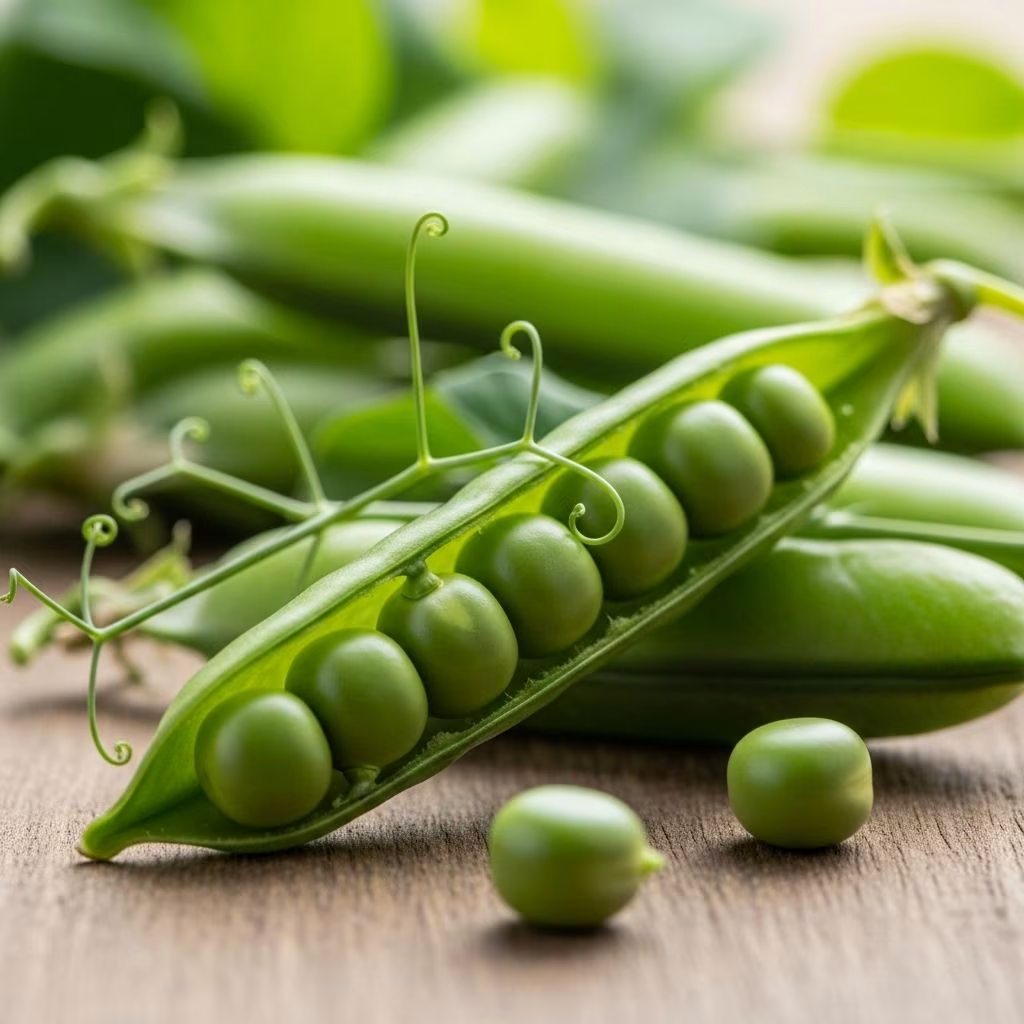
Marrowfat peas are a distinctive variety of green pea, grown to maturity and allowed to dry naturally in the field. Famed for their starchy texture, robust size, and rich nutritional value, marrowfat peas hold a special place in British cuisine, international snack foods, and healthy diets worldwide.
- Rich in protein and dietary fiber
- Central to classic dishes like mushy peas
- Popular in snack products and as sustainable plant-based ingredients
- Distinct sweet, earthy, and creamy flavor profile
Definition and Origin of Marrowfat Peas
Marrowfat peas are a type of Pisum sativum—the same species as regular garden or field peas—but are distinguished by being harvested at full maturity and then dried in the field rather than picked green and young. The reason for their name is due to their plump (‘fat’) appearance and rich texture. The term ‘marrowfat’ originated in England as early as 1730, likely combining ‘marrow’ for richness and ‘fat’ for their large size.
Marrowfat peas are one of three major categories of pea plants, along with common garden peas and sugar peas. The most common traditional varieties include large, white Marrowfat of English origin and dwarf forms refined in the 19th century.
Brief History
- First cultivated in the cool climates of Northern Europe and England
- Brought to North America by English settlers in the 17th century
- Associated with both English and Japanese culinary traditions
Although some sources link marrowfat peas with Japanese ‘Maro’ peas introduced in the early 20th century, references in English publications predate this by nearly two centuries, suggesting an independent heritage.
Marrowfat Peas vs. Garden Peas
| Feature | Marrowfat Pea | Garden Pea |
|---|---|---|
| Harvest Stage | Mature and dried | Young and tender |
| Texture | Starchy, dense, thick-skinned | Sweet, crisp, thin-skinned |
| Color | Deep green (also paler for canning/bleaching) | Bright, fresh green |
| Main Uses | Mushy peas, snacks, canned peas, flour | Fresh eating, salads, quick-cook dishes |
| Carbohydrate Content | Higher (more starch) | Lower (sweeter sugar profile) |
The maturity and unique drying process give marrowfat peas their distinctive starchy taste, making them ideal for applications that require a soft, creamy texture, unlike the sweetness and crunch of garden peas.
Nutritional Benefits of Marrowfat Peas
- High in Protein: Essential for tissue building, muscle repair, and maintenance of healthy bones.
- Rich Source of Dietary Fiber: Both soluble and insoluble fiber, supporting digestive health and cardiovascular function.
- Low in Fat: Ideal for low-fat and plant-based diets.
- Vitamins and Minerals: Contains iron, phosphorus, thiamine (vitamin B1), calcium, and vitamin A—all of which are important for energy metabolism, immunity, and bone health.
- Complex Carbohydrates: Provides long-lasting, slow-release energy due to the high starch content.
Summary Table: Key Nutritional Facts (Per 100g Dry Weight)
| Nutrient | Marrowfat Pea (average value) |
|---|---|
| Calories | 320 |
| Protein | 22g |
| Fiber | 16g |
| Fat | 1.5g |
| Carbohydrates | 56g |
| Iron | 4.6mg |
| Phosphorus | 250mg |
| Vitamin B1 (Thiamine) | 0.7mg |
Marrowfat peas are especially suitable for vegetarian and vegan diets, as they provide essential amino acids and plant-based nutrients needed for healthy living.
Culinary Uses Across Cultures
Thanks to their size, starch content, and flavor, marrowfat peas appear in a wide range of recipes and processed foods.
Classic and Traditional Uses
- Mushy Peas: A staple British accompaniment, especially with fish and chips. When cooked, marrowfat peas break down to a soft, creamy mash that absorbs flavors easily.
- Canned Peas: Lower-grade, pale, or slightly bleached marrowfat peas are used in canned products, making them accessible and convenient.
- Soups and Purees: Used in thick, hearty English-style pea soups for their creamy texture.
- Casseroles and Stews: Often included in one-pot meals for a substantial, protein-rich boost.
- Indian and Asian Dishes: Ground into flour for batters, or sprouted for salads and curries.
Snack Foods and Global Innovations
- Wasabi Peas: In Japan and abroad, high-quality green marrowfat peas are roasted and coated with wasabi for a spicy, crunchy snack.
- Salted Pea Snacks: Roasted, salted, or seasoned for a protein-rich alternative to nuts.
- Pea Crisps and Puffs: Used as the base ingredient in extruded or baked snack foods targeted at health-conscious consumers.
- Plant-Based Protein: Increasingly used in powdered form for protein supplements and non-dairy alternatives due to their nutritional density.
Flours and Sprouts
- Marrowfat peas are dried and milled into pea flour, used to thicken soups, stews, and sauces or for baking gluten-free products.
- Young sprouts can be added to salads for a fresh, slightly nutty flavor.
Taste and Texture Profile
The distinctiveness of marrowfat peas lies in their unique combination of flavor and mouthfeel:
- Taste: Subtly sweet, earthy, and sometimes described as ‘buttery’ or akin to chickpeas but milder.
- Texture: Thick-skinned, starchy, and able to become perfectly soft when boiled—ideal for ‘mushy’ consistency in traditional recipes.
The flavor of marrowfat peas is robust and comforting, with the capacity to carry herbs, spices, and seasoning well—making them adaptable to a range of savory foods.
How to Cook Marrowfat Peas
Cooking marrowfat peas is straightforward but benefits from proper preparation:
- Soaking: Soak dried peas in plenty of water—ideally overnight or at least for 8 hours. This helps soften the skin and speeds up cooking.
- Draining and Rinsing: Discard soaking water and rinse peas before cooking.
- Simmering: Cook peas in fresh water (optionally with a pinch of bicarbonate of soda to soften), simmering until tender (usually 45-60 minutes).
- Flavoring: For mushy peas, mash boiled peas with a little butter (or oil), salt, pepper, and a hint of mint or lemon juice, as desired.
Once cooked, marrowfat peas can be mashed, pureed, seasoned, or even roasted. They can also be used as a thickener for soups or as a base for vegetarian patties.
Popular Marrowfat Pea Products
- Canned Mushy Peas: Widely available in supermarkets, a ready-to-eat classic side dish in the UK.
- Wasabi Peas: A globally popular snack, originating in Japan, where whole peas are coated with spices and roasted for a crunchy treat.
- Pea Crisps: Baked or extruded snacks made from pea flour for a gluten-free, high-protein snack option.
Industrial food manufacturers favor marrowfat peas for their consistent size, stable flavor, and ability to withstand a variety of processing techniques.
Sustainability and Farming Practices
Marrowfat peas are typically grown in cool climates and require careful management. The production relies heavily on irrigated land, with water provided via elaborate canal and pipeline systems to avoid excess wetness which can bleach or damage the crop.
- Pea crops play a beneficial role in crop rotation systems, fixing nitrogen and improving soil health.
- The peas’ robustness and low input requirements make them sustainable and environmentally friendly compared to animal protein sources.
However, marrowfat peas are less hardy than some other legumes, and growers must manage field conditions carefully to ensure high-quality yields.
Frequently Asked Questions (FAQs)
Q: What exactly is a marrowfat pea, and how does it differ from other peas?
A: Marrowfat peas are mature green peas dried naturally in the field, making them starchier and larger than young, tender garden peas. Their thick skin and dense texture set them apart from other pea varieties.
Q: Are marrowfat peas healthy?
A: Yes, they are rich in protein, fiber, vitamins, and minerals, while being low in fat. These properties support muscle health, digestion, and balanced nutrition.
Q: What dishes are best made with marrowfat peas?
A: Mushy peas, soups, stews, pea-based snacks like wasabi peas, and any dish requiring a starchy, creamy legume base. They are particularly famous for classic mushy peas in British cuisine.
Q: Are marrowfat peas gluten-free?
A: Yes, like all pure legumes, marrowfat peas are naturally gluten-free, making them ideal for gluten-sensitive diets.
Q: How should I store dried marrowfat peas?
A: Keep them in a cool, dry place in a sealed container. They have a long shelf life when stored properly, often lasting up to a year or more.
Q: Can marrowfat peas be sprouted?
A: Yes, dried marrowfat peas can be soaked and sprouted to add to salads or as a garnish, contributing crunch and nutrition.
Conclusion
Marrowfat peas combine exceptional nutritional value, culinary versatility, and a satisfying texture, making them a prized ingredient in both home kitchens and industrial food production. Whether you enjoy them as mushy peas, crispy snacks, or nourishing stews, marrowfat peas are a testament to the humble pea’s broad appeal and health potential.
References
- https://www.columbiaseed.ca/marrowfat-peas
- https://kids.kiddle.co/Marrowfat_peas
- https://chefsmandala.com/archaeology-pulses-nuts-grains-marrowfat-pea/
- https://www.fondazioneslowfood.com/en/ark-of-taste-slow-food/marrowfat-pea/
- https://ceres.shop/blog/beyond-the-green-marrowfat-peas-vs-garden-peas/
- https://en.thefreedictionary.com/marrowfat+pea
- https://www.monticello.org/house-gardens/in-bloom-at-monticello/marrowfat-pea/
- https://www.topcropmanager.com/niche-market-pea-needs-proper-marketing-21076/


