


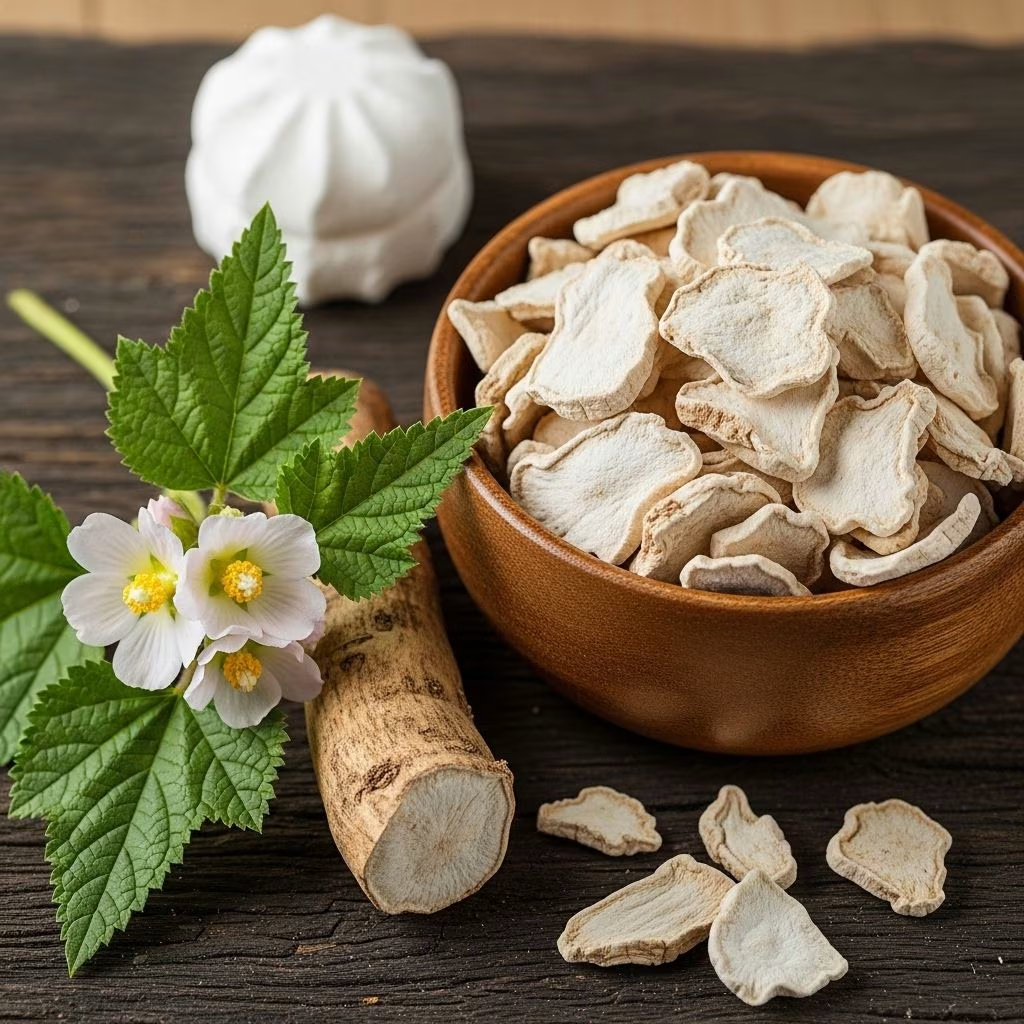
For centuries, marshmallow root—the fibrous underground portion of the Althaea officinalis plant—has been venerated for its remarkable healing and soothing properties. From the bustling streets of ancient Greece to the herbal apothecaries of Europe and Asia, this humble root has played a pivotal role in natural medicine. Today, scientists and herbalists continue to investigate its efficacy and applications in modern wellness routines, making marshmallow root a hot topic among those seeking natural solutions for health and vitality.
What Is Marshmallow Root?
Marshmallow root comes from the marshmallow plant (Althaea officinalis), a perennial herb native to Europe, Western Asia, and Northern Africa. The plant thrives in marshy, damp environments and is characterized by its pale pink or white blossoms and thick, mucilaginous roots. While today’s sugary campfire treats have little in common with this ancient plant, Althaea officinalis was actually the original inspiration for the modern marshmallow sweet.
Historical Background
The use of marshmallow root dates back thousands of years. Ancient Egyptians reportedly combined the sap from the plant with nuts and honey to create the earliest versions of marshmallow confections. In Greek and Roman times, marshmallow root was cherished for its soothing and anti-inflammatory effects, widely prescribed for ailments like sore throats, digestive issues, and wounds.
- The Greeks named it “althea,” meaning “to heal.”
- Arab physicians in medieval times recommended marshmallow root for inflammation and as a demulcent (a substance that relieves irritation).
- In traditional European folk medicine, it was applied topically and taken as tea for a range of ailments.
Key Compounds and Properties
Marshmallow root’s medicinal benefits are primarily attributed to its high content of mucilage—a gelatinous, plant-derived substance that forms a soothing, protective layer on mucous membranes. In addition, marshmallow root contains:
- Flavonoid antioxidants (quercetin, kaempferol): Combat oxidative stress and reduce inflammation.
- Polysaccharides (including pectin): Act as prebiotic fiber and support gut health.
- Amino acids (asparagine): Aid tissue repair.
- Phenolic acids and tannins: Possess antimicrobial and anti-inflammatory actions.
Together, these components give marshmallow root its signature soothing, emollient (moisturizing), and anti-inflammatory properties.
Health Benefits of Marshmallow Root
Modern studies and centuries of anecdotal use offer a compelling case for the broad therapeutic benefits of marshmallow root. Below are its most well-established and promising advantages:
1. Relieves Coughs, Sore Throat, and Upper Respiratory Infections
- The mucilage coats the throat and soothes irritation, reducing pain and promoting faster healing.
- Research suggests it may suppress dry coughing, decrease throat inflammation, and reduce lymph node swelling.
- Often included as an ingredient in cough syrups and throat lozenges.
2. Eases Skin Irritation, Wounds, and Burns
- Has been shown to reduce inflammation and redness associated with eczema, dermatitis, and insect bites when used in ointments.
- Accelerates wound healing and reduces infection risk due to its antibacterial properties.
- Traditionally applied as a poultice for burns, abrasions, or irritated skin.
3. Promotes Digestive Health and Gut Repair
- Protects the lining of the stomach and intestines, potentially preventing or healing gastric ulcers.
- Eases symptoms of inflammatory bowel disease (IBD), leaky gut syndrome, and constipation.
- The mucilage acts as a gentle, natural fiber that facilitates regular bowel movements and soothes inflamed digestive tissue.
4. Soothes Urinary Tract Discomfort
- Used in traditional medicine as a remedy for bladder infections and urinary tract irritation.
- May help create a protective coating along the urinary tract, reducing pain and inflammation.
5. Reduces Pain and Inflammation
- Contains anti-inflammatory compounds that may help relieve muscle aches, joint discomfort, and headaches.
- Soothes internal and external tissues via its mucilaginous content.
6. Enhances Heart and Metabolic Health
- Early research indicates antioxidant compounds in marshmallow root may protect heart tissue and lower inflammation.
7. Supports Hair and Scalp Health
- Topical formulas containing marshmallow root are increasingly popular as natural conditioners, improving hair hydration and manageability.
- Its rich blend of vitamins and minerals nourishes the scalp, potentially reducing dryness, irritation, and frizz.
| Benefit | How It Works | Typical Use |
|---|---|---|
| Soothes coughs and sore throat | Forms protective layer, reduces irritation | Tea, lozenges, syrup |
| Promotes skin healing | Anti-inflammatory and antibacterial on contact | Ointment, poultice, cream |
| Supports digestive wellness | Coats mucosa, soothes inflammation, aids ulcers | Tea, tincture, capsule |
| Alleviates urinary tract discomfort | Protective mucilaginous layer | Tea, tincture, capsule |
| Hair/scalp care | Hydrates hair, soothes scalp | Topical conditioner, rinse |
Traditional and Modern Uses
Marshmallow root’s applications are diverse:
- Tea and infusions: Eases sore throats, coughs, and stomach upset.
- Syrups and lozenges: Calm irritation in the respiratory tract.
- Ointments and poultices: Used to treat wounds, eczema, burns, and irritated skin.
- Capsules and tinctures: Convenient for systemic issues, such as indigestion or urinary distress.
- Cosmetic and haircare products: Employed for their moisturizing properties.
Marshmallow root is now sold in multiple forms: powdered root, dried root, capsules, teas, tinctures, ointments, and syrups.
It is commonly combined with other botanicals (like slippery elm, licorice, or echinacea) to enhance its effects.
Preparation and Dosage
Because potency and concentration can vary, always check manufacturer guidelines or consult a healthcare professional for specific dosing recommendations.
Common Preparation Methods
- Tea (Infusion): Steep 1–2 teaspoons dried marshmallow root in hot water for 10–15 minutes.
- Cold infusion: For maximum mucilage content, soak the dried root in cold water for several hours; strain and drink.
- Syrup: Commercial or homemade syrup can be taken as directed on the label or by recipe instructions.
- Capsules/tablets: Follow dosage instructions on the supplement label.
- Topical ointment: Apply to clean skin as needed.
Sample Dosages
- Tea: 1–3 cups per day.
- Capsules: 300–600 mg, up to three times daily, depending on product instructions.
- Syrup or lozenge: Take as directed.
Note: Individual needs and product strengths will vary. Consult a healthcare provider for tailored guidance, especially for children, pregnant women, or those on medication.
What Does Marshmallow Root Taste Like?
Marshmallow root has a very mild, earthy, and slightly sweet flavor with a somewhat mucilaginous (gel-like) texture. It does not taste like the sugary confection known as a marshmallow treat. Instead, its subtle taste makes it a popular addition to herbal teas, where it blends easily with other flavors and imparts a gentle, soothing mouthfeel.
- Described as reminiscent of slippery elm or mild licorice.
- Cold infusions feel slippery or gelatinous on the palate—an indication of the mucilage content.
- Its neutrality means it rarely overpowers other herbs when blended in tea or syrup.
Safety, Side Effects, and Precautions
Marshmallow root is generally regarded as safe for most adults when consumed in reasonable amounts, but it is essential to consider the following:
- Allergic reactions are rare but possible. Discontinue use if signs of allergy (rash, itching, swelling) occur.
- It may interfere with the absorption of oral medications due to its mucilage content. Take supplements or medications one to two hours apart.
- Pregnant and breastfeeding women should consult a healthcare provider before use.
- There is limited data on long-term safety; use only as needed and avoid chronic use without supervision.
- Monitor for digestive upset, low blood sugar, or other new symptoms when starting marshmallow root products. Consult a healthcare professional before use, particularly if you have pre-existing health conditions or are taking prescription medications.
Frequently Asked Questions (FAQs)
Q: Can marshmallow root help with stomach ulcers?
A: Preliminary studies suggest marshmallow root’s mucilage content can coat and soothe the lining of the stomach, potentially supporting healing and protecting against ulcers. Further human research is required.
Q: Is marshmallow root safe for children?
A: Marshmallow root has a long tradition of safe use in children for coughs and throat irritation. However, always consult a healthcare provider for age-appropriate dosing and safety guidance.
Q: Can I use marshmallow root if I’m pregnant or breastfeeding?
A: Pregnant and breastfeeding women should avoid marshmallow root unless specifically recommended by a healthcare practitioner, as safety data is limited.
Q: Does marshmallow root interact with medications?
A: Yes, its mucilage may slow absorption of oral drugs. Separate marshmallow root and medication intake by at least an hour, and consult your physician.
Q: Is marshmallow root gluten-free and vegan?
A: Yes, pure marshmallow root is naturally gluten-free and vegan. Always verify product labels for additives or processing agents.
Conclusion
Marshmallow root stands out as an esteemed herbal ally, lauded for its soothing, demulcent, and anti-inflammatory qualities. Whether you’re seeking relief from a persistent cough, skin irritation, digestive trouble, or simply want to explore the world of traditional herbal medicine, this gentle yet powerful root has much to offer. As with all botanical remedies, use with care, consult professionals as needed, and enjoy discovering the versatile benefits and subtle taste of this ancient healing root.
References
- https://draxe.com/nutrition/marshmallow-root/
- https://www.healthline.com/health/food-nutrition/marshmallow-root
- https://www.medicalnewstoday.com/articles/324860
- https://pmc.ncbi.nlm.nih.gov/articles/PMC7090173/
- https://www.webmd.com/vitamins/ai/ingredientmono-774/marshmallow
- https://www.traditionalmedicinals.com/blogs/herb-library/marshmallow
- https://fullscript.com/blog/marshmallow-root-benefits
- https://mountainroseherbs.com/marshmallow-root


