


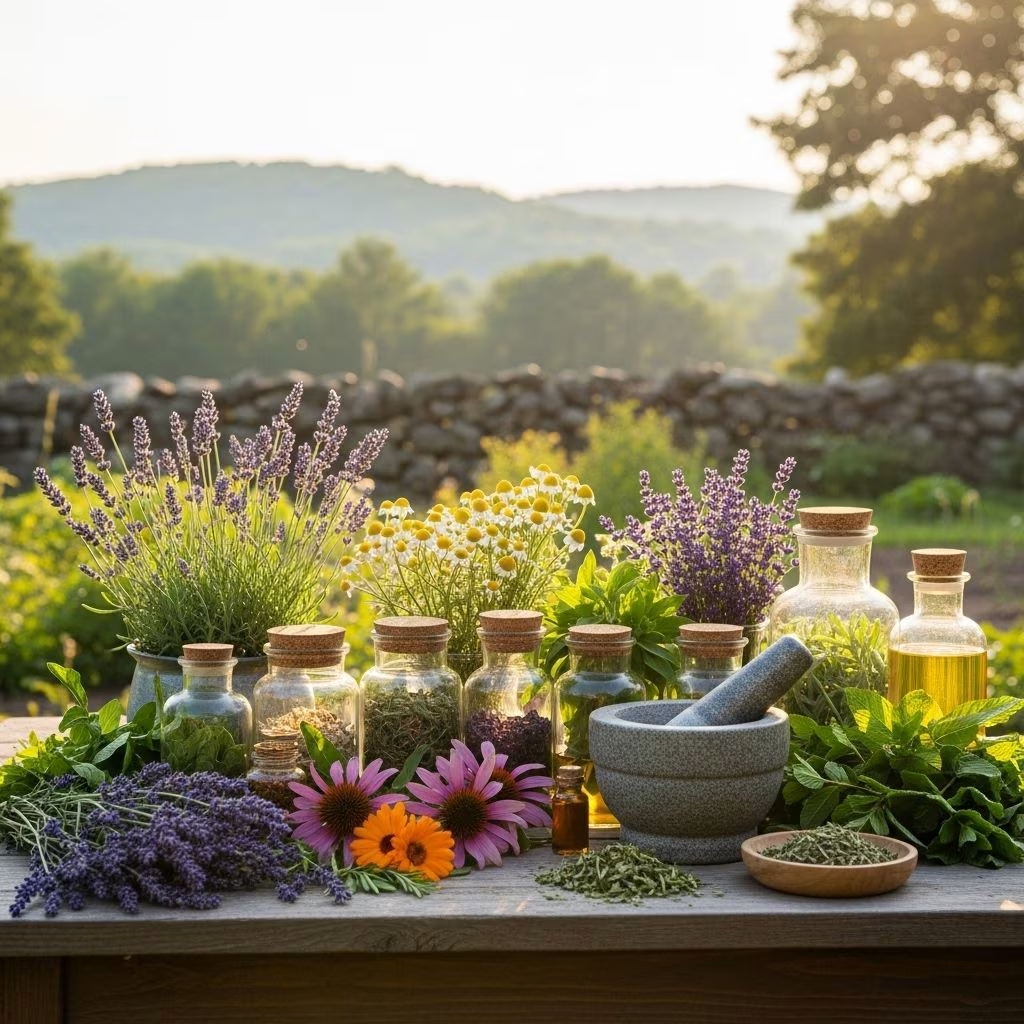
Massachusetts has a storied relationship with medicinal gardens and natural remedies, blending indigenous knowledge, colonial practices, and modern innovation. This article provides a thorough exploration of Massachusetts’ garden remedies, tracing their evolution from early settlers and Native American influences through to present-day applications in medicine, wellness, and sustainable living. Dive into the common plants, historical practices, evidence-based benefits, and contemporary trends in the world of garden-derived remedies across the state.
Roots of Medicinal Gardening in Massachusetts
The foundation of botanical remedies in Massachusetts stretches back to the earliest days of European settlement. When the Pilgrims landed at Plymouth in 1620, they brought with them not just seeds and plants, but also treatises such as Rembert Dodoens’ herbal reference, which heavily influenced their approach to plant-based medicine. Early colonial gardens were designed after English models, featuring key Old World herbs and incorporating those shared by Native Americans.
- Botanical texts guided early medical practice alongside folk remedies.
- Doctrine of Signatures: Flowers and herbs were attributed healing properties based on appearance (e.g., walnuts for brain ailments).
- The integration of Old World herbs with New World discoveries became the hallmark of colonial medicinal gardens.
Colonial to Modern Domestic Remedies
Colonists relied on a fusion of imported botanical knowledge and hands-on local experience. Women played pivotal roles as home herbalists, tending “kitchen gardens” filled with common medicinal plants such as:
- Burnet (Sanguisorba minor) – used for wounds and digestive support
- Ground ivy (Nepeta glechoma) – a remedy for colds and congestion
- Feverfew (Tanacetum parthenium) – renowned for easing fevers and headaches
Many of these remedies were passed across generations through oral tradition and handwritten ‘receipts’ (recipes) rather than formal medical texts. Applications ranged from simple teas and poultices to homemade tinctures and salves designed to address everything from minor cuts to major illnesses.
Native American Influence and Plants
Native American communities possessed deep botanical knowledge honed over millennia, and early settlers learned essential herbal remedies from their indigenous neighbors. For example:
- Witch hazel (Hamamelis virginiana): Used by Algonquian tribes for soothing inflammation and wounds.
- Yarrow (Achillea millefolium): Utilized as a wound healer and fever reducer.
- Goldenseal (Hydrastis canadensis): Valued for its antimicrobial properties.
These and other native plants remain cornerstones in both traditional and contemporary Massachusetts gardens.
Common Massachusetts Medicinal Plants
Massachusetts’ varied climate supports a broad range of perennial, biennial, and annual medicinal herbs. Here is a list of some enduring favorites and their traditional uses:
- Echinacea – Immune booster; commonly used for colds and infections.
- Lemon balm – Calms anxiety and aids digestion.
- Valerian – Promotes restful sleep and relieves muscle pain.
- Sage – Antiseptic properties and throat-soothing benefits.
- Mullein – Soothes respiratory issues and coughs.
- Calendula – Assists skin healing and reduces inflammation.
- Peppermint – Eases headaches and digestive discomfort.
Many of these species are featured in educational medicinal gardens throughout Massachusetts, such as those run by pharmacy schools and universities.
Folk Almanacs and Home Remedies
Throughout the 18th and 19th centuries, folk remedies were disseminated through widely read farmers’ almanacs. These annual publications provided calendars, planting guides, and a trove of remedies for everyday ills. They demonstrate the persistence and diversity of home medicine, including techniques such as:
- Poultices made from potato or onion for burns and wounds
- Tinctures and teas using rhubarb and cinnamon for digestive complaints
- Butter, oils, and turpentine applied for various skin ailments
- Use of bleeding and vomiting in serious conditions—now recognized as harmful, but common in historical practice
Though many remedies in almanacs would later be found ineffective or even dangerous, some—like the use of potato peels on minor burns—have been supported by modern research.
Garden to Modern Pharmacy
The tradition of growing and employing medicinal plants continues robustly in Massachusetts, bridging the past and present through projects such as Native Medicinal Gardens hosted by local universities. These gardens serve multiple purposes:
- Education: Hands-on learning about plant identification, cultivation, and preparation.
- Research: Study of plant pharmacology and efficacy for modern health applications.
- Community engagement: Showcasing the heritage and ongoing relevance of botanical medicine.
The field of pharmacognosy—the study of medicines derived from natural sources—remains vibrant due to renewed interest in plant-based wellness and sustainability.
Cannabis and Contemporary Remedies
The use of cannabis as a medicinal garden plant reflects both an ancient tradition and a modern resurgence in Massachusetts. Since the legalization of medical (and, later, recreational) cannabis, businesses have sprung up dedicated to cultivating high-quality plants for health and wellness purposes.
Today’s regulated cannabis remedies can be tailored for relief from pain, anxiety, insomnia, nausea, and more. The professionalization of cannabis cultivation in Massachusetts has generated economic growth while deepening the state’s relationship with natural remedies.
Growing a Medicinal Garden in Massachusetts
Creating a medicinal herb garden at home is both practical and rewarding. Here are key steps and tips for Massachusetts residents:
- Site selection: Most medicinal herbs require six or more hours of sun and well-drained soil.
- Plan for perennials: Species such as echinacea, yarrow, and mint return each year, minimizing upkeep.
- Companion planting: Combining herbs with different properties enhances biodiversity and reduces pests.
- Harvesting and preparation: Plants are typically harvested at their peak, then dried or macerated for teas, oils, and tinctures.
Always verify the safety and identification of any plant before use, and consult a professional for medical advice when trying new remedies.
Table of Notable Medicinal Garden Plants
| Plant | Traditional Use | Parts Used | Native to Massachusetts? |
|---|---|---|---|
| Witch Hazel (Hamamelis virginiana) | Inflammation, cuts, bruises | Bark, leaves | Yes |
| Yarrow (Achillea millefolium) | Wounds, fevers, digestive aid | Flowers, leaves | Yes |
| Echinacea (Echinacea purpurea) | Immune stimulant | Root, flowers | No (Native to central/eastern USA) |
| Sage (Salvia officinalis) | Sore throats, antiseptic | Leaves | No (Cultivated) |
| Goldenseal (Hydrastis canadensis) | Antimicrobial | Root | Yes |
| Lemon Balm (Melissa officinalis) | Calming nerves, digestive issues | Leaves | No (Cultivated) |
| Cannabis (Cannabis sativa) | Pain, nausea, sleep, anxiety | Leaves, flowers | No (Introduced but widely cultivated) |
Frequently Asked Questions (FAQs)
Are there risks involved with using traditional garden remedies?
Some plant remedies are safe and effective, but others can cause allergic reactions or toxic effects if misidentified or misused. Always consult a healthcare provider before starting herbal remedies, especially if you are pregnant, breastfeeding, or taking medication.
Can I grow medicinal plants in an urban Massachusetts garden?
Yes. Many popular medicinal herbs, such as mint, lemon balm, and echinacea, thrive in containers or small raised beds, making them suitable for urban balconies, patios, or community gardens.
How did Native Americans influence medicinal plant use in Massachusetts?
Early settlers depended extensively on indigenous knowledge for survival. Native Americans shared both plant species and techniques for preparation, leaving a profound mark on Massachusetts’ botanical remedy traditions.
Is cannabis legal for medicinal gardening in Massachusetts?
Medical cannabis is legal to grow for registered patients in Massachusetts. There are specific regulations and plant number limits; check the most recent state guidelines before planting.
Where can I learn more about medicinal gardening in Massachusetts?
Visit local botanical gardens, pharmacy school gardens, or join regional herbal associations for educational programs, workshops, and resource sharing on cultivation and plant-based remedies.
References
- https://www.colonialsociety.org/node/1215
- https://wne.edu/pharmacy-and-health-sciences/about/native-medicinal-garden/index.cfm
- https://nursingclio.org/2020/06/30/farmers-almanacs-and-folk-remedies-the-role-of-almanacs-in-nineteenth-century-popular-medicine/
- https://www.gardenremedies.com/about/
- https://garden.mms.org/the-history
- https://repository.lsu.edu/context/gradschool_disstheses/article/9293/viewcontent/5634456_OCR.pdf
- https://www.gardenremedies.com/blog/cannabis-social-equity/
- https://www.nps.gov/articles/000/victory-gardens-on-the-world-war-ii-home-front.htm


