


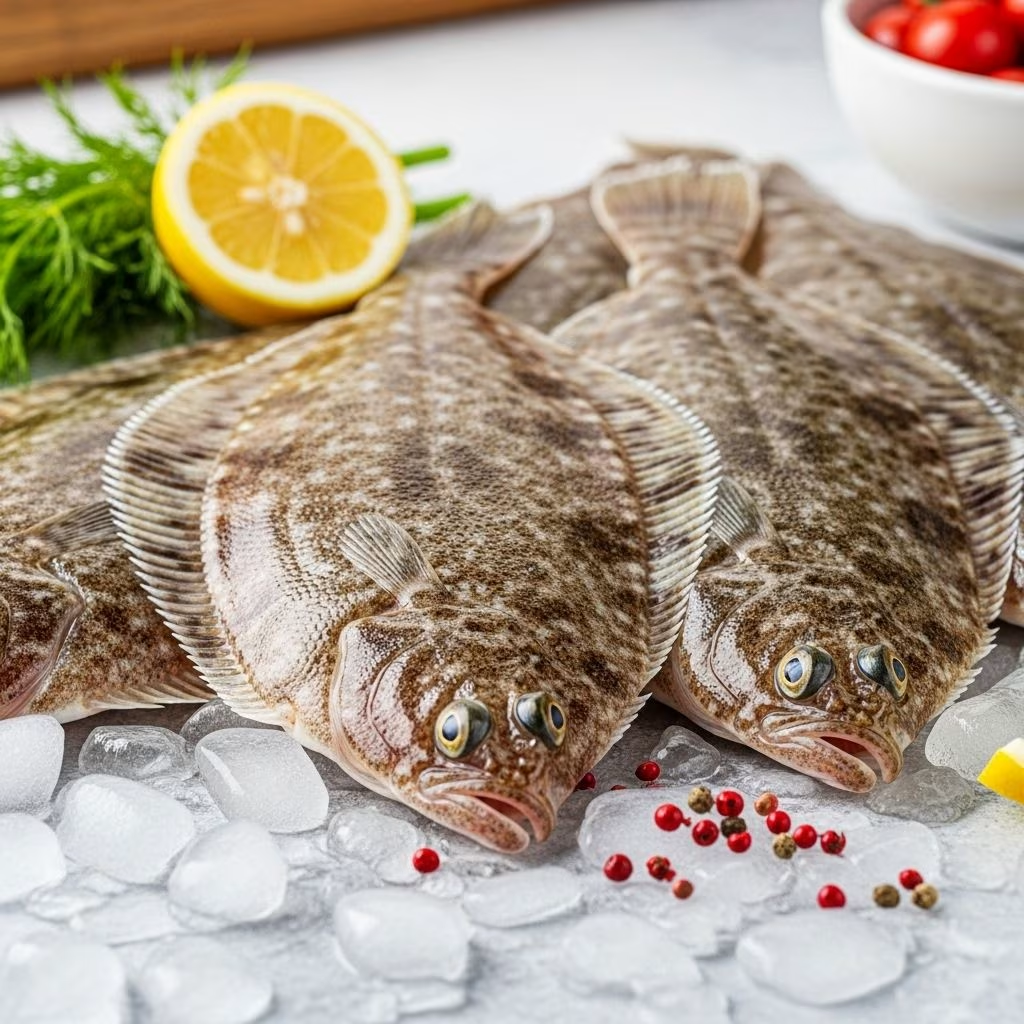
Megrim (Lepidorhombus whiffiagonis), also known as Cornish sole, megrim sole, or whiff, is an oft-overlooked flatfish native to European waters and the Northeast Atlantic. While it has a long, intriguing history and plays a crucial role in marine ecosystems, this unassuming fish is now drawing the attention of chefs and sustainability advocates alike due to its unique flavor, nutritional benefits, and ecological value.
Introduction: The Megrim Overview
Megrim is a left-eyed flatfish—meaning both eyes are on the same (left) side of its body—and belongs to the family Scophthalmidae. It inhabits the sandy and muddy sea floors of the northeast Atlantic Ocean and Mediterranean Sea, typically at depths of 100-700 meters. Despite being lesser known compared to Dover or lemon sole, megrim has long been caught commercially, especially by fisheries in Spain and France.
Its understated reputation is now being challenged by campaigns promoting sustainably sourced, affordable seafood—a timely development as traditional whitefish stocks are under pressure.
Biology and Ecology
Physical Description
- Size: Megrim can reach up to 60 cm (24 inches) in length.
- Appearance: It has a more elongated body and a slightly larger head compared to other flatfish. Its coloration is usually light brown with scattered dark spots and greyish fins.
- Distinct Traits: Like all flatfish, megrim undergoes a fascinating larval transformation—one eye migrates to the opposite side as the juvenile sinks to live on the seafloor, resulting in its distinctive asymmetrical shape.
Habitat and Life Cycle
- Megrim prefers muddy or sandy seabeds, steering clear of weedy or rugged terrain.
- This species is widely distributed, found from the waters off Iceland and the British Isles to the coasts of northern Africa and the Mediterranean.
- Megrim spawns mainly between January and April in deep waters, particularly off Iceland and western Ireland, while a separate population breeds in the Mediterranean.
- It is slow growing and relatively long-lived. Females grow larger and mature later than males, with sexual maturity around 22 cm length.
Role in the Food Web
- Megrim adults are predators, feeding on small fish, squid, cephalopods, crustaceans, and dislodged shellfish.
- They are also prey for larger predators such as sharks, large cod, and seals.
Historical and Cultural Significance
Megrim’s reputation has fluctuated over time. Historically, it was not widely consumed in the British Isles or Ireland—possibly due to its appearance or its less attractive name. In Cornwall, it was known as “whiff,” a label appearing in scientific literature as early as the 17th century.
On French fishing vessels, it was sometimes called “salope”—meaning “nasty”—reflecting its tendency to spoil quickly if not consumed fresh. For centuries, it was considered less desirable than the prized Dover sole and lemon sole, which resulted in much of the British catch being exported, mainly to Spain and France.
Today, efforts are under way to boost its popularity—renaming it as Cornish sole to appeal to local consumers and promote sustainable eating habits.
Nutritional Benefits of Megrim
Megrim offers numerous nutritional advantages, making it a healthy option within a balanced diet:
- Lean Protein: Like other white fish, megrim is a rich source of high-quality, low-fat protein essential for muscle maintenance and repair.
- Low in Fat: It contains very little saturated fat, supporting cardiovascular health.
- Essential Vitamins & Minerals: Megrim provides B vitamins (notably B12 and niacin), selenium, phosphorus, and iodine—important for energy production, thyroid function, and immune health.
- Omega-3 Fatty Acids: Though not as abundant as in oily fish, megrim still contains beneficial omega-3s, supporting brain and heart health.
- Low Calorie: Suitable for those managing weight, megrim offers a filling meal with fewer calories than fattier fish.
Including megrim in the diet can diversify nutrient intake while supporting sustainable seafood choices.
Environmental and Sustainability Aspects
With growing attention to seafood sustainability, megrim stands out as a responsible alternative to overfished species like cod and haddock:
- Managed Fisheries: The majority of megrim in European waters comes from regulated fisheries, particularly in the northeast Atlantic.
- Lower Pressure Stock: Megrim stocks, especially in the UK and Irish waters, are generally under less fishing pressure than other popular whitefish.
- Commercial Value: Although much of the catch has historically been exported, rising promotion of megrim locally seeks to reduce food miles and support regional fisheries.
- Habitat Impact: Most megrim are caught by bottom trawling—a method with some ecological concerns. However, increasing adoption of sustainable fishing certifications and selective gear reduces bycatch and environmental damage.
Culinary Uses & Preparation Methods
Megrim’s culinary potential is only now being widely rediscovered. Its flesh is mild, delicate, and versatile, ideal for a wide range of preparations:
- Whole or Fillet: Megrim can be cooked whole (especially when grilled or roasted) or as fillets, which are thin and cook quickly.
- Methods:
- Grilling – the high heat brings out its subtle sweetness.
- Pan-Frying – fillets crisp easily due to the thin flesh.
- Baking – when stuffed with herbs or vegetables, it absorbs flavor beautifully.
- Poaching – a gentle method that preserves its delicate texture.
- In Stews – megrim is traditional in French bouillabaisse and other Mediterranean fish stews.
Chefs increasingly advocate for megrim because it is locally available in Europe, affordable, and an excellent substitute for more expensive sole or plaice in classic recipes.
Flavor and Taste Profile
Megrim’s flavor is delicate, light, and slightly sweet, reminiscent of other sole species but with its own subtle nuances:
- Texture: The flesh is thin, tender, and flakey.
- Flavor: Mild, with a gentle marine sweetness. It is less rich and buttery than Dover sole and less pronounced in flavor compared to lemon sole or plaice.
- Versatility: Its understated taste makes it highly adaptable—pairing well with herbs such as parsley, tarragon, and dill, as well as citrus and robust, Mediterranean-style sauces.
Because megrim is best consumed very fresh, it is important to buy from reputable fishmongers and use quickly after purchase.
Megrim vs. Other Flatfish: A Comparison
| Species | Size | Texture & Flavor | Availability | Price | Sustainability |
|---|---|---|---|---|---|
| Megrim | Up to 60 cm | Thin, delicate, mild, slightly sweet | Increasing, mainly Europe | More affordable | Generally sustainable |
| Dover Sole | Up to 70 cm | Firm, rich, buttery, slightly sweet | Wide, premium markets | Expensive | Often overfished |
| Lemon Sole | Up to 40 cm | Delicate, mild, lightly sweet | Common | Higher than megrim | Variable |
| Plaice | Up to 50 cm | Mild, soft, slightly earthy | Very common | Moderate | Moderate |
Buying, Storing, and Handling Megrim
- Seek out megrim or “Cornish sole” from reliable fishmongers or sustainable fish counters.
- The flesh should be firm, with a fresh sea smell (avoid any fishy, ammonia-like odor).
- Because megrim spoils quickly, store on ice and consume within 1–2 days of purchase.
- To freeze, fillet and wrap tightly to retain moisture and flavor. Best flavor within several weeks of freezing.
Preparation is simple—remove the head and fins, fillet if desired, and cook using your preferred method.
Frequently Asked Questions (FAQs)
Q: What is megrim and where can it be found?
A: Megrim (Lepidorhombus whiffiagonis) is a species of flatfish found in the northeast Atlantic and Mediterranean, popular in Europe and particularly valued in Spain and France.
Q: How does megrim taste compared to Dover or lemon sole?
A: Megrim has a mild, delicate flavor and flakey texture. It is less rich than Dover sole and milder than lemon sole, making it versatile for many recipes.
Q: Is megrim fish healthy?
A: Yes, megrim is low in fat, high in protein, and contains valuable vitamins and minerals, making it a healthy addition to a balanced diet.
Q: Is megrim a sustainable choice?
A: Generally, yes—megrim stocks are less heavily exploited than other flatfish, and many fisheries are well managed. Choosing megrim supports sustainable seafood consumption.
Q: Why was megrim not popular in the UK and Ireland?
A: Its unattractive appearance and unappealing name contributed to low popularity, but it is now being rebranded as “Cornish sole” to attract new consumers.
Q: How should megrim be cooked?
A: Megrim can be grilled, pan-fried, baked, or poached. It is well suited for Mediterranean stews or simply cooked with herbs and lemon.
Conclusion
Megrim’s journey from a little-known bycatch to a promising sustainable delicacy is a testament to seafood’s evolving role on our plates. With its subtle flavor, health benefits, and positive environmental credentials, megrim deserves a place in modern kitchens. Next time you’re at the fish counter, look for megrim or Cornish sole and discover for yourself what makes this flatfish a quiet star of the sea.
References
- https://www.tcd.ie/tceh/projects/foodsmartdublin/recipes/June_Megrim/HistoryEcology_megrim.php
- https://en.wikipedia.org/wiki/Megrim
- https://www.ahdictionary.com/word/search.html?q=megrim
- https://dsl.ac.uk/entry/snd/megrim
- https://www.dictionary.com/browse/megrim
- https://en.wiktionary.org/wiki/megrim
- https://www.merriam-webster.com/dictionary/megrim


