


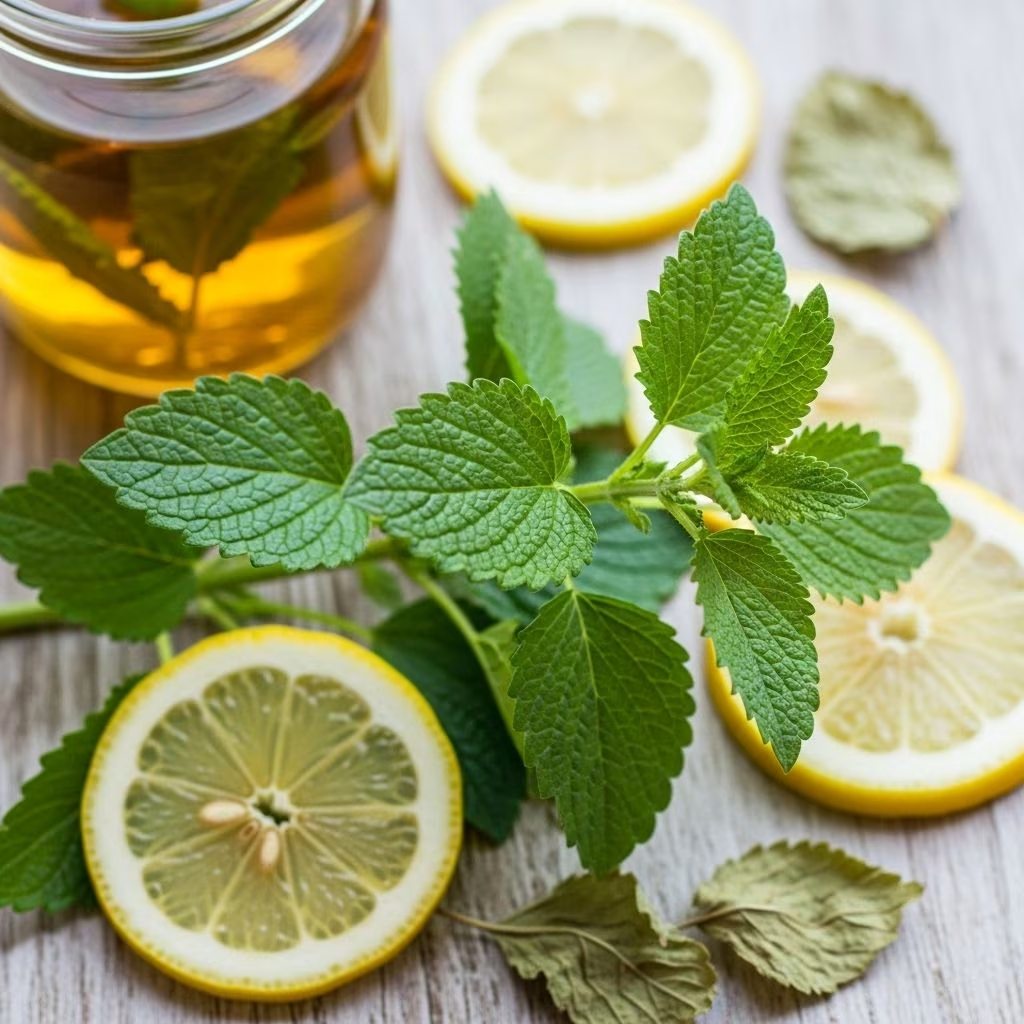
Melissa officinalis, commonly known as lemon balm, is a versatile perennial herb valued for its gentle citrus fragrance, distinctive flavor, and diverse medicinal benefits. This article delves into the botanical description, chemical composition, health benefits, culinary and traditional uses, and unique taste profile of Melissa, offering a research-based guide for both gardeners and enthusiasts.
What is Melissa (Lemon Balm)?
Lemon balm (Melissa officinalis) is a bushy herbaceous perennial native to southern Europe and northern Africa, now found in temperate regions worldwide. It belongs to the mint family Lamiaceae. Its heart-shaped, lightly toothed leaves emit a mild lemon scent when touched, making it a popular herb in gardens and kitchens.
Awards such as “Herb of the Year” highlight its significance in horticulture and herbal medicine.
Botanical Description and Features
Lemon balm grows upright in lush bushy clumps, typically reaching heights of 60–100 cm (2–3 feet). Its leaves are:
- Oval to heart-shaped with scalloped or toothed edges
- Soft, hairy texture with a slightly crinkled surface
- Bright green coloration, sometimes with variegated or yellow forms like ‘All Gold’ and ‘Aurea’
The plant features branching stems with pairs of leaves at each joint. In summer, small, inconspicuous white or pale pink flowers appear, attracting bees and adding ornamental value to gardens.
Varieties and Cultivars
- ‘All Gold’ – Yellow leaves, best color in partial shade
- ‘Variegata’ – Dark green leaves with golden yellow margins
- ‘Lime’ – Lime-scented leaves
Lemon balm often spreads by seed and underground rhizomes, so gardeners should monitor its growth to prevent it from becoming invasive.
Chemical Composition of Melissa
Lemon balm’s distinctive qualities are due to its rich profile of essential oils, terpenes, and other active compounds. The main components include:
| Component | Minimum % | Maximum % |
|---|---|---|
| Neral | 19.6 | 36.1 |
| Geranial | 25.3 | 47.5 |
| Methyl Heptenone | 2.2 | 8.6 |
| Citronellal | 1.0 | 8.4 |
| Linalool | 0.5 | 2.7 |
| Geranyl acetate | 1.2 | 6.2 |
| Carophyllene | 1.9 | 9.7 |
| Carophyllene oxide | 0.5 | 9.0 |
Other notable compounds include eugenol (antiseptic), tannins (astringent), and flavonoids. These contribute to its pleasant aroma, flavor, and therapeutic properties.
Health Benefits of Lemon Balm
Lemon balm has been celebrated for centuries in herbal medicine. Modern science supports several traditional uses, though further study is ongoing. Key health benefits include:
- Calming & Stress Relief: Used as a mild sedative and anxiolytic, lemon balm helps reduce stress, anxiety, and insomnia.
Studies suggest it increases calmness through the modulation of neurotransmitters and has a mild sedative effect. - Digestive Support: Promotes relaxation of the digestive tract, relieves bloating and indigestion, and reduces nausea.
- Antiviral & Antibacterial Properties: Contains compounds that may inhibit viruses (such as herpes simplex virus) and bacteria, supporting immune function.
- Cognitive Function: Early research suggests potential memory enhancement and focus benefits, especially in older adults with mild cognitive impairment.
- Antioxidant Effects: The phenolic compounds help combat oxidative stress, supporting overall health.
- Menstrual & Pain Relief: Used to ease menstrual cramps, headaches, and minor aches due to its relaxing and mild analgesic properties.
Summary Table: Health Benefits
| Benefit | Evidence/Use |
|---|---|
| Stress relief | Traditional, clinical trials |
| Gut comfort | Traditional use, limited research |
| Antiviral effects | Laboratory evidence |
| Mental clarity | Preliminary studies |
| Antioxidants | Demonstrated in extracts |
Traditional and Modern Uses
Historical Uses
- Herbal Teas: Used as a relaxing infusion across Europe and the Middle East for centuries
- Medicinal Elixirs: Incorporated into tonics, tinctures, and herbal remedies for anxiety, sleep, and digestive discomfort
- Aromatherapy: Employed for calming effects and mood enhancement
Modern Uses
- Culinary Applications:
- Teas & Infusions: Fresh or dried leaves steeped for a gentle lemony tea
- Salads: Chopped leaves add brightness to green or fruit salads
- Desserts: Used in cakes, sorbets, jams, and syrups
- Garnish: Sprigs used to flavor drinks (lemonade, cocktails), sauces, and fish dishes
- Medicinal Preparations:
- Tinctures, extracts, capsules for stress relief, sleep support, or digestive comfort
- Topical creams for viral relief, especially cold sores
- Cosmetic and Aromatic Uses:
- Essential oil in perfumes, lotions, and natural skincare
- Bedding or bath infusions for relaxation
- Bee Attractant:
- Planted near hives to draw pollinators due to its rich nectar
Taste and Sensory Profile
Lemon balm’s flavor is subtle yet distinctive. The leaves yield a refreshingly gentle lemon aroma and taste, with complex undertones:
- Aroma: Fresh, clean, and citrusy, reminiscent of lemon zest but softer
- Flavor: Mildly tart, slightly sweet, with herbal notes from the mint family
- Texture: Tender when fresh; pleasant in both raw and cooked form
The taste is suitable for pairing with fruits, vegetables, poultry, fish, and desserts, making it an adaptable ingredient in both savory and sweet recipes.
Cultivation and Gardening Tips
Lemon balm is favored in gardens for its easy maintenance and versatility:
- Location: Prefers full sun or partial shade; ideal for beds, borders, containers, and cottage gardens
- Soil: Thrives in well-drained soil; tolerant of various textures (chalk, clay, loam, sand)
- Spacing: 30–90 cm apart (12–36 inches); plant spreads by rhizomes and self-seeding
- Maintenance: Low; prune spent flower stalks and older leaves to encourage new growth
- Water Needs: Low to average, drought-tolerant once established
- Tolerance: Deer-resistant and attracts bees
- Season of Interest: Active growth and flowering in early to late summer
Potential Problems
- Diseases: Susceptible to powdery mildew, leaf spot, blight, and gray mold
- Invasiveness: Can spread quickly — use containers or controlled beds to manage growth
Precautions & Potential Side Effects
- Melissa is considered safe for most people when used moderately.
- Possible mild side effects: nausea, skin irritation (topical use), headache.
- Consult a healthcare provider before use if pregnant, breastfeeding, or on thyroid medication, as lemon balm may interact with thyroid function.
- Prolonged use or high doses warrant professional guidance.
Frequently Asked Questions (FAQs)
Q: Is lemon balm the same as beebalm?
No, lemon balm (Melissa officinalis) is unrelated to beebalm (Monarda species), though both are in the mint family. They differ in appearance, aroma, and uses.
Q: Can lemon balm be used for children?
Yes, mild teas are often given to children for calming effects and stomach upsets, but always consult a pediatrician, especially for extended use.
Q: What part of the plant is used?
The leaves are the primary source of flavor and medicinal compounds, used fresh or dried in various preparations.
Q: How do I store fresh lemon balm?
Fresh leaves can be refrigerated for a few days or frozen (whole or chopped) for longer preservation. Dried leaves should be kept in an airtight container, away from sunlight.
Q: Does lemon balm attract pollinators?
Yes, the flowers are rich in nectar and particularly attractive to bees, making the plant a valuable addition near vegetable or pollinator gardens.
Q: Can lemon balm be grown indoors?
Yes, it adapts well to pots or containers placed in sunny windows, though it may require more frequent watering.
Conclusion
Melissa (lemon balm) combines ornamental beauty, culinary versatility, and therapeutic benefits through its gentle lemon aroma and multifaceted uses. Whether enjoyed as a soothing tea, a fresh salad herb, or a calming aromatherapy ingredient, this perennial mint brings value to gardens and kitchens worldwide.
References
- https://en.wikipedia.org/wiki/Lemon_balm
- https://www.gardenia.net/plant/melissa-officinalis
- https://plants.ces.ncsu.edu/plants/melissa-officinalis/
- https://hort.extension.wisc.edu/articles/lemon-balm-melissa-officinalis/
- https://victoryseeds.com/products/lemon-balm
- https://academics.hamilton.edu/foodforthought/our_research_files/lemon_balm.pdf
- https://mountainvalleygrowers.com/organic-plants/melissa-officinalis-lemon-balm/
- https://sacredplantco.com/blogs/natures-pharmacy-exploring-the-historical-uses-and-health-benefits-of-medicinal-herbs/top-10-health-benefits-of-lemon-balm-a-calming-herb-for-mind-body-and-wellness


