


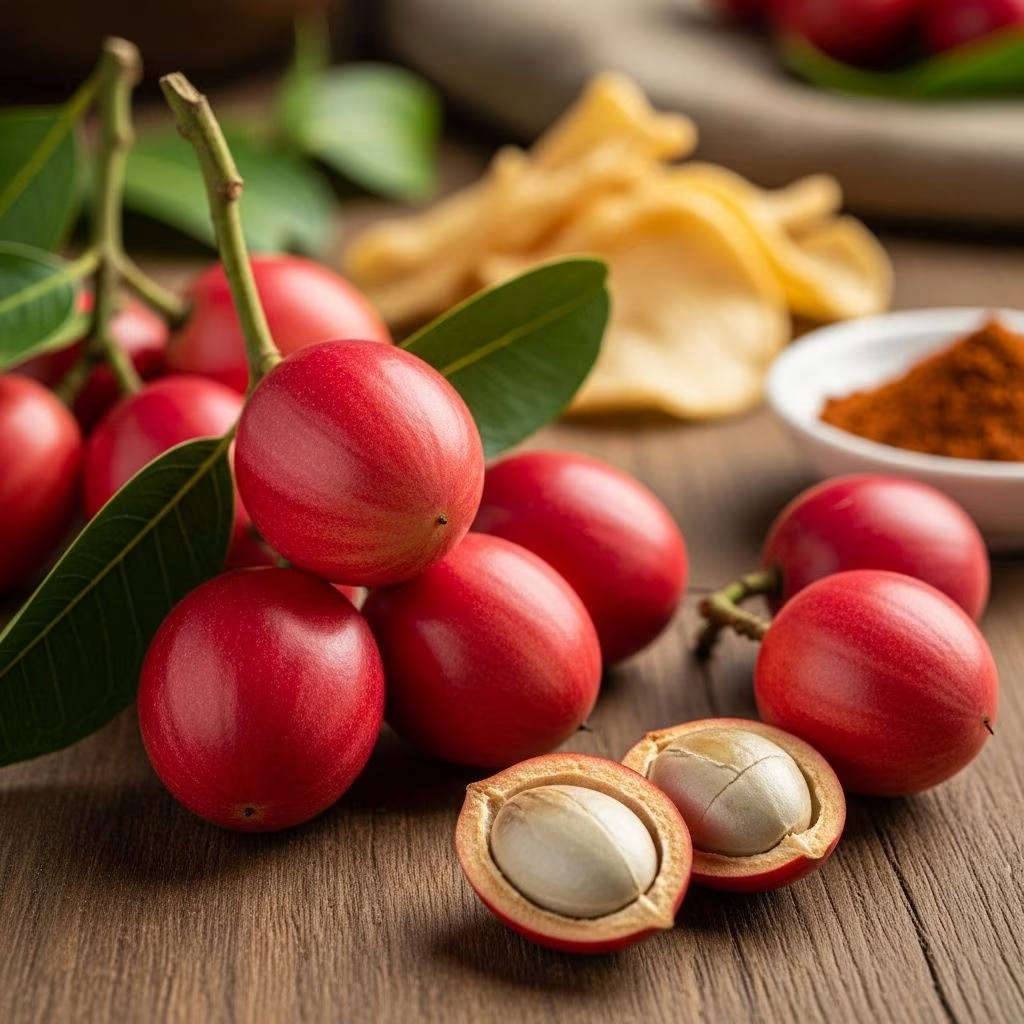
Melinjo is a remarkable plant native to Southeast Asia, treasured for its edible leaves, seeds, and fruit. Revered in traditional cuisines and folk medicine, melinjo—or Gnetum gnemon—offers a complex profile of nutrients, flavors, and eco-friendly uses. This comprehensive guide explores everything you need to know about the melinjo tree, from its botanical origins and health-boosting benefits to diverse culinary uses and signature taste.
Introduction
Melinjo, scientifically named Gnetum gnemon, is a tropical evergreen tree indigenous to regions spanning Indonesia, Malaysia, Thailand, the Philippines, Papua New Guinea, and several Pacific islands. Every component of the melinjo plant—from the leaves to seeds to the fruits—plays a pivotal role in Southeast Asian food culture and wellness practices. For centuries, the plant has been woven into the daily lives of communities, celebrated not only for its taste and adaptability but also for its potential health benefits and nutrient density.
Botanical Profile and Origins
Melinjo belongs to the Gnetaceae family, standing apart as a dioecious gymnosperm—meaning male and female reproductive organs are found on separate plants. The tree typically reaches a height of 15–22 meters, with a dense, conical trunk and simple, broad leaves that mature from a bronze hue to glossy green. Its small, fleshy fruits, known locally under various names such as belinjo or bago, are elliptic and ripen from yellow to red depending on maturity. Native to rainforests, melinjo is now cultivated in backyard gardens and farms throughout tropical Asia due to its significant cultural and nutritional value.
| Attribute | Description |
|---|---|
| Scientific Name | Gnetum gnemon |
| Common Names | Melinjo, Belinjo, Bago, Gnemon, Peesae |
| Family | Gnetaceae |
| Native Region | Southeast Asia, Oceania |
| Tree Height | Up to 22 meters |
| Harvest Seasons | May–July, October–December (twice a year) |
Edible Parts and Availability
Virtually all aboveground parts of the melinjo plant are edible or useful:
- Leaves: Broad, flat, and oblong, with a distinctive glossy sheen when mature. Available year-round and used in stews, curries, and stir-fries.
- Seeds: Enclosed within the fleshy fruit and renowned for their culinary versatility, especially in making crackers (emping).
- Fruit (Strobilus): Small, elliptical, fleshy, and consumed raw, cooked, or roasted.
- Male Flowers (Strobili): Occasionally used as garnish or traditional remedies.
Availability
Melinjo is a staple in Asian street markets but remains relatively rare and lesser-known outside its native regions. Thanks to its perennial growth and two distinct harvest seasons, melinjo can be found fresh throughout the year in suitable climates.
Nutritional Value and Key Components
Melinjo parts are dense in nutrients, making them a valuable addition to plant-based diets. Notably, the seeds and leaves are significant sources of:
- Carbohydrates (primarily in seeds—about 70.6% by weight)
- Protein (about 11.8% by weight)
- Polyphenols (including resveratrol, a well-known antioxidant)
- Essential Minerals (Iron, Manganese, Copper, and others)
- Dietary Fiber
Below is a summary of the nutritional contributions per 100g of melinjo seed:
| Nutrient | Amount per 100g |
|---|---|
| Carbohydrates | 70.6g |
| Protein | 11.8g |
| Lipid (Fat) | 2.4g |
| Ash (Minerals) | 2.2g |
| Moisture | 9.1g |
| Energy | 351 kcal |
| Polyphenol (Resveratrol) | 0.1–1.0g |
Health Benefits of Melinjo
Melinjo has been revered in traditional medicine and is under research for modern wellness applications. Scientific studies and traditional beliefs highlight the following benefits:
- Antioxidant Properties: Melinjo seeds and leaves contain high levels of polyphenols, particularly resveratrol (similar to that in red wine), which combat oxidative stress, slow cellular aging, and may support cardiovascular and cancer prevention.
- Rich in Essential Minerals:
- Manganese supports healthy brain function, reduces stress, and boosts neural health.
- Copper is vital for the nervous and circulatory systems and aids bone growth and oxygen transport.
- Iron helps regulate body temperature, supports metabolism, and is vital for red blood cell production.
- Brain and Cognitive Support: The nutrients in seeds enhance cognitive function and nerve transmission.
- Antibacterial and Immune-Boosting Effects: The polyphenols and antioxidants may offer antibacterial benefits, supporting immune resilience.
- Potential Metabolic Benefits: Antioxidant content could protect against metabolic syndrome by neutralizing free radicals that damage metabolic pathways.
- Supports Blood Health: Due to its iron and copper content, melinjo can support proper hemoglobin synthesis and oxygen transport.
While traditional usage abounds, ongoing research continues to clarify optimal intake levels and applications for modern wellness.
Culinary Uses: Traditional and Modern
Melinjo’s culinary legacy is at the heart of several Southeast Asian cultures, particularly Indonesia.
Popular Melinjo-Based Dishes
- Emping: A signature Indonesian cracker, emping is produced by roasting, pounding, and sun-drying melinjo seeds. It offers a distinct nutty, slightly bitter flavor prized as an appetizer or snack.
- Sour Soups and Sayur Asam: The leaves and seeds add an earthy, slightly bitter complexity to clear soups and vegetable stews.
- Spicy Sambals: Crushed melinjo seeds are incorporated into spicy chili relishes (sambals) for added crunch and flavor.
- Stir-Fries and Curries: Leaves are used like spinach in stir-fried dishes or simmered in rich coconut curries.
Other Culinary Applications
- Fruit pulp is sometimes eaten raw, cooked, or roasted as a snack.
- Young leaves may be brewed into tea or included in traditional herbal remedies.
- Mature seeds can be ground into flour for baked goods.
Melinjo is also frequently encountered in Malaysian, Thai, and Fijian cuisines, where the plant may be known by regional names such as Padi Oats, Buko, or Joint-Fir spinach.
Taste Profile: What Does Melinjo Taste Like?
Melinjo leaves and seeds possess a unique flavor that lends character to many traditional dishes:
- Leaves: Raw melinjo leaves are slightly bitter with grassy, nutty undertones. Cooking mellows the bitterness, yielding a soft, delicate texture and subtle sweetness not unlike spinach but with a faintly nutty aftertaste.
- Seeds: These are more intense—raw or roasted seeds have a firm texture and taste that is at first bitter, then gives way to a satisfyingly earthy and slightly sweet flavor. When ground for emping, they take on a toasty, crunchy quality.
- Fruit: The flesh around the seed is mild, with hints of sweetness and faint resin notes, often enhanced when the fruit is cooked or roasted.
| Melinjo Part | Raw Taste | Cooked Taste/Texture |
|---|---|---|
| Leaves | Slightly bitter, grassy, nutty | Mild, sweet, nutty, soft |
| Seeds | Firm, bitter-earthy | Nutty, slightly bitter, crunchy (emping) |
| Fruit | Mildly sweet, resinous | Sweeter, soft (when cooked) |
Overall, melinjo’s flavor is an acquired taste—its subtle bitterness is cherished in savory preparations, especially when balanced by richer or spicy ingredients.
Environmental and Non-Food Uses
Beyond the kitchen and medicine cabinet, melinjo has broader uses:
- Soil Fertility: The discarded fruit and organic matter make an excellent natural fertilizer, enriching soil structure and nutrition.
- Paper Production: Durable fibers from the fruit can be processed into handmade paper products.
- Traditional Remedies: Leaves and fruits have long been used in folk preparations to treat common colds, coughs, stomachaches, and fevers.
Potential Side Effects and Considerations
Melinjo is generally well tolerated as a food source, but a few considerations exist:
- Some individuals may experience increased uric acid after excessive consumption, as the seeds contain purines, which can contribute to gout-like symptoms.
- Always cook seeds and leaves thoroughly to minimize bitterness and digestion issues.
- As with any novel food, individuals with allergies or pre-existing metabolic disorders should consult a healthcare provider before incorporating melinjo regularly.
Frequently Asked Questions (FAQs)
Q: Is melinjo gluten-free?
A: Yes. Both seeds and leaves of melinjo are naturally gluten-free and suitable for celiac and gluten-sensitive diets.
Q: Can melinjo seeds be eaten raw?
A: While technically edible, melinjo seeds are usually cooked, roasted, or made into emping to reduce bitterness and improve digestibility.
Q: What makes melinjo unique among edible plants?
A: Melinjo is valued for its high levels of antioxidants such as resveratrol, essential minerals, and its versatility in both savory and sweet dishes.
Q: Where can I buy melinjo or emping crackers?
A: Melinjo and emping crackers are available in speciality Asian grocery stores and online retailers, especially those focusing on Southeast Asian ingredients.
Q: How should melinjo be stored?
A: Fresh leaves should be refrigerated and used within a few days. Seeds may be sun-dried for longer storage or kept in a cool, dry place.
Summary
Melinjo is a botanical gem of Southeast Asia, cherished for its nutritional content, culinary flexibility, and subtle yet distinct flavor. Its seeds, leaves, and fruits pack essential nutrients, antioxidants, and minerals that benefit overall health. Whether transformed into crunchy emping crackers, delicate stir-fried greens, or infused as a traditional remedy, melinjo stands out as a versatile superfood well worth discovering for both adventurous eaters and the health-conscious.
References
- https://specialtyproduce.com/produce/MelinjoLeaves_16700.php
- https://www.herbs2000.com/herbs/herbs_melinjo.htm
- http://www.melinjo.net/english/e-whatismelinjo.html
- https://www.fruitsinfo.com/melinjo-fruit.php
- https://en.wikipedia.org/wiki/Gnetum_gnemon
- https://pfaf.org/user/Plant.aspx?LatinName=Gnetum+gnemon
- https://kids.kiddle.co/Melinjo
- https://www.cabidigitallibrary.org/doi/full/10.1079/cabicompendium.25519


