Introduction
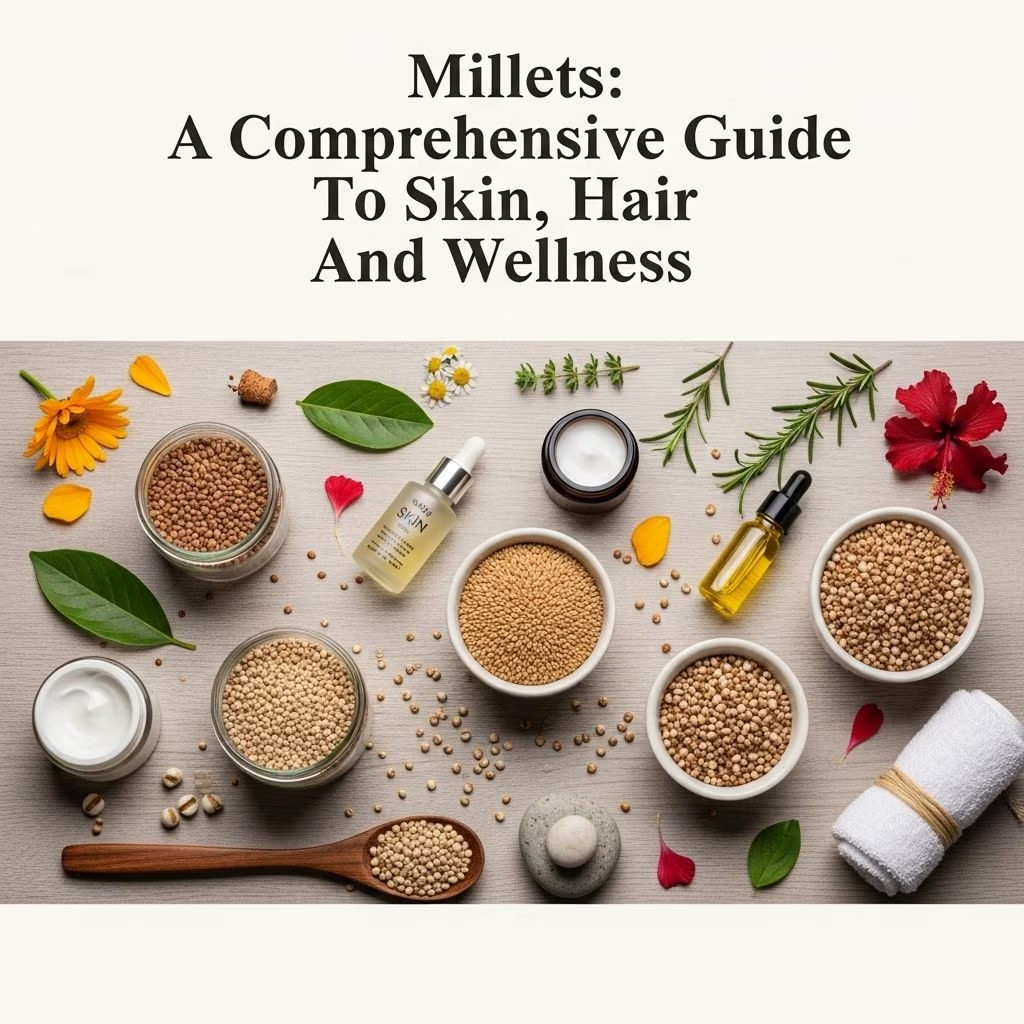
Millets, once overlooked but now firmly recognized as a powerhouse of nutrition, are ancient grains that have been a staple in various traditional diets around the world. Today, their multifaceted health benefits—including those for skin and hair—are drawing renewed attention from nutritionists, beauty experts, and health enthusiasts alike. This article explores the various types of millets, explains their rich nutritional content, and presents scientific and practical insights into their roles in promoting radiant skin, resilient hair, and comprehensive well-being.
What Are Millets?
Millets are a group of small-seeded grasses grown mainly in Asia and Africa. They have been cultivated for thousands of years and are prized for both their adaptability and their nutritional profile. Common varieties include pearl millet (bajra), finger millet (ragi), foxtail millet (kangni), little millet (kutki), and jowar millet among others.
Millets are typically gluten-free and rich in essential nutrients such as protein, dietary fiber, vitamins, and minerals, making them suitable for a wide variety of diets.
Millets and Skin Health: Nourishment from Within
Millets are increasingly being recognized for their contribution to skin health due to their potent blend of antioxidants, fatty acids, minerals, and vitamins. Here’s a deeper look at how millets can help achieve vibrant, healthy skin:
Antioxidants for Defense and Repair
- Tocopherols (forms of vitamin E) found in millet extracts defend the skin from pollution, UV radiation, and environmental toxins by neutralizing free radicals.
- Polyphenols and other unique antioxidants help delay the signs of aging, fade hyperpigmentation, and support skin regeneration.
Protection Against Environmental Damage
- Antioxidants in millet mitigate the harmful effects of sun exposure, pollution, and oxidative stress. This helps prevent premature aging, sunburn, and formation of dark spots.
- Millet extract’s anti-inflammatory properties can help soothe irritated skin, making it beneficial for people with rosacea, acne, or sensitive skin.
Hydration, Moisture Retention, and Nourishment
- Essential fatty acids and minerals in millet contribute to deep hydration and nourishment, improving skin elasticity and softness while alleviating dryness.
- Millet provides silica, a mineral vital for moisture retention and improved skin texture.
Collagen Synthesis and Skin Structure
- Millets supply silica, amino acids, and trace minerals that boost collagen production—crucial for maintaining skin’s firmness and youthful elasticity.
- Adequate collagen levels help smooth out wrinkles and support rapid skin renewal following damage or environmental stress.
Brightening and Even Complexion
- Regular consumption or topical application of millet extract may promote a brighter, even complexion due to its synergy of antioxidants and nutrients that combat pigmentation.
Millets for Hair Health: Roots to Tips
Millets play a pivotal role in supporting strong, resilient, and lustrous hair, thanks to their robust nutritional makeup:
Stimulating Hair Growth and Reducing Hair Loss
- Millet seed extract has been shown in studies to boost cell growth in hair bulbs by up to 140%, increase collagen thickness in follicles, and anchor hair roots more firmly, thereby reducing shedding and hair loss.
- A double-blind, placebo-controlled trial demonstrated that 91% of women experiencing excess hair shedding saw a significant decrease in loss after three months of daily millet extract intake.
Improving Hair Texture and Thickness
- Millet’s amino acids, including those present in finger millet (ragi), are protein building blocks essential for robust hair structure and texture.
- Regular millet consumption can result in stronger, thicker, and glossier hair strands.
Role of Specific Millet Varieties for Hair
| Millet Variety | Key Hair Benefit |
|---|---|
| Pearl Millet (Bajra) | High in iron & magnesium; prevents hair loss and supports enzyme activation for growth. |
| Finger Millet (Ragi) | Amino acids for stronger strands; boosts hair resilience. |
| Foxtail Millet (Kangni) | Rich in silica for improved hair strength and shine. |
| Little Millet (Kutki) | Antioxidants that protect follicles from free radicals and oxidative damage. |
| Jowar Millet | Protein and biotin for growth and reduction of shedding. |
Additional Benefits and Practical Applications
- Omega-6 fatty acids and miliacin (unique molecule in millet) contribute to hair shine and follicle stimulation.
- Millet’s anti-inflammatory compounds soothe the scalp and may help with conditions like dryness and dandruff.
- Combining millet with ingredients like zinc or horsetail extract amplifies benefits for scalp and hair thickness.
Millets for Overall Health and Wellness
Beyond beauty, millets deliver an impressive suite of health advantages:
Rich in Essential Nutrients
- Millets are loaded with fiber, protein, vitamins (especially B-complex and vitamin E), and minerals (magnesium, potassium, iron, zinc).
- Low glycemic index and gluten-free—ideal for diabetics and those with gluten intolerances.
- Promotes healthy digestion due to high fiber content.
Antioxidant and Anti-Inflammatory Effects
- Millets’ polyphenols and specific antioxidants protect against cellular damage, oxidative stress, and chronic inflammation—benefits that extend far beyond skin and hair.
Boosts Immunity
- Millet intake supports immune health via nutrients and trace minerals vital for cell regeneration, immune cell function, and metabolic balance.
Supports Cardiovascular Health
- Magnesium, potassium, and fiber encourage healthier blood pressure.
- Antioxidants may lower the risk of atherosclerosis and other heart conditions.
Weight Management and Satiety
- Millets’ fiber provides lasting satiety, which aids weight management and reduces unhealthy snacking.
How to Incorporate Millets into Your Diet
Adding millets to your daily meals is straightforward, offering culinary flexibility without sacrificing nutrition:
- Breakfast: Millet porridge prepared with nuts and fruit; ragi pancakes; millet muesli.
- Lunch/Dinner: Replace rice with cooked millet varieties such as bajra or foxtail; use in salads or pilafs.
- Snacks: Millet cookies, crackers, or energy bars for sustained energy.
- Beverages: Ragi malt or millet milkshakes for added protein and minerals.
- Topical application: Look for millet extract in skincare or hair oils for direct benefits.
Common Myths and Misconceptions about Millets
- Myth: Millets are bland and difficult to digest.
Fact: With proper cooking, millets are both flavorful and easy on digestion due to their fiber. - Myth: Millets are only for those with gluten intolerance.
Fact: While gluten-free, millets benefit everyone—especially those seeking improved nutrition and metabolic health. - Myth: Millets lack enough protein for vegetarians.
Fact: Several varieties are high in protein and essential amino acids for a balanced diet.
Potential Side Effects and Precautions
While millets are generally considered safe, moderation is essential. Excessive intake may interfere with thyroid function in those prone to hypothyroidism due to naturally occurring goitrogens. Those with specific food allergies should consult a healthcare provider before widespread adoption.
Frequently Asked Questions (FAQs)
Q: Can daily millet consumption improve skin glow?
A: Yes, millets provide antioxidants, amino acids, and vitamins that support collagen synthesis and cellular renewal, contributing to a brighter, healthier complexion.
Q: How long does it take to see improvements in hair health after adding millets to the diet?
A: Clinical studies suggest visible reduction in hair loss after about three months of consistent millet supplement intake, with further improvements seen in six months.
Q: Are millets suitable for gluten-sensitive individuals?
A: Absolutely. Millets are naturally gluten-free and offer a nutritious alternative to wheat and other grains containing gluten.
Q: Can millets help with weight management?
A: Yes, the high fiber content and low glycemic index help regulate appetite and blood sugar, assisting in weight control.
Q: What is the best way to introduce millets in a child’s diet?
A: Start with soft millet porridge and gradually add them to pancakes, baked goods, or soups for variety and taste.
Conclusion
Millets are a nutritional treasure trove. Their benefits for skin, hair, and overall wellness are supported by both traditional wisdom and modern science. By incorporating millets into your daily routine, you can revitalize your appearance, boost immunity, and lay the foundation for long-term health and beauty—from the inside out.
References
- https://prose.com/blog/millet-seed-extract
- https://www.bazic.in/blogs/glutenfreeliving/from-roots-to-tips-millets-role-in-achieving-gorgeous-healthy-hair
- https://www.clinikally.com/blogs/news/why-millet-extract-is-the-skincare-ingredient-you-need
- https://pmc.ncbi.nlm.nih.gov/articles/PMC10203242/
- https://www.smartfood.org/project/23-proven-millet-benefits-for-skin-hair-health/
- https://www.webmd.com/diet/health-benefits-millet
- https://svasthyaa.com/blogs/news/finger-millet-ragi-benefits-health-skin-hair
- https://redmoringa.it/en/blogs/hair/oats-for-hair-growth-benefits-and-supplements
- https://twobrothersindiashop.com/blogs/food-health/barnyard-millet-benefits