


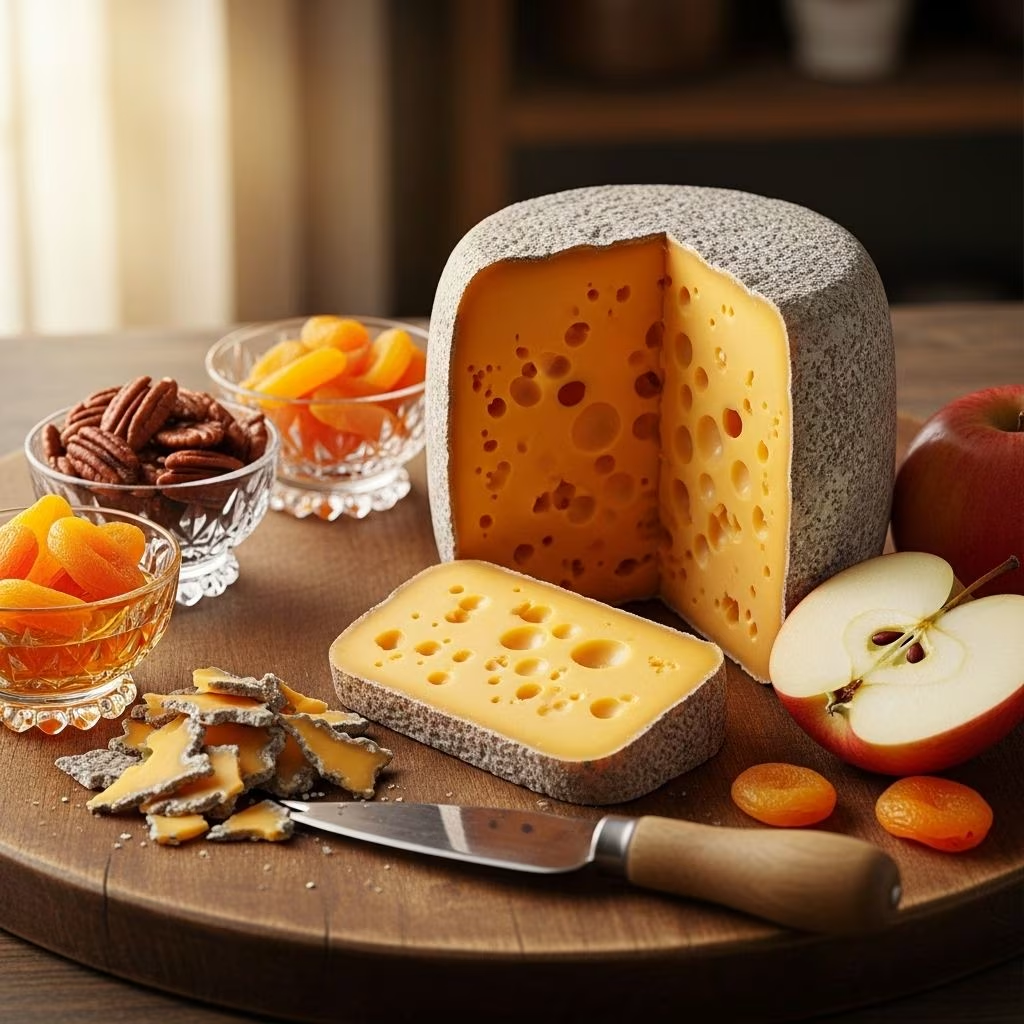
Mimolette is a captivating French cheese known for its vibrant orange color, unique nutty flavor, and historical significance. With its origins rooted in French-Flemish culture, this cheese has become a symbol of culinary craftsmanship, appealing to cheese enthusiasts across the globe. In this comprehensive guide, we will explore its history, production, health benefits, tasting notes, and best ways to enjoy it.
Origin and History of Mimolette
Mimolette originated in Lille, in the Flanders region of northern France, during the 17th century. Its production was largely influenced by Dutch cheese-making traditions, particularly Edam, due to Flanders’ proximity to the Netherlands. The name “Mimolette” comes from the French ‘mi-mou’ or ‘mi-molle,’ which translates to ‘semi-soft,’ reflecting the cheese’s initial texture despite its hard and brittle finish when aged.
Mimolette is also known as Boule de Lille, referencing its city of origin, and was once termed vieux Hollande (old Holland) because it mimicked Dutch cheese styles. The iconic orange color was a deliberate decision to differentiate the French product for local markets, using annatto as a natural food dye.
Historical Significance
- French-Dutch Inspiration: Created to reduce reliance on imports of Dutch Edam during trade restrictions.
- Cultural Symbol: Represents the cross-border culinary heritage of the French-Flemish region.
- Artisanal Traditions: Maintained by generations of cheesemakers, utilizing traditional aging methods and craftsmanship that persist today.
Production Methods and Craftsmanship
Mimolette is made from pasteurized cow’s milk that is colored with annatto to achieve its signature electric-orange hue. The cheese-making process requires precision and artistry, involving both modern and centuries-old techniques.
Cheesemaking Process
- Milk Preparation: Cow’s milk is gently pasteurized and warmed.
- Coloring: Annatto, a natural, flavorless food dye, is added for the vibrant orange color.
- Coagulation: Animal rennet is introduced to set the milk and separate the curds.
- Curing and Shaping: Curds are shaped into a classic slightly flattened sphere, weighing 5–8 pounds (2.3–3.6 kg).
- Salting and Brining: The cheese is brined and then air-dried for proper preservation and flavor development.
Aging and the Role of Cheese Mites
Aging is the heart of Mimolette’s character. Cheese mites, tiny insects, are intentionally introduced to the cheese surface to aerate the rind, enriching both its flavor and texture. The cheese is aged anywhere from three months (young) up to 24 months (extra-vieille/extra-old). The rind is regularly brushed and turned to develop its distinct, cratered, grayish-orange appearance.
This meticulous aging process:
- Enhances nutty, caramelized, and earthy notes.
- Transforms its texture from smooth and elastic to dry, brittle, and crumbly.
- Yields a cheese with a complex medley of flavors and a visually stunning finish.
Unique Characteristics of Mimolette
| Characteristic | Description |
|---|---|
| Country of Origin | France (Flanders, Lille region) |
| Milk Type | Cow’s milk (usually pasteurized) |
| Color | Bright, electric orange (from annatto) |
| Texture | Semi-hard to hard; smooth and creamy when young, dry and crumbly when aged |
| Rind | Natural, with pitted, cratered surface due to cheese mites |
| Shape & Size | Slightly flattened sphere, approx. 2–4.5 kg per wheel |
| Aroma | Butterscotch, roasted, slightly earthy |
| Age | 6 weeks (young) to 24 months (extra-old) |
Why Is Mimolette So Orange?
The bold color of Mimolette is due to the addition of annatto, a natural, tasteless food dye derived from the seeds of the achiote tree. Annatto has long been used to make cheeses visually distinctive, especially in regions where cheese coloring indicated provenance or status.
Nutritional Benefits of Mimolette
Mimolette offers more than just flavor; it is a nutritious addition to a varied diet, providing healthy proteins, fats, and minerals. As with all cheese, moderation is important, but Mimolette holds several nutritional advantages:
- High in Protein: Supports muscle health and repair.
- Calcium-Rich: Promotes strong bones and dental health.
- Essential Vitamins: Contains vitamin A, B12, and other B vitamins for metabolism and immune function.
- Healthy Fats: Supplies saturated and monounsaturated fats that provide satiety and support cellular health.
- Minerals: Includes phosphorus and zinc, aiding in energy production and immune support.
- Annatto’s Benefits: While primarily a colorant, annatto seeds are naturally rich in tocotrienols, a form of vitamin E, though the impact in cheese is minimal.
Note: As a hard cheese, Mimolette is low in lactose, often making it more digestible for those with lactose sensitivities; however, those allergic to dairy or animal rennet should avoid it.
Taste, Aroma, and Texture of Mimolette
Mimolette’s flavor and consistency are remarkably dynamic, changing as the cheese matures. Each tasting experience can differ, particularly when comparing young, old, and extra-old wheels.
Taste Profile by Age
| Maturity | Flavor | Texture | Aroma |
|---|---|---|---|
| Young (6–12 weeks) | Mild, sweet, creamy, butter, slight fruitiness | Semi-soft, smooth, slightly chewy | Light, milky, faint caramel |
| Aged (6–12 months) | Nutty, tangy, caramelized, butterscotch, touch of salt | Semi-hard, dense, slightly crumbling | Deeper caramel, roasted nuts, savory |
| Extra-Old (12–24 months) | Sharp, earthy, rich umami, pronounced nuttiness, slightly salty | Hard, brittle, dry, crumbly | Intense, roasted, earthy, rustic |
Much like aged Gouda or Parmesan, the older Mimolette gets, the bolder and more complex its flavor becomes. Older wheels are ideal for cheese boards and grating over dishes, while younger versions are excellent for snacking and melting.
Unique Aroma and Texture
- Aroma ranges from mild and butterscotch-like when young to intense, nutty, and earthy as it ages.
- Texture evolves from creamy and elastic to hard and crumbly with age.
- The rind has a characteristic cratered and rough feel due to cheese mite activity, giving it rustic allure.
Culinary Uses and Pairings
Mimolette is extremely versatile in the kitchen, prized for both its striking looks and robust flavor. Its uses range from simple snacks to gourmet recipes:
Common Culinary Uses
- Cheese Boards: Sliced or chunked; pairs well with figs, apples, pears, dried fruit, nuts, and charcuterie.
- Grated Over Dishes: Enhances salads, pastas, casseroles, risottos, or vegetable dishes with savory depth.
- Melted for Fondue: Creamy when young, it adds color and unique taste to cheese fondues or gratins.
- As a Snack: Enjoy with crusty bread, crackers, or fruit for a quick gourmet treat.
- Baked Goods: Used in scones, breads, and biscuits for a nutty note and visual appeal.
Pairing Suggestions
- Wine: Robust reds (Malbec, Cabernet Sauvignon), nutty whites (Chardonnay), or lighter fruity wines (Beaujolais, Riesling).
- Beer: Belgian ales, brown ales, or nutty lagers accentuate the cheese’s flavor.
- Fruit & Nuts: Pairs with walnuts, almonds, grapes, figs, and dried apricots.
- Honey and Jams: Complement with mild honey or fruit preserves for a sweet-savory combination.
Buying, Storing, and Serving Mimolette
For the fullest experience, source Mimolette from reputable cheesemongers. Here are tips for selection, storage, and serving:
Buying
- Check for firm texture; avoid overly dry or cracked wheels (unless seeking extra-old).
- Look for bright orange color and a natural, cratered rind.
- Select younger cheese for snacking; opt for older for grating or cheese boards.
Storing
- Refrigerate wrapped loosely in wax paper or cheese paper to allow air circulation. Avoid plastic wrap for long-term storage.
- Store at 2–5°C (35–41°F); use within a few weeks for best aroma and taste.
- If cheese dries out, revive by briefly wrapping in a moist cloth and refrigerating.
Serving
- Remove from fridge 30–60 minutes before serving to allow flavors to blossom.
- Slice or shave (especially when aged and crumbly) for maximum texture and flavor.
Frequently Asked Questions (FAQs)
Q: What makes Mimolette different from other cheeses?
A: Its intense orange color, unique nutty and caramelized flavor, spherical shape, and the role of cheese mites in developing its distinct rind set it apart from both French and Dutch cheeses.
Q: Is Mimolette safe to eat given the presence of cheese mites?
A: Yes, cheese mites are harmless and play an essential role in the maturation process. They contribute to flavor and rind texture; the cheese is rigorously cleaned before sale.
Q: Can lactose-intolerant individuals eat Mimolette?
A: Most aged hard cheeses, including Mimolette, have little lactose. Many lactose-intolerant individuals tolerate Mimolette in moderation, but it should be avoided by those with milk allergies.
Q: How long can you keep Mimolette?
A: When stored correctly in the refrigerator and kept dry, Mimolette can last several weeks to months, depending on age. Older cheeses have a longer shelf life due to lower moisture content.
Q: What is the best way to serve Mimolette at a party?
A: Serve at room temperature, cut into thin wedges or roughly shaved pieces, and pair with fruits, hearty bread, or nutty wine for optimal enjoyment.
Conclusion: Why Mimolette Deserves a Place on Your Table
Mimolette is more than just an eye-catching cheese—it’s the product of centuries-old craftsmanship and French culinary tradition. Whether sampled young for its creamy sweetness or savored aged for its earthy nuttiness and crumbly bite, Mimolette offers a sensory adventure. Its nutritional value, unique maturation process, and versatility in both casual and gourmet settings make it a standout on any cheese lover’s menu. Discover the world of French cheese—one vibrant orange wedge at a time.
References
- https://www.cheese.com/mimolette-boule-de-lille/
- https://anycheese.com/types/mimolette/
- https://en.wikipedia.org/wiki/Mimolette
- https://academyofcheese.org/mimolette/
- https://yummybazaar.com/blogs/blog/a-guide-to-mimolette-cheese
- https://www.isigny-ste-mere.com/en/products/our-cheeses/mimolette/
- https://www.cheesyplace.com/blogs/cheesyplaceblog/exploring-the-unique-charm-of-mimolette-cheese-from-normandy-to-your-table
- https://www.cheesemonthclub.com/mimolette
- https://thechefscult.com/learn-everything-about-mimolette-cheese-now/


