


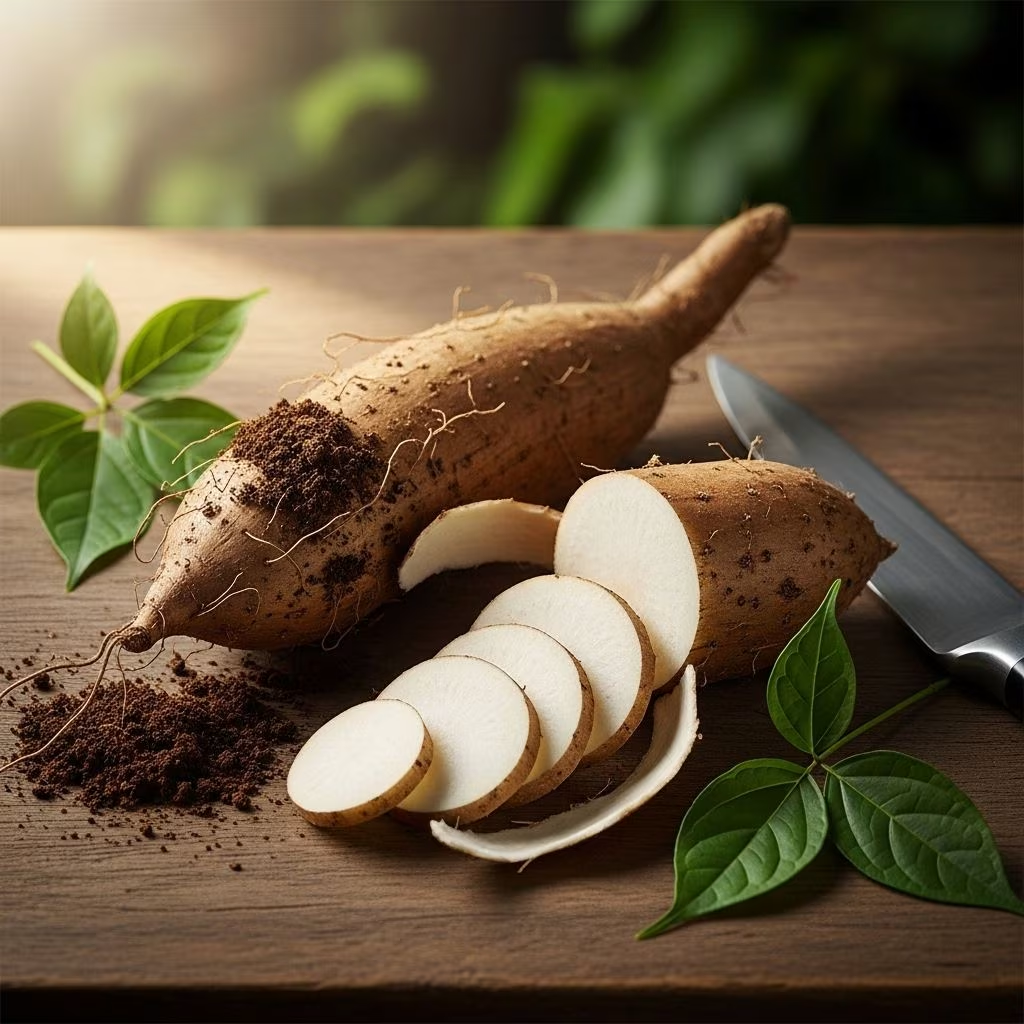
Mountain yam, often referred to as wild yam, encompasses several species from the genus Dioscorea, most notably Dioscorea villosa (wild yam), Dioscorea japonica (Japanese mountain yam or yamaimo), and Dioscorea opposita (Chinese yam). Renowned for both their medicinal and culinary significance across continents, these hardy tubers have been revered for centuries as a source of sustenance, therapeutic remedies, and unique flavors. This in-depth guide explores their botanical characteristics, traditional and modern uses, nutritional profile, health benefits, preparation methods, and taste experience.
Introduction to Mountain Yam and Wild Yam
Mountain yam and wild yam are catch-all names for various species in the Dioscorea genus, a group of starchy tuberous plants native to Asia, North America, and Africa. Unlike the familiar sweet potato, yams are true monocots, more closely related to lilies and grasses, and have played an essential role in the diets and folk medicine of different cultures. Notably, Chinese yam and Japanese yam are staples in East Asian cuisine, prized for their slippery texture and subtle flavor, while North American wild yam has a long history of use in traditional herbal medicine.
Key Species: Wild Yam vs. Mountain Yam
| Common Name | Botanical Name | Region | Main Uses |
|---|---|---|---|
| Wild Yam | Dioscorea villosa | North America | Medicinal, limited culinary |
| Japanese Mountain Yam | Dioscorea japonica (Yamaimo) | East Asia | Culinary (sushi, noodles, soups) |
| Chinese Yam | Dioscorea opposita | China, East Asia | Culinary and medicine |
| Mexican Wild Yam | Dioscorea composita | Mexico, Central America | Precursor for synthetic hormones, traditional medicine |
The most significant difference among these yams lies in their regional occurrence, tuber characteristics, and resulting uses. While East Asian mountain yams are cultivated as a food crop, North American and Mexican wild yams are valued mainly for their medicinal rhizomes.
Botanical Description and Habitat
Wild yams and mountain yams are perennial, herbaceous vines. Their underground tubers or rhizomes are used variously as food and medicine. Key botanical features include:
- Growth Habit: Hardy, climbing vines that twine around supports, growing between 7 and 15 feet tall depending on the species and sunlight.
- Leaves: Heart-shaped (cordate), arranged in whorls or alternately up the stem, with prominent palmate veins. The upper surface is smooth and green, while the lower may be hairy, which is hinted at by the Latin species name villosa (“hairy”).
- Flowers: The plant is typically dioecious—male and female flowers appear on separate plants. Flowers are small, yellowish or whitish-green, and grow in loose clusters or drooping racemes.
- Tubers: The storied part of the plant—the tuber or rhizome—is usually elongated and knotted, with a rough skin varying from brown to tan or whitish, depending on the species.
- Habitat: Wild yams thrive in a varied range of environments—moist wooded thickets, riverbanks, forest edges, rocky slopes, and even disturbed sites like fencerows and railroads.
Traditional and Medicinal Uses
The rhizomes and tubers of wild yam have centuries-old traditions in both indigenous American and Asian healing systems:
- North America: Native American tribes used wild yam (Dioscorea villosa) for a variety of ailments, particularly to relieve colic, menstrual cramps, and rheumatic pain, earning it names like “colic root” and “rheumatism root.”
- China and Japan: The Chinese yam (Dioscorea opposita or D. polystachya) and Japanese yam (Dioscorea japonica) are important in Traditional Chinese Medicine (TCM), used to strengthen the spleen, tonify qi (vital energy), support digestion, boost kidney function, and address fatigue, diarrhea, or chronic cough.
- Mexican wild yam: Used as a source of diosgenin, a compound that can be chemically converted into hormones such as progesterone for pharmaceutical use.
Most modern supplements and creams marketed as “wild yam” are derived from these rhizomes, although their use as direct hormone sources in humans is often misunderstood. For more, see FAQs below.
Modern Health Benefits and Scientific Evidence
- Antioxidant and Anti-inflammatory Properties: Wild yam and mountain yam contain saponins (e.g., diosgenin) and polysaccharides reported to exhibit anti-inflammatory, antioxidant, and immunomodulatory properties.
- Women’s Health: Historically, wild yam extracts have been used for menopause, premenstrual symptoms, and menstrual cramps, though current research suggests the body does not convert diosgenin into hormones naturally; thus, benefit is likely indirect (through anti-inflammatory effects) rather than from hormone supplementation.
- Digestive Support: Mountain yam mucilage (the slimy substance present when raw or grated) is believed to soothe the digestive tract and promote beneficial gut flora.
- Energy and Vitality: In TCM, mountain yam is credited with boosting energy and supporting healthy metabolism, which aligns with its starchy, low-glycemic nutritional profile.
- Blood Sugar Control: Some studies on mountain yam have suggested a positive influence on blood glucose regulation, potentially beneficial for those managing blood sugar levels.
- Wound Healing and Immune Support: Certain traditional uses also center on improving healing time and immunity.
Note: While traditional and early scientific evidence supports many health claims, comprehensive clinical studies are limited and more research is needed to confirm specific benefits for modern therapeutic use.
Nutritional Value and Composition
The edible tubers of mountain yam and related species are valued for their nutritional profile:
- Calories and Carbohydrates: Yams are starchy, energy-dense foods, providing slow-release carbohydrates ideal for sustained energy.
- Fiber: Contains significant dietary fiber, supporting gut health and regularity.
- Vitamins: Rich in vitamin C, vitamin B6, and trace minerals such as manganese and potassium.
- Antioxidants and Phytochemicals: Contain unique compounds such as diosgenin (a steroidal saponin), allantoin, and mucilage (notably in Japanese and Chinese yams).
| Nutrient (per 100g raw) | Japanese Mountain Yam* | Chinese Yam* |
|---|---|---|
| Calories | 65 | 56 |
| Carbohydrates (g) | 13.7 | 12.3 |
| Protein (g) | 2.0 | 1.5 |
| Fiber (g) | 1.0 | 0.7 |
| Vitamin C (mg) | 7-8 | 6 |
| Potassium (mg) | 430 | 430 |
*Approximate values; actual nutritional content may vary depending on variety and soil conditions.
Culinary Uses and Preparation Methods
- Japanese Mountain Yam (Yamaimo): Eaten raw, grated, or sliced; prized for its unusual slippery, mucilaginous texture. Used in sushi (tororo), noodles (soba with grated yam), okonomiyaki (savory pancakes), and natto mixes.
- Chinese Yam: Culinary uses include soups, stir-fries, porridge, and desserts. Sought after for its crispy texture even after cooking.
- Medicinal Preparations: North American wild yam is primarily consumed as a dried, powdered, or extracted root in teas, capsules, or creams due to its dryness and bitterness, rather than as a food staple.
When using mountain yam in cooking, common preparations include:
- Grating: Produces a sticky, gluey paste that is added to noodle batters or eaten over rice.
- Slicing: Adds crunch and mild sweetness to soups, salads, or stir-fries.
- Boiling or Steaming: Softens the yam while retaining its subtle flavor.
- Baking or Roasting: Enhances sweetness and aroma.
Preparation Tips
- Peeling: Yam skin can be rough or hairy; always peel before eating. Wear gloves to avoid mild skin irritation caused by the mucilage.
- Soaking: Some varieties (especially wild yams) can be soaked to remove bitterness or toxins.
Taste Profile: What Does Wild Yam Taste Like?
The taste of mountain yam varies between species and methods of preparation:
- Japanese Mountain Yam: Mild, gently sweet, with a crisp bite when raw. When grated, develops a distinctive sticky, mucilaginous texture that is both slippery and pleasantly refreshing.
- Chinese Yam: Subtle sweetness, almost neutral flavor, with a firm, juicy crunch—making it an adaptable base for both savory and sweet dishes.
- North American Wild Yam: Raw wild yam is generally bitter and considered inedible as a food staple due to its dryness and less palatable flavor; it is rarely consumed except in herbal preparations.
Texture and mouthfeel are as important as flavor in these yams: the famous sliminess of yamaimo is highly prized in Japan and East Asia, while wild yam root is almost exclusively used dried or powdered for extracts or teas.
Safety Considerations and Side Effects
- Edibility: Only certain wild yam species are safe to eat. Some contain bitter or slightly toxic compounds and require proper preparation. Never forage or consume wild yams found in the wild unless identified confidently.
- Skin irritation: Mucilage from raw yam can cause mild itching or tingling. Wear gloves or wash hands if irritated.
- Hormone Claims: Claims that wild yam supplements supply estrogen or progesterone directly are unsupported; diosgenin must be processed in a lab, not in the human body. Always consult a healthcare provider before using wild yam for hormonal or medicinal purposes.
- Allergies: Rare, but individuals with sensitivities to tubers or root vegetables should use caution.
How to Select and Store Mountain Yam
- Selection: Choose firm, heavy specimens without soft spots or mold. Skin should be dry, and tuber free from cuts.
- Storage: Store whole yams in a cool, dark, well-ventilated area for up to several weeks. Once cut, wrap and refrigerate; use within a few days.
- Preparation: Wash, peel, and cut just before use to avoid oxidation and discoloration.
Frequently Asked Questions (FAQs)
Q: Can mountain yam be eaten raw?
A: Japanese yamaimo and Chinese yam can be eaten raw—grated, sliced, or julienned—thanks to their unique texture and mild flavor. North American wild yam is rarely eaten raw or cooked due to its bitterness and dryness.
Q: Are wild yam and sweet potato the same?
A: No. While both are starchy tubers, wild yam (Dioscorea genus) and sweet potato (Ipomoea batatas) come from different plant families and have distinct flavors, textures, and uses. True yams usually have rougher skin and are less sweet than sweet potatoes.
Q: Is wild yam safe during pregnancy or for hormone balance?
A: Wild yam supplements have traditionally been used for menstrual and menopausal symptoms, but there is no clinical evidence that they influence hormone levels naturally. Diosgenin in yams must be lab-processed to produce hormonal effects. Pregnant or lactating women should consult a healthcare provider before use.
Q: Are there poisonous yams?
A: Some wild yam species contain toxic compounds and should not be consumed raw or unprocessed. Only eat species that are known to be safe and properly identified.
Q: How does mountain yam benefit digestion?
A: Mountain yam mucilage can soothe the gastrointestinal tract, promote regularity, and is regarded as “stomach strengthening” in TCM. It is often combined with other ingredients in soups and porridges to support digestive health.
References
Arkansas Native Plant Society. Know Your Natives – Wild Yam.
Epic Gardening. How to Plant, Grow, and Care for Dioscorea Japonica.
Monterey Bay Herb Co. Dried Wild Yam Root.
Wikipedia. Yam (vegetable).
Minnesota Wildflowers. Dioscorea villosa (Wild Yam).
Wikipedia. Chinese yam.
References
- https://anps.org/2014/07/11/know-your-natives-wild-yam/
- https://www.epicgardening.com/dioscorea-japonica/
- https://www.herbco.com/c-124-wild-yam-root.aspx
- https://en.wikipedia.org/wiki/Yam_(vegetable)
- https://www.minnesotawildflowers.info/flower/wild-yam
- https://en.wikipedia.org/wiki/Chinese_yam
- https://texasinvasives.org/plant_database/detail.php?symbol=DIOP
- https://pfaf.org/user/Plant.aspx?LatinName=Dioscorea+villosa
- https://www.webmd.com/vitamins/ai/ingredientmono-970/wild-yam


