


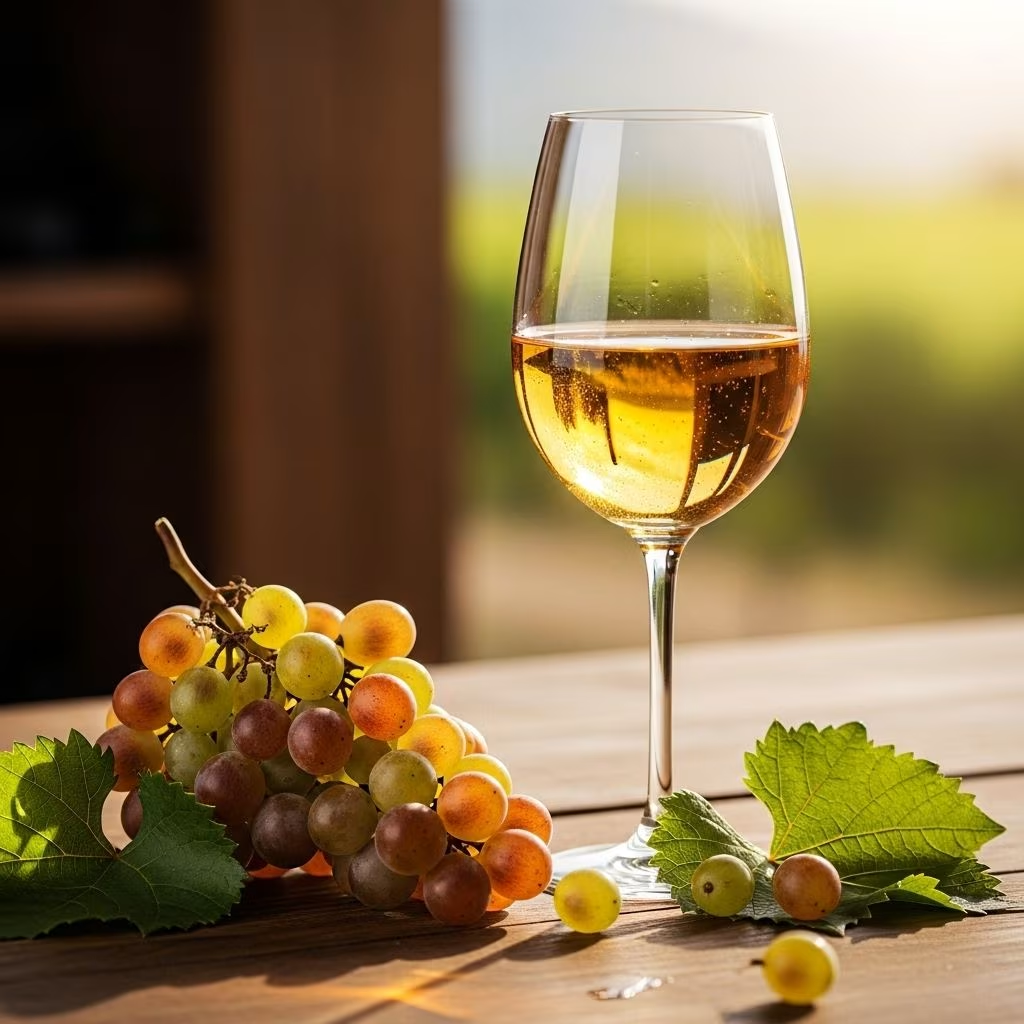
Characterized by its intense floral aroma, luscious sweetness, and versatility at the table, Muscatel (or Muscat) stands as one of the most celebrated grape varieties in the world. Revered in winemaking, prized for table consumption, and cherished for its health properties, Muscatel offers a sensory voyage across diverse cultures and culinary experiences. This comprehensive guide delves into the essence of Muscatel: its history, classifications, health benefits, culinary uses, and unrivaled taste profile.
Introduction: What Is Muscatel?
Muscatel refers to both a distinctive family of grapes and the wines made from them. Known for their hallmark floral, fruity, and musky aromas, Muscatel grapes are used to produce a wide spectrum of wines, ranging from dry to lusciously sweet. The terms “Muscatel,” “Muscat,” and “Moscato” are often used interchangeably, though they can describe specific varieties or styles depending on the region. Muscatel grapes are as popular for fresh eating and raisins as they are for highly aromatic wines.
Origin and History of Muscatel
The Muscatel grape family is one of the world’s oldest, with a lineage stretching back thousands of years. Thought to have originated in the Mediterranean basin, the Muscat grape is mentioned in ancient Greek and Roman writings. Over centuries, it spread from the wine-loving courts of the Mediterranean to vineyards across Europe, North Africa, the Middle East, and beyond. Today, Muscatel is grown globally, prized for its versatility and historic prestige.
Key Historical Points
- Ancient Roots: References to Muscat grapes have been found in documents dating back to classical antiquity, highlighting their early domestication and use in wine and cuisine.
- Global Spread: Muscatel grapes traveled from the Mediterranean to Europe, North Africa, the Middle East, and later to the Americas, South Africa, Australia, and beyond.
- Cultural Importance: Muscatel wines were highly prized during the Renaissance and remain deeply woven into the traditions of southern France, Italy, Spain, Portugal, and other wine-producing countries.
Varieties and Grape Types
The Muscat family encompasses more than 200 grape varieties, each offering its own unique profile. However, several main types dominate global production and recognition:
- Muscat Blanc à Petits Grains: Often considered the noblest variety, producing intensely aromatic, complex wines known as Muscatel or Moscato Bianco.
- Muscat of Alexandria: An ancient variety with a rich, grapey flavor, widely used for dessert wines, brandy production, and as a table grape.
- Muscat Ottonel: Known for floral, lighter-bodied wines with soft fruit and musk notes.
- Muscat Rose à Petits Grains: Pink-skinned variant prized for rose-tinted, aromatic wines.
Other related varieties include Morio Muskat (Germany), Muscat Hamburg, and Muscat de Frontignan.
How Muscatel Is Produced
Muscatel wines are crafted using special handling to preserve the delicate aromatic compounds characteristic of their grapes. The production style—dry, semi-dry, or sweet—depends on fermentation techniques and timing.
Key Winemaking Steps
- Harvesting: Grapes are handpicked to avoid damage that could introduce bitterness.
- Maceration: Gentle pressing helps extract aromatic must without unwanted phenolics.
- Fermentation: To retain natural sweetness, fermentation is often stopped early, leaving residual sugar. For dry wines, fermentation continues until sugars are depleted.
- Aging: Some Muscatels are aged in stainless steel for freshness; others undergo oak barrel aging for complexity and richer flavor.
Blending between different Muscatel varieties and with other grapes is also common, especially in regions like Spain and Portugal, to craft unique flavor signatures.
Taste Profile and Appearance
The fascination with Muscatel lies in its aromatic intensity and broad taste spectrum. Muscatel wines exhibit a remarkable range from dry and refreshing to luscious and syrupy sweet, but all share the signature bouquet of musk, exotic fruits, and flowers.
| Wine Style | Primary Aromas | Typical Flavors | Body | Sweetness Level |
|---|---|---|---|---|
| Dry Muscatel | Floral, Grapey | Peach, Apricot, Citrus | Light to Medium | Dry |
| Semi-Sweet Muscatel | Orange Blossom, Jasmine | Lychee, Pear, Rose Petals | Medium | Semi-Sweet |
| Sweet/Dessert Muscatel | Musk, Exotic Fruits | Pineapple, Honey, Nuts | Medium to Full | Sweet to Lusciously Sweet |
On the palate, Muscatel wines are renowned for their fruit-driven freshness, silky texture, and a finish that can range from crisp to long and rich. The best examples achieve a harmony of fruit, floral notes, acidity, and residual sweetness.
Distinctive Tasting Notes
- Floral: Orange blossom, rose petals, jasmine, lily of the valley
- Fruity: Peach, apricot, lychee, pear, citrus, pineapple, mandarin
- Musky: Nutmeg, musk, exotic spice
- Other: Honey, almond, caramel (in aged Muscatels)
Health Benefits of Muscatel
Muscatel grapes, like many varieties, offer nutritional and potential health benefits. These benefits arise from the grapes themselves and, to a lesser extent, moderate wine consumption:
- Rich in Antioxidants: Muscatel grapes are packed with antioxidants such as resveratrol, flavonoids, and vitamin C, which help combat oxidative stress.
- Support Heart Health: Low to moderate consumption of Muscatel wine may promote cardiovascular health by improving blood vessel function and cholesterol balance.
- Digestive Aid: Traditionally, sweet Muscatel has been served as a digestif, believed to promote healthy digestion after rich meals.
- Hydration and Nutrients: As a table grape, Muscatel is hydrating and provides vitamins, minerals, and dietary fiber.
- Low to Moderate Alcohol: Muscatel wines often have lower alcohol levels, making them a gentler choice for those seeking lighter wine options.
Note: While Muscatel can be part of a balanced diet, excessive alcohol intake is harmful to health. Consume in moderation.
Culinary and Wine Uses
Muscatel’s wide-reaching appeal is due in part to its versatility. It is used in multiple forms—from fresh grapes to raisins, to sweet and dry wines, and even in distilled spirits.
Common Uses
- Fresh Table Grapes: Consumed as a snack for their natural sweetness and perfume.
- Raisins: Dried Muscatel grapes are used in baking, muesli, and desserts.
- Wine: The most famous use—Muscatel wines can be dry, semi-sweet, sparkling (e.g., Moscato d’Asti), or rich dessert wines.
- Fortified Wines: Used in sherry, port, and Portuguese Moscatel de Setúbal, where extra alcohol is added.
- Distilled Spirits: In Bolivia, Muscatel grapes produce “singani”, a grape-based spirit.
- Culinary Dishes: Used as an ingredient in sauces, desserts, and even some savory recipes, lending fruitiness and aroma.
Muscatel Around the World
Muscatel’s global journey has made it integral to many regional wine traditions and cuisines. Distinctive Muscatel styles emerge from each wine-producing region:
- France: Muscat de Beaumes-de-Venise, Muscat de Frontignan—famed sweet and fortified wines.
- Italy: Moscato d’Asti and Asti Spumante—lightly sparkling, sweet, and aromatic.
- Spain: Moscatel, especially in Málaga—often blended with Pedro Ximénez for rich dessert wines.
- Portugal: Moscatel de Setúbal—deeply sweet, amber-hued, often aged.
- Australia and USA: Often marketed as “Moscato” or “Muscatel,” enjoyed as youthful, aromatic wines or fortified for dessert.
How to Serve and Drink Muscatel
The best Muscatel experience hinges on proper serving technique:
- Temperature: Serve chilled (8–10°C / 46–50°F) for sweet and fresh styles, slightly warmer for barrel-aged or fortified types.
- Glassware: Use tulip-shaped white wine glasses to concentrate aromas.
- Pour Sizes: Dessert and fortified Muscatels are best served in small pours due to richness; dry styles can be poured like other fresh whites.
- Storage: Once opened, sweet Muscatels stay fresh for up to a week in the fridge, while dry styles should be consumed quicker for maximal aroma.
Food Pairings and Serving Suggestions
Muscatel’s multifaceted flavors make it a stellar partner for many dishes:
- Cheese: Mild hard cheeses, blue cheese, and creamy soft cheeses pair beautifully with sweeter Muscatel wines.
- Fruit and Desserts: Dried fruit, tarts, meringue, tropical desserts, and fruit salads harmonize with Muscatel’s natural sweetness.
- Seafood and Poultry: Dry or semi-sweet styles elevate delicate fish and white meat dishes.
- Spicy Dishes (Asian Cuisine): The sweetness and floral aromas balance spices and heat.
- Aperitif: Served chilled as a refreshing start to a meal.
Frequently Asked Questions (FAQs)
Q: Is Muscatel the same as Muscat?
A: The terms are often used interchangeably; Muscatel generally refers to wine made from Muscat grapes or the grape itself. Multiple types exist within the Muscat family, including Muscatel.
Q: Is Muscatel always sweet?
A: No. While Muscatel is famous for its sweetness, winemakers also produce dry and semi-sweet versions. Sweetness level depends on the fermentation method and region.
Q: What gives Muscatel its unique aroma?
A: Muscatel is rich in natural aromatic compounds, especially monoterpenes, producing notes of musk, rose, citrus, and spice that set it apart from other grapes.
Q: Can Muscatel wine be aged?
A: Yes. While many Muscatel wines are best enjoyed young for freshness, some styles (particularly fortified or barrel-aged versions) improve with age, developing deep hues, caramel, and nutty complexities.
Q: What are the health benefits of Muscatel?
A: Muscatel grapes are naturally rich in antioxidants and nutrients, potentially supporting heart health and digestion. As with all wine, moderate consumption is key for benefits.
Q: How is Muscatel different from regular table grapes?
A: Muscatel grapes are distinctive for their intense aroma and musky, floral taste. While some are used as table grapes, others are dedicated to winemaking due to aromatic complexity.
Conclusion: Muscatel’s Lasting Appeal
From ancient vineyards to modern tables, Muscatel endures as a symbol of aromatic richness, versatility, and pleasurable drinking. Whether savored as a luscious wine, enjoyed as a fruit, or used as a gourmet ingredient, Muscatel bridges cultures through its unforgettable aroma and profound versatility. Its unique spectrum of taste, historic prestige, and broad range of uses ensure its continued reverence among wine lovers, chefs, and enthusiasts worldwide.
References
- https://www.mathier.com/en/blog/the-best-muscat-wine-discover-the-diversity-of-a-classic-grape-variety/
- https://en.wikipedia.org/wiki/Muscat_of_Alexandria
- https://www.tarrawarra.com.au/what-is-muscat-wine/
- https://www.wine-searcher.com/grape-302-muscat
- https://en.wikipedia.org/wiki/Muscatel
- https://www.winetourism.com/muscat/
- https://chinchinwinetrading.com/en/grape-variety/moscatel/
- https://blog.haskells.com/muscat-wine
- https://bottlebarn.com/blogs/news/what-s-the-difference-between-muscat-moscatel-and-moscato


