


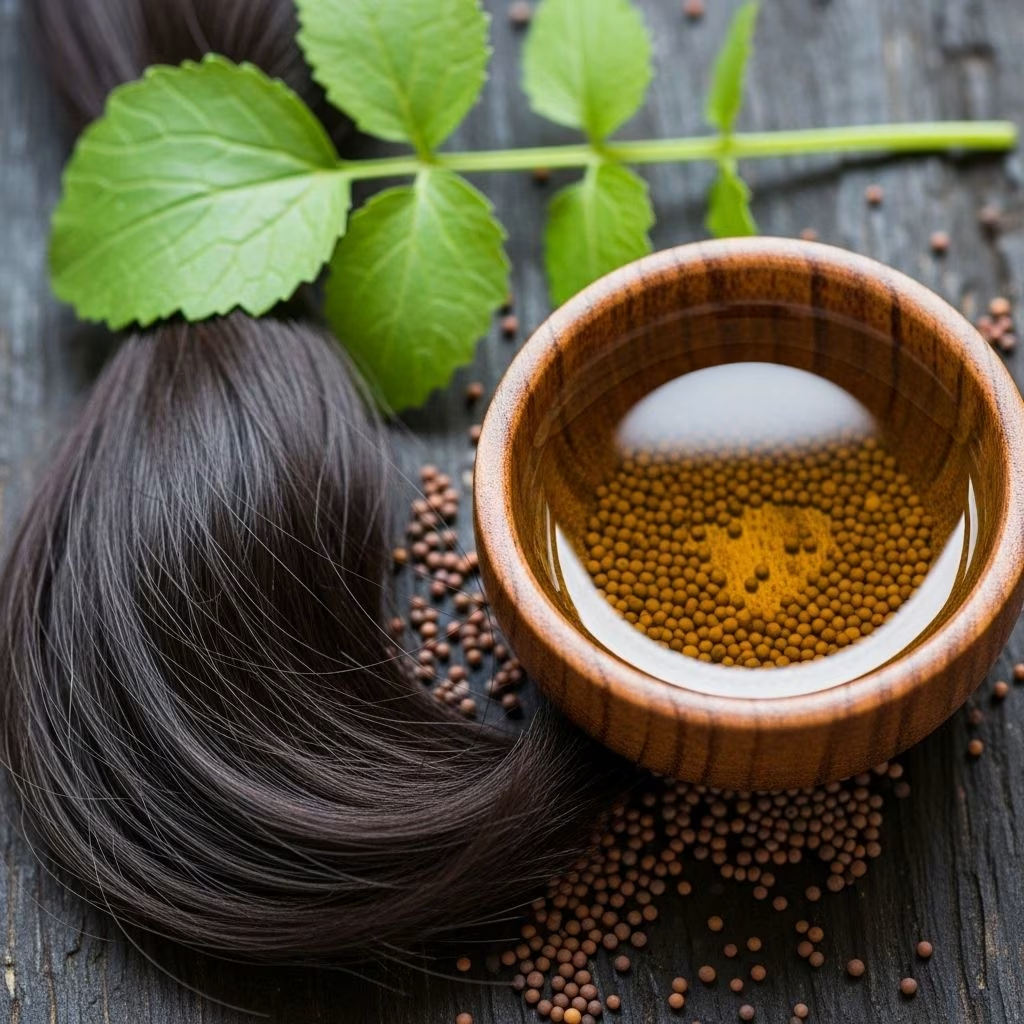
Indian mustard oil, or Sarson ka Tel, has nourished hair across generations. It’s an integral part of Indian home remedies, celebrated for its rich blend of fatty acids, vitamins, and bioactive compounds that promise multiple hair benefits. This guide explores the science-backed and traditional virtues of mustard oil for hair health, optimal usage methods, safety precautions, and expert tips for lustrous, resilient locks.
Introduction to Mustard Oil for Hair
Mustard oil has a storied legacy in Indian households—not just as a cooking staple, but as a revered hair care elixir. For centuries, it has been used to nourish hair, encourage growth, and improve scalp health. Its distinctive aroma and warming nature make it especially popular during the cooler months, offering a holistic hair treatment deeply rooted in Ayurvedic principles. Modern research and beauty experts alike recognize mustard oil as a powerful natural solution for combating hair fall, dryness, breakage, and scalp concerns.
Nutritional Profile of Mustard Oil
The effectiveness of mustard oil for hair is attributed to its well-rounded nutrient composition:
- Fatty Acids: Rich in omega-3 and omega-6 fatty acids (including alpha-linolenic acid), which are essential for moisturizing and strengthening hair.
- Vitamins: Contains vitamins A, D, E, and K, promoting scalp and hair health.
- Protein: Aids in restoring hair structure and thickness.
- Minerals and Antioxidants: Help protect hair from environmental damage and oxidative stress.
- Bioactive Compounds: Mustard oil features antimicrobial and antifungal compounds that shield the scalp from infections.
These components combine to make mustard oil a holistic choice for diverse hair and scalp issues.
Top Benefits of Indian Mustard Oil for Hair
Let’s explore the hair benefits that have established mustard oil as a timeless favorite:
- 1. Strengthening Hair Roots and Strands
The oil nourishes the hair with a robust mix of protein and vitamins, strengthening strands from the root and minimizing breakage and split ends. - 2. Deep Conditioning and Moisturizing
Fatty acids in mustard oil act as a natural conditioner, hydrating dry hair from root to tip and restoring bounce, shine, and softness. Regular massages help retain moisture, improving manageability and preventing roughness. - 3. Promotes Hair Growth
Mustard oil’s warmth boosts blood flow to the scalp, stimulating dormant follicles and supporting new hair growth. Its nutrients fuel a healthy hair growth cycle. - 4. Prevents Dandruff and Scalp Infections
The oil’s antibacterial and antifungal agents help combat dandruff, itching, and minor scalp infections, creating an environment conducive to hair health. - 5. Enhances Hair Volume and Shine
Regular use gives hair a thicker, denser look, and imparts a natural luster. Mustard oil helps smooth cuticles for a glossier finish. - 6. Reduces Frizz and Split Ends
Vitamin E and antioxidants help repair damaged ends and reduce frizziness, making hair appear healthier and easier to style. - 7. May Delay Premature Greying
While research is limited, anecdotal use and traditional wisdom suggest regular application can slow the onset of premature greying. - 8. Boosts Scalp Circulation
Mustard oil massages stimulate scalp blood flow, nourishing follicles and supporting healthy hair cycles. - 9. Soothes Minor Scalp Irritation
Omega-3 fatty acids offer anti-inflammatory benefits that may calm irritated or inflamed scalp conditions. Sensitive individuals should patch test first. - 10. Complements Other Natural Oils
Mustard oil blends well with coconut, almond, or olive oil, amplifying its restorative potential.
Scientific Evidence & User Experience
While clinical research directly linking mustard oil to reducing hair loss or promoting regrowth is limited or indirect, several studies support its traditional reputation in overall scalp health, moisturization, and protection from environmental stressors. In some hair oil studies, blends with mustard oil have shown positive results for hair fall reduction and scalp nourishment, though pure mustard oil’s effect may be milder by comparison.
How to Use Mustard Oil for Hair
To maximize the benefits of mustard oil, application technique and routine matter. Here’s a step-by-step guide:
- Choose the Right Oil: Opt for cold-pressed, pure, edible-grade mustard oil, preferably organic and unadulterated for best results.
- Warm the Oil Slightly: Heat the oil gently (lukewarm—not hot), as warmth boosts absorption and provides a soothing massage experience.
- Scalp Massage: Part your hair and apply oil using fingertips. Massage gently in a circular motion for 5–10 minutes to stimulate blood flow.
- Length Application: Distribute oil along the hair length, especially to mid-lengths and ends if dry or damaged.
- Leave-In Time: Let the oil sit for at least 1–2 hours. For intense nourishment, cover hair with a shower cap or towel and leave overnight.
- Wash Thoroughly: Use a mild shampoo to cleanse hair, removing all traces of oil. You may need to shampoo twice for oily or fine hair.
- Frequency: 1–2 times a week is typical. Adjust frequency based on your hair type and response.
| Step | Details |
|---|---|
| Preparation | Warm 2–4 tbsp mustard oil as per hair length |
| Application | Part hair, apply on scalp first, then on lengths |
| Massage | 5–10 minutes with gentle circular motions |
| Leave-In | 1–2 hours minimum, overnight for deep conditioning |
| Wash | Rinse with mild shampoo, condition if required |
Expert Tips for Best Results
- Always do a patch test on the inner forearm or behind the ear to check for sensitivity.
- Mix mustard oil with coconut oil, almond oil, or olive oil for a milder scent and added nourishment.
- Add a few drops of essential oils (like rosemary or tea tree) for enhanced scalp health and fragrance.
- Heat the oil only slightly; do not overheat as it may affect nutrient content and cause scalp burns.
- Use a microfiber towel or cotton t-shirt post-wash to reduce breakage when drying oiled hair.
- If you have light-colored or chemically treated hair, test on a strand: mustard oil may cause mild yellow staining in rare cases.
- If your scalp is oily or acne-prone, limit oiling to once weekly, and avoid overnight applications.
- For dandruff or scalp infection, use 100% pure cold-pressed mustard oil for best results.
Mustard Oil vs. Coconut Oil & Other Oils
| Oil Type | Main Benefits | Best For | Drawbacks |
|---|---|---|---|
| Mustard Oil | Scalp health, growth stimulation, deep conditioning, anti-dandruff, shine | Thick, unmanageable, thinning, or dandruff-prone hair | Pungent smell, potential irritation for sensitive scalps |
| Coconut Oil | Moisturizing, detangling, protection from protein loss | Dry, frizzy, or damaged hair | May clog pores/scalp for some users |
| Almond Oil | Nourishment, lightweight shine, softening | Fine hair, everyday maintenance | Lighter protection compared to mustard/coconut oil |
| Olive Oil | Strengthening, smoothing, rich in antioxidants | Thick, coarse, or color-treated hair | Can weigh down thin hair, slightly greasy residue |
Blending oils can amplify their respective strengths. For instance, mixing mustard oil with coconut oil merges deep conditioning with anti-dandruff and stimulating effects.
Possible Side Effects and Safety Considerations
- Skin Sensitivity: Mustard oil’s allyl isothiocyanate content can irritate sensitive scalps or trigger mild allergic reactions. Always patch test before widespread use.
- Odor: The pungent smell is off-putting for some. Blend with milder oils or essential oils if preferred.
- May Cause Yellowing: Rarely, prolonged use on light or colored hair may lead to subtle yellowing.
- Not a Proven Cure for Hair Loss: While supportive for scalp health, no clinical evidence shows mustard oil stops pattern baldness or severe alopecia.
- Avoid on Broken Skin: Do not use on scalp wounds, open sores, or severe dermatitis. Consult a dermatologist if irritation develops.
Frequently Asked Questions (FAQs)
Q: Can mustard oil help regrow lost hair or treat severe hair loss?
A: Current scientific evidence does not support mustard oil as a cure for baldness or severe hair loss. It improves scalp health and hair strength, which can reduce breakage and support a healthy growth environment, but hereditary or medical hair loss requires specialist care.
Q: How often should I use mustard oil on my hair?
A: Most individuals benefit from applying mustard oil 1–2 times per week. Overuse may weigh down fine hair or make the scalp oily.
Q: Does mustard oil prevent premature greying?
A: While traditional practice suggests it may delay premature greying, scientific proof is limited. Consistent use may help maintain youthful, nourished hair.
Q: Should I combine mustard oil with other oils or use it alone?
A: Pure mustard oil delivers the strongest effects, but blending with coconut, almond, or olive oils can balance aroma and texture while enhancing benefits. Individual hair type and scalp condition should guide your choice.
Q: Can I leave mustard oil in my hair overnight?
A: Yes, overnight application maximizes hydration and nourishment, especially for dry or damaged hair. Use a shower cap or towel to protect linens and ensure comfort.
Q: Is mustard oil safe for all hair types?
A: It is generally safe for most, but those with very sensitive or acne-prone skin should patch-test and may need to limit frequency or avoid scalp application.
Conclusion: Embracing Natural Hair Wellness
Indian mustard oil remains a powerful and affordable hair care ally, offering a holistic approach to scalp health, shine, and strength rooted in tradition. Its rich nutrient profile helps condition, protect, and rejuvenate hair—though results may vary based on individual hair needs and routine. For persistent or severe hair loss, consult a dermatologist or trichologist to explore all possible solutions. When used mindfully and in combination with a healthy lifestyle, mustard oil can greatly enhance your hair care ritual, delivering thicker, softer, and more resilient locks.
References
- https://www.osheaherbals.com/blogs/blog/benefits-of-mustard-oil-for-hair
- https://timesofindia.indiatimes.com/life-style/beauty/coconut-oil-or-mustard-oil-which-is-the-best-oil-to-stop-hair-fall-instantly/articleshow/121419973.cms
- https://www.hims.com/blog/mustard-oil-for-hair
- https://pmc.ncbi.nlm.nih.gov/articles/PMC3957245/
- https://pmc.ncbi.nlm.nih.gov/articles/PMC9231528/
- https://wimpoleclinic.com/blog/mustard-oil-for-hair-growth-an-evidence-based-review/
- https://www.healthline.com/health/mustard-oil-for-hair
- https://www.healthline.com/nutrition/mustard-oil-benefits


