


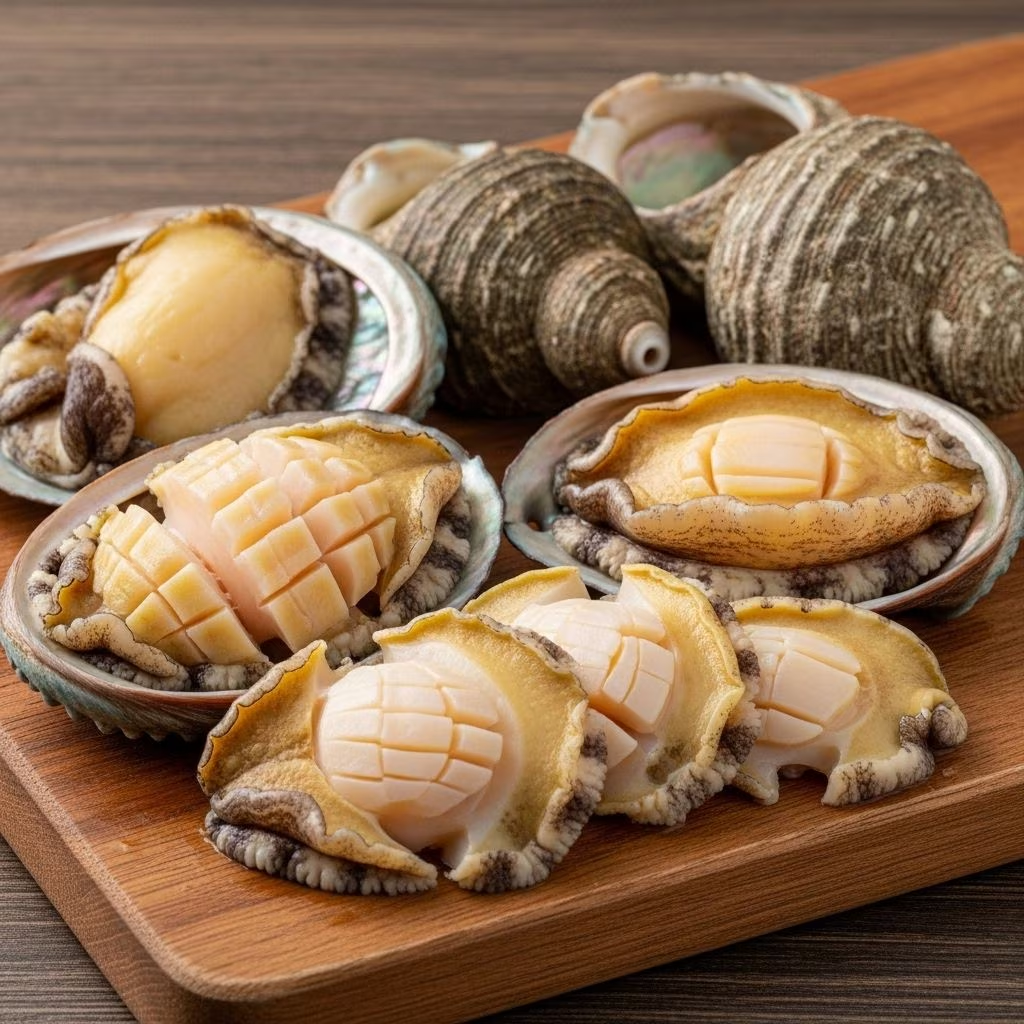
Muttonfish (Abalone): Benefits, Uses, and Taste
Muttonfish, more widely known globally as abalone, is a marine gastropod mollusk celebrated for its vibrant, ear-like shell and its reputation as an ecological and culinary delicacy. With a history steeped in tradition across cultures, abalone is prized not only for its shell’s beauty but for its rich taste and nutritional value. This comprehensive guide explores abalone’s biological features, cultural significance, health benefits, culinary uses, and unique flavor profile.
Introduction to Muttonfish (Abalone)
The marine creature referred to as muttonfish in Australia, and abalone elsewhere, belongs to the genus Haliotis within the mollusk family. Its distinctive, ear-shaped shell and iridescent interior have made it a coveted ornament and a valued seafood in diverse regions worldwide. Other common names include ear shells and sea ears.
Biology and Identification
Abalone are marine gastropods whose shell structure and anatomy set them apart from other sea snails. Key biological features include:
- Shell Shape: Flattened, ear-like with distinctive respiratory holes (known as the selenizone) running along the outer edge.
- Iridescent Interior: The inside is lined with nacre, also called mother-of-pearl, renowned for its vivid iridescence and strength.
- Protective Mechanisms: A strong, muscular foot enables it to adhere tenaciously to rocks, providing defense from predators.
- Epipodium: A sensory organ border with tentacles that help in environmental sensing and navigation.
- Size Variation: Species range from 20mm to 300mm (up to 12 inches) in length, with shape and color varying by species depending on diet and habitat.
Abalone possess a broad aperture and lack an operculum. Their radula (scraping tongue) allows them to graze on algae, reflecting their strictly herbivorous diet.
Habitat and Global Distribution
Abalone inhabit coastal waters across various continents, with species-specific preferences for depth, temperature, and substrate. Key points:
- Typically found on rocky shorelines where kelp and macroalgae are abundant, critical for their feeding and protection.
- Different species cluster in distinct zones: black abalone in surf, greens deeper, pinks in sheltered, and reds in colder areas.
- Australia, New Zealand, Japan, South Africa, and California are renowned for commercial and wild abalone populations.
Ecological Importance
Abalone play a crucial role in marine ecosystems:
- Control algal growth on rocky reefs through their grazing activity.
- Serve as prey for sea otters, starfish, octopuses, and certain fish.
- Abalone shells provide habitat and substrate for a variety of small marine organisms.
- Health of abalone populations indicates ecosystem integrity and ocean health.
Nutritional Value and Health Benefits
| Nutrient | Benefit |
|---|---|
| Protein | High-quality, low-fat protein for tissue repair and muscle growth |
| Omega-3 Fatty Acids | Supports heart health, reduces inflammation |
| Vitamins (A, B12, E) | Vital for immune function, energy metabolism, and cell health |
| Minerals (Iron, Magnesium, Selenium, Calcium, Zinc) | Boosts immunity, supports bone and metabolic health |
Abalone is notably low in fat and calories, with a firm texture and moderate flavor intensity. Its nutrient profile makes it popular among health-conscious consumers seeking lean, sustainable protein sources.
Culinary Uses and Preparation
Abalone has been esteemed for centuries in culinary traditions worldwide, especially in Asia and Oceania. Its uses span:
- Raw: Thinly sliced for sashimi in Japanese cuisine.
- Grilled or Stir-Fried: Quick, high-heat methods that preserve tenderness and flavor.
- Steamed or Braised: Slow preparation methods for soups and banquets, especially in Chinese celebrations.
- Canned: Available preserved for export and retail.
- Shells: Used for serving, jewelry, and decorative art due to the nacreous interior.
When cooking fresh abalone, tenderizing is often necessary due to its dense texture. Flash-cooking methods (such as grilling or sautéing) are preferred to avoid toughness, especially in smaller species.
Flavor Profile: What Does Abalone Taste Like?
The taste of abalone is frequently described as unique and refined, with gourmet status in many cultures. Key characteristics include:
- Mild and sweet ocean flavor: Distinct from other shellfish, abalone has a delicate, slightly briny sweetness akin to scallops, but firmer in texture.
- Buttery finish: High-quality specimens impart a subtle buttery richness alongside their clean sea flavor.
- Texture: Meaty, firm yet tender (when properly prepared), sometimes compared to calamari or snails, with a slight chew.
Flavor intensity varies by species, diet, habitat, and handling. The blacklip abalone (Australia) and red abalone (California) are particularly esteemed for both flavor and mouthfeel.
Cultural Significance and Traditional Practices
Abalone has held symbolic, economic, and nutritional importance across millennia. Highlights by region:
- Asia: Considered a luxury delicacy, abalone is a centerpiece in Chinese New Year banquets and wedding feasts.
- Indigenous Australasian Communities: Known as muttonfish, abalone is central to food, trade, and ceremonial practices.
- Jewelry and Ornamentation: The shell’s iridescence is used in inlays, beads, buttons, and decorative art worldwide.
- Artisan Value: Shells are prized in musical instrument making and for mother-of-pearl manufacturing.
Abalone harvests have shaped coastal economies, culinary traditions, and even spiritual beliefs from Polynesia to North America.
Conservation, Sustainability, and Challenges
Overfishing, habitat loss, climate change, and disease have threatened abalone populations globally. Conservation status varies by species and region:
- Several abalone species are listed as endangered or threatened due to illegal harvesting and ecological disruption.
- Strict regulations govern harvesting methods, especially in Australia and California, to prevent population declines.
- Aquaculture farms have developed sustainable abalone production to supply demand without damaging wild stocks.
- Restoration projects focus on protecting juvenile abalone, restoring kelp forests, and reducing poaching.
Responsible sourcing—buying farmed rather than wild-harvested abalone—and supporting conservation efforts are vital for safeguarding this unique marine resource.
Frequently Asked Questions (FAQs)
Q: Why is abalone called muttonfish?
A: The name “muttonfish” is used in parts of Australia, alluding perhaps to its meaty, firm flesh. In most regions, abalone is the preferred name.
Q: Is abalone safe to eat raw?
A: Yes, abalone can be safely eaten raw (as sashimi or carpaccio) when sourced from clean, regulated suppliers and properly handled. Its mild flavor shines best in minimal preparations.
Q: Which abalone species are most sought after?
A: Blacklip abalone (Haliotis rubra), greenlip abalone (Haliotis laevigata), and red abalone (Haliotis rufescens) are among the most prized for culinary and ornamental purposes.
Q: What threatens abalone populations?
A: Overfishing, illegal harvesting, ocean warming, and disease (e.g., Withering Syndrome) are all significant threats. Conservation programs and farm-raised production are key for sustainability.
Q: How does abalone compare to other seafood?
A: Abalone’s texture is firmer and chewier than oysters, while its flavor is milder and sweeter than clams or mussels. Its nutritional value surpasses many shellfish due to higher protein and mineral content.
Conclusion
Abalone, or muttonfish, is a marine delicacy that bridges the worlds of ecological importance and fine dining. Renowned for its nutritional value, unique taste, and cultural significance, abalone continues to captivate chefs, consumers, and conservationists alike. Whether enjoyed grilled, raw, or steamed, its delicate ocean flavor and rich culinary history ensure it remains a staple in global seafood gastronomy. Sustainable sourcing and protection of natural habitats are essential to preserve this species for future generations.
References
- https://oceaninfo.com/animals/abalone/
- https://en.wikipedia.org/wiki/Abalone
- https://www.wikiwand.com/en/articles/Abalone
- https://dohenystatebeach.org/wp-content/uploads/2013/05/The-Abalone.pdf
- https://www.sydneyfishmarket.com.au/Home/Seafood/Species-Information/List/blacklip-abalone
- https://eatthetable.com/2018/07/31/the-mutton-fishers/
- https://www.montereybayaquarium.org/animals/animals-a-to-z/abalone


