


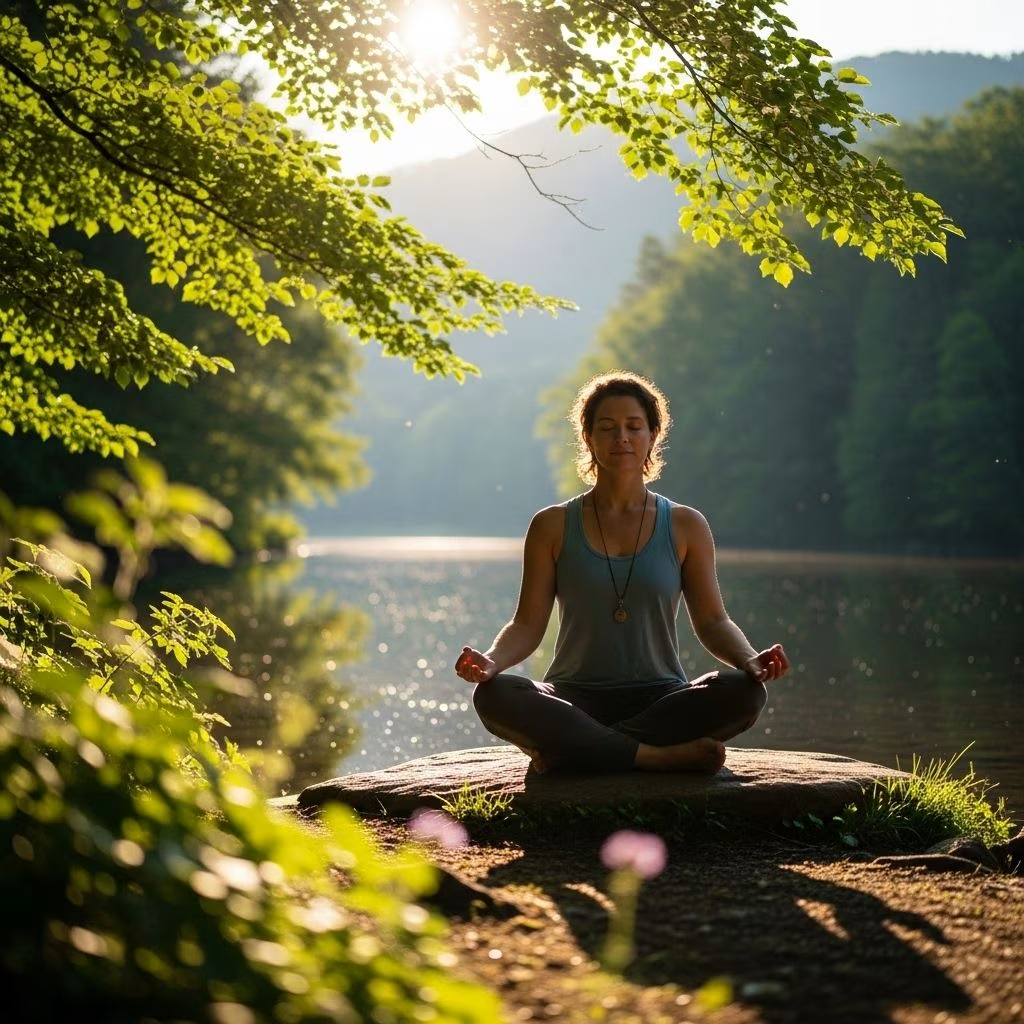
A Natural Approach to Depression: Boosting Mood and Enhancing Well-Being
Millions of people worldwide experience depression, a condition that affects both mind and body. While conventional medication and therapy play crucial roles, there is a growing interest in natural approaches to ease symptoms, boost mood, and support overall well-being. This comprehensive guide explores proven holistic remedies, dietary strategies, lifestyle adjustments, and herbal solutions that may support individuals dealing with mild to moderate depression.
Understanding Depression: More Than Just a Mood
Depression is a complex mental health disorder characterized by persistent feelings of sadness, loss of interest, fatigue, and changes in appetite or sleep. It is important to distinguish between normal low moods and clinical depression, which often requires professional support. Nevertheless, natural strategies can complement standard treatments for many people, especially those with mild to moderate symptoms.
Diet and Nutrition: Foundational Steps for Mental Health
Nutrition plays a pivotal role in mental well-being. Specific dietary patterns and nutrients influence neurotransmitter balance, inflammation, and overall brain function.
Skip Sugary and Refined Foods
- Consuming large amounts of refined sugars and processed carbohydrates causes blood sugar swings, leading to energy crashes and mood instability.
- Studies associate diets high in sugar and low in nutrient density with increased risk of depressive symptoms.
Emphasize Omega-3-Rich Foods
- Eat more fish such as salmon, sardines, cod, and mackerel.
- Plant sources include walnuts, flaxseeds, and pumpkin seeds.
- Omega-3 fatty acids, especially EPA and DHA, are critical for healthy nerves and neurotransmitter function, with some studies citing their potential for easing depressive symptoms.
Boost Vitamin and Mineral Intake
- Focus on veggies high in B vitamins (B6, B12, folic acid), iron, and trace minerals.
- Consider a quality multivitamin if recommended by a healthcare provider.
- Deficiencies in these nutrients can impair neurotransmitter synthesis and increase depression risk.
Stay Hydrated and Mindful of Alcohol and Caffeine
- Alcohol is a known depressant and disrupts brain chemistry.
- Excessive caffeine may heighten anxiety and disrupt sleep, exacerbating mood issues—especially when combined with sugar.
Herbal and Natural Remedies: Nature’s Pharmacy for Mood Support
Certain herbal remedies and natural supplements have garnered attention for their potential to relieve depressive symptoms. However, it’s essential to consult a healthcare provider before beginning any new regimen, as interactions and side effects are possible.
Science-Supported Herbs and Supplements
| Herb/Supplement | Evidence Strength | Considerations/Notes |
|---|---|---|
| St. John’s Wort | Strong (many trials for mild-moderate depression) | Can interact with medications (e.g., SSRIs, birth control, blood thinners); consult a doctor. |
| Saffron | Moderate (comparable to some antidepressants in studies) | Promising results, more large-scale research needed. |
| Lavender | Moderate (relaxation, improved mood in several studies) | May cause drowsiness, potential drug interactions. |
| German Chamomile | Emerging (small studies show benefit for depression & anxiety) | Promising as an adjunct therapy, more research needed. |
| Ginkgo Biloba | Limited (mainly for cognitive symptoms; incidental mood improvement) | May help older adults with depression related to dementia. |
| 5-HTP (5-Hydroxytryptophan) | Mixed (can boost serotonin, some positive trials) | Should not be combined with other antidepressants due to serotonin syndrome risk. |
| Acetyl-L-carnitine, S-Adenosylmethionine (SAMe), Folate | Preliminary (may help specific individuals) | Best used with medical supervision. |
| Phenylalanine (DLPA) | Preliminary (some small studies show symptom reduction) | Available as a supplement; use with caution. |
Other Noteworthy Natural Options
- Passionflower
- Black Cohosh (primarily for menopause symptoms, but may positively affect mood)
- Chasteberry
Each has a unique profile; more research is needed to confirm their effectiveness for depression, but some may be beneficial, especially for individuals not helped by conventional medication.
Cautions and Interactions
- Natural does not always mean safe—herbs and supplements can have adverse effects or interact with prescription drugs.
- Individuals taking antidepressant medications or with complex medical conditions should always seek professional advice before starting new supplements.
Lifestyle and Mind-Body Approaches: Habits That Heal
Lifestyle changes can be powerful adjuncts to other therapies for depression. Addressing physical, emotional, and environmental health provides a foundation for improved mood and resilience.
Exercise the Body, Elevate the Mind
- Regular physical activity, particularly aerobic exercise, has a strong antidepressant effect for many individuals.
- Hatha yoga and gentle movement practices combine exercise with mindfulness, benefiting both mind and body.
Sleep Hygiene: Recharging to Beat the Blues
- Stabilize your sleep schedule: Go to bed and wake up at the same time each day.
- Aim for 7–9 hours of sleep, depending on individual needs.
- Avoid screens and stimulants close to bedtime to improve sleep quality.
Stress Reduction Techniques
- Mindfulness, meditation, and relaxation exercises (such as progressive muscle relaxation) can calm the nervous system and reduce negative thinking cycles.
- Acupuncture, massage therapy, and spending time in nature further support stress relief.
Social Support and Connection
- Connecting with others reduces feelings of isolation and provides emotional reinforcement.
- Volunteering, support groups, or shared activities may boost self-worth and foster belonging.
Emerging Therapies and Integrative Approaches
For those not finding relief with single strategies, combining different natural and conventional approaches within a comprehensive plan may be most effective.
- Repetitive Transcranial Magnetic Stimulation (rTMS): A non-invasive technique using magnetic pulses to stimulate brain activity, especially for individuals who have not found success with medication.
- Traditional Chinese Medicine and Ayurveda: Holistic systems that include herbal remedies, dietary changes, and lifestyle practices to rebalance mood and overall health.
Supplements with Growing Support
- Fish oil: Omega-3 fatty acids, particularly EPA and DHA, appear promising in mood support.
- Zinc: Essential for brain health; deficiency has been linked to depressive symptoms.
Practical Steps to Try Natural Remedies Safely
Want to take a natural approach to managing your mood? Start with simple, sustainable changes and build from there. Here’s a step-by-step guide:
- Evaluate your habits: Track your diet, sleep, and stress for one week.
- Identify one nutrient or lifestyle area to improve. For example, add more vegetables or start a daily walk.
- Introduce changes gradually. Make one adjustment at a time, and give it several weeks before adding another.
- Consult your doctor before starting any new supplements—especially if you take other medications.
- Recognize when to seek professional help. If mood symptoms persist, worsen, or interfere with daily life, consult a mental health professional without delay.
Frequently Asked Questions (FAQs)
Q: Can I rely on natural remedies alone for depression?
A: While natural supplements and lifestyle interventions may significantly help some people with mild to moderate depression, they are not substitutes for professional evaluation and care. For major depression, a combination of therapies—sometimes including medication and counseling—is often necessary.
Q: Are herbal antidepressants safe?
A: Even natural remedies can carry risks, including potential interactions with prescribed medicine and unexpected side effects. It is always best to consult a healthcare provider before using herbal or dietary supplements, particularly if you are taking other drugs or have preexisting conditions.
Q: Which herbal supplement has the most research support?
A: St. John’s Wort is the most extensively studied herbal remedy for depressive symptoms, especially mild to moderate cases. However, it can interact with many medications and may not be suitable for everyone.
Q: What if natural therapies aren’t working for me?
A: If your symptoms are not improving—or are worsening—despite making natural changes, reach out to a mental health professional. A tailored treatment approach may include medication, therapy, and adjustments to lifestyle for optimal support.
Q: How quickly can I expect to see results with natural strategies?
A: Changes in mood generally occur gradually. Some people may feel improvement within a few weeks of dietary or lifestyle changes, while herbal supplements may also take several weeks. Patience and consistency are crucial.
Summary Table: Top Natural Approaches for Depression
| Approach | Main Benefit | Considerations |
|---|---|---|
| Diet improvement (vegetables, omega-3s, reduce sugar) | Supports brain health and mood stability | Best as part of a holistic program; may need supplements if deficient |
| Exercise (aerobic, yoga) | Boosts endorphins, decreases stress hormones | Consistency is key; start slowly and increase gradually |
| Herbs (St. John’s Wort, saffron, lavender, chamomile, ginkgo) | May relieve symptoms of mild to moderate depression | Interactions and side effects possible; consult with a provider |
| Supplements (B vitamins, zinc, folate, omega-3) | Fill nutritional gaps critical to neurotransmitter function | Test for deficiencies before supplementing; avoid megadoses |
| Mind-body therapies (meditation, acupuncture, massage) | Reduces stress and promotes emotional balance | View as supportive, not primary, treatment for depression |
| Social connection and support | Decreases isolation, increases positive engagement | May require reaching out beyond comfort zone |
Final Thoughts: Empowerment Through Natural Choices
A natural approach to depression involves multiple strategies, including eating a balanced diet, supplementing wisely, embracing herbal remedies judiciously, prioritizing movement and sleep, and seeking connection and support. These methods are best thought of as complements—not alternatives—to professional mental health care. With careful choices and the guidance of healthcare professionals, individuals can build a personalized plan for a brighter, healthier mood and improved quality of life.
References
- https://www.ebsco.com/research-starters/complementary-and-alternative-medicine/natural-treatments-mild-moderate
- https://www.piedmont.org/living-real-change/10-ways-to-fight-depression-%E2%80%93-naturally
- https://www.medicalnewstoday.com/articles/314421
- https://pmc.ncbi.nlm.nih.gov/articles/PMC5938102/
- https://www.mayoclinic.org/diseases-conditions/depression/expert-answers/natural-remedies-for-depression/faq-20058026
- https://www.samhsa.gov
- https://my.clevelandclinic.org/health/treatments/natural-antidepressants
- https://pmc.ncbi.nlm.nih.gov/articles/PMC6519573/
- https://intermountainhealthcare.org/blogs/7-ways-to-overcome-depression-without-medication


