


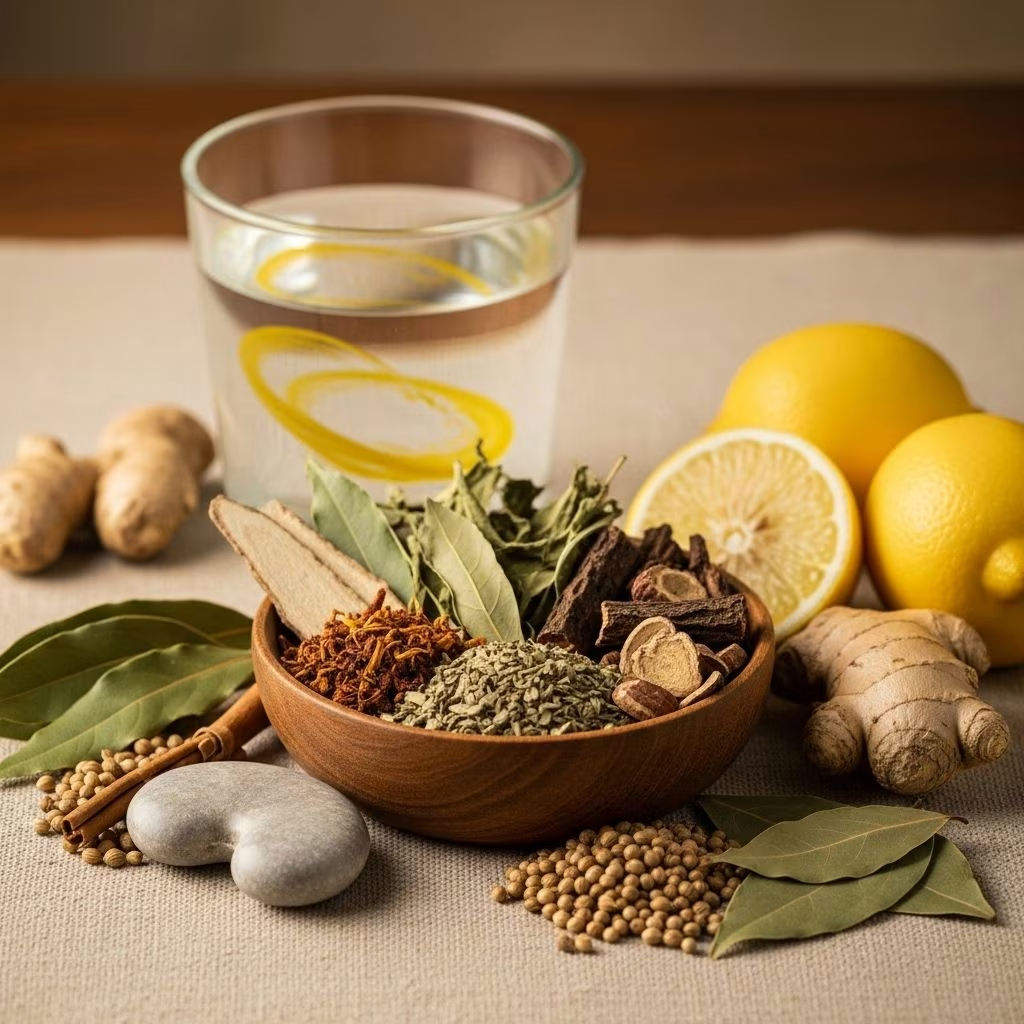
Understanding Nerve Pain: Overview and Causes
Nerve pain—also called neuropathic pain—can be debilitating, affecting quality of life for millions globally. Unlike ordinary pain, nerve pain stems from dysfunction or damage to nerves, often resulting in persistent tingling, burning, shooting, or stabbing sensations. Common causes include diabetes, physical trauma, infections, autoimmune disorders, and exposure to toxins. While pharmaceutical treatments exist, many individuals seek natural ways to relieve nerve pain due to concerns over side effects, incomplete relief, and the desire for holistic management.
Natural Therapeutic Approaches for Nerve Pain
A multi-faceted, natural approach combining herbal medicine, nutrition, physical therapies, and mind-body practices can offer powerful relief from nerve pain and support long-term nerve health. Below, we explore evidence-based, holistic strategies spanning these areas.
Herbal Remedies and Plant-Based Therapies
- Turmeric (Curcuma longa): Contains curcumin, a potent anti-inflammatory and antioxidant. Studies find turmeric helps reduce inflammation and pain in neuropathic disorders.
- Cayenne Pepper (Capsicum annuum): The active component, capsaicin, is well-known for its ability to reduce pain signals by desensitizing nerve receptors. Topical creams containing capsaicin are especially effective for localized nerve pain.
- Black Cumin (Nigella sativa): Used traditionally for neuropathy, black cumin’s anti-inflammatory capacity supports pain relief.
- Tarragon (Artemisia dracunculus): Known for both culinary and medicinal qualities, tarragon may aid in reducing pain and inflammation.
- Holy Basil (Ocimum sanctum): Recent research highlights holy basil’s neuroprotective and stress-reducing properties.
- Sage (Salvia officinalis) and Rosemary (Rosmarinus officinalis): These herbs exhibit anti-inflammatory and analgesic qualities that may help with nerve pain.
- Ginger Root (Zingiber officinale): Ginger’s anti-inflammatory compounds such as gingerols and shogaols alleviate pain and protect against nerve damage.
- St. John’s Wort: Traditionally used to address neuralgic pain and sciatica by modulating neurotransmitter activity.
- Ginkgo Biloba: Enhances blood flow to nerves and supports nerve function.
Table: Key Herbal Remedies for Nerve Pain Relief
| Herb | Main Properties | Common Use |
|---|---|---|
| Turmeric | Anti-inflammatory, Antioxidant | Capsules, teas, culinary spice |
| Cayenne Pepper | Desensitizes nerve signals | Topical cream, ointment |
| Black Cumin | Anti-inflammatory | Oil, supplement |
| Holy Basil | Neuroprotective, Adaptogenic | Teas, extract |
| Ginger Root | Antioxidant, Anti-inflammatory | Tea, culinary, capsules |
| St. John’s Wort | Modulates neurotransmitters | Capsule, tincture |
| Ginkgo Biloba | Improves circulation | Capsule, extract |
Essential Oils: Aromatic Relief for Neuropathic Pain
Essential oils derived from various plants may offer relief from nerve pain due to their anti-inflammatory and analgesic effects. Massage with essential oils stimulates blood flow, soothes nerves, and provides relaxation. Some notable choices include:
- Eucalyptus: Reduces pain and inflammation, promotes circulation.
- Lavender: Promotes relaxation, alleviates pain and sleep issues.
- Bergamot: May help with neuropathic pain syndromes.
- Nutmeg: Exhibits anti-inflammatory effects in topical use.
- Geranium Oil: Shown to reduce pain when incorporated into body massage.
Safety tip: Always dilute essential oils in a carrier oil (e.g., olive oil) before skin application.
Nutritional Strategies: Foods to Support Nerve Health
Nutrient-rich foods and diet adjustments can substantially impact nerve health and pain levels. Key dietary targets include:
- Vitamin B12: Essential for nerve repair and function. Found abundantly in fish, eggs, dairy, and fortified cereals.
- Omega-3 Fatty Acids: Present in fatty fish like salmon, walnuts, and flaxseeds; support nerve regeneration and reduce inflammation.
- Antioxidants: Berries, leafy greens, nuts, and seeds help prevent oxidative damage to nerves.
- Magnesium and Zinc: Critical minerals for nerve transmission and protection.
Beneficial Plant-Based Foods for Nerve Pain
- Leafy Greens: High in antioxidants and B vitamins.
- Berries: Rich in polyphenols that combat inflammation.
- Nuts and Seeds: Source of healthy fats and magnesium.
- Spices (e.g., turmeric, ginger): Both anti-inflammatory and antioxidant properties.
Lifestyle & Physical Therapies for Nerve Pain Relief
Physical Activity and Blood Sugar Management
- Regular Exercise: Promotes blood flow to peripheral nerves, triggers release of natural painkillers (endorphins), and supports vessel health.
- Blood Sugar Control: For diabetics, stable blood sugar is essential to prevent further nerve damage.
- Foot Care: Inspect feet daily, wear well-fitting shoes, and treat minor injuries promptly to avoid complications if nerve pain affects the feet.
Topical Therapies
- Soaking in Warm Water: Soothes nerves, increases blood circulation, and reduces stress.
- Capsaicin Cream: Produces warming sensation and gradually reduces pain; improvement often seen after several weeks of consistent use.
- Anesthetic Gels/Ointments: Provide temporary pain relief for targeted areas.
- Massage Therapy: Deep tissue, myofascial release, or gentle massage with oils can reduce pain and encourage nerve healing.
Limiting Nerve Toxins & Improving Sleep
- Limit Alcohol Intake: Alcohol is neurotoxic and worsens nerve pain; moderation is crucial.
- Sleep Hygiene: Pain often intensifies at night; maintain consistent sleep schedule and limit caffeine late in the day for restorative sleep.
Mind-Body Techniques for Enhanced Nerve Pain Management
Emotional stress can amplify perceptions of pain. Mind-body approaches support nervous system health and overall well-being.
- Meditation: Reduces anxiety, improves pain tolerance, and fosters relaxation.
- Yoga and Tai Chi: Boost flexibility, circulation, and stress resilience; shown to have pain-relieving effects.
- Biofeedback & Hypnosis: Some people achieve better pain control using these relaxation techniques.
Advanced Holistic Therapies
Low-Level Laser Therapy (LLLT)
Also known as cold laser therapy, LLLT uses specific wavelengths of light to stimulate tissue repair, reduce inflammation, and manage nerve pain—without surgery or drugs.
Comprehensive Approach: Combining Natural Therapies for Nerve Healing
Long-term nerve health requires a comprehensive, consistent approach. Combining herbal remedies, dietary improvements, physical therapies, and mind-body practices addresses both immediate symptom relief and underlying causes. Individual results will vary, and it is important to consult a healthcare provider before beginning any new regimen.
Frequently Asked Questions (FAQs)
Q: What are the best herbal remedies for nerve pain?
A: Turmeric, cayenne pepper (capsaicin), ginger, St. John’s Wort, Holy Basil, and Ginkgo Biloba are among the most researched herbs for neuropathic pain relief.
Q: Can certain foods worsen nerve pain?
A: Yes. Diets high in refined sugars, saturated fats, and excessive alcohol consumption can worsen inflammation and nerve symptoms. Favoring whole, nutrient-dense foods supports nerve health.
Q: Is topical capsaicin cream safe?
A: Topical capsaicin creams are safe when used as directed; initial burning or warming may occur but usually diminishes over time. Avoid contact with eyes or broken skin.
Q: What lifestyle changes are most effective for relieving nerve pain?
A: Regular exercise, controlling blood sugar, practicing good sleep hygiene, stress management, and foot care (for diabetics) provide significant improvement.
Q: Should I consult my doctor before trying herbal or natural remedies?
A: Absolutely. Always speak to your physician before beginning herbal remedies—especially if you take medications or have existing medical conditions—to prevent interactions or side effects.
Quick Reference: Do’s and Don’ts for Natural Nerve Pain Relief
- Do:
- Eat a nutrient-rich diet with plenty of antioxidants and healthy fats.
- Stay physically active within comfortable limits.
- Use herbal and topical remedies as appropriate.
- Try mind-body practices for stress and pain management.
- Consult your physician regularly for monitoring and advice.
- Don’t:
- Neglect foot care (especially in diabetes).
- Consume excess alcohol or processed sugars.
- Ignore persistent or worsening pain symptoms—seek medical advice promptly.
Conclusion: Toward Lasting Relief and Nerve Health
Natural treatments for nerve pain—encompassing herbs, nutritional interventions, lifestyle modifications, and holistic therapies—offer promising relief for many sufferers. Integrating these evidence-based strategies under professional guidance can improve quality of life and promote sustainable nerve health.
References
- https://www.webmd.com/pain-management/nonprescription-treatments-nerve-pain
- https://pmc.ncbi.nlm.nih.gov/articles/PMC5960749/
- https://www.healthline.com/health/peripheral-neuropathy-natural-treatments
- https://lluh.org/services/neuropathic-therapy-center/blog/six-great-plant-based-foods-fight-nerve-pain
- https://www.vinmec.com/eng/blog/home-remedies-for-neuralgia-en
- https://www.youtube.com/watch?v=clbpGLcg_dM
- https://www.nhs.uk/conditions/peripheral-neuropathy/treatment/
- https://lyphe.com/natural-remedies-for-nerve-pain
- https://www.rxwellness.net/natural-therapies-for-nerve-damage-a-guide-guide-to-holistic-healing-solutions/


