


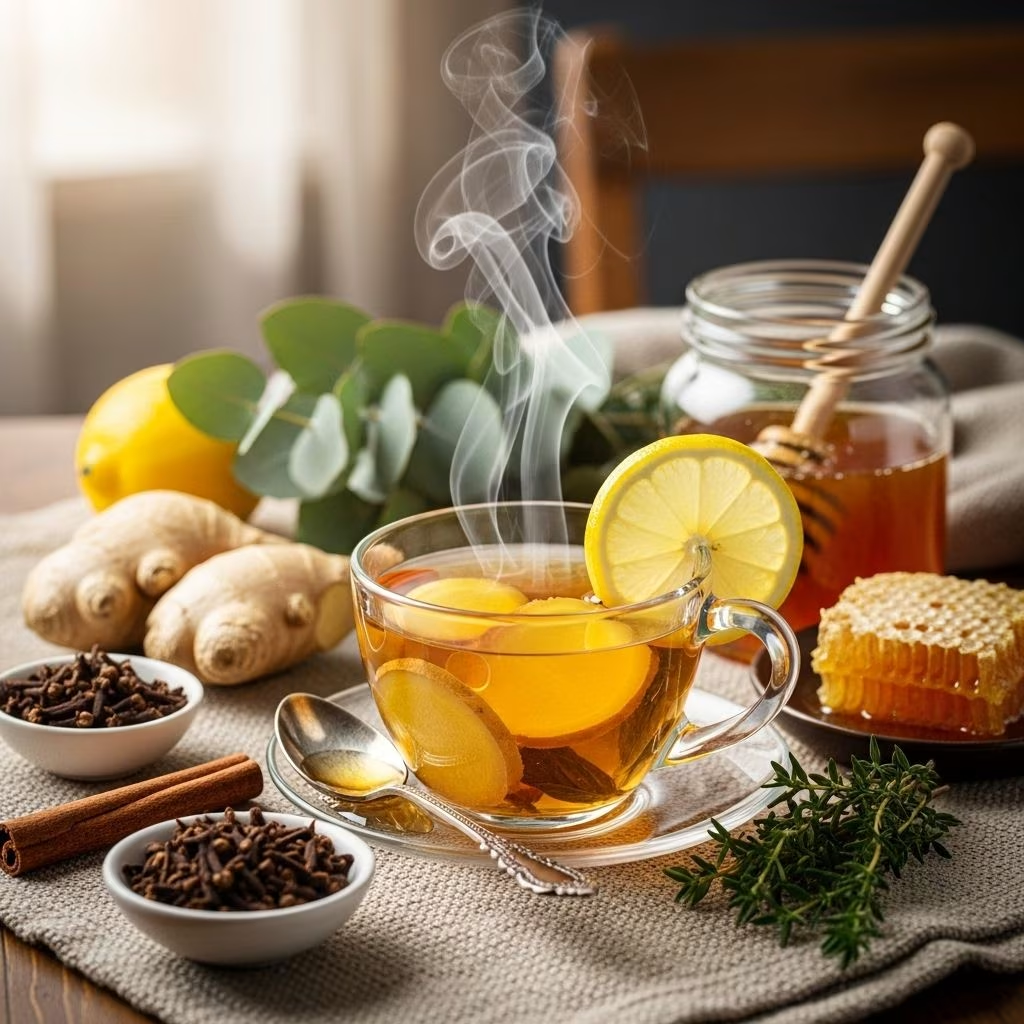
Natural Cold Remedies: Soothe, Support, and Recover
The common cold is an unwelcome visitor, causing symptoms like a runny nose, congestion, sore throat, and fatigue. While there’s no instant cure, a range of gentle, natural remedies can help manage discomfort and support your body’s recovery. This comprehensive guide explores trusted natural solutions, when to use them, and when to seek professional advice.
Why Choose Natural Cold Remedies?
Many people turn to natural cold remedies for gentle symptom relief and to limit reliance on over-the-counter medications. Nature offers a variety of time-tested methods, from herbal teas to nourishing foods and steam, which can:
- Soothe throat irritation
- Reduce coughing
- Ease congestion
- Enhance hydration
- Support your immune system
These remedies focus on supporting your body as it heals, offering comfort without the side effects sometimes associated with medications.
Soothing Sore Throats and Coughs
Sore throats are among the earliest and most persistent cold symptoms. Give your throat — and your cough — gentle natural relief with these approaches:
Honey
- Natural cough suppressant: Honey coats the throat and calms the urge to cough, making it especially effective at night.
- How to use: Stir a teaspoon of honey into warm tea or take it plain. Avoid honey in children under one year due to the risk of infant botulism.
Saltwater Gargle
- Simple remedy: Dissolve half a teaspoon of salt in a glass of warm water, gargle several times daily. It helps reduce throat inflammation and flushes out irritants.
Herbal Teas
- Peppermint tea: The menthol in peppermint acts as a natural decongestant, soothing the throat and clearing nasal passages.
- Chamomile tea: Known for anti-inflammatory and soothing properties.
- Ginger tea: Ginger contains compounds that may help reduce throat inflammation and alleviate mild pain.
- Echinacea tea: Popular for its reported immune-boosting effects.
Relieving Congestion
Cold-induced congestion can make breathing difficult and disrupt sleep. Natural remedies to help loosen mucus and open your airways include:
Steam Inhalation
- Classic method: Lean over a bowl of steaming hot water with a towel over your head to trap the vapor. Breathe deeply for 5-10 minutes.
- Boost it: Add a few drops of eucalyptus or peppermint essential oil for an added decongestant effect.
Warm Moisture
- Humidifiers or vaporizers add moisture to dry indoor air, which helps soothe inflamed respiratory passages and thin out mucus.
Warm Compress
- For sinus pain: Place a warm, damp washcloth over the nose and cheeks. The heat may help relieve discomfort and swelling.
Boosting the Immune System
While no remedy guarantees prevention or a cure, supporting your immune system can help your body fight off viruses more efficiently. Key natural immune supporters include:
| Remedy | Main Benefit | How to Use | Evidence Summary |
|---|---|---|---|
| Garlic | Antimicrobial, may reduce severity/duration | Add to meals, soups, teas | Some evidence for reduction in cold symptoms; more research needed |
| Echinacea | May support immune response | Tea or supplement (consult a doctor if you have allergies/autoimmune condition) | Possible benefit for prevention, limited effect on symptom duration |
| Vitamin C | Antioxidant, immune support | Eat citrus fruits, berries, greens; optional supplements | May slightly shorten cold duration, unlikely to prevent colds |
| Zinc | May reduce cold length/severity when taken at symptom onset | Lozenges or as part of a balanced diet (nuts, meat, seeds) | Best evidence among supplements, but high doses can cause side effects |
| Probiotics | Gut health, possibly immune support | Yogurt, kefir, supplements | Some evidence for prevention, less for treating colds |
Always follow recommended dosages for any supplement and consult your healthcare provider about potential interactions if you take other medications.
Comfort Foods and Drinks
Calming foods and beverages can nourish your body and provide relief during a cold:
- Chicken Soup:
- Not just a comforting tradition, chicken soup soothes the throat, helps keep you hydrated, and its warm vapor may improve nasal airflow.
- The nutrients from chicken and vegetables offer immune support and promote faster recovery.
- Hot Broth and Herbal Teas:
- Keep you hydrated, loosen mucus, and soothe irritated tissue in your throat and nasal passages.
- Fresh Fruits and Vegetables:
- Citrus, kiwis, strawberries, peppers, and leafy greens are rich in vitamin C and antioxidants.
- Ginger:
- Can relieve nausea and may have anti-inflammatory effects. Try adding fresh ginger to drinks or soups.
Staying hydrated is key. Drink water, broth, or herbal teas throughout the day, and avoid excess caffeine or alcohol, which can be dehydrating.
Healthy Habits for Recovery
In addition to specific remedies, your body will recover faster and better with:
- Rest: Give your body the downtime it needs to fight the infection.
- Good nutrition: Choose nutrient-dense foods for optimal immune support.
- Humidity: Keep indoor air moist to soothe irritated passages; use a humidifier if necessary.
- Proper nose blowing: Blow gently, one nostril at a time, to avoid irritating delicate nasal tissues.
If you have a fever, chills, or more severe symptoms, it’s especially important to rest, hydrate, and monitor your condition closely.
What Really Helps? Scientific Insights
Scientific evidence supports some—but not all—popular cold remedies. Here is an overview based on current research:
- Honey: Shown to reduce coughing and improve sleep quality for children and adults (but not for babies under one year).
- Chicken soup: May inhibit movement of neutrophils (immune cells involved in inflammation), which helps ease symptoms.
- Saltwater gargle: Reduces throat discomfort and swelling.
- Zinc: When taken within 24 hours of symptom onset, can shorten the duration of colds; avoid excessive doses.
- Vitamin C: May slightly reduce symptom duration, but does not prevent colds for most people.
- Garlic: Some evidence for immune-enhancing and mild antiviral benefits.
- Echinacea: Possible benefit for prevention, but mixed results for shortening illness.
- Probiotics: May reduce the number of upper respiratory infections in some populations.
No home remedy can “cure” a cold, but many provide symptom relief during your body’s natural recovery process.
When to See a Doctor
Most colds resolve on their own within 7–10 days, but sometimes complications arise. Seek medical attention if you experience:
- Symptoms lasting longer than 10 days or worsening over time
- High fever that persists or returns
- Shortness of breath, chest pain, or rapid heartbeat
- Severe headache, confusion, or faintness
- Symptoms in young children, elderly adults, or those with chronic health conditions that concern you
If you have any doubts about your symptoms, consult your healthcare provider for guidance.
Frequently Asked Questions (FAQs)
Q: Can natural remedies cure a cold?
A: No, natural remedies do not cure colds. They offer supportive care to relieve symptoms and may assist your body’s defenses as you recover.
Q: Which teas help most with cold symptoms?
A: Teas made with ginger, peppermint, chamomile, and echinacea are popular for soothing sore throats, reducing congestion, and providing relaxation.
Q: Does vitamin C prevent colds?
A: For most people, vitamin C does not prevent colds, but it might slightly reduce the duration and severity if taken regularly in the diet.
Q: When should I see a doctor during a cold?
A: Seek medical attention if symptoms persist beyond ten days, worsen, or if you have trouble breathing, high fever, confusion, chest pain, or symptoms in vulnerable populations.
Q: Are natural cold remedies safe for children?
A: Many remedies, such as warm drinks and steam, can be used with children, but honey is not safe for infants under one year old. Always check with a pediatrician before giving supplements or herbs.
Key Takeaways
- No single remedy can cure a cold, but natural methods can significantly ease discomfort and help support recovery.
- Focus on hydration, soothing remedies for throat and chest, immune-boosting foods, and plenty of rest.
- Consult a healthcare provider if symptoms become severe or do not improve.
Disclaimer: The information in this guide is intended for educational purposes only and should not replace medical advice from your healthcare provider.
References
- https://chinesehospital-sf.org/natural-cold-remedies-to-soothe-your-symptoms/
- https://avivaromm.com/natural-cold-and-flu-busters/
- https://www.healthline.com/health/cold-flu/home-remedies
- https://www.elliothospital.org/about-us/newsroom/news/cold-and-flu-home-remedies-natural-treatments-and-when-seek-help-virtualer
- https://www.mayoclinic.org/diseases-conditions/common-cold/in-depth/cold-remedies/art-20046403
- https://www.webmd.com/cold-and-flu/14-tips-prevent-colds-flu-1
- https://www.nccih.nih.gov/health/tips/tips-natural-products-for-the-flu-and-colds-what-does-the-science-say
- https://www.health.harvard.edu/blog/preventing-and-treating-colds-the-evidence-and-the-anecdotes-2017011210972
- https://health.clevelandclinic.org/how-to-get-rid-of-a-cold


