


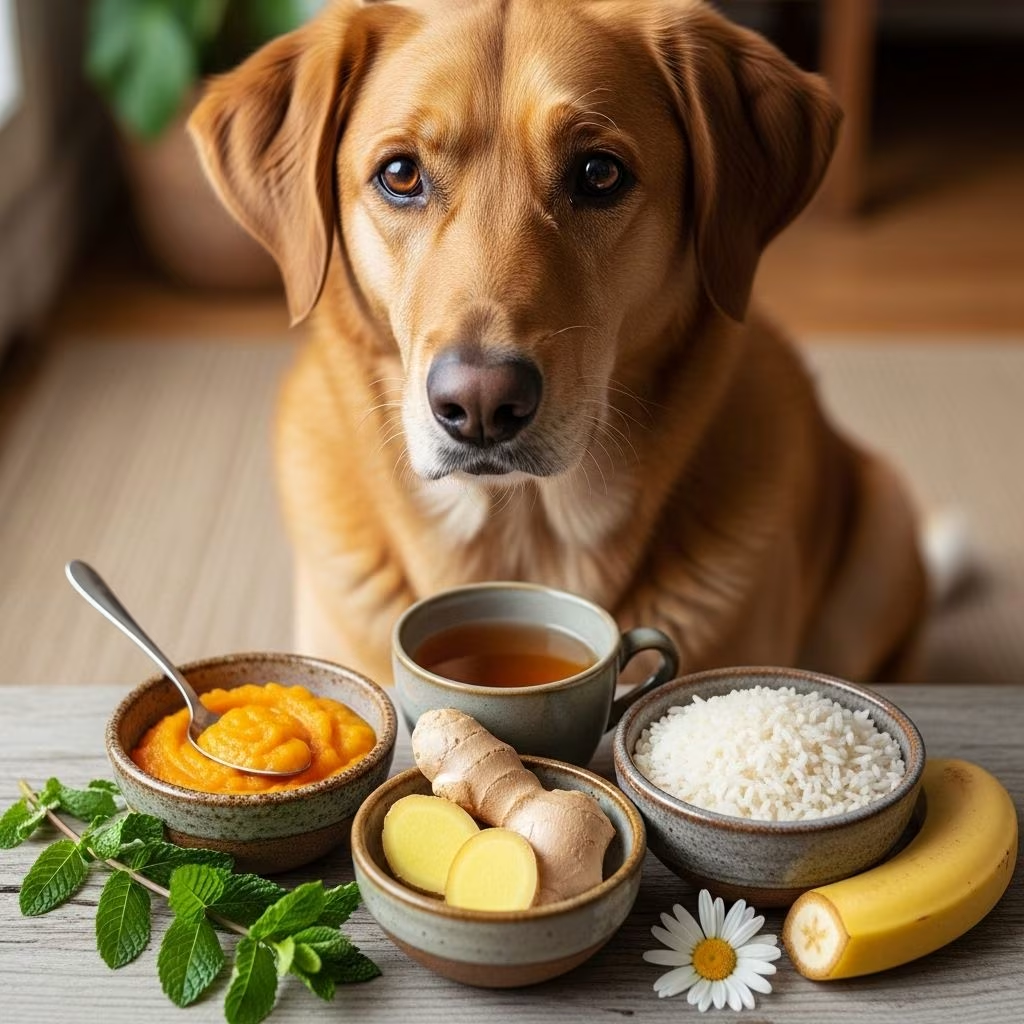
Natural Dog Vomiting Remedies: Home Solutions for Your Pet’s Health
Vomiting in dogs can be distressing for both pets and owners. Fortunately, many mild vomiting episodes can be managed at home using safe, natural remedies and dietary adjustments. This comprehensive guide will help you understand why your dog may be vomiting, how to recognize when veterinary care is necessary, and what natural remedies you can use to support your dog’s recovery and digestive health.
Understanding Dog Vomiting: Causes and Types
Not all vomiting is the same, and understanding the underlying cause is essential to proper care. Vomiting can range from a minor, self-limiting issue to a symptom of a more serious medical condition. Here are some common causes:
- Dietary indiscretion (eating garbage or spoiled food)
- Sudden change in diet or food intolerance
- Viral or bacterial infections
- Ingestion of toxins or foreign objects
- Parasites or worms
- Stress or anxiety
- Chronic conditions such as kidney or liver disease, pancreatitis, or diabetes
Vomiting itself can be acute (sudden and temporary) or chronic (persisting over days or recurring frequently). Acute, mild vomiting is more amenable to home and natural remedies, whereas chronic or severe cases require veterinary assessment.
When is Vomiting an Emergency?
Immediate veterinary attention is needed if your dog experiences:
- Repeated vomiting for more than 24 hours
- Vomiting accompanied by lethargy, weakness, or collapse
- Blood in vomit or stool
- Severe abdominal pain or bloating
- Signs of dehydration (dry gums, sunken eyes, loss of skin elasticity)
- Persistent refusal to eat or drink
- Vomiting after ingesting toxins, medication, or foreign objects
If in doubt, consult your veterinarian before initiating home treatment.
Initial Steps: What to Do When Your Dog Vomits
- Withhold food for 6–12 hours (adult dogs only; do not fast puppies).
- Offer small amounts of water or ice chips to avoid dehydration.
- Monitor your dog’s general condition and symptoms closely during this period.
- If vomiting subsides, reintroduce a bland diet as described below.
Fasting gives your dog’s digestive system time to recover. However, extended refusal to eat, ongoing vomiting, or additional symptoms warrant immediate veterinary advice.
Natural and Home Remedies for Dog Vomiting
Once your dog is stabilized and not exhibiting emergency signs, the following natural remedies can help soothe nausea and support digestive recovery. Always check with your veterinarian before starting new remedies—especially if your dog is on medication or has existing health issues.
1. Ginger
Ginger is widely recognized for its anti-nausea and anti-inflammatory properties. It can soothe the stomach, decrease motion sickness, and reduce gastric discomfort in dogs.
- Give 1/4 to 1/2 teaspoon of fresh, grated or powdered ginger mixed into food for small to medium dogs. For tea, infuse 1 tablespoon of fresh ginger root in 1 cup boiling water for 10–15 minutes, cool, and dose 1 teaspoon per 15 lbs of body weight.
- Start with a conservative dose to avoid further irritation.
2. White Rice & Boiled Chicken (Bland Diet)
The classic bland diet of plain white rice (cooked without seasoning) and boiled, skinless chicken is frequently recommended for dogs with vomiting and upset stomach.
- Small portions of rice and chicken soothe the stomach and provide easy-to-digest nutrition.
- Feed small meals every few hours instead of large portions.
- Other options include boiled turkey or fish and low-fat cottage cheese.
3. Coconut Oil
Coconut oil provides gentle anti-inflammatory and digestive support, helping to calm mild gastric irritation and positively support the gut, especially if the intestinal flora has been disrupted.
- Start with 1/4 to 1/2 teaspoon mixed with food for small dogs; increase slightly for larger dogs.
- Introduce gradually; discontinue if diarrhea or worsening symptoms occur.
4. Chamomile
Chamomile tea has mild anti-inflammatory and anti-spasmodic effects, helping to relax the gastrointestinal tract and ease discomfort.
- Steep a chamomile tea bag in hot water, cool it, and offer 1–2 tablespoons for medium dogs 1–2 times a day.
- Chamomile can also relieve stress, which sometimes exacerbates digestive upset.
5. Peppermint & Fennel (Additional Herbal Options)
- Peppermint tea (1 tablespoon leaves per cup, cooled) can calm spasms and reduce nausea. Use 1 teaspoon per 15 lbs of body weight.
- Fennel supports digestion, especially in dogs struggling to regulate temperature or prone to bloating. Use 1 teaspoon ground seeds steeped in 1 cup hot water and given similarly.
6. Activated Charcoal
Activated charcoal is a potent adsorbent that traps toxins and irritants in the digestive tract, reducing further absorption.
- Use only under veterinary direction, especially if poisoning is suspected.
- Available in powder or tablet form but dosage and administration are critical to avoid side effects.
7. Digestive Enzymes
Supplementing with digestive enzymes helps break down foods and may be beneficial after vomiting episodes, supporting full digestive restoration especially when paired with probiotics.
- Available as powder or tablets. Add to food based on the product’s instructions and your vet’s guidance.
8. Probiotics
Probiotics introduce billions of beneficial bacteria to help restore normal gut flora, critical after vomiting or digestive upset.
- Available in powder, capsule, or tablet forms designed specifically for dogs.
- Consult your veterinarian for appropriate brands and dosing, particularly after illness or antibiotics.
9. Hydration and Electrolytes
Hydration is essential, as vomiting can quickly lead to dangerous dehydration and electrolyte imbalance.
- Encourage your dog to drink cool, fresh water.
- Oral rehydration solutions (like diluted, unflavored Pedialyte) can be given in small quantities, but only with veterinary approval.
- Signs of dehydration include tacky or dry gums, loss of skin elasticity, sunken eyes, and lethargy.
Additional Home Care and Lifestyle Adjustments
Beyond remedies, certain care strategies can further support your dog’s recovery and prevent future vomiting episodes.
- Rest the Digestive Tract: Withhold solid food for 6–12 hours (no fasting for puppies). Let the gut settle before slowly reintroducing bland food.
- Feed Small, Frequent Meals: Once your dog is ready for food, offer several small meals throughout the day rather than two large meals.
- Avoid Fatty, Spicy, or Rich Foods: Temporarily exclude human food, snacks, and anything outside the bland diet until symptoms resolve.
- Keep Your Dog Calm: Limit stress, excitement, and strenuous exercise during recovery.
- Monitor the Stool: Notice changes in color, consistency, or frequency that could indicate internal issues.
Foods and Remedies to Avoid
- Do not administer human medication (such as Pepto-Bismol or anti-nausea tablets) unless prescribed by your veterinarian.
- Avoid dairy, fatty meats, and table scraps during digestive recovery.
- Never induce vomiting at home unless instructed by a veterinarian, as improper methods (like inappropriate use of hydrogen peroxide) can worsen injury.
Table: Natural Remedies and Their Uses
| Remedy | Primary Use | Form/Dosage | Special Considerations |
|---|---|---|---|
| Ginger | Anti-nausea, anti-inflammatory | 1/4–1/2 tsp grated or 1 tsp/15 lbs as tea | Monitor for reactions, start small |
| Rice & Boiled Chicken | Bland diet, easy digestion | Several small meals per day | Introduce slowly, no seasoning |
| Coconut Oil | Soothes GI tract, reduces irritation | 1/4–1/2 tsp; increase for large dogs | Discontinue if diarrhea |
| Chamomile | Reduces GI inflammation, calms | 1–2 tbsp brewed/cool tea | Combine with bland diet |
| Peppermint & Fennel | Antispasmodic, calm digestion | 1 tsp/15 lbs as tea | Do not overdose |
| Activated Charcoal | Toxin/chemical absorption | Vet-directed only | Incorrect use can be harmful |
| Digestive Enzymes/Probiotics | Restore gut flora, aid digestion | As directed by label/vet | Dog-specific products recommended |
| Hydration/Electrolytes | Prevent dehydration | Fresh water, diluted Pedialyte | Vet advice for electrolyte use |
When to Consult the Veterinarian
Prompt veterinary attention is crucial when:
- Vomiting is persistent or severe (lasts more than 24 hours)
- Blood is noticed in vomit or stool
- Your dog acts lethargic, weak, or unresponsive
- Symptoms of dehydration or pain emerge
- Toxin or foreign body consumption is suspected
Keep a log of your dog’s vomiting episodes, symptoms, dietary changes, and remedies tried, as this will help your veterinarian accurately diagnose and treat your pet.
Prevention: Long-Term Digestive Health Tips
- Feed a consistent, high-quality diet suitable for your dog’s age and health.
- Introduce new foods gradually to prevent gastrointestinal upset.
- Keep garbage, table scraps, and toxins out of reach.
- Ensure routine wellness checks and regular deworming.
- Reduce stress by providing a calm environment and regular exercise.
Frequently Asked Questions (FAQs)
Q: Is it safe to treat my dog’s vomiting at home?
A: Mild, short-term vomiting without other symptoms can often be managed at home, but always watch for warning signs and consult your vet if in doubt.
Q: How long should I wait before feeding my dog after vomiting?
A: Wait 6–12 hours before offering bland food to adult dogs. Never fast puppies; consult your vet for young dogs.
Q: What’s the best bland diet for dogs recovering from vomiting?
A: Plain, cooked white rice and boiled, skinless chicken are most common. Low-fat cottage cheese or cooked turkey breast also work well.
Q: Which natural anti-nausea herbs are safe for dogs?
A: Ginger, chamomile, peppermint, and fennel, in appropriate amounts, are generally safe; always start with small doses and check for adverse reactions.
Q: Is it necessary to give my dog probiotics after vomiting?
A: Probiotics can help restore healthy gut flora after digestive upset or illness, but consult your veterinarian for proper product selection and dosing.
Key Takeaways for Natural Dog Vomiting Remedies
- Most mild vomiting can be managed at home using natural remedies and dietary adjustments.
- Monitor closely for signs of dehydration, worsening symptoms, or emergencies.
- Always consult your veterinarian if you are concerned about your dog’s health or if symptoms persist.
References
- https://www.homeoanimo.com/en/blogs/animal-health/vomiting-dog-natural-remedies
- https://www.dogsnaturallymagazine.com/is-your-dog-vomiting-heres-how-to-manage-it/
- https://www.goodrx.com/pet-health/dog/what-to-give-a-dog-for-upset-stomach-and-vomiting
- https://thevets.com/resources/pet-health-care/vets-discuss-home-treatment-for-dogs-vomiting-bile/
- https://wagwalking.com/wellness/natural-remedies-for-dog-vomiting
- https://pethelpful.com/dogs/home-remedies-for-vomitng-dogs
- https://gsvs.org/blog/dog-throw-up-urgent-steps/
- https://www.petmd.com/dog/general-health/home-remedies-for-dogs
- https://www.bemidjivethospital.com/blog/inducing-vomiting/


