


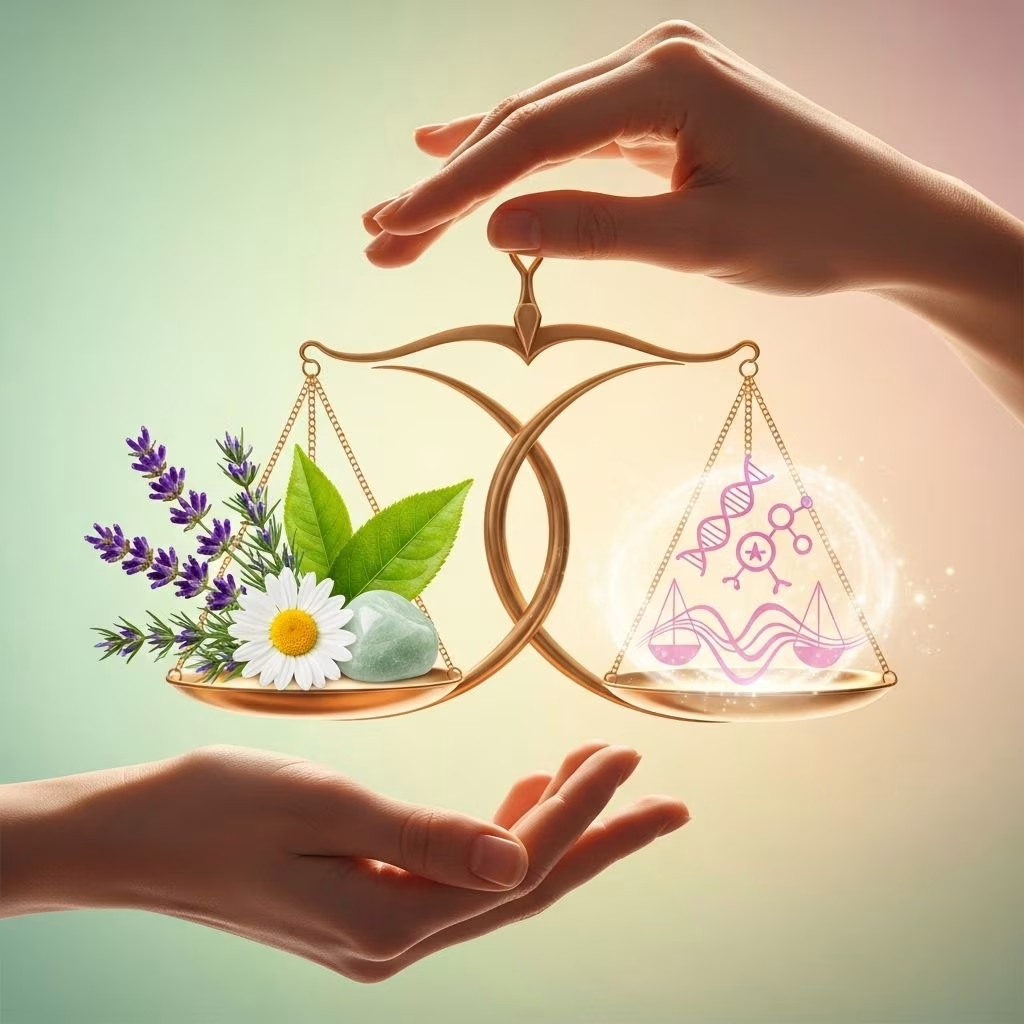
Harmonizing Hormones: Natural Remedies for Women’s Hormonal Balance
Women’s hormones are intricate, dynamic, and powerfully influential on daily health and wellbeing. Hormonal fluctuations—whether during puberty, pregnancy, perimenopause, menopause, or at any life stage—can profoundly affect mood, energy, metabolism, reproductive health, and overall quality of life. Many women seek safe and evidence-supported natural remedies to address imbalance, aiming to support their bodies holistically without heavy reliance on pharmaceuticals.
Understanding Women’s Hormonal Health
The endocrine system orchestrates the production and regulation of several key hormones, including estrogen, progesterone, testosterone, cortisol, insulin, and thyroid hormones. Even slight imbalances can lead to physical and emotional symptoms such as:
- Irregular menstrual cycles
- Mood swings and irritability
- Hot flashes or night sweats
- Weight changes
- Fatigue or sleep disturbances
- Low libido
- Acne or skin changes
Rather than targeting symptoms in isolation, a holistic approach addresses the root causes—nutrition, stress, lifestyle, environment—and uses gentle, natural remedies to restore balance.
Foundations of Natural Hormonal Balance
Nutrition and Diet
Food forms the foundation of hormone health. Opting for a whole-foods-based diet supports endocrine function on multiple levels:
- Healthy Fats: Essential for hormone synthesis. Include avocados, coconut oil, olive oil, fatty fish, nuts, and seeds.
- Fiber: Aids removal of excess hormones via the digestive tract. Focus on fruits, vegetables, whole grains, and legumes.
- Complex Carbohydrates: Stabilize blood sugar and help prevent insulin surges, which can disrupt sex hormones.
- Protein: Adequate intake from both plant and animal sources supports hormone production and metabolism.
- Cruciferous Vegetables: Broccoli, cauliflower, kale, and brussels sprouts contain compounds that assist in estrogen detoxification.
Key Nutrients for Hormone Support
- Vitamin B-complex: Vital for estrogen metabolism and adrenal function.
- Vitamin D: Behaves like a hormone itself, affecting estrogen and immune regulation.
- Magnesium: Calms the nervous system, eases PMS symptoms, and supports thyroid and adrenal activity.
- Zinc and Iron: Essential for ovulation, fertility, and energy. Best sources include pumpkin seeds, lentils, beans, leafy greens, and grass-fed meats.
- Boron: Enhances the body’s ability to utilize estrogen and testosterone.
- Vitamin E: May reduce hot flashes and sleep disruptions during menopause.
Foods to Moderate or Avoid
- Refined sugars and simple carbohydrates: Contribute to blood sugar instability.
- Processed foods and trans fats: Can interfere with hormone signaling.
- Excess caffeine or alcohol: May exacerbate hot flashes and disrupt sleep cycles.
- Conventional meats and dairy: Often contain added hormones or antibiotics, which can compound imbalance.
Herbal Remedies for Hormonal Balance
For centuries, people have used herbs to support hormonal health. Many botanicals act as adaptogens (helping the body adapt to stress), phytoestrogens (plant compounds with mild estrogenic effects), or promote better hormone metabolism and menstrual regulation.
Top Adaptogenic & Hormone-Balancing Herbs
- Ashwagandha (Withania somnifera): Often used to lower high cortisol (the stress hormone) and soothe perimenopausal symptoms including insomnia and hot flashes.
- Lemon Balm: Calms anxiety, reduces cortisol, and promotes emotional balance.
- Valerian Root: Supports restful sleep, reduces menopause hot flashes, and acts as a gentle phytoestrogen.
- Vitex/Chasteberry (Vitex agnus-castus): Known to regulate menstrual cycles, improve fertility, raise progesterone by lowering prolactin, and alleviate PMS symptoms.
- Black Cohosh: Traditionally used for menopausal symptoms and mild estrogenic effects.
- Red Clover: Contains phytoestrogens that may mimic estrogen in the body to relieve hot flashes and support cardiovascular health.
- Shatavari (Asparagus racemosus): The ‘Queen of Herbs’ in Ayurveda for supporting ovarian cycles, aphrodisiac qualities, and female reproductive health.
- Licorice Root: Shows estrogen-like activity and may ease perimenopausal symptoms but should be used cautiously and with medical supervision, especially for those with high blood pressure.
- Evening Primrose Oil: High in gamma-linolenic acid (GLA), relieves menopause-related discomfort and PMS.
- Spearmint: Shown to lower androgens in women with PCOS and support cycle regularity.
- Chamomile: A gentle, calming herb that lessens menstrual cramps and supports relaxation.
Other Notable Herbal Remedies
- Ginger
- Rosemary
- Parsley
- Nigella seeds (Black cumin)
- Marjoram
Always consult with a qualified health provider before introducing new herbal remedies, particularly if you are taking medications or have chronic health conditions.
Lifestyle Strategies for Optimal Hormone Balance
Stress Management
Chronic stress disrupts the harmony of endocrine function—especially the adrenal, thyroid, and reproductive glands. Ways to cultivate resilience and calm include:
- Mindfulness meditation
- Yoga or tai chi
- Breathwork and guided relaxation
- Connecting with nature or creative hobbies
Physical Activity
Regular exercise improves insulin sensitivity, promotes detoxification, supports mood regulation, and maintains healthy weight—all critical for hormonal balance. Recommended activities include:
- Walking and hiking
- Resistance training and Pilates
- Swimming or cycling
- Gentle stretching and restorative yoga
Exercise should be nourishing, not depleting. Over-exercising can elevate cortisol and disrupt normal cycling.
Sleep Hygiene
Sleep is a cornerstone of hormonal health. Aim for 7-9 hours per night and prioritize these strategies:
- Establish a regular bedtime and waking schedule
- Limit blue light exposure before bed
- Keep your sleeping environment cool and dark
- Avoid stimulants (like caffeine) in the afternoon and evening
Limiting Environmental Toxins
Endocrine-disrupting chemicals (EDCs) in household products, plastics, cosmetics, and non-organic produce can mimic or block natural hormones. To reduce exposure:
- Choose glass or stainless-steel containers over plastics
- Select natural or organic skincare and cleaning products
- Wash fruits and vegetables thoroughly
- Avoid microwaving food in plastic containers
Supplements for Hormone Health
While nutrition and lifestyle provide the foundation, certain nutritional supplements can further support hormone synthesis and metabolic processes. Commonly used supplements include:
- Vitamin D3: Supports hormone production and immune health
- Vitamin B6 and B12: Important for mood, energy, and estrogen metabolism
- Magnesium: Relieves PMS, supports sleep, relaxes muscles
- Omega-3 fatty acids: Reduce inflammation and ease menstrual discomfort
- Probiotics: Promote gut health important for hormone clearance
Consult a healthcare professional to personalize supplement choices and optimal dosing.
FAQs: Natural Hormone Balance for Women
Q: What are the most common signs of hormonal imbalance in women?
A: Irregular menstruation, persistent fatigue, mood changes, sleep disturbances, hot flashes, low libido, and unexplained weight shifts signal possible hormone imbalance.
Q: Can diet alone balance hormones, or are supplements necessary?
A: A nutrient-rich, varied diet forms the core of hormone health, but targeted supplements—like vitamin D, magnesium, or adaptogenic herbs—can enhance results for many women, especially when deficiencies or significant symptoms are present.
Q: How long does it take to see improvements with natural remedies?
A: It varies. Some women may see improvement in energy or mood within a few weeks; more significant changes, like cycle regularity, may take a few months. Consistency is key.
Q: Are herbal remedies safe to use with hormonal medications?
A: Some herbs can interact with hormonal or prescription medications. Always check with a healthcare provider before starting any new herbal supplement—especially for women taking birth control, hormone replacement therapy, or managing chronic conditions.
Q: Which lifestyle change has the biggest impact on hormone balance?
A: Stress reduction through mind-body techniques and improving sleep patterns often yield rapid benefits for hormone health, followed closely by dietary improvements and gentle physical activity.
Additional Tips & Resources
- Track symptoms in a journal to spot patterns and triggers.
- Consider regular screening for thyroid, iron, vitamin D, and blood glucose to uncover hidden contributors to imbalance.
- Schedule routine consultations with integrative or functional health practitioners familiar with women’s hormone wellness.
- Investigate non-hormonal options (like acupuncture or massage) for symptom support.
Sample Table: Summary of Common Herbs and Their Uses
| Herb | Main Benefits | Typical Use/Form |
|---|---|---|
| Ashwagandha | Reduces stress, lowers cortisol, relieves perimenopausal symptoms | Capsule, tincture |
| Vitex (Chasteberry) | Cycle regulation, PMS relief, boosts progesterone | Capsule, extract |
| Black Cohosh | Menopause symptom relief, mild estrogenic effect | Tablet, capsule, tea |
| Red Clover | Contains phytoestrogens for menopausal support | Tea, capsule |
| Spearmint | Lowers androgens, supports PCOS management | Tea |
| Shatavari | Female reproductive tonic, supports cycles | Capsule, powder |
| Evening Primrose Oil | Reduces PMS, supports menopause | Oil capsule |
| Chamomile | Calming, reduces cramps, aids sleep | Tea |
Conclusion
Balancing women’s hormones naturally is a nuanced, holistic process involving personalized nutrition, targeted herbal therapies, sustainable lifestyle shifts, and ongoing self-care. While hormonal imbalances can feel overwhelming, many gentle natural approaches have a strong track record of supporting women’s resilience and wellbeing at every age. It is vital to partner with trusted healthcare providers and listen to your body as you journey towards greater hormone harmony.
References
- https://www.plateandcanvas.com/the-15-best-herbs-for-hormone-balance
- https://www.healthline.com/nutrition/herbs-that-balance-hormones
- https://www.uclahealth.org/news/article/how-increase-estrogen-naturally
- https://my.clevelandclinic.org/health/diseases/22673-hormonal-imbalance
- https://www.women4womenobgyn.com/embracing-nature-holistic-approaches-hormonal-imbalance-women-gyn-forest-hills
- https://empireobgyn.com/balancing-hormones-naturally-for-women/
- https://www.nhs.uk/medicines/hormone-replacement-therapy-hrt/alternatives-to-hormone-replacement-therapy-hrt/herbal-remedies-and-complementary-medicines-for-menopause-symptoms/
- https://naturemed.org/natural-remedies-for-hormone-imbalance/
- https://www.premierob-gyn.com/blog/essential-vitamins-and-supplements-to-balance-hormones


