


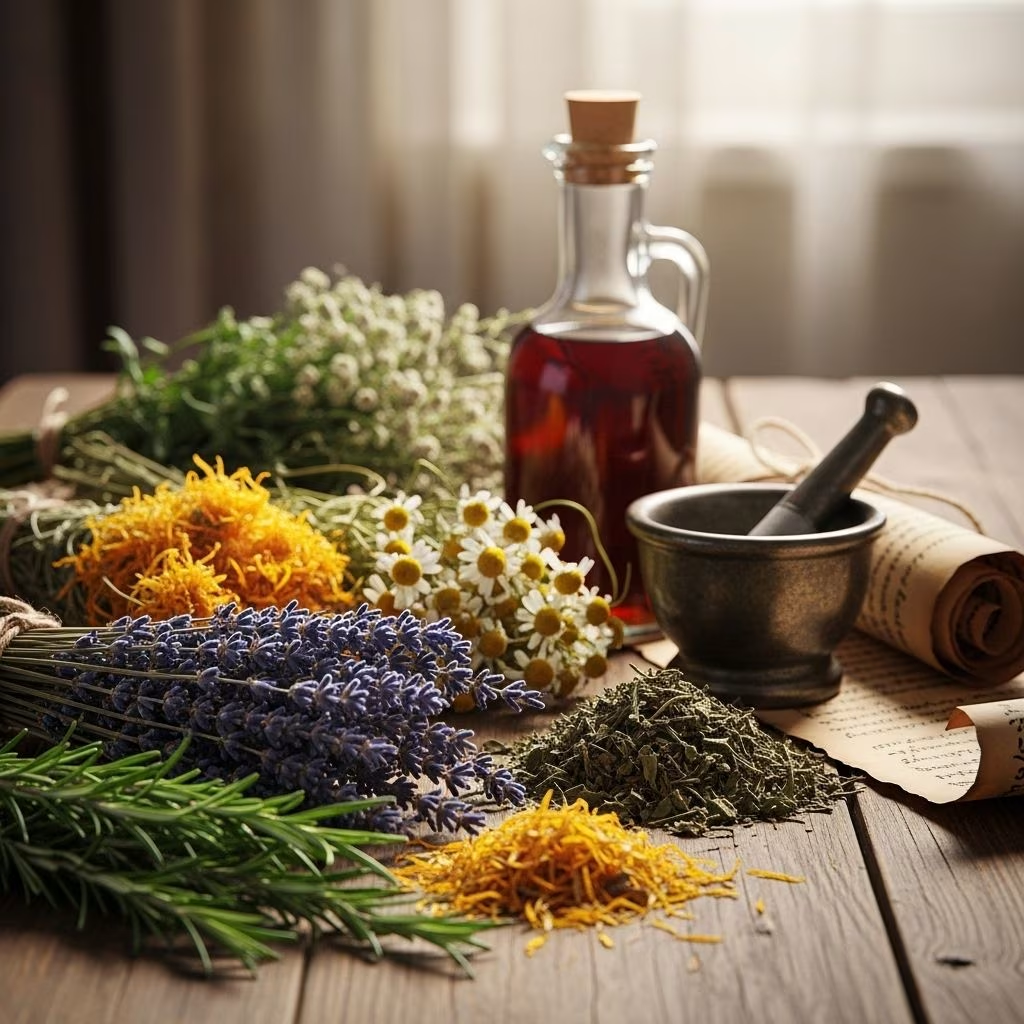
In an era where conventional medicine dominates healthcare, many individuals are rediscovering the profound healing potential of natural remedies and holistic wellness practices. The journey toward self-healing through nature’s pharmacy represents a return to ancient wisdom that has sustained humanity for millennia. This comprehensive exploration delves into the transformative principles of natural health, drawing inspiration from renowned holistic health educator Barbara O’Neill and integrating time-tested herbal remedies with modern wellness understanding.
The growing movement toward natural healing reflects a fundamental shift in how we perceive health and wellness. Rather than simply treating symptoms with pharmaceutical interventions, holistic approaches address the root causes of ailments while supporting the body’s innate capacity for self-restoration. This paradigm emphasizes prevention, balance, and harmony with nature’s rhythms, offering sustainable solutions that honor the interconnectedness of body, mind, and spirit.
Understanding Holistic Wellness and Natural Healing
Holistic wellness represents a comprehensive approach to health that considers the entire person rather than isolated symptoms or conditions. This philosophy recognizes that physical health cannot be separated from emotional wellbeing, mental clarity, and spiritual fulfillment. The body possesses remarkable self-healing capabilities when provided with proper nutrition, adequate rest, stress management, and natural support systems.
Barbara O’Neill’s teachings emphasize fundamental principles that form the foundation of natural health. These include proper hydration, nutritious whole foods, regular physical activity, adequate sunlight exposure, fresh air, rest, temperance, and trust in the body’s healing wisdom. By addressing these foundational pillars, individuals can create optimal conditions for health restoration and maintenance.
The holistic approach acknowledges that symptoms are often the body’s way of communicating imbalance or distress. Rather than suppressing these signals, natural healing methods work to understand and address underlying causes. This might involve dietary modifications, herbal supplementation, lifestyle adjustments, stress reduction techniques, and detoxification protocols that support the body’s natural elimination pathways.
The Power of Herbal Medicine
Herbal medicine stands as one of humanity’s oldest and most reliable healing modalities. For thousands of years, cultures across the globe have utilized plants for preventing and treating illness, maintaining vitality, and supporting longevity. Modern scientific research increasingly validates traditional herbal knowledge, revealing the complex biochemical compounds that give medicinal plants their therapeutic properties.
The beauty of herbal remedies lies in their holistic action. Unlike pharmaceutical drugs that typically target specific symptoms or biochemical pathways, herbs contain numerous active constituents that work synergistically. This multifaceted approach often results in gentler, more comprehensive healing with fewer adverse effects. Plants provide vitamins, minerals, antioxidants, anti-inflammatory compounds, antimicrobial agents, and numerous other beneficial substances that support overall health.
Building a personal herbal repertoire begins with understanding commonly available medicinal plants and their applications. Herbs like chamomile offer calming properties for stress and digestive upset, while echinacea supports immune function during cold and flu season. Turmeric provides powerful anti-inflammatory benefits, ginger aids digestion and reduces nausea, and peppermint relieves headaches and digestive discomfort. Each herb carries unique healing properties that can be harnessed through teas, tinctures, capsules, topical applications, and culinary use.
Detoxification and Cleansing Protocols
In our modern environment, bodies accumulate toxins from processed foods, environmental pollutants, household chemicals, and stress-related metabolic byproducts. Periodic cleansing protocols support the body’s natural detoxification systems—primarily the liver, kidneys, digestive tract, lymphatic system, and skin—in eliminating accumulated waste materials and restoring optimal function.
Effective detoxification begins with reducing toxic exposure by choosing organic foods when possible, filtering drinking water, using natural cleaning and personal care products, and minimizing exposure to environmental pollutants. Supporting detoxification pathways involves consuming cleansing foods like leafy greens, cruciferous vegetables, citrus fruits, and herbs such as dandelion, milk thistle, and burdock root.
Gut health forms the cornerstone of effective detoxification and overall wellness. A fifteen-day gut cleanse protocol might include eliminating inflammatory foods like refined sugars, processed grains, and artificial additives while incorporating fermented foods, prebiotic fibers, healing bone broths, and soothing herbal teas. This approach allows the digestive system to heal, beneficial bacteria to flourish, and inflammatory processes to calm, resulting in improved energy, clearer skin, better mood, and enhanced immune function.
Green smoothie cleanses offer another gentle yet effective detoxification method. By consuming nutrient-dense blended beverages featuring dark leafy greens, fresh fruits, healthy fats from avocado or nuts, and cleansing additions like lemon, ginger, and cucumber, individuals flood their systems with easily absorbed vitamins, minerals, and antioxidants while giving the digestive system a rest from heavy processing demands.
Aromatherapy and Essential Oils
Aromatherapy harnesses the therapeutic properties of concentrated plant essences extracted through distillation or cold pressing. These potent essential oils contain volatile compounds that interact with the body through olfactory pathways affecting mood and emotions, as well as through topical absorption when properly diluted, providing localized therapeutic benefits.
Lavender essential oil stands among the most versatile and beloved aromatherapy tools, offering calming properties that reduce anxiety, promote restful sleep, and accelerate wound healing. Peppermint oil provides mental clarity, relieves headaches, and eases digestive discomfort. Tea tree oil delivers powerful antimicrobial action for skin conditions and household cleaning. Eucalyptus supports respiratory health and reduces congestion, while frankincense offers grounding aromatherapy benefits and potential anti-inflammatory effects.
Safe essential oil use requires understanding proper dilution ratios, quality considerations, and contraindications. Most topical applications require diluting essential oils in carrier oils like coconut, jojoba, or sweet almond oil to prevent skin irritation. Diffusing oils into living spaces provides aromatherapeutic benefits without direct skin contact. Certain oils should be avoided during pregnancy, around young children, or with specific health conditions, making education essential for responsible use.
Homeopathy and Energy Medicine
Homeopathy represents a distinct healing system based on the principle of “like cures like,” using highly diluted substances that would produce symptoms in healthy individuals to stimulate healing responses in those experiencing those symptoms. This gentle approach works with the body’s vital force to restore balance and has gained widespread use for treating acute conditions, chronic illnesses, and emotional imbalances.
Common homeopathic remedies address a wide range of conditions. Arnica montana treats bruising, muscle soreness, and trauma. Nux vomica aids digestive upset and stress-related symptoms. Chamomilla soothes teething pain and irritability in children. Aconite addresses sudden onset fevers and anxiety, while Pulsatilla helps with hormonal fluctuations and emotional sensitivity. Selecting appropriate remedies involves matching the individual’s unique symptom picture with remedy characteristics.
Energy medicine extends beyond homeopathy to include practices like acupuncture, reiki, qigong, and therapeutic touch. These modalities work with subtle energy fields that influence physical, emotional, and spiritual wellbeing. While mechanisms remain partially unexplained by conventional science, countless individuals report significant benefits from energy-based healing approaches, particularly for stress-related conditions, pain management, and emotional healing.
Nutritional Foundations for Optimal Health
Food serves as medicine when we choose whole, unprocessed ingredients that nourish rather than deplete. A health-promoting diet emphasizes colorful vegetables and fruits packed with antioxidants, whole grains providing sustained energy and fiber, quality proteins supporting tissue repair and immune function, healthy fats for hormone production and brain health, and pure water for hydration and detoxification.
Specific foods offer targeted therapeutic benefits. Garlic and onions provide antimicrobial and cardiovascular support. Berries deliver powerful antioxidants protecting against cellular damage. Leafy greens supply essential minerals and support detoxification. Fatty fish offers anti-inflammatory omega-3 fatty acids. Nuts and seeds provide healthy fats, protein, and minerals. Fermented foods introduce beneficial probiotics supporting gut health and immunity.
Avoiding harmful dietary elements proves equally important as incorporating beneficial foods. Refined sugars promote inflammation, disrupt blood sugar balance, and feed pathogenic organisms. Artificial additives, preservatives, and food colorings burden detoxification pathways. Trans fats damage cellular membranes and contribute to cardiovascular disease. Excessive caffeine and alcohol stress the adrenal glands and liver. Creating awareness around these dietary pitfalls empowers informed choices supporting long-term wellness.
Immune System Support and Disease Prevention
A robust immune system represents the body’s primary defense against infectious diseases and chronic illness. Natural immune support involves multiple strategies working synergistically. Adequate sleep allows immune cell production and repair processes. Stress management prevents immune suppression caused by chronic cortisol elevation. Regular moderate exercise enhances immune surveillance and circulation. Proper nutrition provides raw materials for immune cell production and function.
Specific herbs demonstrate remarkable immune-modulating properties. Echinacea activates immune responses and may reduce cold duration and severity. Elderberry shows antiviral activity particularly against influenza. Astragalus supports long-term immune resilience. Medicinal mushrooms like reishi, shiitake, and turkey tail contain polysaccharides that enhance immune function. Vitamin C-rich foods and herbs support white blood cell activity and tissue repair.
Prevention strategies extend beyond immune support to include reducing exposure to pathogens through proper hygiene, maintaining healthy indoor air quality, minimizing toxic exposures that burden immune resources, and addressing underlying health imbalances that create vulnerability to disease. This proactive approach emphasizes creating conditions for health rather than simply fighting disease after it develops.
Managing Common Health Concerns Naturally
Many everyday health complaints respond beautifully to natural interventions. Headaches often stem from dehydration, tension, or dietary triggers and can be addressed through increased water intake, stress reduction, peppermint or lavender essential oils, and identifying food sensitivities. Digestive issues including bloating, constipation, and indigestion frequently improve with dietary fiber, probiotic foods, digestive bitters, ginger tea, and mindful eating practices.
Sleep disturbances affecting millions can be approached through sleep hygiene improvements, herbal support from valerian, passionflower, or chamomile, magnesium supplementation, reducing blue light exposure before bed, and addressing underlying stress or hormonal imbalances. Skin conditions often reflect internal imbalances and benefit from anti-inflammatory diets, proper hydration, topical herbal preparations, and addressing gut health issues.
Joint pain and inflammation respond to turmeric, ginger, omega-3 fatty acids, movement therapies, and eliminating inflammatory foods. Anxiety and mood imbalances improve with adaptogenic herbs like ashwagandha and rhodiola, B-vitamin support, exercise, meditation practices, and blood sugar stabilization through dietary modifications. This natural approach addresses root causes rather than merely suppressing symptoms.
Creating a Non-Toxic Lifestyle
Reducing toxic exposure in daily life significantly impacts overall health and disease prevention. Household cleaning products represent a major source of chemical exposure, yet effective alternatives exist using simple ingredients like vinegar, baking soda, castile soap, and essential oils. These natural cleaners effectively sanitize surfaces without leaving harmful residues or contributing to indoor air pollution.
Personal care products applied to skin daily—including soaps, shampoos, lotions, cosmetics, and deodorants—often contain endocrine-disrupting chemicals, carcinogens, and allergens. Transitioning to natural alternatives or creating homemade versions using coconut oil, shea butter, essential oils, and simple ingredients reduces this burden significantly. Reading labels carefully and choosing products from transparent companies committed to safety proves essential.
Water quality directly affects health, as municipal water may contain chlorine, fluoride, heavy metals, pharmaceutical residues, and agricultural runoff. Installing quality water filters for drinking and bathing water removes many contaminants. Choosing organic produce when possible reduces pesticide exposure, particularly for high-spray crops. Using glass or stainless steel containers instead of plastic reduces exposure to hormone-disrupting compounds. These incremental changes create cumulative benefits over time.
Stress Management and Emotional Wellbeing
Chronic stress represents one of the most significant threats to modern health, contributing to cardiovascular disease, digestive disorders, immune suppression, hormonal imbalances, and mental health challenges. Effective stress management proves essential for any comprehensive wellness approach. Mindfulness meditation reduces stress hormone production and increases resilience to daily challenges. Even brief daily practices yield measurable benefits for physical and mental health.
Deep breathing techniques activate the parasympathetic nervous system, countering the fight-or-flight stress response. Simple practices like diaphragmatic breathing, alternate nostril breathing, or extended exhalation can be performed anywhere, providing immediate stress relief. Regular practice creates lasting changes in stress reactivity and emotional regulation.
Nature exposure offers powerful stress-reducing benefits. Time spent in natural environments lowers cortisol levels, reduces blood pressure, improves mood, and enhances overall wellbeing. Forest bathing, gardening, hiking, or simply sitting outdoors provides therapeutic benefits accessible to most individuals. Combining nature exposure with gentle movement amplifies benefits while promoting physical fitness.
Building Your Natural Health Toolkit
Creating a well-stocked natural health toolkit empowers self-care and reduces reliance on conventional interventions for minor ailments. Essential items include basic herbal teas like chamomile, peppermint, and ginger; high-quality essential oils including lavender, tea tree, and peppermint; coconut oil for cooking and topical use; raw honey with antimicrobial properties; apple cider vinegar for digestive support; Epsom salts for detoxifying baths; and activated charcoal for addressing digestive upset or poisoning.
Building herbal medicine knowledge through reliable resources, courses, or mentorship enables confident home practice. Starting with a few well-understood herbs and expanding gradually ensures safety and effectiveness. Keeping detailed notes about remedies used, dosages, and outcomes helps refine personal protocols over time. Connecting with local herbalists, natural health practitioners, or community groups provides ongoing learning opportunities and support.
Understanding when professional help is needed remains crucial. While natural remedies effectively address many common concerns, serious conditions, persistent symptoms, or emergency situations require appropriate medical attention. Integrating natural approaches with conventional care when necessary provides the best of both worlds, allowing individuals to be active participants in their health journey while accessing needed interventions.
Empowering Self-Healing
The journey toward natural health represents a profound shift from passive patient to empowered participant. By understanding the body’s innate healing wisdom, learning to work with rather than against natural processes, and taking responsibility for daily choices affecting health outcomes, individuals reclaim sovereignty over their wellbeing. This transformation extends beyond physical health to encompass mental clarity, emotional balance, and spiritual fulfillment.
Barbara O’Neill’s teachings emphasize that the body wants to heal and will do so when provided with proper conditions. Removing obstacles to health—including poor nutrition, inadequate rest, chronic stress, toxic exposures, and negative thought patterns—allows natural healing mechanisms to function optimally. Supporting the body with nourishing foods, herbal medicine, adequate hydration, movement, and stress management creates the foundation for vibrant health at any age.
Patience proves essential in natural healing, as results typically unfold gradually rather than instantly. Unlike pharmaceutical interventions that often provide rapid symptom suppression, natural approaches work to restore underlying balance, a process requiring time. Trusting the body’s wisdom while consistently applying health-promoting practices yields lasting results that address root causes rather than merely masking symptoms.
Frequently Asked Questions
Q: What makes Barbara O’Neill’s approach to natural health unique?
A: Barbara O’Neill’s approach emphasizes the body’s inherent ability to heal itself when provided with proper conditions including nutrition, hydration, rest, and natural remedies. Her teachings integrate ancient herbal wisdom with practical modern applications, focusing on addressing root causes rather than suppressing symptoms. She emphasizes foundational health pillars that create optimal conditions for self-healing.
Q: How long does it take to see results from natural remedies?
A: Results vary depending on the condition being addressed and individual factors. Acute conditions like headaches or digestive upset may respond within hours to days, while chronic conditions often require consistent application over weeks or months. Natural healing works gradually to restore underlying balance rather than providing instant symptom suppression, resulting in more sustainable long-term outcomes.
Q: Are natural remedies safe for everyone including children and pregnant women?
A: While many natural remedies are gentle and safe, not all herbs and treatments are appropriate for everyone. Pregnant women, nursing mothers, young children, and individuals with certain health conditions should exercise caution and consult qualified practitioners. Some herbs can interact with medications or have contraindications for specific populations. Always research thoroughly and seek professional guidance when uncertain.
Q: Can natural remedies replace conventional medical treatment?
A: Natural remedies excel at addressing many common health concerns, supporting overall wellness, and preventing disease. However, serious medical conditions, emergencies, and certain acute situations require conventional medical intervention. The most effective approach often integrates natural and conventional methods, using each where most appropriate while maintaining open communication with healthcare providers about all treatments being used.
Q: What are the essential herbs everyone should know about?
A: Essential herbs for beginners include chamomile for relaxation and digestive support, peppermint for digestive issues and headaches, ginger for nausea and inflammation, echinacea for immune support, lavender for stress and sleep, turmeric for powerful anti-inflammatory benefits, and garlic for antimicrobial and cardiovascular support. These versatile herbs address common health concerns safely and effectively.
Q: How do I start transitioning to a more natural lifestyle?
A: Begin with manageable changes rather than attempting complete transformation overnight. Start by improving diet quality with more whole foods, replacing one conventional product with a natural alternative weekly, learning about a few basic herbs, improving sleep habits, and incorporating simple stress-reduction practices. Gradual sustainable changes prove more effective than dramatic overhauls that become overwhelming and unsustainable.
Q: What role does diet play in natural healing?
A: Diet forms the foundation of natural health, as food provides raw materials for every bodily function including immune defense, tissue repair, hormone production, and detoxification. Whole, unprocessed foods supply essential nutrients while avoiding inflammatory additives. Many health conditions improve significantly through dietary modifications alone, making nutrition the most powerful healing tool available.
Q: How can I find reliable information about natural health?
A: Seek information from qualified herbalists, naturopathic doctors, and experienced holistic practitioners. Reputable books, peer-reviewed research, and established herbal medicine schools provide quality education. Be cautious of sources making extreme claims or promoting products aggressively. Cross-reference information across multiple trusted sources and consider working with qualified practitioners for personalized guidance.
References
- https://www.etsy.com/market/barbara_oneill_book_self_heal
- https://books.google.com/books/about/Barbara_O_Neill_Natural_Remedies_Complet.html?id=O6UbEQAAQBAJ
- https://barbaraoneill.com/collections/books
- https://www.kobo.com/ww/en/ebook/self-heal-by-design
- https://www.etsy.com/listing/1893521677/self-heal-by-design-by-barbara-oneill
- https://clevnet.overdrive.com/clevnet-milanberlin/content/media/11168629
- https://www.booktopia.com.au/last-book-of-self-healing-and-natural-remedies-inspired-by-barbara-o-neill-for-a-non-toxic-lifestyle-amanda-adams/ebook/9781961443167.html


